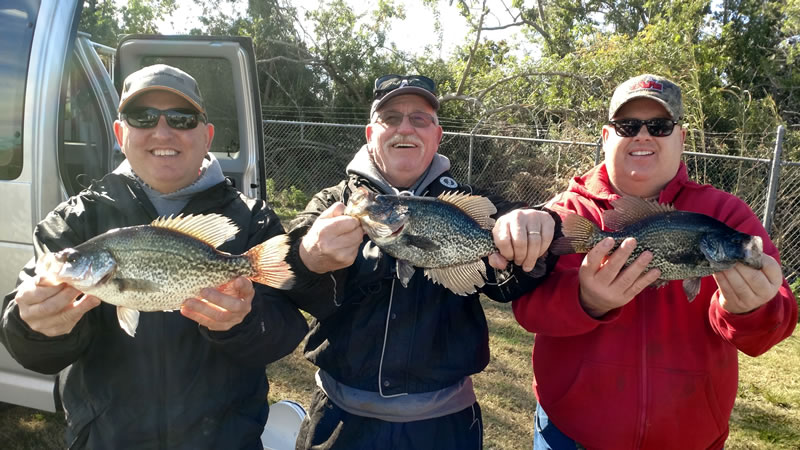

Want to catch more crappie at Lake Okeechobee? This Lake Okeechobee crappie fishing guide covers the best fishing spots, techniques, and tips to make your trip successful.
Key Takeaways
- Lake Okeechobee is a prime destination for crappie fishing, offering a serene environment with abundant opportunities for both novice and seasoned anglers.
- Timing is crucial for crappie fishing, with the peak season running from late fall to early spring, particularly January through March, when crappie are easier to locate near the shoreline.
- Hiring a fishing charter can enhance your fishing experience, providing expert guidance, prepared equipment, and access to the best fishing spots on the lake.
Introduction
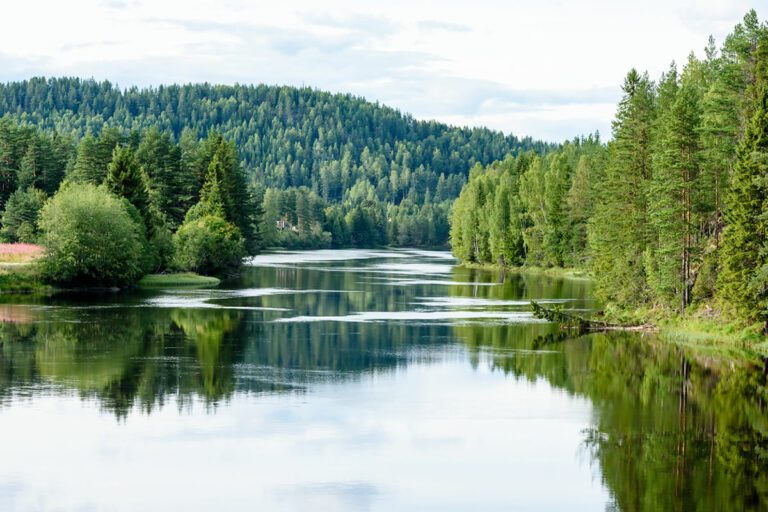
Lake Okeechobee, with its expansive 730 square miles of water, is a paradise for anglers. Often referred to as ‘Florida’s Inland Sea’ due to its vast size, the lake offers a serene fishing experience surrounded by stunning nature and tranquility. Lake Okeechobee comprises a nationally recognized fishery, particularly for largemouth bass and black crappie, but crappie often remains an overlooked treasure. This guide aims to highlight the beauty and thrill of crappie fishing on this magnificent lake.
The name Okeechobee comes from indigenous words meaning ‘big water,’ which is fitting for such an expansive body of water. The lake’s average depth of nine feet, combined with its extensive surface area, makes it a unique and significant fishing destination. Whether you’re seeking the thrill of the catch or the peace of the open water, Lake Okeechobee promises an unforgettable fishing adventure.
Crappie Fishing in Lake Okeechobee: An Overview

As Florida’s largest lake, Lake Okeechobee serves as a premier destination for Florida crappie fishing. Its vast size and shallow waters create an ideal habitat for crappie and other freshwater fish. The lake’s serene environment, coupled with its rich biodiversity, offers a unique and rewarding fishing experience for both novice and seasoned anglers.
Despite the popularity of largemouth bass, crappie fishing in Lake Okeechobee deserves more attention. However, crappie, also known as speckled perch, presents a fantastic opportunity for anglers looking to diversify their catches. The lake supports both commercial and sport fisheries, and its fishery is nationally recognized, particularly for black crappie.
Okeechobee’s calm and picturesque setting makes it an ideal spot for a tranquil fishing trip. The lake’s ecosystem is rich and diverse, providing ample opportunities to catch crappie, especially in the shallow waters near the shoreline. Hiring a fishing charter or guided tour can enhance your chances of success, as local experts can direct you to the best fishing spots and provide valuable tips.
Identifying Crappie Fish

Crappie fish are characterized by their deep, laterally compressed bodies, giving them a round, plate-like appearance. In Lake Okeechobee, crappie are also known as speckled perch or specks. Properly identifying crappie, especially when they are fish smaller in size, is a fundamental step towards a successful fishing trip since it guides the selection of appropriate techniques and equipment.
Black crappie are easily distinguishable by their irregular dark blotches and speckles covering their bodies. They exhibit a more uniform dark coloration and have seven to eight hard spines on the dorsal fin and six to eight on the anal fin. Breeding males can have almost entirely black heads and breasts, making them even more distinctive. In contrast, white crappie displays a lighter color with vertical bars and have five to six hard spines on the dorsal fin and five to seven on the anal fin.
For Lake Okeechobee, black crappie are the primary crappie anglers target. Identification matters most when applying current harvest rules, so use FWC regulations as the authority before keeping fish.
Best Times for Crappie Fishing in Lake Okeechobee
In crappie fishing at Lake Okeechobee, timing plays a pivotal role. The peak seasons for crappie fishing are from late fall to early spring, with the most productive months being January, February, and March. During these months, crappie migrate to shoreline cover to spawn, making them easier to locate and catch.
Outside of the peak season, crappie fishing can be more challenging, particularly during winter when fish migrations affect their availability. FWC’s current Lake Okeechobee forecast recommends concentrating near the edges of vegetation stands, especially early in the morning and late in the day. Suspend minnows at different depths to locate schools, or use jigs to cover water efficiently.
Essential Fishing Equipment for Lake Okeechobee
Equipping yourself with the correct gear is a key factor in ensuring a successful crappie fishing venture at Lake Okeechobee. High-quality rods and reels are essential, as they improve your ability to cast accurately and retrieve fish effectively. Light spinning gear with specialist crappie jigs can be particularly effective when targeting these fish.
Fly rods with light tippets are also suitable for catching panfish like crappie, providing a versatile option for anglers. Ensuring you have the right gear will not only improve your fishing success but also make the experience more enjoyable and less stressful.
Effective Techniques for Catching Crappie
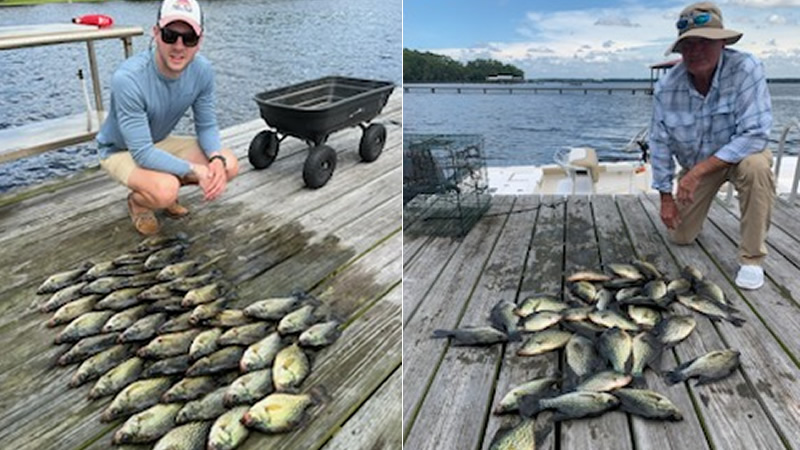
Becoming proficient in effective techniques significantly increases your chances of catching crappie in Lake Okeechobee. One of the most consistently effective methods is using live bait, particularly minnows. Minnows are a natural food source for crappie and can attract them more reliably than artificial lures.
Another effective technique is using hair jigs, which can mimic the appearance and movement of small fish or insects. Vertical jigging, especially in shallow waters, is also a powerful technique for targeting crappie. This method involves dropping the jig straight down and moving it up and down to attract fish.
Researching the best lures and techniques for crappie before heading out can also make a significant difference in your success rate. By understanding the habits and preferences of crappie, you can choose the most effective methods and gear for your fishing trip.
Understanding Bag and Possession Limits
Complying with bag and possession limits is a fundamental practice for maintaining sustainable crappie fishing in Florida. Lake Okeechobee has a special crappie rule: any crappie under 10 inches in total length must be released immediately. The daily bag limit is 25 fish per angler. Always check the current FWC special regulations before a trip.
Florida possession rules and lake-specific regulations can change, so verify the current FWC rules before harvesting fish. For Lake Okeechobee, the 10-inch minimum crappie length rule is especially important.
Preparing for Your Fishing Trip
Thorough preparation sets the stage for a successful and enjoyable crappie fishing adventure on Lake Okeechobee. Check whether you need a Florida freshwater fishing license before the trip. Many anglers need one, but Florida provides age- and circumstance-based exemptions, so confirm your status with FWC rather than assuming the rule is identical for everyone.
Packing essentials for your fishing trip:
- Drinks and snacks to stay hydrated and energized
- Comfortable shoes
- Light-colored shirt
- Other appropriate clothing
Being well-prepared will allow you to focus on the thrill of the catch and the beauty of the lake.
Benefits of Hiring Lake Okeechobee Charters
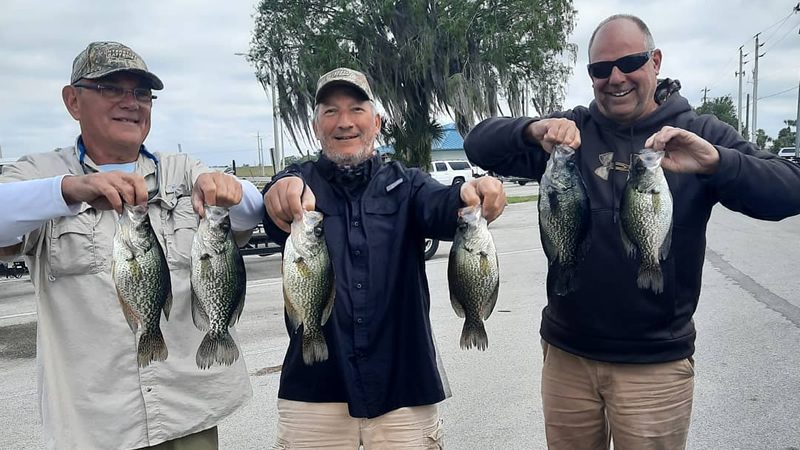
Engaging a fishing charter on Lake Okeechobee introduces a plethora of benefits, elevating your crappie fishing experience in terms of enjoyment and success. Experienced guides can significantly improve your chances of finding the best fishing spots, saving you time and effort. They cater to your preferences, whether you want to handle fishing tasks yourself or prefer assistance.
Charter fishing allows you to enjoy:
- A fully prepared and equipped fishing equipment boat, ensuring everything is ready for a successful fishing trip
- The ability to focus on having fun and catching fish without worrying about boat preparation, navigation, or cleaning
- Flexibility allows you to experience different types of boats and fishing locations without being restricted to one area.
The Role of Weather in Crappie Fishing
The success of crappie fishing is greatly influenced by the weather conditions. Stable weather can make crappie patterns easier to follow, but water temperature, wind, light, vegetation, and bait location all influence the bite. Treat weather as one clue rather than a guarantee.
Overcast conditions can extend low-light feeding periods, while strong fronts or wind can reposition schools. Checking wind, water conditions, and recent fishery information is more useful than assuming every cloudy or cold-front day will fish the same way.
During strong wind, prioritize safe, fishable water and compare protected vegetation edges with areas where wind has concentrated bait.
Top Spots for Crappie Fishing in Lake Okeechobee
There are numerous prime crappie fishing locations scattered across Lake Okeechobee. Some of the best spots include:
- Aquatic plants like hyacinths and hydrilla, which provide crucial spawning habitats and refuge areas for fish
- Areas with submerged structures, such as fallen trees or brush piles, where crappie like to hide
- Shallow areas near the shoreline, especially during the spawning season
- Channels and drop-offs, where crappie often gather to feed
These spots create an environment where crappie can thrive, offering excellent opportunities for anglers.
FWC’s current guidance emphasizes vegetation edges rather than one permanent shoreline hotspot. Because water level, wind, and vegetation change, be prepared to move until you locate active schools instead of relying on a fixed waypoint.
Summary
Lake Okeechobee is a crappie fishing paradise, offering anglers a serene and productive environment. From understanding the best times to fish and the essential gear needed, to mastering effective techniques and adhering to bag limits, this guide provides all the information you need for a successful fishing trip. Whether you decide to hire a charter or go it alone, the lake’s beauty and abundant crappie population ensure a rewarding experience.
As you prepare for your adventure, remember that the key to a successful fishing trip is preparation and knowledge. With the right gear, techniques, and a bit of luck, you’ll be well on your way to catching your limit on Lake Okeechobee. Happy fishing!
So, if you are ready for a fun day on the waters of Lake Okeechobee with great fishing tips thrown in, let our Captain’s help you!