 Guides Wanted
Pomme de Terre Lake

1 Reviews
Quick Summary
Plan a Pomme de Terre Lake fishing trip with verified details on bass, crappie, muskie, walleye, seasonal patterns, access, and Missouri regulations.
Top Fishing Guides on Pomme de Terre Lake
Guides WantedPomme de Terre Lake Reviews
Top Target Species on Pomme de Terre Lake
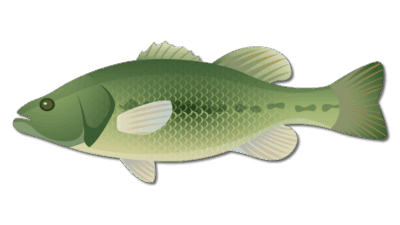
Largemouth Bass
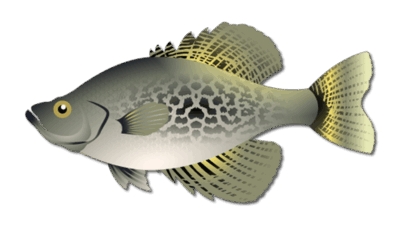
Crappie
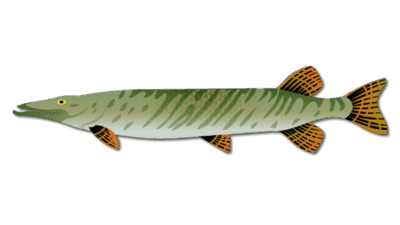
Musky Fish

Walleye
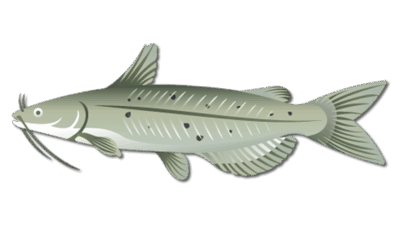
Channel Catfish
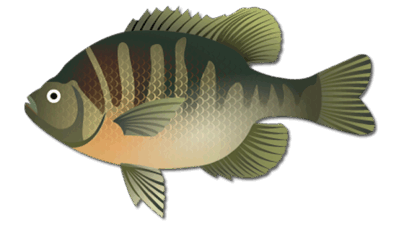
Bluegill
Frequently Asked Questions about Pomme de Terre Lake
What fish are in Pomme de Terre Lake?
Pomme de Terre Lake supports largemouth, spotted and smallmouth bass, black and white crappie, muskie, walleye, channel and flathead catfish, white bass, bluegill, and other species.
When is the best time to fish Pomme de Terre Lake?
Spring is popular for bass and crappie, summer rewards early, late, and deeper-water approaches, and fall cooling can improve bass, crappie, walleye, and muskie activity. Current conditions should determine the final plan.
How large is Pomme de Terre Lake?
The U.S. Army Corps of Engineers reports that Pomme de Terre Lake covers 7,820 acres at its multipurpose pool.
Where can anglers launch at Pomme de Terre Lake?
Public access is available at several recreation areas, including Pittsburg, Nemo, Wheatland, Lightfoot, and Bolivar Landing. Access and fees vary by site, so check the managing agency before traveling.
Does Pomme de Terre Lake have muskie?
Yes. Pomme de Terre is a managed Missouri muskie fishery. The state’s annual prospects identify June, September, and October as traditionally productive periods when water temperatures are favorable.
Fishing Pomme de Terre Lake
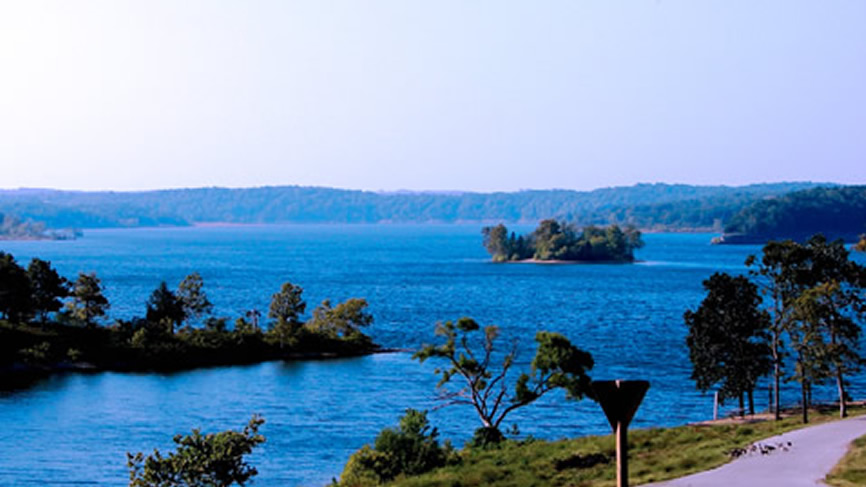
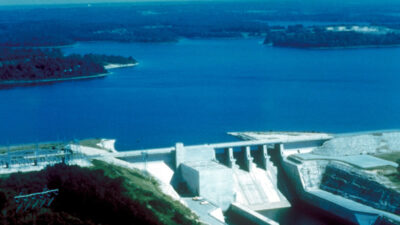
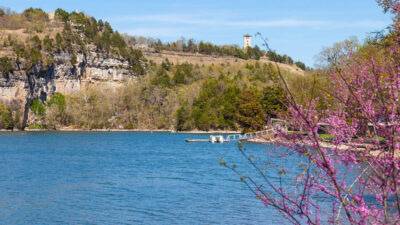
Pomme de Terre Lake is a 7,820-acre reservoir in southwest Missouri, about 50 miles north of Springfield. Its two main arms follow the Pomme de Terre River and Lindley Creek through wooded Ozark hills, creating points, coves, channel swings, flats, and submerged cover for several kinds of fishing. The lake is best known for largemouth bass, crappie, walleye, catfish, and one of Missouri’s distinctive muskie fisheries.
Pomme de Terre Lake Fishing Overview
Pomme de Terre is a strong choice for anglers who want variety rather than a single-species trip. Bass anglers can work rocky points, bluff transitions, creek channels, docks, and shallow cover. Crappie anglers often focus on brush, standing timber, and channel-related structure. Walleye, white bass, bluegill, and catfish add options when conditions change, while dedicated muskie anglers can target points, humps, and other high-percentage structure with appropriately heavy tackle.
The Missouri Department of Conservation’s Pomme de Terre fishing prospects are the best source for current survey observations and seasonal expectations. Those prospects are updated, while this page is designed as an evergreen planning guide. Always check the official report before relying on a specific bite, water condition, or population trend.
Where to Fish Pomme de Terre Lake
The lake’s two arms give anglers several productive patterns to explore. The Pomme de Terre River arm has river-channel structure, secondary points, and tributary mouths. The Lindley Creek arm provides coves, points, and cover leading toward the Pittsburg side. Rather than depending on one named “hot spot,” use seasonal fish movement and visible or mapped structure to choose an area.
- Points and channel swings: Good starting places for bass, walleye, and muskie, especially where deep water approaches a feeding shelf.
- Brush piles and submerged cover: Productive for crappie and bass. Missouri marks more than 30 fish attractors with green signs, and additional brush piles appear on the state’s interactive fishing map.
- Creek arms and protected coves: Useful during spawning movements and when wind makes the main lake uncomfortable.
- Docks and shoreline transitions: Shade, cover, and changes between rock, wood, and gravel can concentrate bass and panfish.
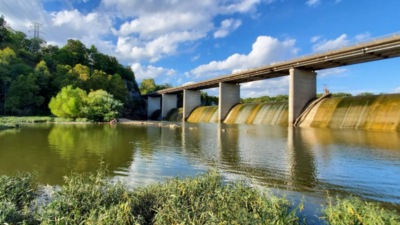
Boat access is available around the reservoir. The Missouri State Parks’ Pomme de Terre boating page lists ramps and recreation areas, including access at Bolivar Landing, Lightfoot, Nemo, Pittsburg, Wheatland, and below the dam at Outlet Park.
Primary Fish Species
Largemouth, Spotted, and Smallmouth Bass
Black bass are available throughout the lake. In spring, warming coves and protected banks can draw fish shallow. After spawning, anglers can follow bass toward points, brush, docks, and channel edges. In summer, early and late periods may offer a shallow bite, while deeper structure can be more consistent during bright conditions. Fall cooling often renews feeding activity around baitfish.
Common approaches include jigs, Texas-rigged soft plastics, crankbaits, spinnerbaits, and topwater lures. Match lure depth and speed to water temperature, clarity, and the position of forage rather than assuming one presentation works lakewide.
Crappie
Both black and white crappie support a popular fishery. In spring, look for fish moving into protected coves and toward spawning cover. Afterward, crappie often relate to brush, timber, and channel structure. Small jigs and live minnows are standard choices. Electronics can help locate suspended schools and prevent time spent on empty cover.
Muskie
Pomme de Terre is especially notable for muskie fishing. Missouri’s annual prospects identify June, September, and October as traditionally productive periods when water temperatures are favorable. Use heavy tackle, a steel leader, and a landing and release plan that minimizes handling time. Muskie fishing requires patience; a low encounter rate is normal even on a well-managed fishery.
Walleye, Catfish, and Other Species
Walleye can be found around points, humps, and channel-related structure, with low-light periods often worth attention. Channel and flathead catfish provide additional opportunity in coves, river-influenced areas, and near deeper cover. Bluegill and white bass can round out a family trip or provide an alternative when the primary target is inactive.
Best Times to Fish
- Spring: Fish move toward warming coves, tributaries, and spawning areas. Bass and crappie receive the most attention.
- Summer: Start early, fish late, and use deeper cover or structure during the brightest part of the day. Muskie activity can improve when water temperatures fall within a suitable range.
- Fall: Cooling water can concentrate baitfish and create strong bass, crappie, walleye, and muskie opportunities.
- Winter: Slower presentations around deep structure and cover are often more productive than covering water quickly.
Weather, lake level, water clarity, and recent temperature trends can shift these patterns. Check current conditions before launch and let electronics and observed bait activity guide the day.
Planning a Guided Fishing Trip
A local guide can shorten the learning curve on a two-arm reservoir and help match the day’s conditions to productive water. Guided trips may include tackle, safety equipment, and instruction, but inclusions vary. Confirm the target species, meeting point, trip length, and license requirements before booking. You can also review our Missouri fishing guides and general fishing tips while planning.
The recommended meeting location for this page is Pomme de Terre State Park, 23451 Park Entrance Road, Pittsburg, Missouri. The park has launch access on both the Pittsburg and Hermitage sides, and the Pittsburg side includes a marina. Your captain may choose a different ramp when wind, water level, or the intended fishing area makes another launch more practical.
Fishing Regulations and Safety
Length limits, daily limits, permits, and legal methods can change. Review the linked Missouri regulations before every trip and confirm lake-specific rules for each target species. Wear a properly fitted life jacket, monitor weather, carry navigation lights when required, and slow down around docks, ramps, swimmers, and other boats.
Pomme de Terre combines accessible facilities with varied fish habitat and a broad species mix. Anglers who arrive with a seasonal plan, verify current official information, and stay willing to change depth or presentation can make the most of a day on this Missouri reservoir.
Featured Post for Pomme de Terre Lake