 Private Charter

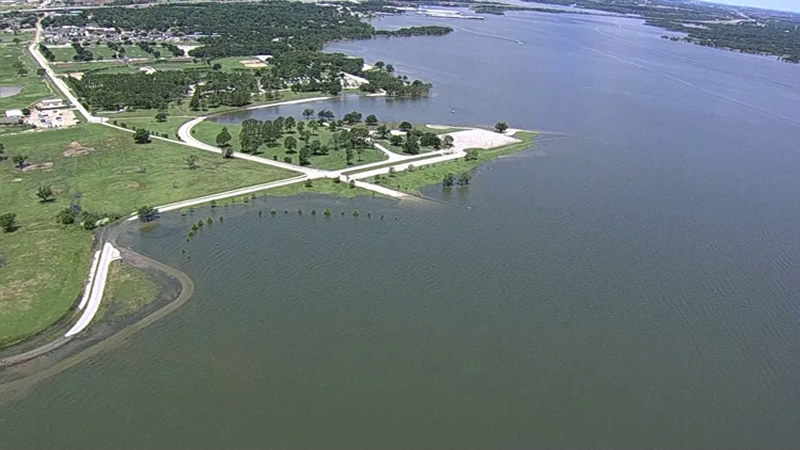
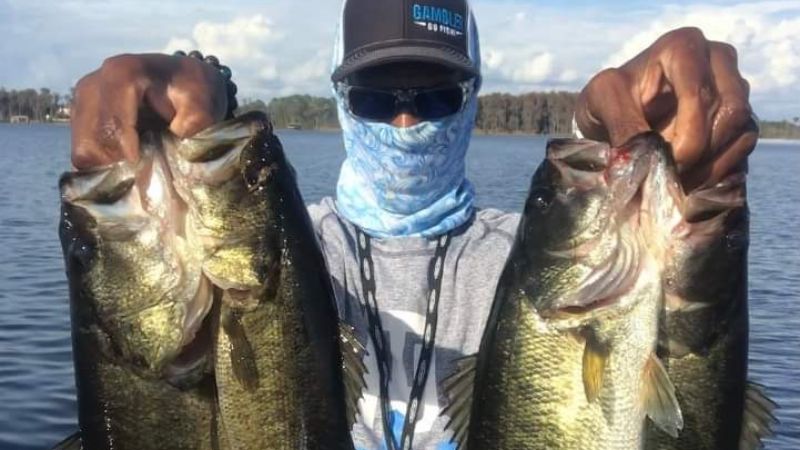
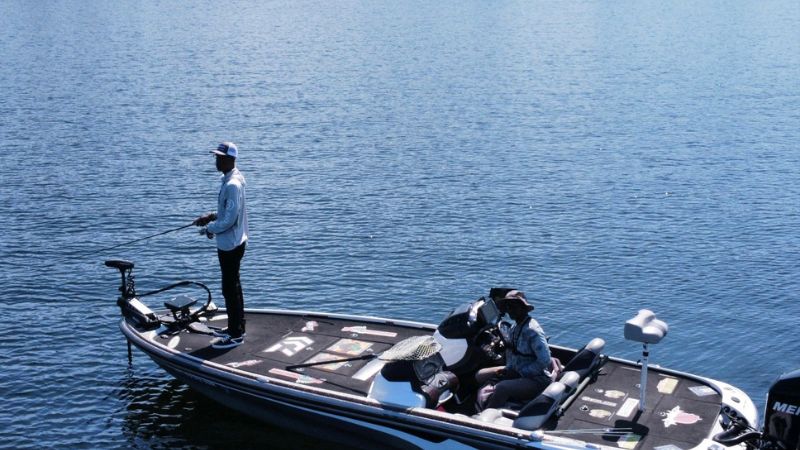
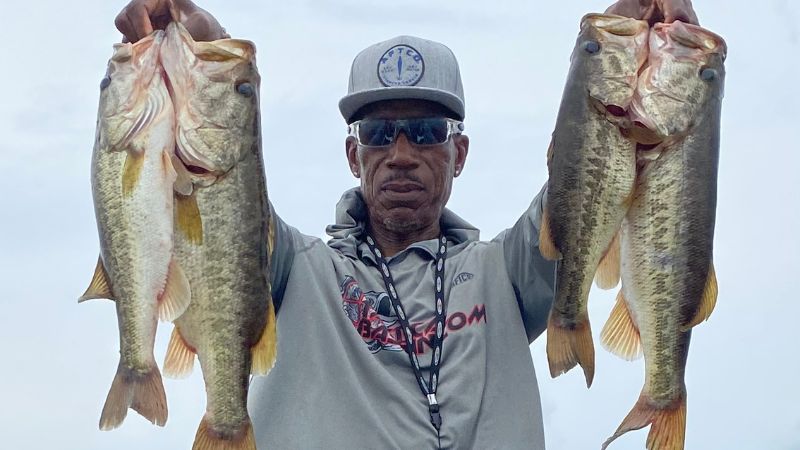
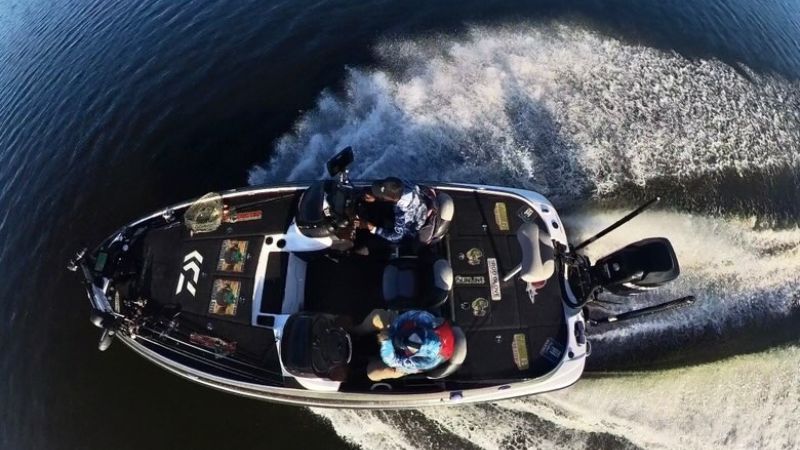
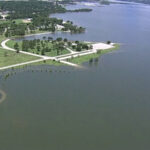
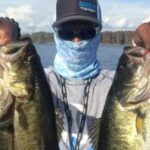
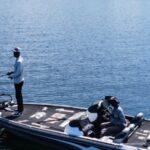
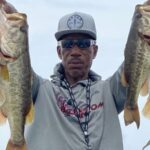
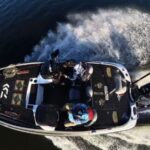

Lewisville Lake is a 29,592-acre reservoir on the Elm Fork of the Trinity River in Denton County, north of Dallas. Its mix of main-lake points, creek channels, rocky banks, coves, standing timber, and open-water forage supports a varied North Texas fishery. Anglers target largemouth bass, white bass, hybrid striped bass, crappie, blue catfish, and channel catfish throughout the year.
The Texas Parks and Wildlife Department’s Lewisville Reservoir profile lists a maximum depth of 67 feet and a conservation-pool elevation of 522 feet. Those depth changes matter: fish may move from shallow cover to creek-channel edges, points, humps, and deeper structure as water temperature, weather, and forage patterns change.
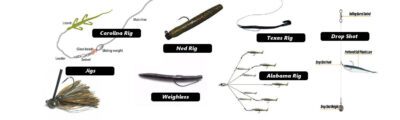
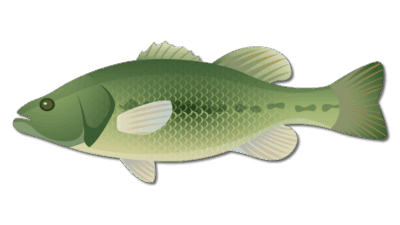
Largemouth bass anglers can begin around rocky points, shoreline cover, marina structure, creek mouths, and any available brush or timber. In spring, protected coves and warming banks attract fish preparing to spawn. After the spawn, bass often spread toward points and channel-related structure. During summer, an early topwater bite may give way to deeper presentations with soft plastics, crankbaits, or jigs. Fall can produce active fish around shad, while winter usually rewards slower, more deliberate fishing.
White bass and hybrid striped bass are important open-water targets. They frequently follow schools of baitfish, so birds, surface activity, sonar, and wind-blown points can help locate them. Casting spoons, swimbaits, slabs, or other baitfish imitations can be effective when fish are feeding high in the water column. When schools move deeper, vertical presentations may keep a lure in the strike zone longer.
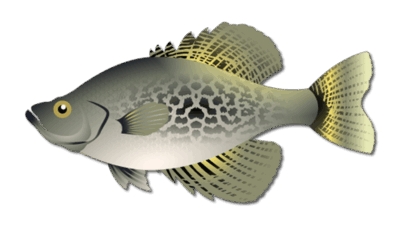
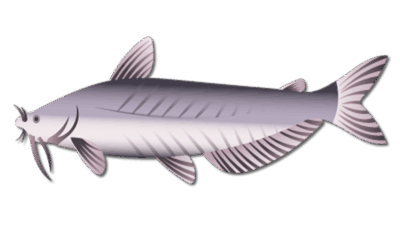
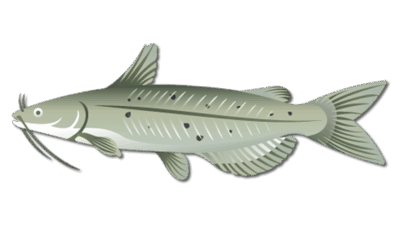
Crappie use brush, bridge-related structure, docks, and creek-channel cover. Catfish anglers work channels, flats, creek mouths, and wind-influenced areas with appropriate natural baits. Learn more about common targets in our guides to largemouth bass, hybrid striped bass, crappie, and channel catfish.
The best Lewisville Lake fishing spots change with the season and weather. Rather than relying on one permanent waypoint, look for combinations of structure and active forage. Main-lake points can concentrate bass and schooling fish. Creek-channel bends create depth transitions. Rocky shorelines warm quickly during favorable spring weather, while shaded docks and deeper cover become more important during bright summer conditions.
Wind can improve feeding activity by pushing plankton and baitfish toward a shoreline or point, but strong North Texas winds can also make open-water travel unsafe. Check the forecast and choose fishing areas that match the boat, experience level, and current conditions. Water levels can change the usefulness of ramps and the amount of cover available along the bank.
Lewisville Lake is managed by the U.S. Army Corps of Engineers. The Corps’ Lewisville Lake project information is a useful starting point for current recreation notices and facility planning. Launch conditions, park hours, fees, and temporary closures can change, so verify details with the facility operator before driving to a ramp.
The lake is heavily used by anglers and recreational boaters. Wear a life jacket while underway, maintain a safe speed, give other boats room, and watch for changing weather. Standing timber and shallow areas require extra attention away from established travel lanes. Anyone moving a boat between Texas waters should also follow current invasive-species rules, including water-draining requirements.
Texas statewide rules and waterbody-specific limits apply. The official TPWD fishing regulations for Lewisville provide current size and bag limits and note the reservoir’s zebra mussel status. Review those rules before keeping fish, because limits differ by species and regulations can change. Anglers should also carry the appropriate Texas fishing license unless an exemption applies.
Lewisville Lake offers a large-reservoir experience within the Dallas–Fort Worth area. Visitors can compare other regional options through our Dallas fishing guide and nearby Lake Ray Roberts fishing guide. Each lake has different structure, access, and species strengths, making current conditions an important part of trip selection.
A local captain can reduce the time needed to locate seasonal fish on nearly 30,000 acres of water. Guides track bait movement, productive depths, wind patterns, and safe routes, then select techniques for the target species and experience level. Whether the goal is largemouth bass, schooling hybrids, crappie, or catfish, confirm the trip focus and meeting point before booking so the captain can prepare the right tackle and plan.
| Species | Jan | Feb | Mar | Apr | May | Jun | Jul | Aug | Sep | Oct | Nov | Dec |
|---|---|---|---|---|---|---|---|---|---|---|---|---|
| Largemouth Bass | 🔥 Hot | 🔥 Hot | 🔥 Hot | 🔥 Hot | 🔥 Hot | |||||||
| Crappie | 🔥 Hot | 🔥 Hot | 🔥 Hot | 🔥 Hot |
No targeted species marked for Jan.
No targeted species marked for Feb.
No targeted species marked for Jun.
No targeted species marked for Jul.
No targeted species marked for Aug.
No targeted species marked for Sep.
No targeted species marked for Dec.