
Best Seller
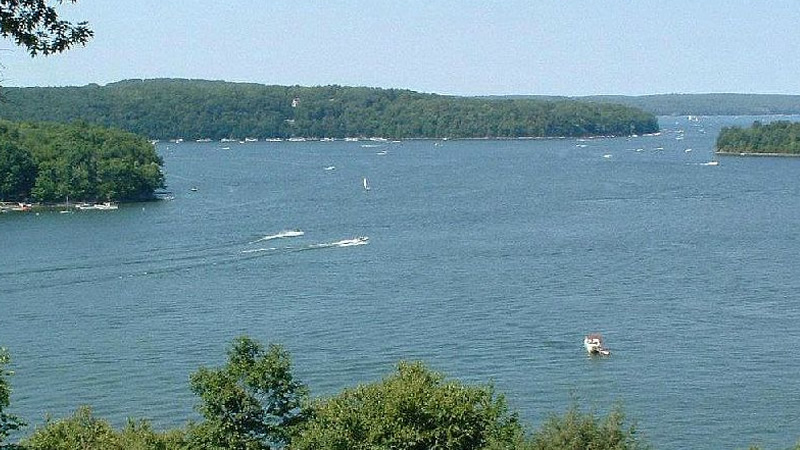
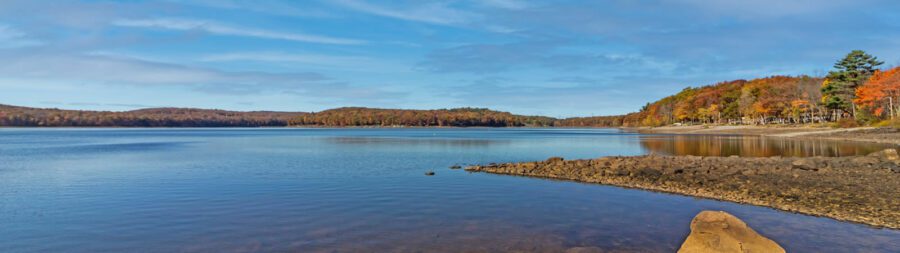
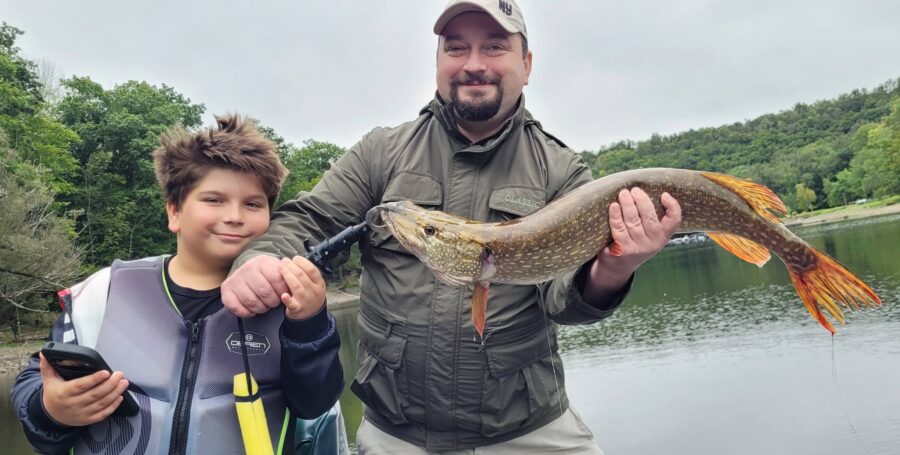
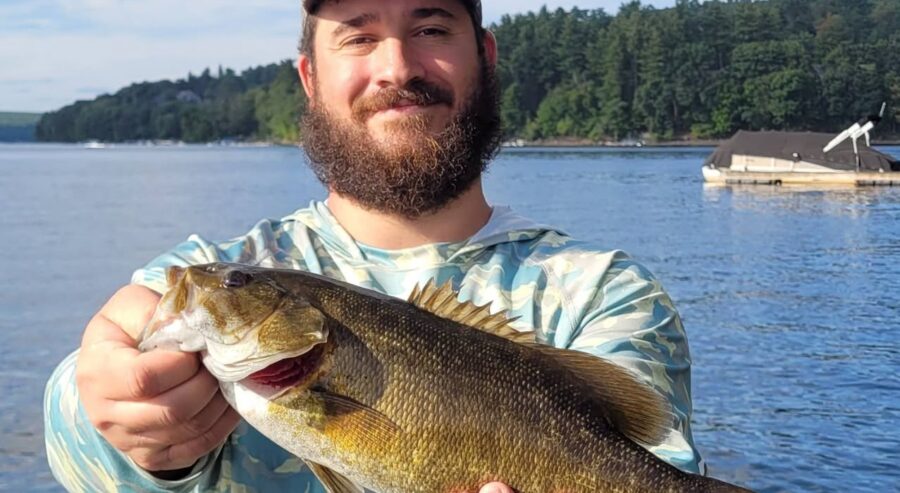
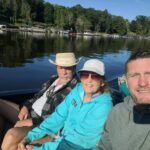

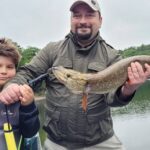
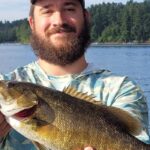
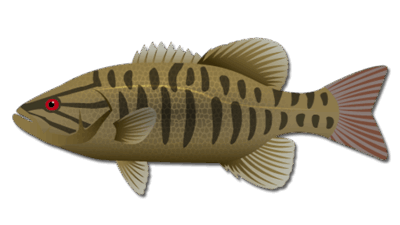
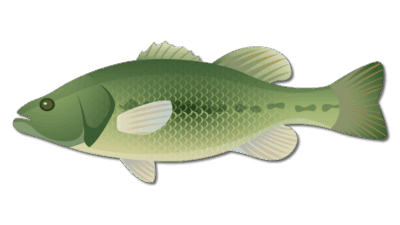
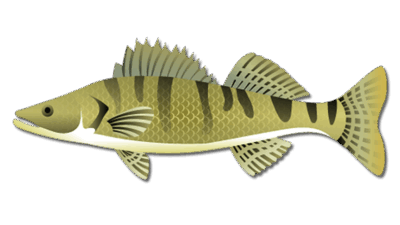
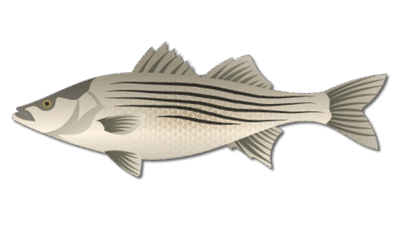
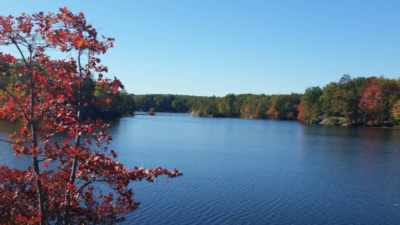
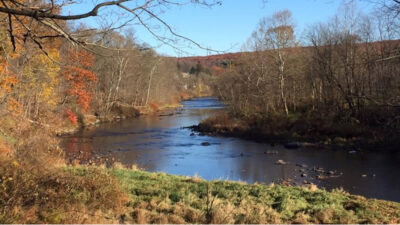
Lake Wallenpaupack is a 5,700-acre reservoir in Pennsylvania’s Pocono Mountains, spanning Pike and Wayne counties near Hawley. The lake stretches about 13 miles, reaches roughly 60 feet at its deepest point, and offers a mix of rocky shoreline, points, creek channels, submerged structure, and open-water habitat. That variety supports one of northeastern Pennsylvania’s most diverse warmwater and coolwater fisheries.
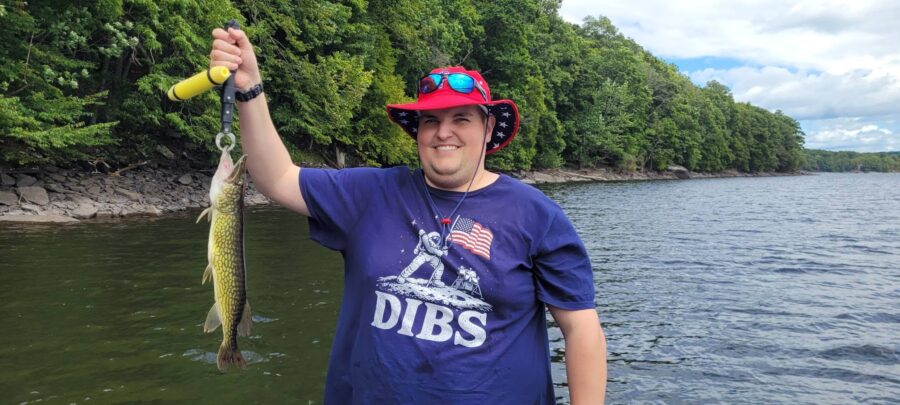
Anglers come to Lake Wallenpaupack for smallmouth bass, largemouth bass, striped bass, hybrid striped bass, walleye, yellow perch, pickerel, brown trout, channel catfish, and panfish. The Pennsylvania Fish and Boat Commission stocks striped bass, hybrid striped bass, walleye, and brown trout, adding dependable seasonal opportunities to the lake’s naturally reproducing fishery.
Wallenpaupack rewards anglers who adjust to changing depth, water temperature, forage movement, and boat traffic. Fish may hold close to rocky banks and points during spring, follow bait into deeper water during summer, and return to shallower feeding areas as the lake cools in fall. Electronics can shorten the search on this large reservoir, especially when bait and gamefish suspend away from the bank.
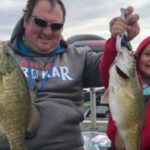
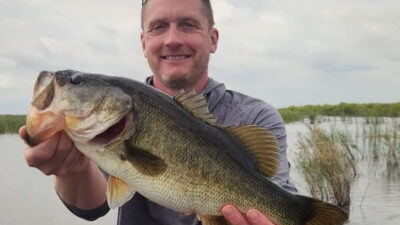
Smallmouth bass are one of the lake’s signature targets. Rocky points, broken-rock banks, ledges, and transitions between hard and soft bottom can all hold fish. Tubes, drop-shot rigs, jerkbaits, swimbaits, and natural-colored soft plastics are dependable options. Largemouth bass are more likely around protected coves, laydowns, docks, and available vegetation, where jigs, Texas-rigged plastics, spinnerbaits, and topwater lures can be effective.
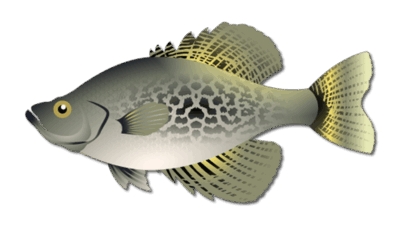
Striped bass and hybrid striped bass often relate to schools of alewife and other open-water forage. Trolling, live-bait presentations, and casting swimbaits around visible bait or marked fish can produce. Walleye commonly use points, channel edges, and deeper structure; low-light periods are especially valuable because these fish often move shallower to feed. Yellow perch, crappie, bluegill, and channel catfish provide additional options when bass or stripers are less active.
Spring is one of the strongest all-around periods. As the water warms, bass move toward staging areas, rocky shorelines, and protected spawning habitat. Jerkbaits, tubes, finesse plastics, and slowly worked swimbaits can cover the transition from cold water into the prespawn period. Walleye and striped bass also become more active, although anglers should always check current seasons, size limits, and harvest rules before fishing.
Summer brings recreational boat traffic and warmer surface temperatures. Early morning, evening, and overcast periods usually offer the most comfortable fishing and the best shallow opportunities. During brighter periods, concentrate on deeper points, channel edges, offshore structure, and suspended bait. A guide familiar with the lake can be particularly useful during summer because productive fish may be scattered across a large area.
Cooling water can concentrate forage and create another excellent fishing window. Bass feed along rocky structure and points, while striped bass and walleye may become more predictable around bait schools. Jerkbaits, crankbaits, swimbaits, jigging presentations, and live bait can all be effective depending on depth and conditions.
Fishing continues during the colder months, but conditions change quickly on a hydroelectric reservoir. Open-water anglers should monitor ramps, weather, and water levels. Ice fishing should be attempted only where access is permitted and ice thickness has been personally verified; no ice is completely safe.
Lake Wallenpaupack does not have one universal “best spot.” The productive zone changes with season, wind, light, forage, and water level. These area types provide a practical starting point:
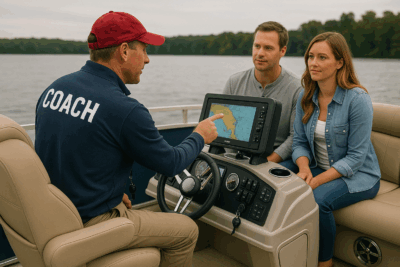
A Lake Wallenpaupack guide can help visiting anglers understand the reservoir’s changing patterns, safe navigation, productive depth ranges, and current presentations. Guided trips are useful for beginners, families, and experienced anglers who want to spend more time fishing and less time locating seasonal fish.
Browse available Lake Wallenpaupack fishing guides to compare trip options. Equipment and tackle are generally provided on guided charters; confirm what is included, the meeting location, and current availability when booking.
Most anglers age 16 and older need a valid Pennsylvania fishing license. Species seasons, minimum sizes, creel limits, and special rules can change, so review the current Pennsylvania fishing regulations before each trip. Bass have a spring no-harvest period, and walleye seasons include a closed period, making a current rules check essential even when catch-and-release fishing is planned.
Bass Online’s Pennsylvania fishing license guide explains resident and nonresident options and links anglers to the state’s official purchasing resources.
The Pennsylvania Fish and Boat Commission maintains the Mangan Cove access near Route 590 and Route 6. Brookfield Renewable operates additional access areas at Caffrey, Ironwood Point, Ledgedale, and Wilsonville; launch or camping fees may apply. The official Lake Wallenpaupack information page is the best source for current access, drawdown, and facility notices.
The lake has no general horsepower limit, but seasonal and nighttime speed restrictions apply. Wind can build quickly across open water, and changing reservoir levels may expose or conceal hazards. Carry required safety equipment, wear a life jacket in cold water, maintain a safe speed, and check weather and access conditions before launching.
Hawley anchors the northern end of the lake and is the most practical nearby city for lodging, dining, supplies, and trip planning. The surrounding Pocono Mountains also offer campgrounds, hiking, wildlife viewing, paddling, swimming, and boating. Public recreation areas around the reservoir include trails, campsites, launches, and shoreline access, although amenities and operating seasons vary.
For current visitor information, public recreation details, and local services, consult the Pocono Mountains Lake Wallenpaupack guide.
| Species | Jan | Feb | Mar | Apr | May | Jun | Jul | Aug | Sep | Oct | Nov | Dec |
|---|---|---|---|---|---|---|---|---|---|---|---|---|
| Smallmouth Bass | 🔥 Hot | 🔥 Hot | 🔥 Hot | 🔥 Hot | ||||||||
| Striped Bass | 🔥 Hot | 🔥 Hot | 🔥 Hot | 🔥 Hot | 🔥 Hot | |||||||
| Walleye | 🔥 Hot | 🔥 Hot | 🔥 Hot | 🔥 Hot |
No targeted species marked for Jan.
No targeted species marked for Feb.
No targeted species marked for Mar.
No targeted species marked for Apr.
No targeted species marked for Dec.