
Lake Toho fishing in February puts anglers in the heart of Central Florida’s winter-to-spring bass transition. Multiple waves of largemouth bass can move shallow to spawn, while changing wind, cloud cover and cold fronts may push fish back toward hydrilla, Kissimmee grass and nearby main-lake staging areas.
This page is an evergreen February planning guide. For today’s bite and the newest guide observations, use the current Lake Toho fishing reports. For ramps, habitat, year-round fishing information and trip planning, visit the Lake Toho fishing guide.
What Is Lake Toho Fishing Like in February?
February is one of Lake Toho’s most important spawning-season months. Historic guide trips repeatedly found waves of bass moving into shallow water, including larger females. At the same time, not every fish is on a bed. Many bass remain staged around submerged grass, main-lake hydrilla and the edges of Kissimmee grass until conditions are right to move shallower.
That makes February a month of movement. A warming period can bring fish toward spawning habitat quickly. A cold front, strong wind or cool cloudy morning can slow the shallow bite and make nearby grass or staging water more productive.
Best February Areas on Lake Toho
Submerged Hydrilla
Submerged hydrilla is one of the strongest recurring February patterns in historic Lake Toho guide reports. Bass use the grass as cover, a feeding area and a staging zone close to spawning habitat. When the bite is uncertain, productive hydrilla gives anglers a high-confidence place to begin.
Kissimmee Grass and Shallow Spawning Water
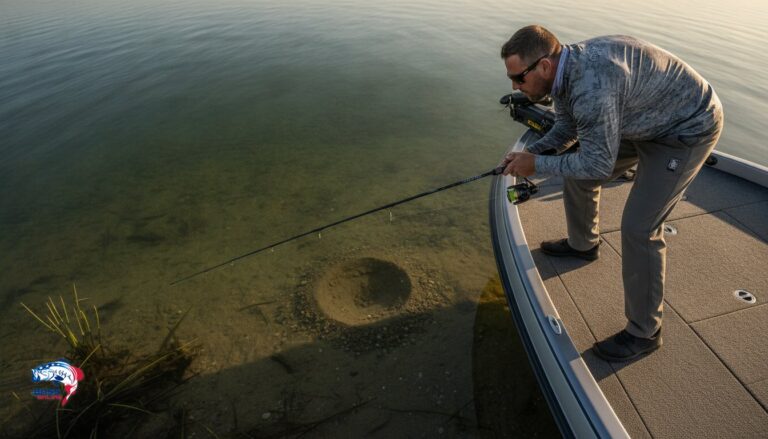
As spawning waves move in, shallow areas around Kissimmee grass become increasingly important. Larger females may slide into these areas when weather and water conditions line up, while males often occupy the shallows first.
Look at the entire grass system rather than only the bank. The inside edge, outside edge, pockets, points and nearby open-water grass can all hold bass during different parts of the same day.
Main-Lake Staging Areas
When a front makes the shallow bite inconsistent, bass may remain on the main lake around submerged vegetation instead of committing to spawning water. One older February guide report found wild shiners over submerged hydrilla near Kissimmee grass produced despite windy, cloudy and cool conditions.
Best Baits for Lake Toho in February
Wild Golden Shiners
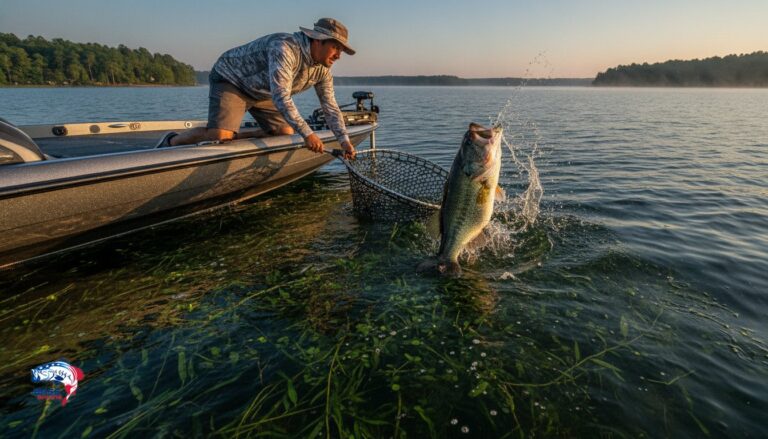
Historic February trips consistently show wild-caught golden shiners as one of the most dependable ways to catch both numbers and quality largemouth bass. They are especially effective when presented around submerged hydrilla, grass edges and known staging areas.
Live bait does not eliminate the need to read the lake. Where the shiner is presented still matters. Productive grass, depth changes, wind direction and nearby spawning habitat can make the difference between waiting on a bite and staying around active fish.
Artificial Lures
Artificial lures remain a strong option for anglers who want to actively search. Lake Toho’s grass makes soft plastics, spinnerbaits, lipless crankbaits and other vegetation-friendly presentations useful tools. Match the lure to the fish’s position: faster moving baits when bass are active, and slower presentations when a front or fishing pressure reduces aggression.
How Cold Fronts Affect February Bass
Cold fronts do not mean the fishing is over, but they can change where the bass sit and how aggressively they feed. Historic February reports recorded slower action during combinations of wind, cloud cover and cooler morning temperatures.
When that happens, avoid forcing the previous day’s shallow pattern. Work outward through the same system: spawning cover, grass pockets, outside hydrilla edges and nearby main-lake vegetation. Slowing the presentation or using live shiners in high-confidence areas can help when reaction bites become less consistent.
February Spawn and Trophy Bass Opportunity
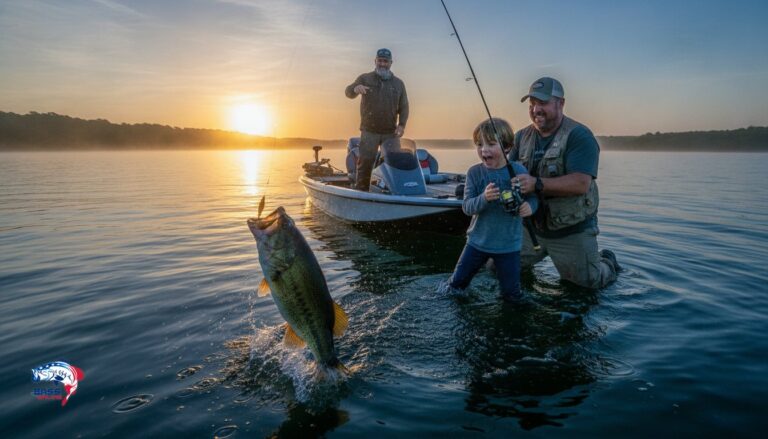
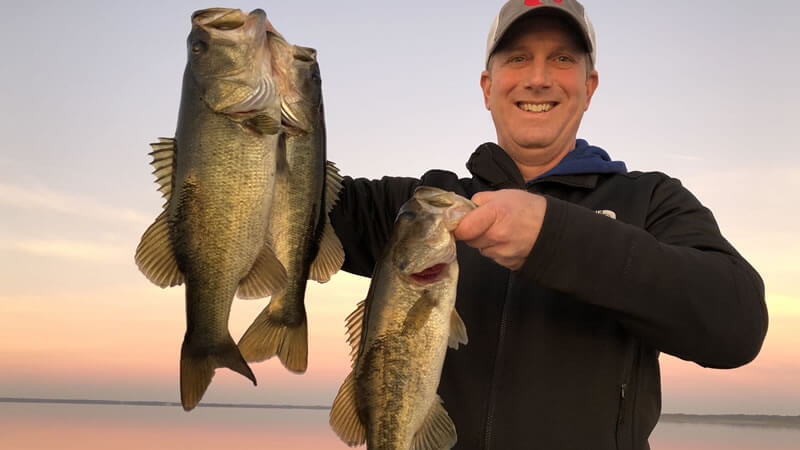
February can provide a legitimate opportunity for trophy largemouth because larger females are feeding, staging and moving into spawning areas. Historical guide trips during this period included quality female bass and consistent action around productive grass.
Handle spawning fish carefully. Keep photos quick, support larger bass properly and return them to the water as soon as possible. Protecting mature females helps preserve the trophy potential that makes Lake Toho famous.
For a broader big-fish strategy covering every season, see our Lake Toho trophy bass fishing guide.
January vs. February on Lake Toho
January is often a stronger transition month, with fish moving between pre-spawn staging areas and early spawning habitat. February generally brings more consistent spawning activity, although fronts can still push fish away from the bank.
If you are deciding between the two months, use our Lake Toho fishing in January guide to compare the earlier seasonal pattern.
Planning a February Lake Toho Fishing Trip
Lake Toho is located in Kissimmee near Orlando’s major attractions, making it easy to fit a fishing trip into a Central Florida vacation. February weather can change quickly, so layered clothing and light rain protection are useful even when the afternoon forecast looks warm.
If you want help matching the day’s weather to the correct grass, depth and presentation, compare current Lake Toho fishing guides. Travelers staying nearby can also use our Kissimmee fishing page.
February Lake Toho Fishing FAQs
Is February a good month to fish Lake Toho?
Yes. February is an important spawning-season month and can offer excellent opportunities for both numbers and trophy largemouth bass.
What is the best bait for Lake Toho in February?
Wild golden shiners are one of the most consistently productive February choices in historic guide reports. Artificial lures can also produce around hydrilla and Kissimmee grass when matched to the fish’s activity level.
Where are Lake Toho bass in February?
Look for a mix of shallow spawning habitat, Kissimmee grass, submerged hydrilla and nearby main-lake staging areas. Weather determines how far fish move between those zones.
What should I do after a February cold front?
Move methodically from shallow cover toward outside grass and main-lake vegetation. Slow down when necessary and focus on productive grass rather than assuming the bass have stopped feeding.
Where is the current Lake Toho fishing report?
Visit the Lake Toho Fishing Reports hub for current conditions. This page focuses on recurring February patterns and seasonal planning.