
Panfish is an informal North American angling term for relatively small freshwater fish commonly caught on light tackle. It is not a scientific family, a legal size class, or a rule that every fish must fit in a frying pan. Bluegill, crappie, pumpkinseed, redear sunfish and yellow perch are among the species most often called panfish, but the exact list changes by region.
Published: June 11, 2022 | Updated: September 9, 2026
Table of Contents
What Does Panfish Mean?
The word describes a group of fish from an angler’s point of view, not a branch of biological classification. Most panfish are modest in size, abundant where they occur and approachable with simple equipment. The old cooking-pan explanation helps explain the name, but it is not a dependable identification test. A small bass does not suddenly become a panfish because it fits in cookware, and a trophy bluegill does not stop being one because it is unusually large.
Local usage matters. An angler in the Southeast may use bream for several sunfish species. In the Upper Midwest, yellow perch may be central to a panfish conversation. In Florida, black crappie are commonly called speckled perch or specks. When regulations or harvest are involved, identify the actual species instead of relying on the broad nickname.
Common Panfish Species
The most familiar panfish come from several fish families. That is why a single body shape, color pattern or scientific label cannot define the whole group.
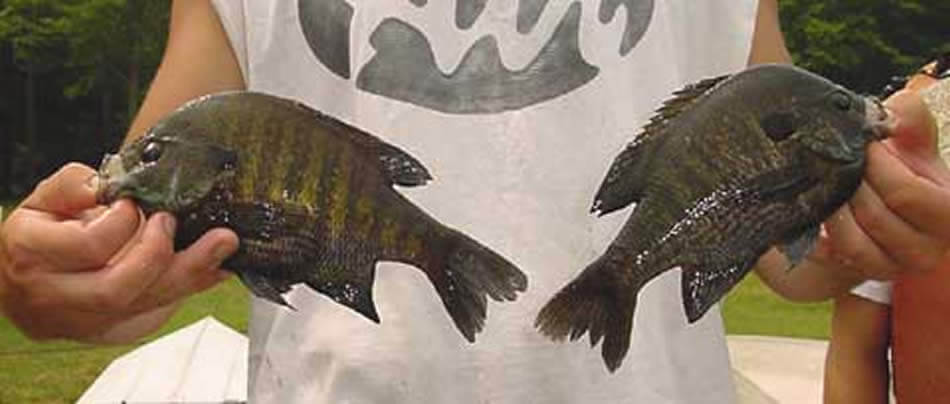
- Bluegill: a widespread, deep-bodied sunfish with a small mouth and a dark flap on the gill cover. The U.S. Fish and Wildlife Service bluegill profile notes that the species is also called bream, brim, sunny or copper nose in some areas.
- Crappie: black crappie and white crappie are popular schooling panfish. Anglers often target them with minnows and small jigs.
- Other sunfish: pumpkinseed, redear sunfish, redbreast sunfish, green sunfish, warmouth and related species are commonly included.
- Perch: yellow perch are widely treated as panfish, especially in northern waters. White perch may also be grouped with panfish locally even though it belongs to a different family.
- Regional species: rock bass, flier and other small freshwater sport fish may be called panfish in the regions where anglers commonly pursue them.
A useful list should clarify common usage, not pretend the category has hard borders. Species such as creek chubs, baitfish, carp and northern pike are not normally what anglers mean when they discuss panfishing. Always use a state wildlife agency’s identification and regulation pages when the exact species matters.
Panfish vs. Sunfish
Sunfish has a precise biological meaning in North America: it refers to members of the Centrarchidae family. That family includes familiar panfish such as bluegill and crappie, but it also includes largemouth and smallmouth bass. Panfish, by contrast, is an informal fishing category. The two groups overlap, but they are not synonyms.
This explains a common source of confusion. Most bluegill are both sunfish and panfish. Largemouth bass are sunfish scientifically, but anglers normally do not call them panfish. Yellow perch can be panfish in ordinary fishing language, but they are not members of the sunfish family.
Are Crappie Panfish?
Yes. Black crappie and white crappie are among the best-known panfish. They are members of the sunfish family and are often targeted as food and sport fish with light spinning tackle. In Florida, black crappie are also called speckled perch or specks, and their strongest seasonal fisheries generally occur in winter and spring according to the Florida Fish and Wildlife Conservation Commission.
Crappie often suspend or school around vegetation, timber, drop-offs and baitfish. Their thin mouths reward a smooth lift or gentle hookset rather than a hard bass-style sweep. For a deeper technique guide, see how to fish for crappie.
Are Bass, Trout or Perch Panfish?
Are bass panfish?
Usually no. Largemouth, smallmouth and other black bass are members of the sunfish family, but anglers treat them as a separate sport-fish group. Juvenile size does not change that convention.
Are trout panfish?
Usually no. Trout are normally discussed as trout or game fish, not panfish. A small trout fitting in a skillet is not a useful reason to reclassify it.
Are perch panfish?
Often yes. Yellow perch are widely called panfish, while the word perch is also used informally for unrelated species in some regions. Confirm the species before applying a fishing rule.
How to Identify a Panfish
You cannot identify a fish as a panfish from size alone. First identify its species, then decide whether anglers in that region normally include it in the panfish group.
- Body shape: many sunfish are deep-bodied and laterally compressed, while crappie have a larger mouth and a more silvery, mottled appearance.
- Gill-cover markings: bluegill and related sunfish often have a distinct dark opercular flap, but color and edge markings vary by species.
- Fins and pattern: crappie identification depends on dorsal spines and the arrangement of dark markings, not simply whether the fish looks silver.
- Location: a state fish-identification guide narrows the possibilities and helps separate native, introduced and look-alike species.
Photographs, habitat and local names are helpful clues, but harvest decisions should never rest on a nickname. If you are uncertain, release the fish carefully and consult the wildlife agency for that water.
How to Catch Panfish
Panfish are excellent light-tackle targets because the basic setup is simple and the bites teach useful skills. A 4- to 8-pound line, a small hook or jig, and a sensitive spinning or spincast rod cover many situations. Worms, crickets, small minnows and compact artificial lures are common choices.
Start shallow, then follow the fish
During stable warm periods, look near weeds, docks, brush, laydowns and shade. Spawning sunfish may gather on shallow beds, while crappie frequently move between shallow cover and deeper suspended schools as conditions change. If the shallows are quiet, work the next drop-off or cover edge rather than assuming the fish are absent.
Match bait size to the mouth
Small hooks and compact offerings produce more natural presentations for bluegill and other small-mouthed species. Use enough weight to control the bait, but keep the rig responsive. A float is useful for holding bait above vegetation and for showing subtle bites.
Handle the catch carefully
Wet your hands, support the fish, avoid squeezing its body and remove the hook promptly. If keeping fish is legal, place them on ice and follow the applicable daily bag, size and waterbody rules.
Why Panfish Are Popular
Panfish can be accessible from a bank, pier or small boat, and many waters hold multiple species. That makes them useful for teaching casting, bite detection, fish identification and safe handling. They can also be challenging: large bluegill and suspended crappie often demand careful depth control, quiet approaches and small adjustments in color or speed.
They are not automatic catches, and a full basket is never guaranteed. Weather, water clarity, forage, spawning stage and fishing pressure all matter. The appeal is the combination of variety, light tackle and the chance to learn patterns quickly.
Panfish Questions Answered
Is panfish one species?
No. Panfish is a broad angling term applied to several freshwater species. It has no single scientific classification.
Do all panfish fit in a frying pan?
No. The name has a food-fishing history, but cookware is not a biological or legal test. Some trophy panfish grow larger than an ordinary pan.
Is bream the same as panfish?
Sometimes in regional speech. In much of the southeastern United States, bream commonly refers to bluegill and related sunfish. Elsewhere, the word may refer to different fish, so species names are clearer.
Where can I learn about Florida panfish?
See our separate Florida panfishing guide for species, seasons, techniques, destinations and current regulation links. That page owns Florida-specific fishing intent; this guide remains the national definition and species resource.

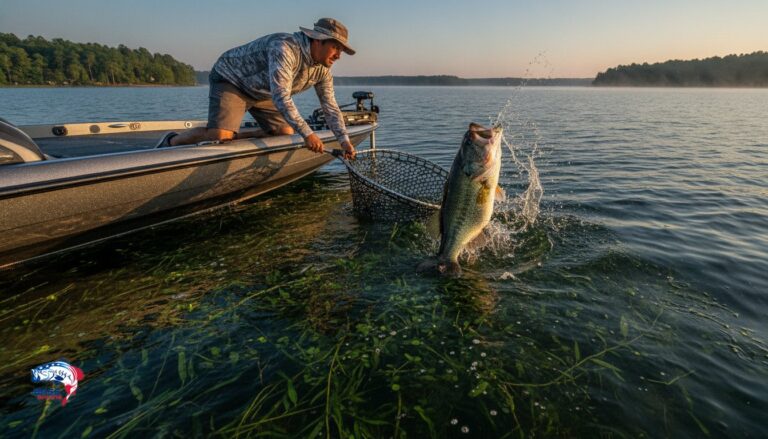
Lake thom-a-lex in Lexington in north carolina is a shallow lake consisting of 640 acres. Few laydowns, little grass at shallow water. The bottom is flat muddy water. Most times, the clarity of the water is 3 yo 12 inches. Low boat traffic. I’ve used mostly crank baits, spinnerbaits and jigs. I have fished this lake many times. A good day is 3 bass. How can I increase the numbers.
Well, it sounds like a great place, but it may not be what you are doing or not doing. It may be the production for that lake is 3 per day, because there are not that many fish. Keep fishing, and keep trying new things!
PAN FISH IS ONE OF THE BEST FISH THAT I LOVE TO EAT AND CATCH.
TROUBLE IS… WHERE IS THE BEST PLACE IN RHODE ISLAND TO CATCH THEM.
This is the same obstacle that many anglers face, as not many fish and wildlife agencies stock Bluegill any longer.
Hi Frederick, have you considered looking into private ponds? While not as common in New England, there are still some folks out there who will let you fish in their private ponds or lakes.
As compense for access to their ponds, I always try to give the pond’s owner two or three of my good catches so they can have a fine dinner as well. Mutual respect to good people who have the heart to share is how we stay civilized.