
Morning Trip
Verified upcoming fishing trips are available for Lake Apopka. View the available trip option below.
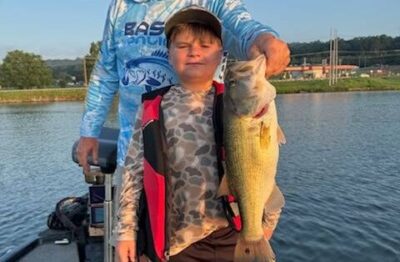
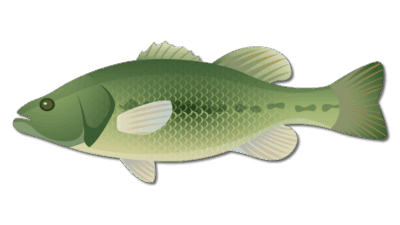
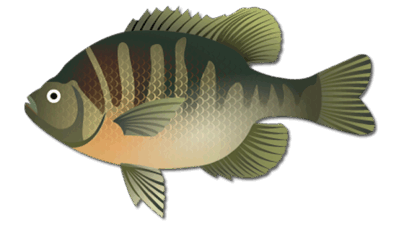
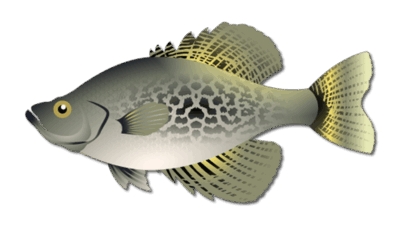
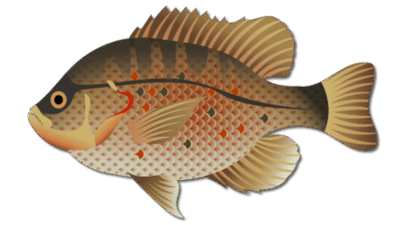
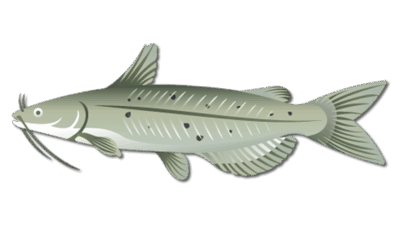
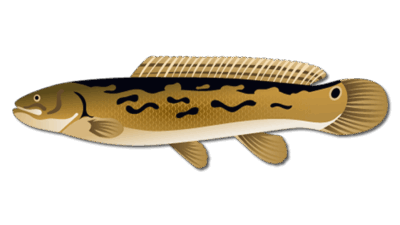
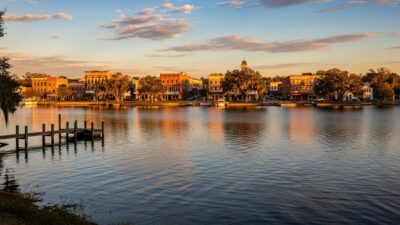
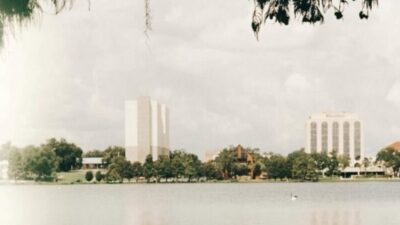
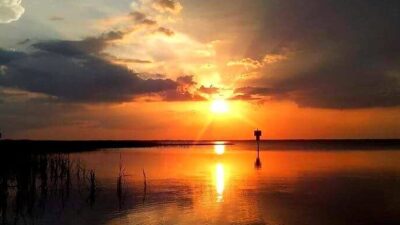
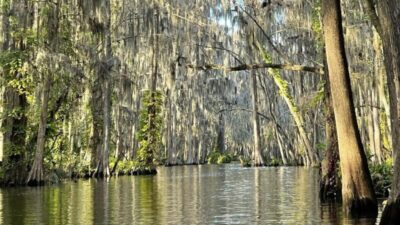


Lake Apopka lies northwest of Orlando in Orange and Lake counties and forms the headwaters of the Harris Chain of Lakes. Once known nationally for trophy largemouth bass, the lake suffered decades of habitat and water-quality damage. Long-term restoration has changed that story. The St. Johns River Water Management District reports major improvements in phosphorus levels, water clarity, shoreline vegetation, and fish activity since restoration began.
Lake Apopka is again a legitimate bass-fishing destination, but it should be approached as a recovering, shallow Florida lake rather than compared with a perfectly clear reservoir. Conditions can vary with wind, rainfall, temperature, and vegetation. Anglers should check current access information before launching and use the latest official guidance when planning a trip.
Largemouth bass are the primary sport-fishing draw. Bluegill, redear sunfish, black crappie, and other species found throughout the Harris Chain can also be present. Bass anglers should focus on healthy vegetation, shade, bait activity, protected pockets, canal edges, and changes in bottom composition.
Lake Apopka is part of a much larger connected fishery. The Florida Fish and Wildlife Conservation Commission’s Harris Chain forecast is the best official starting point for current regional fishing guidance, access notes, and seasonal patterns.
During warmer months, begin early or fish the final hours of daylight. Topwater lures, soft-plastic frogs, and weedless presentations can cover shallow vegetation before the sun rises. As light and water temperature increase, slow down around shade, outside vegetation edges, shell, and deeper structure. A Texas-rigged worm or other compact soft plastic is useful when fish stop chasing.
Cloud cover, wind, and cooler water can extend the moving-bait window. Spinnerbaits, swim jigs, vibrating jigs, and weedless swimbaits help anglers locate active fish. Once a productive stretch is found, follow with a slower presentation to work the area thoroughly. Water color and cover should determine lure color, weight, and retrieve speed.
Live wild shiners can also be effective when presented near cover and adjusted as the day warms. Always follow current FWC freshwater fishing regulations.
Newton Park in Winter Garden provides one of the lake’s recognized public access areas and includes shore and pier fishing opportunities. Because restoration and access projects can affect launch conditions, confirm the latest information before towing a boat. Other access points around the connected system may serve different portions of the fishery.
Anglers without a boat can review our bank-fishing guide for practical ways to cover shoreline structure safely and efficiently.
Lake Apopka’s recovery is an ongoing public restoration project. According to SJRWMD, a 2024 survey found native submerged aquatic vegetation along about 95 percent of the shoreline. By March 2026, phosphorus concentrations had declined by 66 percent and water clarity had improved by 52 percent compared with conditions in the late 1980s. The district also reports renewed fish activity and the return of bass tournaments.
The restoration includes the 760-acre Marsh Flow-Way, which filters a substantial portion of the lake each year, along with extensive shoreline planting and habitat work. Stocking has also supported the recovery. Our historical article explains the verified 2016 Lake Apopka bass-stocking milestone and corrects an older projection with FWC’s final stocking total.
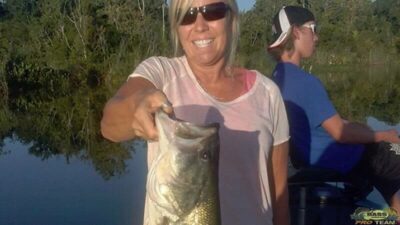
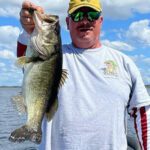
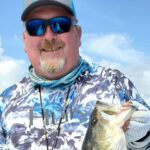
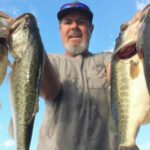
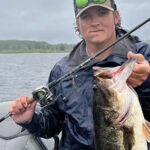
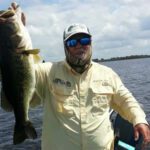
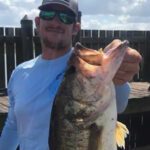
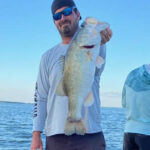
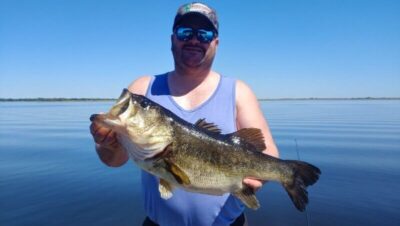
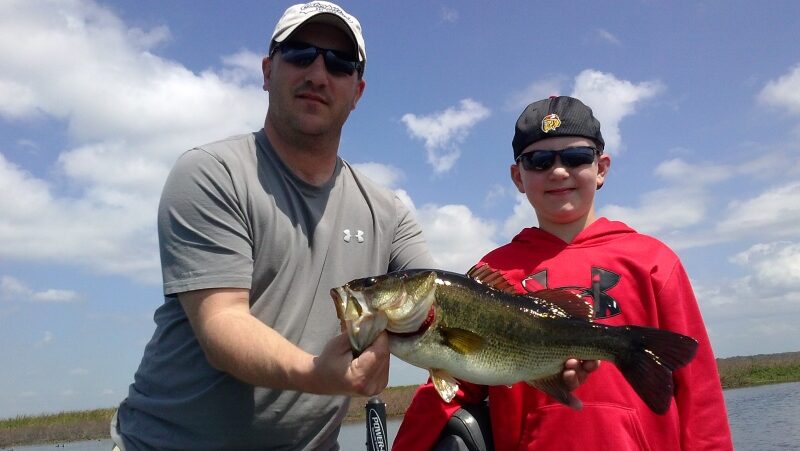
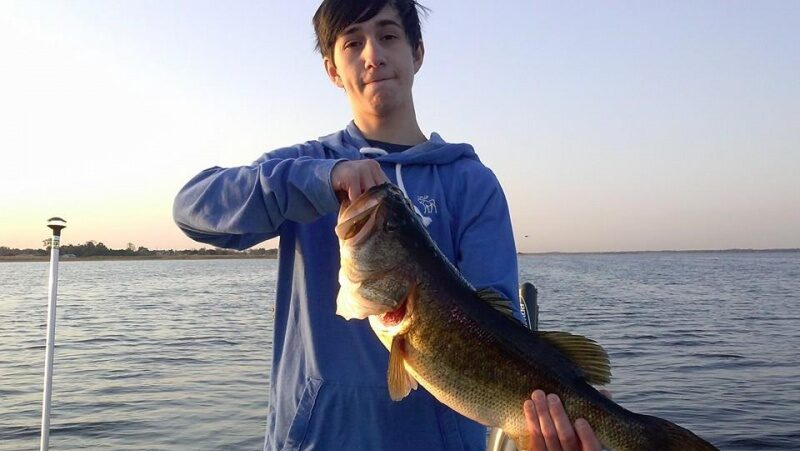
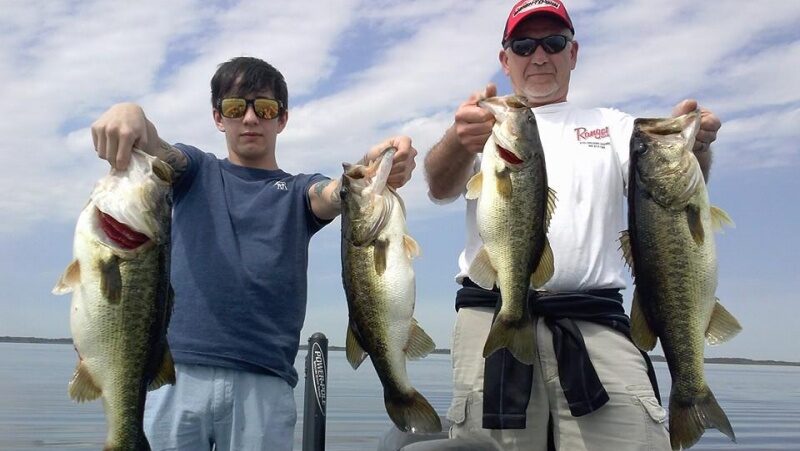
One August four-hour guide trip produced 12 to 13 largemouth bass. The largest fish weighed just over five pounds, and another exceeded four pounds. Live bait beneath corks generated steady action early, while rising heat and stronger sunlight made the bite more demanding later in the trip. This field note is historical rather than a current fishing report, but it illustrates a durable summer lesson: capitalize on the low-light period, then adjust depth, cover, and presentation as conditions change.
For dated trip reports and restoration coverage, visit the Lake Apopka fishing reports archive.
Start with the official FWC forecast and SJRWMD restoration update, then match the day’s weather and water conditions to a flexible fishing plan. If you prefer local help, review our guide to choosing a fishing charter or see available Lake Apopka fishing guides. A professional guide can help with access, seasonal positioning, tackle selection, and time on the water.