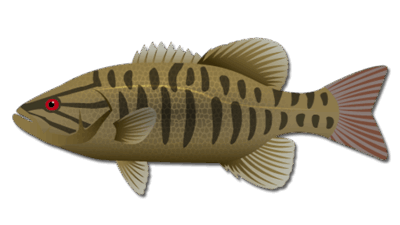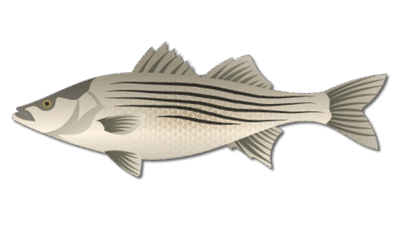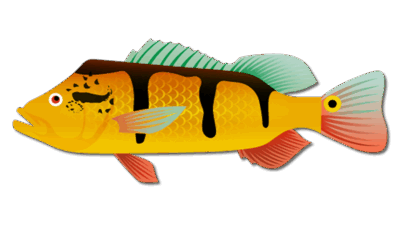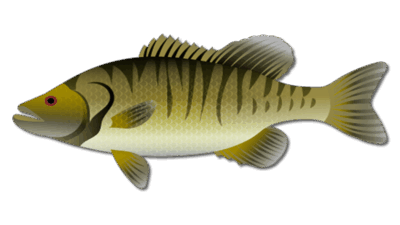



















Other Names: Black Bass, Trophy Bass, Lineside Bass, Green Trout, Bigmouth Bass : Micropterus Salmoides
The Largemouth Bass is the United States’ most popular species to catch, and for great reasons. This green fish provides an action-packed fight and can grow to healthy sizes, especially in the state of Florida. On average, the bigmouth bass grows 4-8 inches during its first year of life, up to 14 inches in its second, and up to 18+ inches in three years.
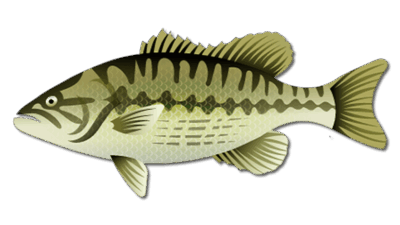
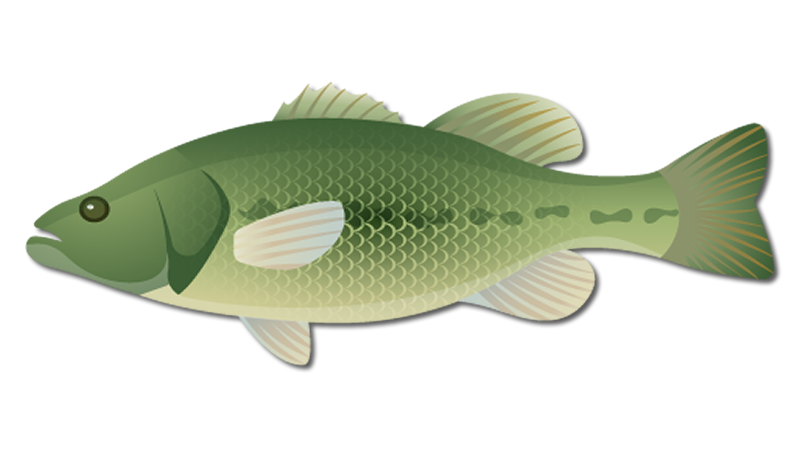
A key characteristic of this species is that they are generally light to dark green in color. Dark blotches form in a horizontal line on both sides of the fish. The underbelly is generally light green to white. Largemouth bass has a divided dorsal fin with the anterior containing nine spines and the posterior containing 12-13 soft rays. Their upper jaw also reaches far beyond the rear margin of the eye.
Florida and Texas rank as the TOP Destinations to explore and catch trophy largemouth bass in the United States!
FEEDING PATTERNS + HABITAT:
Each location and destination across the United States will have different forage for bass of all sizes. Most juvenile largemouth bass consume mainly small insects, scuds, baitfish, and shrimp. As the bass matures, it will consume larger prey. This includes shad, bluegill, crawfish, snails, snakes, frogs, small water birds, baby alligators, and lizards. Larger lakes and reservoirs across the country, with deeper water, provide largemouth bass with a diet mainly consisting of younger fish. These fish include shad, yellow perch, shiners, sunfish, and more. They will even consume trout, walleye, striped bass, and catfish.
Speed and Accuracy
Bass can devour a population of baitfish rather quickly. Lakes and fisheries with more vegetation and weeded cover provide a balanced ecosystem. It will also slow down the growth rate of the black bass. When looking to ambush prey, bass will often shelter in submerged structures, including drop-offs, weed beds, points, humps, and ridges. Brush and overhanging banks are other significant areas of focus. The black bass uses vibration, hearing, sight, and smell to seize its prey.
You can find bass in rivers, streams, lakes, and ponds worldwide. They prefer non-flowing water with an abundance of vegetation. Clean and clear water also attracts more fish to its location. The Largemouth Bass is their habitat’s ultimate predator, but they can be preyed upon when younger!
LARGEMOUTH BASS SPAWN:
When it comes to the largemouth bass spawn, you can break it down into Pre-Spawn, Spawn, and Post-Spawn. All these spawning patterns are indicative of water temperatures. The sweet spot for most regions is around 55-65 degrees Fahrenheit. Once the temperatures reach this point, the bass will begin to spawn.
Male largemouth will prep the bed for the female bass. Once the female bass moves into shallow water to lay her eggs, the male will stand guard for a period. The male does most of the work, making sure that their young are safe.
When and Where?
Spawning areas are significantly noticeable when you know what you are looking at. Large or small circles with white centers are indicative of a spawning bed. If it is empty, that bed is not active. During the peak of the year, you can generally find active and non-active areas of bedding.
Spawning for largemouth bass can occur multiple times a year, especially if weather conditions are stable. It is important to maintain a conservation angling mindset when looking to target bedding fish.
FISHING FOR BASS:
Fishing for largemouth bass is one of the most exciting forms of freshwater fishing. Hard-fights and big bass are what keep anglers coming back for more, especially on Lake Okeechobee. Also, they become airborne in their efforts to spit the hook. Hard-fights, aerobatic movements, and trophy catch potential make largemouth the number one game fish. All across the world, from Stockton, CA, to Orlando, FL, and beyond, you can have a blast catching this fish, which comes in all sizes and habitats. Just like its predecessor, the smallmouth bass is an additional catch to explore in the northern region of the United States!
ARTIFICIAL BAIT FISHING
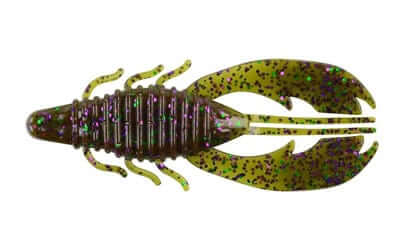
Most anglers choose to fish for bass with artificial lures. The most common lure of choice is a soft-plastic worm or creature bait. Also, anglers have a blast catching bass on jigs, crankbaits, and spinnerbaits. Swimbaits and swim jigs have also become a very popular method to hunt down trophy largemouth bass, especially in Florida. Artificial fishing for largemouth bass can catch bass all summer long, which keeps you addicted to bass fishing all across the nation and world. Quick and easy access to a wide range of waterways allows you to explore and catch largemouth bass all year round!
LIVE BAIT FISHING
When it comes to live bait fishing for largemouth bass, you have several options. Live bait, including minnows, frogs, crawfish, nightcrawlers, and earthworms, can be very productive in catching bass. One of the most common techniques to catch bass in Florida with live bait is the use of Golden Shiners. By far, it is one of the best ways to put trophy largemouth bass in the boat. Shiners, frogs, lizards, baby water birds, and bait fish are all common forage for black bass.
WHERE CAN YOU FISH FOR BASS:
The black bass is the state of Florida’s top game fish for recreational freshwater anglers. Bass in Florida reach trophy proportions and are caught year-round. A trophy largemouth bass is one in the 8+ pound range. You can find largemouth in rivers and lakes near underwater structures and vegetation. Florida is home to some of the best bass fishing!
Lobina Negra is the Spanish name for the largemouth bass. A member of the Centrarchidae family, or sunfish, known as lobinas in Mexico. You can find bass in rivers, lakes, streams, and ponds of the freshwater systems of Mexico. Most of the lakes that produce trophy largemouth bass are stocked with Florida-strain bass!
In Texas, you can find two strains of bass: the Micropterus salmoides salmoides (native) and the Micropterus salmoides floridanus (Florida strain). Just like Florida, the black bass is highly sought after in Texas, and their conservation efforts definitely support it. Texas bass fishing is a great way to adventure and explore what this state has to offer!
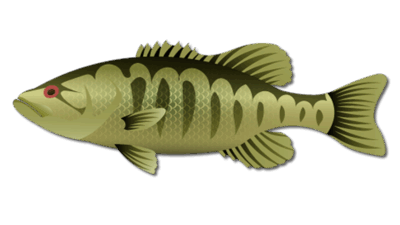
California has always been ranked as a TOP destination to catch largemouth bass in trophy proportions. Fishing for bass has provided numerous economic and recreational values to the state, and cities like Sacramento. You can catch a wide variety of species of bass in California, including Spotted bass and Smallmouth Bass!
FREQUENTLY ASKED QUESTIONS:
Largemouth bass, a versatile and delicious fish, offers a delightful texture and minimal bones. Unsure of how to prepare it? While frying with a choice batter is a popular option, grilling also provides a delightful flavor while minimizing indoor odors. Explore a variety of mouthwatering recipes to elevate your bass dining experience. When it comes to catching the elusive largemouth bass, having the right lures can make all the difference. Our expert anglers have put together a selection of top-notch lures that are sure to entice even the most cautious bass.
From crankbaits to swimbaits, we’ve got you covered with the best lures for your next bass fishing adventure. Largemouth bass are known for their voracious appetite and can be enticed by a variety of flies. Whether it’s a classic woolly bugger or a meticulously tied popper, the thrill of watching a bass strike a fly is unmatched. With our expert tips and tricks, you’ll be reeling in trophy-sized bass in no time.
The largemouth bass is very popular to eat and very edible. Largemouth bass are easily accessible around the world and provide tasty table food you’ll not forget. The largemouth bass has white, flaky meat with a tender texture. In different parts of the world and even different parts of the United States, the bass tastes completely different. However, the taste of a largemouth bass will vary based on the water it inhabits.
Its smell is on the fishy side; again, this is based on the water temperature the bass lives in. For example, locations in the South where the water becomes warm, such as the Florida Everglades in southern Florida. The largemouth tastes completely different in the Summer versus the Winter. Most summertime largemouth bass get worms, more as parasites. Why anglers still eat them in the summer, these parasites make the fish smaller and less gamey than it normally is, and the meat will also have less texture during this time.
The good news is that bass overall has a good texture and fewer bones than most fish, leaving you with more meat. Overwhelmed with how to prepare it, the most popular way to cook it is to fry it with a batter of your choice. Grilling is always a good option, as it cuts down on the smell in the house. However, beware that the fish cooks quickly. There are many other recipes here are a few of our favorites.
Largemouth bass fishing is an adventure that takes you from the clear waters of California to the lush lakes of Florida. The best times to fish for these elusive creatures are in the early morning and late afternoon, when they are most active. To catch the big one, you’ll need the right equipment, such as a sturdy rod, quality line, and a variety of lures to entice the bass. Whether you’re casting your line in the sprawling lakes of the Midwest or the hidden coves of the South, the thrill of largemouth bass fishing is an experience like no other.
If you’re interested in how to fish for crappie, click here for more info.
What do largemouth bass eat? If you are a largemouth, smallmouth, or spotted bass, you eat anything that doesn’t try to eat you. This is good to know if you want to catch a bass, because with so many food choices, finding their favorite foods is sometimes not as easy as finding the local bait.
Numerous studies on the internet examine the stomach contents of bass to gain a deeper understanding of their eating habits. The Florida Fish and Wildlife Commission is among the leaders in this department, considering the biggest and best largemouth bass come from the Florida strain. They concluded that not only can you determine what the largemouth bass eats, but as with humans, it determines the health of the individual bass.
Even without biologists, we know that the diet of the bass is going to be based on the species of bait that live in the waters. Whether the body of water is stocked with shad, herring, trout, or alewives, or it has a natural supply of shad, shiners, or crawfish. In most lakes, they don’t have enough food to grow trophy size. This is why fisheries with a large supply of bait typically have larger fish in the area.
This is why we know that bass also eat what foods are available at the given time. This could include other insects, crayfish, frogs, lizards, snakes, or other small fish, all of which are common prey for active bass of 1 to 3 pounds in size. Larger bass even feed on baby birds, big bluegills, crappie, and ducks for dinner. It’s also not uncommon for larger bass to eat smaller bass if they feel it is necessary. Survival is the name of the game in the wild.
A lot of the diet is also determined by how hard they have to work for it. So if it swims in front of their mouths, it may have just moved up the food change for that day. Largemouth bass, in particular, choose their meals based on their size. As they grow, so does the size of their attacks. This is also very true with Alligators; it’s easier to hunt and eat one big meal.
An example of this is the largemouth bass in California, which often eats rainbow trout that are 8 to 12 inches long. In Florida, it’s not uncommon to find big largemouth bass with 10 to 12-inch gizzard shad in their mouths. Again, to properly understand the bass, you must understand that the same bass with a 10″ shad in its stomach will have tiny grass shrimp, and minnows as proof that bass will eat what is nearby when they get hungry.
A condense around the country, by lure sales. If there were one choice for bass, it would be a threadfin shad. You can find them in bass stomachs all across the country; they are easier to catch, easier to digest. Which means they can eat more of them.
Bass don’t eat plants and don’t need nutrition from plant matter. They are meat-eaters only!
As the largest guide service in the nation for largemouth bass, we have developed data that there are two basic patterns of bass in every body of water. And when we’re expanding to new areas, we start with the easy group first—known as a resident fish.
Resident bass live in an area all year long; before and after they spawn, they never leave. These areas could be a main-lake point, grass flats, or the back of a creek. Most local marinas have resident bass under docks and laydowns. For the most part, they rarely leave their comfort zone for deeper waters and are very protective of their territory.
They have enough food to eat locally, and there’s generally a place to spawn nearby. They are also protected from bigger predators. They have grown there, and the habitat suits them, and they don’t desire anything else to survive.
The majority of anglers start by fishing for resident fish without realizing it. That’s why once you stumble across an area, you can catch fish every time you go back. Targeting these fish is an excellent way to enjoy bass fishing and guarantee consistent success. They’ll give you enough action that every recreational angler will have fun.
The problem for most anglers is that the resident fish aren’t always the biggest, and if there is a limited number compared to the family of fish living on the lake.
This second group is the largest population on most bodies of water; lakes like Okeechobee have an overwhelming majority of roamers. These fish live to eat; they don’t really live anywhere. They roam in pairs and schools chasing baitfish, shad, shiners, or crayfish. The only exception is during the spawning months. That’s why a cover can go from no fish to spawning fish everywhere in one day. These are main lake fish, typically lighter in color than a resident fish.
Roamers don’t live in the deeper water or the shallow; they tend to travel where the bait goes and the group. These fish you catch are really good today, but they’ll be gone tomorrow. But you can pattern these fish over time and with history. For example, you know how the fish school every summer on the point and there for two weeks? The way to pattern roamers to understand where they go and consequently build a month-by-month pattern of their migration.
In almost all cases, fish are going to be bigger and fight harder than the resident bass. Simply because they eat more and exercise every day, we have no idea why this happens; we just can say we have been going from lake to lake for over 20 years, learning the patterns as a business, and this is what the data shows as the results we get on our guided trips.
Think about this when fishing your favorite local lake; it works, and we hope it does for you!
MORE INFORMATION ABOUT LARGEMOUTH BASS:
Fun Facts:
- Bass can eat prey up to 35% of their body length
- Average life span is 10-16 years
- Two world-record bass were caught and declared a tie, weighing 22 22-pounds, 4 ounces.
- Largemouth bass use scent mainly to attack and ambush prey
- Females can lay a large number of eggs, between 2,000-40,000 eggs
Records:
- World: 22-pounds, 4-ounce on Lake Montgomery in 1932
- Florida: 17-pounds, 4-ounces on a private lake, 1986
- Texas: 18-pounds, 2.8 ounces on Lake Fork, 1992
- California: 21-pounds, 12 ounces on Lake Castaic, 1991