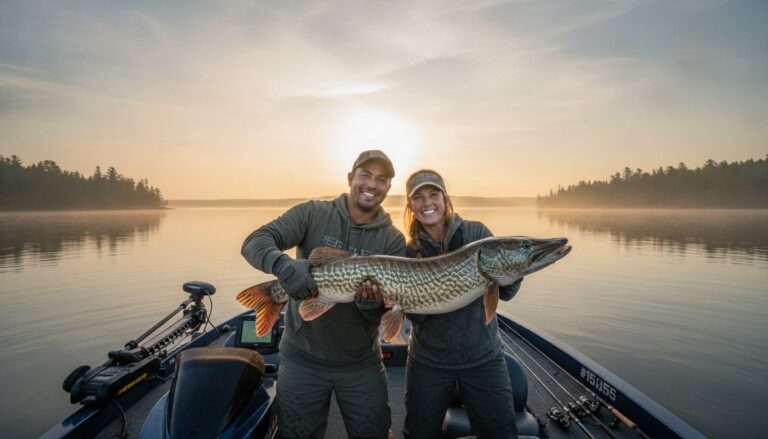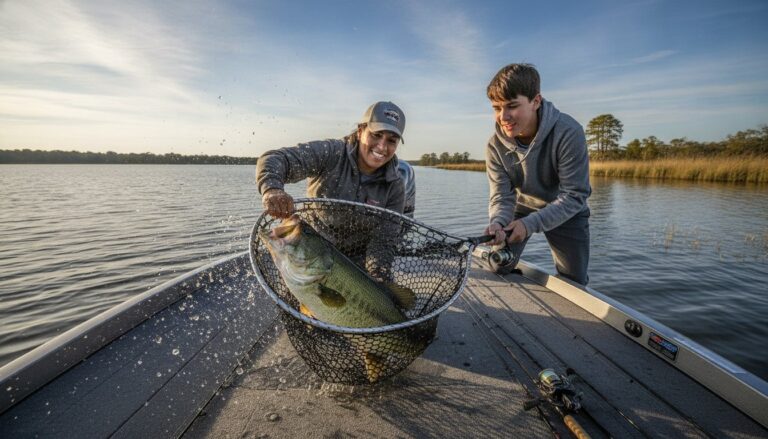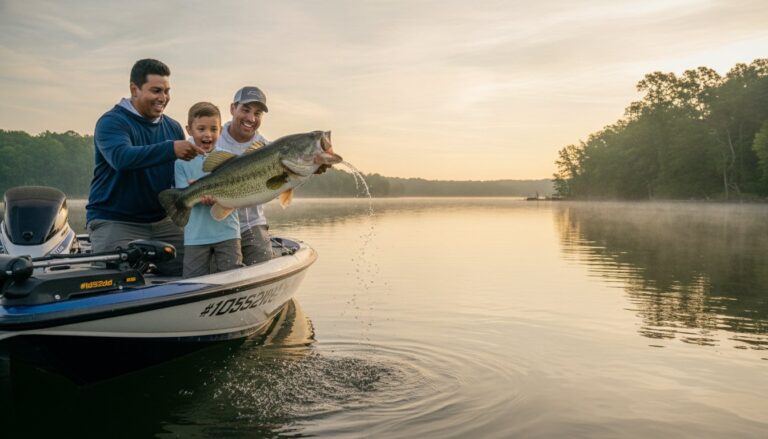
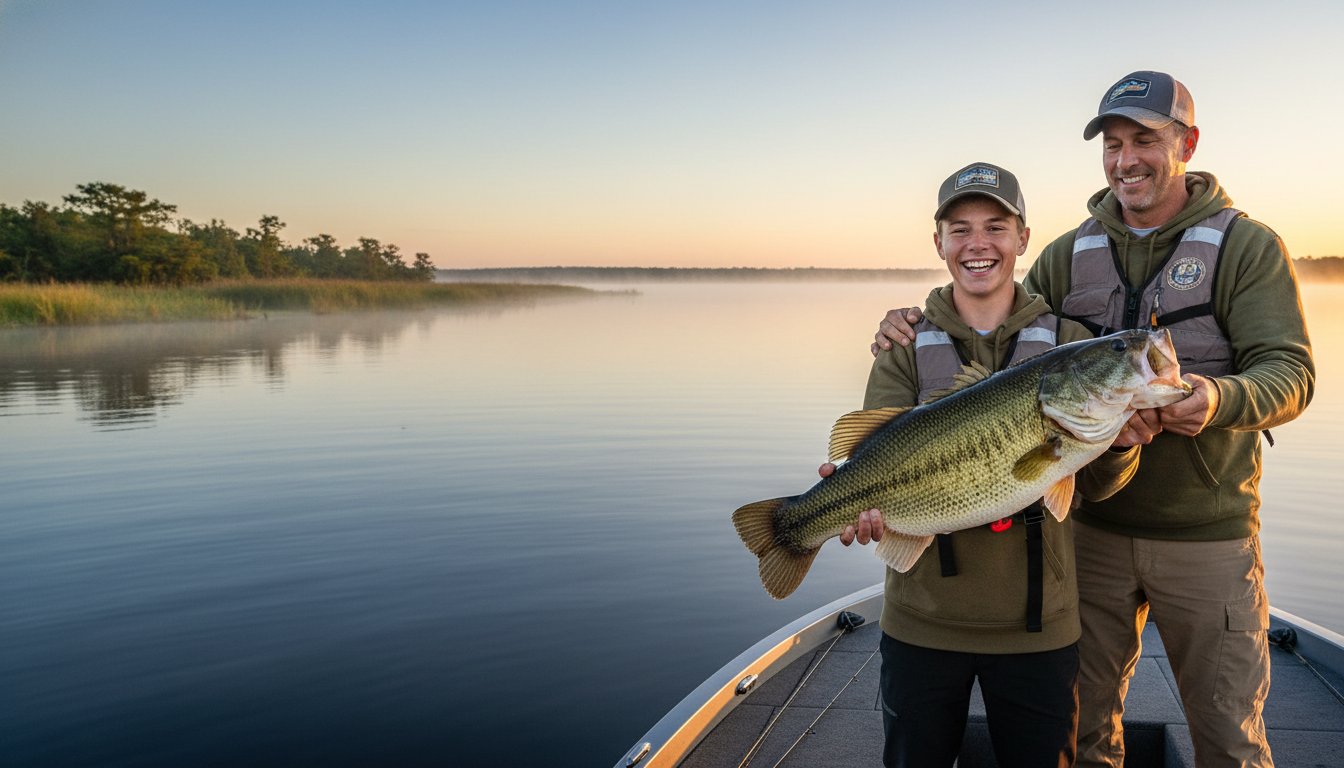

Imagine standing on the deck of a bass boat at sunrise, watching your son scroll through his phone while you silently pray the engine start isn’t the only highlight of the day. You’ve spent weeks planning a father son fishing trip, but the pressure of finding the honey hole and keeping a teenager engaged for eight hours is starting to sink in. Most dads worry about the "skunk" or picking the wrong lake for the season, and honestly, that’s a valid concern when you’re hunting for trophy memories.
I get it. You want this expedition to be about more than just casting lines; you want it to be a legendary success where the bond happens naturally between the bites. I’ve put together this professional guide to help you master the logistics and gear needed to turn a stressful weekend into a high-octane adventure. Think of this as your guide-level "cheat code" to landing that hero shot fish and walking away with the skills of a seasoned pro.
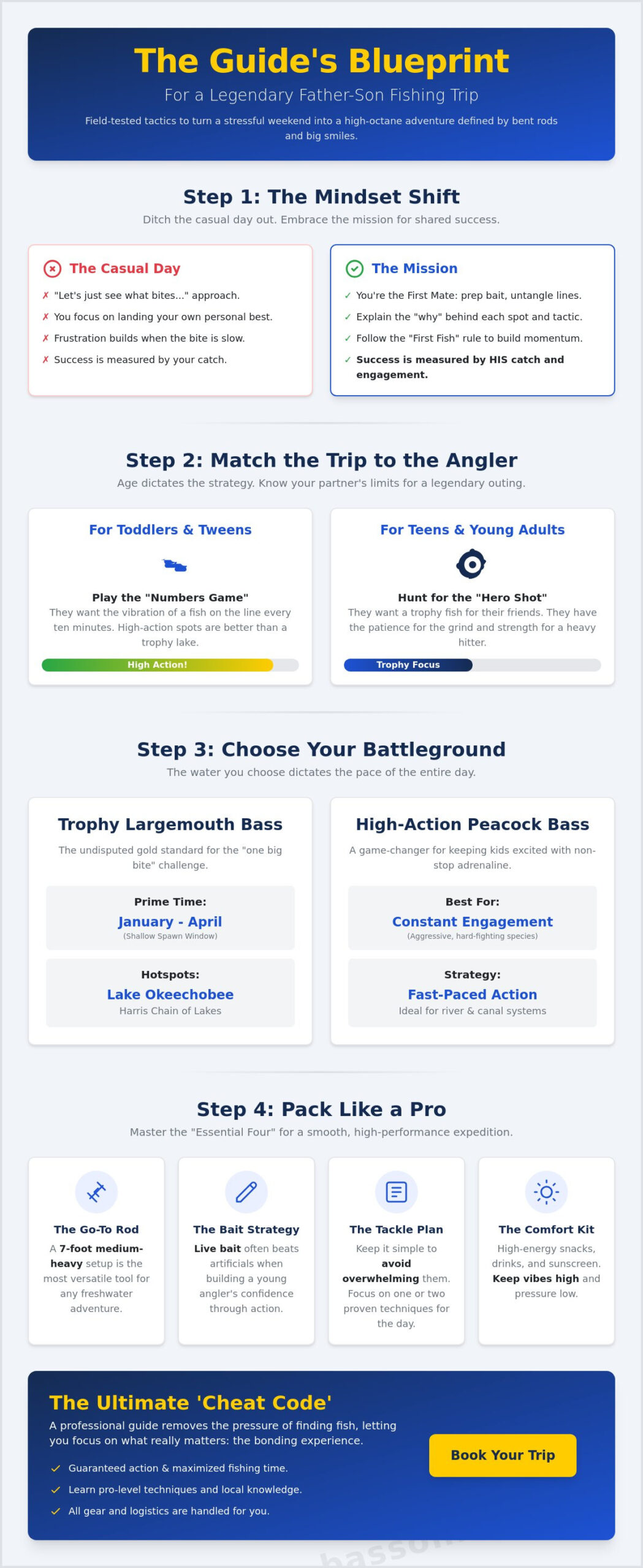
We’re covering everything from seasonal patterns at hotspots like Lake Okeechobee to the specific tackle that maximizes your action-per-hour. Get ready to dive into the field-tested tactics that ensure your next trip is defined by bent rods and big smiles rather than frustration.
Key Takeaways
- Shift your mindset from a casual day on the water to a mission focused on shared success and high-action engagement.
- Learn why species selection, like targeting aggressive Peacock Bass, is a game-changer when planning a father son fishing trip to keep kids excited.
- Discover why playing the “numbers game” with live bait often beats hunting for a single trophy when building a young angler’s confidence.
- Master the “Essential Four” packing list and why a 7-foot medium-heavy rod setup is the most versatile tool for any freshwater expedition.
- Understand how booking a professional guide removes the stress of finding fish, allowing you to focus entirely on the bonding experience.
Table of Contents
The Blueprint for a Legendary Father-Son Fishing Expedition
A legendary trip isn’t just a day away from the house. It’s a calculated operation. When you’re planning a father son fishing trip, the goal is to move beyond the casual "let’s see what bites" approach. A planned expedition has a clear target, a strategy, and a professional mindset. It’s the difference between a frustrating afternoon and a memory that gets talked about for decades at the dinner table.
The biggest hurdle isn’t the weather or the gear; it’s your own head. You have to shift from "my fishing" to "our success." If you spend the day trying to land your own personal best while your son struggles with a bird’s nest in his reel, you’ve already lost the mission. Success is measured by the weight of his bag, not yours. I always tell dads to follow the "First Fish" rule. The first 30 minutes of recreational fishing usually dictate the mood for the next six hours. If you get a bend in the rod early, the momentum carries you through the midday lull. If it’s slow from the jump, engagement drops fast.
Establishing the Right Mindset
You’re the First Mate today, not the Captain. Your job is to prep the bait, untangle the lines, and spot the cover. When things get quiet, don’t just sit in silence. This is the time to explain the "why" behind the spot. Talk about why the fish are holding on that specific ledge or weed line. It keeps them focused on the hunt even when the livewell is empty. Effective planning a father son fishing trip requires you to be an encouraging coach. If the action dies down, pivot to a new tactic or take a break for a high-energy snack. Keep the vibes high and the pressure low.
Matching the Trip to the Age
Age dictates the strategy. For toddlers and tweens, it’s a numbers game. They don’t care about the size; they want the vibration of a fish on the line every ten minutes. High-action spots with plenty of small fish are better than a trophy lake where you might only get two bites all day. You want them to associate the water with constant excitement.
For teens and young adults, the mission changes. They want the "hero shot" for their friends. This is when you target trophy-sized Largemouth Bass. They have the patience for the grind and the strength to handle a heavy hitter. Adjust the ruggedness too. A ten-year-old needs a padded seat and plenty of shade; a twenty-year-old wants to stay on the water until the sun goes down. Knowing your partner’s limits is the secret to a legendary outing.
Takeaway: A legendary expedition succeeds when you prioritize your son’s engagement over your own catch, matching the target species to his specific age and patience level.
Choosing Your Battleground: Species and Water Types
Picking the right battleground is the first high-stakes decision you’ll make. When planning a father son fishing trip, the water you choose dictates the pace of the entire day. You need to weigh the "classic" hunt against high-action alternatives. Largemouth Bass remain the definitive American challenge, but if you want non-stop adrenaline, don’t overlook the Peacock Bass. Successful planning a father son fishing trip means matching the environment to your son’s personality. Some kids love the quiet of a remote lake, while others need the fast-paced action of a river or canal system to stay locked in.
Lakes offer vast structures like submerged grass lines and lily pads, while rivers introduce currents that keep fish active and predictable. Current is a guide’s best friend. It positions fish in specific ambush points, making it much easier for you to show your son exactly where to cast. However, "when" you go is often more critical than "where" you go. A legendary lake in the dead of a cold front is a ghost town. You want to time your expedition with seasonal peaks, like the spring spawn or the summer topwater bite, to ensure the rods stay bent and the "skunk" stays far away from the boat.
Targeting Trophy Largemouth
Florida bass fishing is the undisputed gold standard, but California, Texas, Alabama, and others are also excellent destinations. These are home to bucket-list waters like Lake Okeechobee, Headwaters Lake, Clear Lake, Lake Fork , and Guntersville Lake , where the potential for a double-digit fish is a real-world possibility. The seasonal window from January through April is prime time for trophy hunting because the big females move shallow to spawn. If your son is ready for the "one big bite" challenge, this is your play. For more foundational advice on trip prep, you can check out family fishing tips from experts to ensure you’ve got the basics covered before hitting the big water.
The Peacock Bass Alternative
If you’re worried about keeping a younger angler engaged, the Peacock Bass is your secret weapon. These fish don’t just bite; they explode. They are incredibly aggressive and thrive in the urban canal systems of Miami and the Everglades. The best part is the visual element. You can often see the fish cruise the shoreline before they strike, making the experience much more immersive for a kid who might get bored staring at a bobber. It’s high-energy, colorful, and perfect for building that early passion for the sport. If you’re unsure which species best fits your schedule, you can reach out to a local guide for a real-time report on what’s biting.
Takeaway: Match the species to the angler’s patience level by choosing high-action Peacock Bass for younger kids and reserving trophy Largemouth hunts for older sons who can handle the grind.
The Pro Strategy: Keeping the Action High
Action is the antidote to boredom. When you’re planning a father son fishing trip, your biggest enemy isn’t the "skunk"; it’s the silence between bites. Professional guides know that keeping the rod bent is more important than hunting for a single trophy when a younger angler is on board. I call this the "Numbers Game." Catching 15 or 20 smaller bass will build more excitement and skill than grinding out eight hours for one "hero shot" fish. If the action slows down, you have to be willing to rotate tactics or move spots before frustration sets in. My rule is simple: if we don’t have a bite in 20 minutes, we’re pulling the trolling motor and finding a new school.
Modern technology is your best ally here. Use Side Imaging or Forward Facing Sonar to actually "show" your son the fish on the screen. It turns the hunt into an interactive experience. When they can see a bass react to their bait in real-time, they stay locked in. It bridges the gap between a video game and the great outdoors. This visual feedback helps them understand how their lure movement affects a fish’s behavior, which is a lesson that sticks much better than just hearing you talk about it.
The Power of Live Bait
Don’t be afraid to "cheat" with live bait. While we all love the art of the lure, wild shiners are the ultimate secret weapon for a successful day. There’s nothing that compares to the raw adrenaline of watching a big shiner get nervous before a bass blows up on it. Teaching the "bobber down" thrill is a rite of passage every young angler needs. It’s the most effective way to ensure success when planning a father son fishing trip. Once they’ve mastered the hook set and the fight on live bait, you can naturally transition them to artificial lures like soft plastics or topwater plugs as their confidence grows.
Reading the Water Together
Turn every cast into a lesson. Instead of just pointing out where to throw, explain the "why" behind the structure. Show them how bass use grass lines for cover or why they tuck under a dock for shade. Learning to spot "fishy" water without a sonar is a skill that lasts a lifetime. Look for subtle changes in water color, ripples around submerged timber, or baitfish jumping near the surface. When a son starts to understand bass behavior, he stops just "fishing" and starts "hunting." That’s when the real passion for the sport takes root.
Takeaway: Prioritize catch frequency over fish size by using live bait and modern electronics to keep the action constant and the engagement high.
Logistics and Gear: Packing for the Expedition
Preparation is what separates a legendary outing from a long walk on a short pier. When you’re planning a father son fishing trip, your gear list needs to be tactical. If you forget the basics, you’ll spend the day managing complaints instead of reeling in lunkers. Every professional guide relies on the "Essential Four": sun protection, hydration, snacks, and rain gear. In the heat of the day, a lack of water or a nasty sunburn will end the trip faster than a snapped line. Pack twice as much water as you think you need, and always have a high-quality rain suit tucked in the hatch. Afternoon storms can roll in fast, and staying dry keeps morale high when the clouds break.
For your rod-and-reel selection, don’t overcomplicate things. A 7-foot medium-heavy baitcasting or spinning setup is the universal choice for freshwater expeditions. Why? Because it’s versatile. It has enough backbone to pull a trophy bass out of heavy grass but remains sensitive enough for your son to feel a subtle bite. If you’re bringing your own gear, stick to this "do-it-all" configuration to keep the boat deck clear and the casting efficient. If the bite slows down, reach into your "Boredom Bag." This is a small kit with light-tackle lures for panfish or even a few high-energy snacks. It’s the ultimate backup plan to keep the energy up until the next big school moves in.
The Professional Packing Checklist
Success starts with what you wear. High-quality polarized sunglasses are mandatory; seeing the fish and the underwater structure is half the fun and a massive advantage. I recommend performance apparel with a UPF 50+ rating to keep you cool and protected without the mess of greasy lotions. Finally, invest in a heavy-duty dry bag for your phones and electronics. There’s nothing worse than a "hero shot" opportunity ruined by a water-damaged camera. If you want to ensure you’re fully prepared for the local conditions, talk to an expert guide before you head out.
Safety on the Water
Safety is the foundation of a professional trip. Ensure every life jacket is properly fitted for the wearer’s age and weight. A bulky, ill-fitting PFD is uncomfortable and won’t do its job in an emergency. I also keep a "First Aid for Anglers" kit on board, specifically stocked with pliers for hook removal, antiseptic for fin pricks, and extra electrolytes. Before the first cast, set clear "Boat Rules." Establish where everyone stands to avoid crossed lines or stray hooks. When everyone knows the boundaries, you can focus on the fishing instead of playing lifeguard.
Takeaway: Professional-grade preparation involves packing for comfort and safety, utilizing versatile 7-foot medium-heavy rods to handle any situation the water throws at you.
Why a Professional Guide is the Ultimate ‘Cheat Code’
Hiring a pro is the ultimate way to level up your expedition. It is the "cheat code" because it removes the heavy lifting of finding the fish. When you are planning a father son fishing trip, the pressure to produce can be overwhelming. You want him to catch a monster, but you are also trying to navigate a new lake and manage the tackle. A professional guide takes that weight off your shoulders. While he is positioning the boat and reading the sonar, you are free to focus on your son. You can celebrate the bites instead of stressing over an empty livewell.
This is not just a day of fishing; it is an 8-hour masterclass. A seasoned pro has spent thousands of hours on the water. They have seen every weather pattern and seasonal shift imaginable. In one day, your son will pick up techniques that usually take five years to figure out on your own. Plus, you are stepping onto a high-performance platform rigged with the best electronics and top-tier rods. It is an immersive experience that shows him what the pinnacle of the sport looks like without you having to buy a $100,000 boat.
There is also a psychological edge. I have seen it a hundred times: a son might ignore his dad’s advice on casting, but when the "pro" says it, he listens intently. A guide acts as a neutral third party. We can correct a grip or a casting motion without the "dad-dynamic" getting in the way. This makes the learning process smoother and keeps the day focused on fun rather than instruction. Just as a fishing guide offers a new perspective on the water, specialized programs like newparadigm.org provide expert guidance in a retreat setting for those looking to strengthen family bonds and mental well-being.
Choosing the Right Guide Service
Look for services that prioritize the next generation. Check out fishing guide profiles and specifically hunt for "kid-friendly" reviews. Multi-state services often provide more reliability because they vet their guides for both skill and personality. Before you step on the deck, ask these questions:
-
Do you have experience with younger anglers or teenagers?
-
What is the backup plan if the primary bite slows down?
-
Do you provide all the necessary safety gear for his specific size?
The Lasting Impact
A legendary trip does not end when the boat is trailered. It turns into an annual tradition. The lessons learned about patience, persistence, and reading the environment carry back home. Long after the "hero shot" has been shared, the bond you built remains. The fish will eventually be forgotten, but the feeling of a successful expedition won’t. Book your next memory here and make it a reality.
Takeaway: A professional guide removes the stress of performance, allowing you to focus on the bond while your son learns years of skills in a single day.
Launch Your Next Great Adventure
Success on the water comes down to the mission. You’ve learned that planning a father son fishing trip is about more than just finding a spot; it’s about matching the species to your partner’s patience and keeping the action high with the right gear. Whether you’re chasing high-energy Peacock Bass in the Miami canals or hunting trophy Largemouth on Lake Okeechobee, your role as the "First Mate" ensures the bonding happens naturally between the bites.
If you’re ready to trade the stress of logistics for a legendary memory, it’s time to bring in the pros. Bass Online offers over 25 years of professional guiding experience and access to the top 1% of freshwater bass guides in the US. We’ve earned thousands of 5-star reviews from families and pro anglers by delivering results on every expedition. We handle the technical details and the high-performance equipment so you can focus on the rod tip. Plan Your Legendary Father-Son Fishing Trip with Bass Online Today!
The sun is coming up and the fish are waiting. Get out there and make this expedition one for the history books. We’ll see you on the water.
Frequently Asked Questions
What is the best age to take a son on a professional fishing trip?
Most kids are ready for the boat around six or seven years old. At this stage, they have the motor skills to handle a rod and enough curiosity to stay engaged for a few hours. It’s less about the date on the birth certificate and more about their ability to follow safety rules and enjoy a high-action "numbers game" with smaller fish.
How long should a father-son fishing trip be to avoid burnout?
Stick to a four or six-hour window for your first few outings. Burnout is the quickest way to kill a budding passion for the sport. You want your son to leave the boat wanting more, not exhausted and ready for a nap. A half-day charter provides plenty of time to find a rhythm without the midday heat draining his energy.
Do I need to bring my own fishing gear for a guided trip?
You don’t need to bring a single piece of tackle. Professional guides provide high-end rods, reels, and specialized lures tailored to the specific lake and conditions. While you can bring a favorite lucky rod, using the pro’s gear ensures you’re using a balanced setup designed for the exact techniques that are producing bites that day.
What happens if the weather is bad on our scheduled fishing day?
Safety is the only priority that matters. If the radar shows lightning or high winds that make the water dangerous, we’ll look to reschedule for a safer window. Light rain often triggers an incredible bite, but we won’t keep you out in a storm. Check in with your guide the night before for a professional read on the local conditions.
Is a fishing license required for my son on a guided charter?
Most states require anyone 16 or older to have a valid license. When planning a father son fishing trip, you should always check the specific state regulations for your destination. In Florida, residents and non-residents over 16 need a freshwater license, while younger children are typically exempt from the requirement. Always verify this before you hit the ramp.
How do I ensure my son doesn’t get bored if the fish aren’t biting?
Keep the energy high by rotating spots and explaining the "why" behind every move. I use modern electronics to show kids the fish on the screen, which turns the wait into an interactive hunt. Pack plenty of high-energy snacks and be ready to pivot to light tackle for panfish if the bass bite slows down to keep the rod bent.
What are the best freshwater species for a beginner father-son trip?
Peacock Bass and Largemouth Bass are the ultimate targets. Peacock Bass are aggressive, colorful, and strike with incredible force, which is addictive for beginners. Largemouth are the classic American challenge and respond well to live bait. Both species offer plenty of "hero shot" opportunities and a high action-per-hour value that keeps kids locked into the experience.
Should we choose a half-day or a full-day charter for our first trip?
Start with a half-day (4-hour) booking for your first planning a father son fishing trip. It’s the perfect duration to learn professional techniques and land some fish without the physical toll of an 8-hour grind. If your son is still buzzing with excitement when we hit the dock, you’ll know he’s ready for a full-day legendary expedition next time.

Article by
Mr Bass
Todd Kersey, widely known as Mr. Bass by Field & Stream, is a professional angler, accomplished author, and dedicated philanthropist with a lifelong passion for bass fishing. Armed with a degree in Outdoor travel, Mr. Bass has expertly combined his knowledge with his practical fishing experience to become one of the most respected names in the bass fishing, his deep understanding of bass habitats, and fish behavior has earned him numerous accolades as a asset of the sport. Serving 8 years as FWC Stakeholder Chairperson. Leading and passing cutting-edge legislation, such as the Black Bass Management plan, and successfully building, passing, and financing the Trophy Catch program. As CEO, he is committed to giving back to the community through his philanthropic efforts. He supports a variety of causes, especially those centered around physical disabilities. Through his advocacy, his mentorship programs inspire anglers to engage in fishing stewardship, helping to raise more than $ 18 million in donations. Mr. Bass continues to inspire anglers and outdoor enthusiasts alike with his commitment to the sport and the world around him.