






















Paddlefish: The Ultimate Guide for Anglers
Introduction to Paddlefish
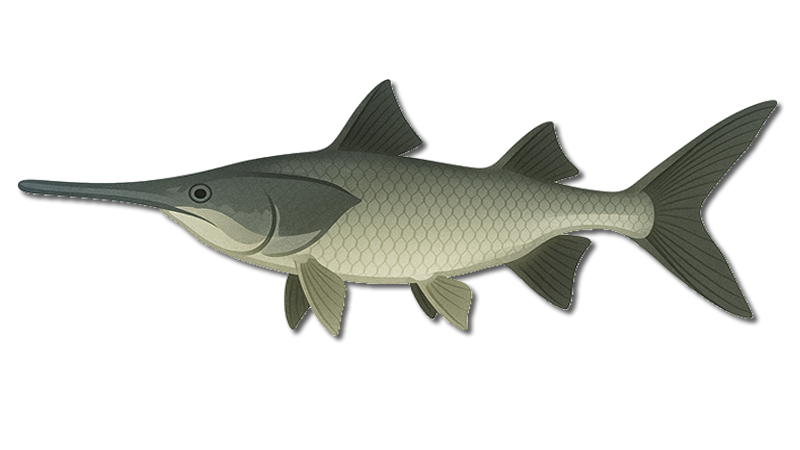
Paddlefish (Polyodon spathula) are among North America’s largest freshwater fish, known for their unique, elongated snout, or “paddle,” and their prehistoric lineage, dating back millions of years. These gentle giants inhabit large rivers and reservoirs primarily across the Mississippi River basin. While paddlefish don’t feed like typical gamefish — they are filter feeders consuming plankton — they remain a prized catch for anglers due to their impressive size and unique snagging techniques required to catch them.
Physical Characteristics and Identification
Paddlefish can grow over 7 feet long and weigh more than 200 pounds, making them one of the largest freshwater species on the continent. Their most distinguishing feature is the broad, paddle-shaped snout, which is used for detecting zooplankton via electroreceptors. Covered in smooth, scaleless skin and sporting a deeply forked tail, paddlefish have a bluish to gray coloration that helps them blend into river environments.
Habitat and Distribution
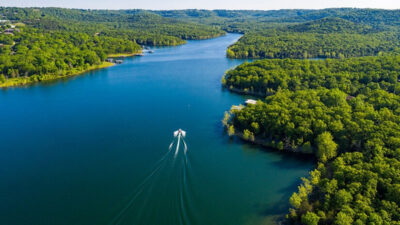
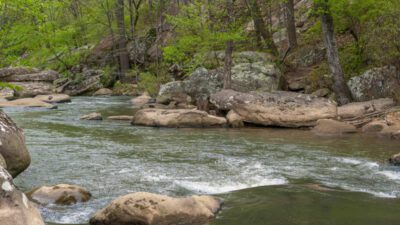
These fish inhabit large, slow-moving rivers and reservoirs with deep holes and abundant plankton. They require clean, oxygen-rich water and are sensitive to changes in water quality and habitat disruption. Spawning occurs in sections of flowing rivers with gravel or rocky bottoms. Paddlefish are native throughout the Mississippi River basin and have been introduced to select other reservoirs.
Feeding Behavior
Unlike most sportfish, paddlefish are filter feeders. They swim with their mouths open to sieve zooplankton and small aquatic organisms through specialized gill rakers. Due to this, traditional bait and lure fishing methods are ineffective for paddlefish. Their feeding occurs in mid- to upper water columns, typically during the warmer months when plankton blooms are present.
Fishing Techniques for Paddlefish
Because paddlefish do not typically strike bait or lures, anglers rely on snagging—a method of hooking the fish by jerking large treble hooks into their bodies as they swim. Here are key considerations for paddlefish fishing:
-
Gear: Anglers use extra-heavy rods ranging from 8 to 14 feet, with reels capable of holding 80–100-pound braided line. Treble hooks are typically sizes 8/0 to 14/0, attached with heavy sinkers ranging from 2 to 16 ounces, depending on the water depth and current. Barbless hooks are preferred for conservation.
-
Techniques: Snagging involves casting heavy rigs into deep holes or upstream of dams and repeatedly jerking the line to foul-hook paddlefish bodies. In boats, anglers can also vertically snag by dropping weighted hooks directly down in deep channels and sweeping rod tips. Bank anglers cast upstream and swing their rods in wide arcs to cover water.
-
Best Conditions: Paddlefish fishing thrives in the spring, especially from March to April, when spawning runs occur. Stable water levels, moderate river flows, and good visibility improve catch rates. Paddlefish congregate near gravel bars, channel bends, dam tailwaters, and river mouths during spawning migrations.
Safety and Conservation
Due to their size and strength, landing paddlefish can be a challenge, requiring sturdy landing tools and care to prevent injury. Conservation-minded anglers use barbless hooks and promptly release undersized or protected fish. Many states regulate paddlefish seasons and require special permits for snagging. Following local rules helps preserve this unique species.
Tips for Success
-
Research local regulations and obtain required paddlefish snagging permits.
-
Scout for deep river holes, rocky riffles, or dam tailwaters.
-
Use a strong tackle with ample line capacity and rods designed for heavy-duty lifting.
-
Be patient and allow for rest during the physically demanding repeated jerking motions.
-
Maintain awareness of river conditions, water clarity, and changes in flow.
Conclusion
Paddlefish snagging offers anglers a distinct and highly rewarding experience, unlike typical angling. Understanding paddlefish biology, their specialized feeding, and effective snagging techniques is essential for success. With proper gear, good timing during spring spawning, and adherence to conservation regulations, anglers can enjoy catching these ancient giant fish responsibly.