
March is one of the most interesting times to fish North Florida because largemouth bass can be moving between winter holding areas, staging zones, shallow spawning water, canals, shell bars, docks, and protected backwaters. On the St. Johns River system, changing weather can move fish quickly, so the best March strategy is usually to stay flexible rather than rely on one spot or one bait all day.
This guide focuses on North Florida fishing in March with the St. Johns River as the main example. It combines evergreen seasonal strategy with real Bass Online field history, including a March trip that produced a 9-pound, 15-ounce largemouth bass.
For broader trip planning, start with our St. Johns River fishing guide. If you are comparing nearby waters, use our North Florida lakes and rivers guide.
Is March a Good Month for Fishing in North Florida?
Yes. March can offer excellent bass fishing in North Florida, but conditions can change quickly. A warming trend may pull fish toward shallower spawning areas, while a cold front can slow that movement and push fish toward nearby deeper water, canals, shell bars, docks, or protected cover.
The most useful March mindset is to fish the conditions you have that day. Watch water temperature trends, wind, sunlight, current, water clarity, and how baitfish are positioned. If one area looks right but does not produce, change depth, cover, or presentation before assuming the entire river is slow.
Why the St. Johns River Is a Strong March Option
The St. Johns River gives anglers many different types of water in one connected system. Main-river current, back canals, shallow flats, shell areas, docks, vegetation, creek mouths, and protected backwaters can all hold bass at different stages of the seasonal transition.
That variety matters in March. Fish do not all move shallow at the same time, and one cold night can change what worked the previous afternoon. A river system gives anglers room to adjust without abandoning the fishery.
For tactical help before your trip, see our St. Johns River fishing tips.
Where to Look for March Largemouth Bass
Shell Bars and Staging Areas
Shell bars and nearby transition areas can hold bass that are moving toward spawning water but are not yet committed to the bank. Live shiners can be especially useful for locating fish in these areas because they allow anglers to cover a natural-looking presentation while watching how active the bass are.
Back Canals and Protected Water
Back canals can become important when bass move toward protected spawning areas. They also provide options when wind makes the open river difficult to fish. Look for changes in depth, dock shade, shoreline cover, and nearby deeper water that gives fish an easy escape route.
Docks and Shallow Structure
Docks and shallow cover can produce when fish are staging or beginning to move into spawning zones. Pitching soft plastics around posts, shade lines, and adjacent cover lets anglers target individual pieces of structure instead of simply casting down a shoreline.
Spawning Flats and Adjacent Depth
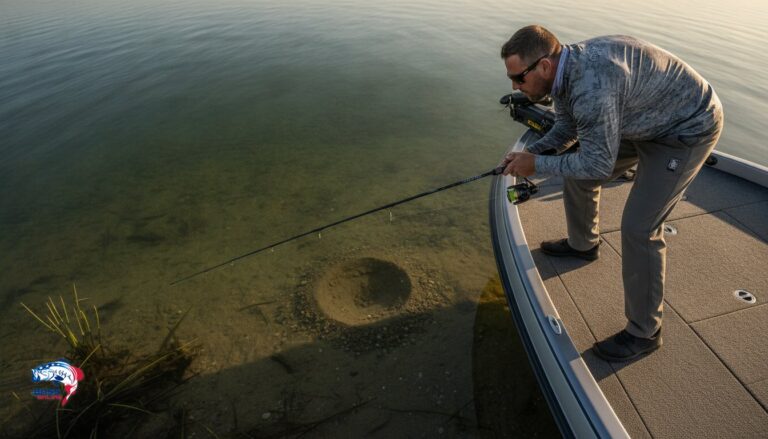
When water temperatures rise after a stable warming period, bass may move onto or near spawning flats. The best areas often have deeper water close enough that fish can move in and out as weather changes.
Best Baits for North Florida Fishing in March
Both live bait and artificial lures can work in March. The better choice depends on conditions, fishing pressure, and whether the goal is numbers, a trophy fish, or an all-artificial trip.
- Wild shiners: effective around shell bars, staging areas, canals, and deeper edges where bass are moving.
- Creature baits and lizards: strong choices for pitching around docks, shallow cover, beds, and protected spawning water.
- Soft plastics: useful when a slower presentation is needed after a front or when fish are holding tightly to cover.
- Moving baits: useful for searching water when bass are active and conditions allow anglers to cover more area.
The important March lesson is simple: do not force one technique. If live bait is producing on staging fish while artificials work better in the canals, use each method where it has the best chance of success.
Historic March Field Report: 9 lb 15 oz St. Johns River Bass
One Bass Online March trip provides a strong example of how quickly the river can change during this period. Capt. Gino Losi fished with an angler named David on the St. Johns River in North Florida.
The trip began with staging fish around shell bars using wild-caught live shiners. As the day progressed, the fishing shifted into back canals. David also used artificial creature baits around docks and shallow structure and caught several bass in the 3- to 5-pound range.
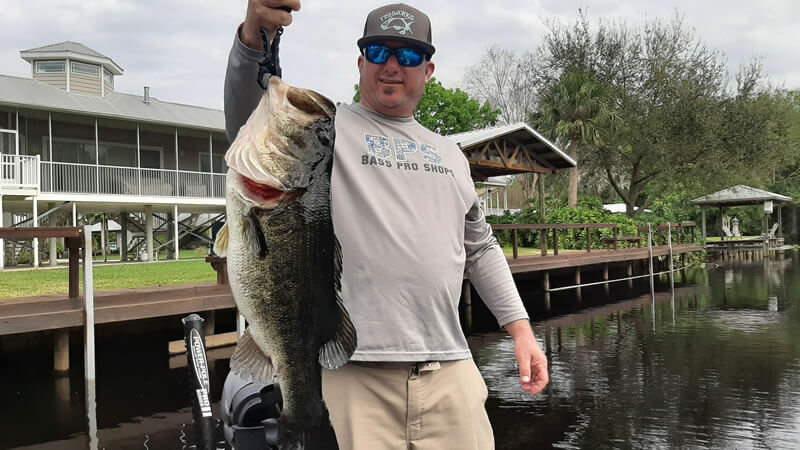
While artificials were producing in shallow water, a live bait was also positioned in deeper canal water where migrating bass could move toward spawning areas. That setup produced the fish of the trip: a 9-pound, 15-ounce largemouth bass, just one ounce short of 10 pounds.
This is historical trip evidence, not a promise of current conditions. Its value is the pattern: staging fish on shell, shallow artificial presentations in canals, and deeper nearby water holding a trophy-class fish during the same March outing.
Second March Pattern: Warming After a Cold Front
Another March St. Johns River trip showed the opposite side of the seasonal transition. Water and air temperatures were rising after a previous cold front. Bass were found near spawning flats and canals, and both live and artificial baits produced.
Larger fish were caught around bedding areas with creature-style soft plastics, while wild shiners added additional quality bass. The anglers finished with more than 15 fish, including bass over 5 pounds.
The lesson is simple: after a front, do not assume the river is finished. A warming trend can reactivate shallow movement, especially where protected water, spawning habitat, and nearby depth come together.
March Fishing Strategy: A Simple Game Plan
- Start by checking the latest weather trend rather than relying only on the calendar.
- Look for staging fish near shell, channel edges, and transition areas.
- Move toward canals, docks, protected flats, and shallow cover as conditions warm.
- Keep deeper water nearby in mind when targeting spawning areas.
- Use live shiners to locate and tempt quality fish, or work soft plastics and other artificials methodically around cover.
- If wind or a front changes the first area, adjust location and presentation instead of repeating the same pattern all day.
Other Fish You Can Target on the St. Johns River
The St. Johns is not only a largemouth bass fishery. Depending on season and location, anglers also target crappie and striped bass within the broader river system. If those species are part of your trip, see our St. Johns River crappie guide and St. Johns River striped bass guide.
Planning North Florida Fishing in March with a Guide
Before your trip, review current freshwater fishing regulations and licensing information from the Florida Fish and Wildlife Conservation Commission. Regulations and seasonal rules can change, so the official state source should always be your final check.
North Florida is spread across a large number of rivers, lakes, connected backwaters, and seasonal fisheries. A local guide can shorten the learning curve by matching the day’s weather and water conditions to the right section of the fishery.
Browse our Florida fishing guides when you are ready to plan a trip. If the St. Johns is your priority, use the main St. Johns River page for destination information and current booking options.
North Florida Fishing in March FAQ
What fish are biting in North Florida in March?
Largemouth bass are a major March target, especially around staging areas, canals, shallow cover, and spawning habitat. Crappie and striped bass may also be available in parts of the St. Johns system depending on conditions and location.
Is March a good time for trophy bass on the St. Johns River?
March can produce trophy-class bass because fish may be staging, spawning, or moving between deeper and shallower water. Historical Bass Online trips include a 9-pound, 15-ounce St. Johns River largemouth caught during a March outing.
Should I use live shiners or artificial lures in March?
Both can work. Live shiners are effective for staging fish and deeper edges, while creature baits, lizards, soft plastics, and other artificial presentations can be strong around docks, canals, beds, and shallow cover.
Where should I fish after a March cold front?
Look for protected water, canals, deeper water close to spawning flats, docks, shell areas, and cover that lets bass adjust without moving far. As the weather warms again, fish may return toward shallower spawning zones.