
Published: April 14, 2025 · Updated: September 9, 2026
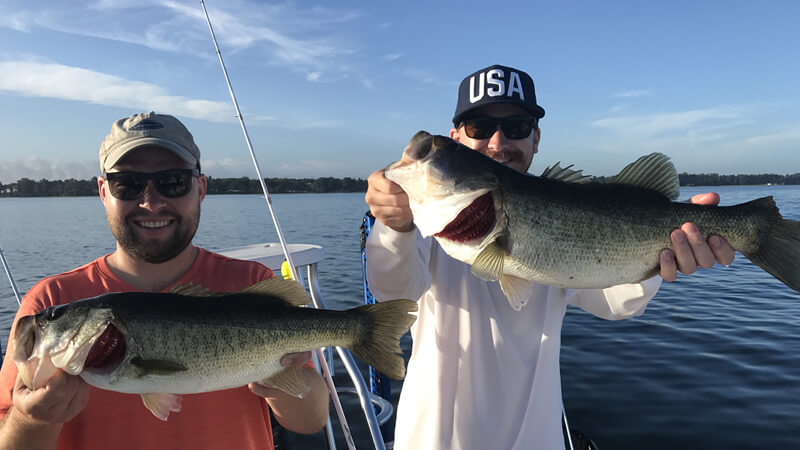
Butler Chain fishing tips begin with one principle: adjust to clear water instead of forcing a heavy-cover Florida pattern. The interconnected lakes near Windermere reward careful scouting, quiet presentations, natural lure colors, and timely moves between shallow cover and offshore structure.
This guide is the informational hub for planning and technique. Use our Butler Chain of Lakes destination page for lake and trip details, and check the latest Butler Chain fishing reports for current observations from the water.
Table of Contents
Know the Butler Chain Before You Fish
The Butler Chain is not a single lake. According to the Orange County Water Atlas, the system includes 13 interconnected lakes covering more than 5,000 acres, with 32 navigable canals. Each lake has its own mix of open water, shoreline vegetation, docks, points, depressions, and connecting water.
The chain was designated an Outstanding Florida Water in 1985. That designation recognizes waters worthy of special protection, and the Florida Department of Environmental Protection explains how the program protects exceptional water resources. For anglers, the practical lesson is simple: treat the water, shoreline, fish, and access areas with care.
1. Scout Water and Structure First
Start with a map, then confirm with electronics
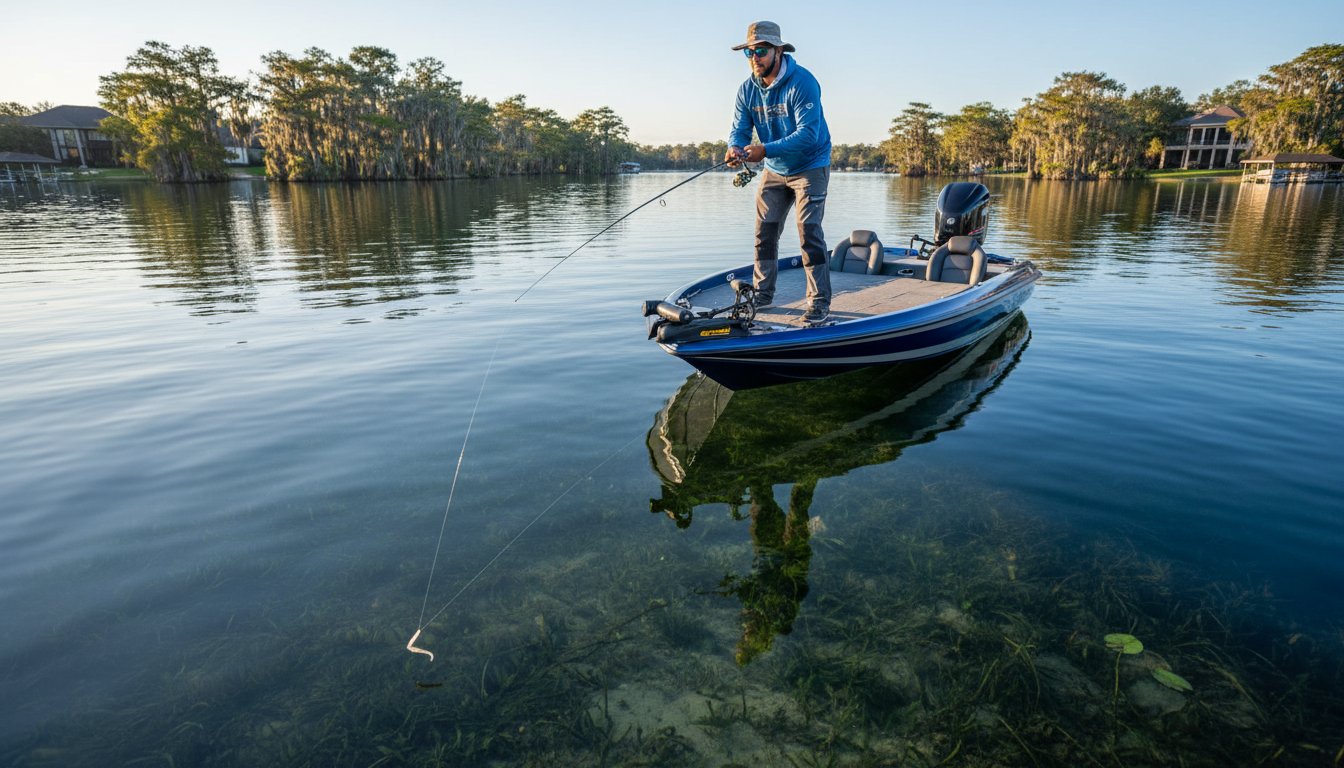
Review the chain before launching and identify points, canal mouths, protected pockets, outside grass lines, and sharp depth changes. A map gives you a starting plan; sonar and side imaging tell you what is actually present. Look for bait, vegetation edges, bottom changes, and fish positioned near a break rather than stopping at every attractive shoreline.
Fish transitions instead of random water
Bass frequently use transitions as travel routes and feeding positions. Productive examples include the end of a grass line, a clean patch inside vegetation, the first drop beyond a flat, a dock next to deeper water, or a canal mouth where current and bait concentrate. Make several casts from different angles before moving.
2. Use Clear-Water Stealth
Increase casting distance
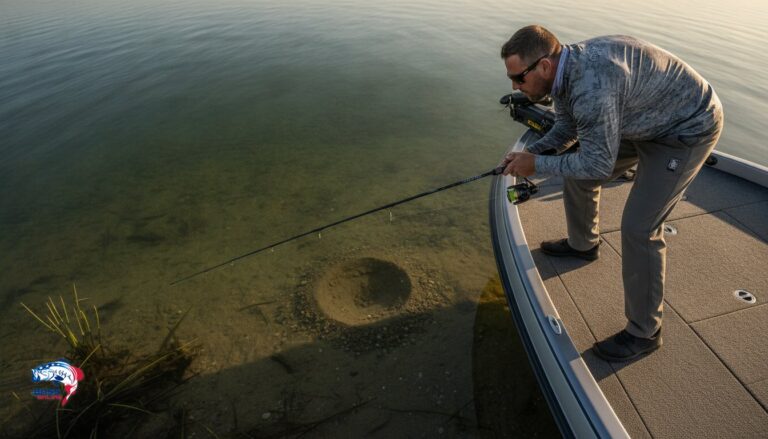
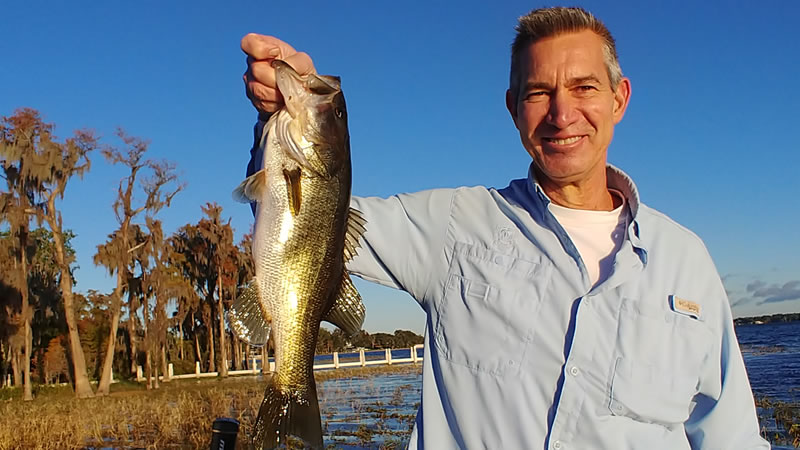
Clear water lets bass inspect a lure—and the boat—more easily. Keep the boat outside the target whenever possible and make longer casts across the edge. Approach with the trolling motor at a steady, low setting rather than repeatedly surging the motor. Avoid dropping objects on the deck or running directly over shallow fish.
Choose line for the cover
Fluorocarbon is a useful choice for many subsurface presentations because it offers sensitivity and a less visible profile. Lighter line can improve action in open water, but line strength should still match the cover and lure. Around heavy vegetation or abrasive structure, use enough strength to land the fish responsibly.
3. Match Finesse Rigs to Butler Chain Bass
Drop-shot rig
A drop shot keeps a small soft plastic above the bottom and works well when fish appear on electronics near a point, break, or deeper grass edge. Use only enough weight to maintain contact. Shake the bait subtly, pause it, and let boat movement provide part of the action.
Ned rig and compact plastics
A compact stick bait on a light mushroom-style head gives inactive bass a small target. Crawl or hop it across clean bottom and along sparse vegetation. If it gathers grass, reduce the weight or switch to a weedless version.
Wacky and weightless presentations
A wacky-rigged stick bait can be effective around docks, holes in vegetation, and spawning-season cover. A weightless fluke-style bait also offers a quiet presentation over submerged grass. Let either bait fall naturally before adding action; many strikes occur on the initial descent.
For more options, see our guide to bait and lure choices for largemouth bass.
4. Select Natural Colors and Adjust Speed
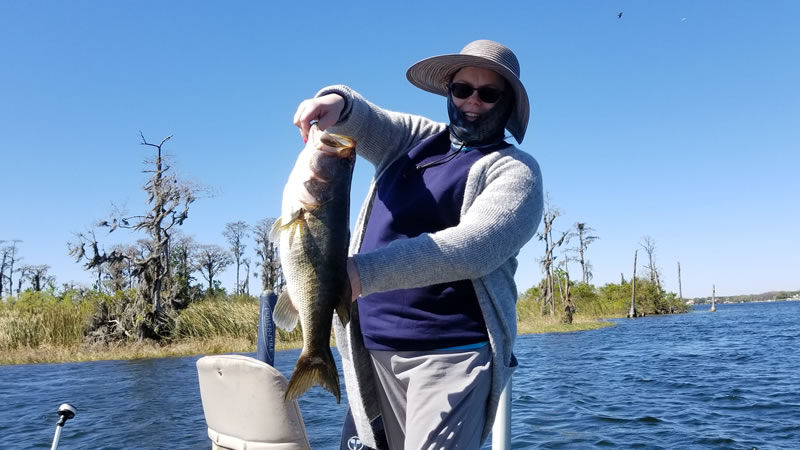
Start with colors that resemble the forage and bottom: watermelon, green pumpkin, smoke, pearl, silver, and other translucent patterns. A natural choice is a starting point, not a rigid rule. Wind, clouds, stained runoff, or low light can justify more flash or contrast.
Presentation speed matters as much as color. Begin with a controlled retrieve and change one variable at a time. If bass follow but do not commit, reduce speed, add a pause, downsize, or change the casting angle. If wind activates a point or grass edge, a jerkbait, spinnerbait, or lipless crankbait may help locate aggressive fish before you slow down.
5. Follow Seasonal Bass Movements
Late winter and spring
As conditions warm, bass may move from nearby depth toward protected spawning areas. Check staging points, the first break outside a pocket, and then the shallow cover itself. Avoid assuming every fish moves at once; a cold front can reposition bass without sending all of them to the deepest part of a lake.
Summer
Early and late feeding windows can be productive, while deeper edges, shade, and offshore structure deserve more attention after the sun rises. Use electronics to avoid fishing empty depth. Wind can improve a bank or point by moving water and concentrating forage, but boat control becomes more important.
Fall and winter
Follow forage and remain flexible. Cooling periods can improve shallow activity, while abrupt fronts often call for a slower presentation near cover or a nearby break. Florida bass still feed during winter; the best depth and speed depend on the weather trend, water temperature, and conditions you find that day.
Our overview of the best seasons for bass fishing in Florida provides additional planning context.
6. Treat Canals as Routes and Fishing Areas
The canals connect the chain, but they can also create useful transitions. Fish the mouths, nearby shade, vegetation changes, and the first available depth on either side. Move slowly and obey posted boating controls. Canal conditions, clearance, traffic, and navigation can change, so rely on current signs and local guidance rather than old descriptions.
Do not spend the entire day running between lakes simply because the system is large. If you find bait, suitable cover, and repeatable bites, develop that area. Move when the evidence changes—not just because another lake has a famous name.
7. Plan Around Light, Weather, and Boat Traffic
Low-light periods often support moving baits and topwater presentations, but midday is not automatically unproductive. Bright conditions can concentrate bass around shade, deeper edges, and defined cover. Cloud cover may expand the feeding zone. Wind can improve a quiet shoreline, yet severe weather is a reason to leave the water.
Weekdays and early starts may reduce recreational traffic. Keep a safe distance from other boats, anglers, swimmers, docks, and private property. Check the forecast before launching and have a plan for lightning, strong wind, heat, and changing visibility.
8. Check Current Rules and License Requirements
Rules can change. Before fishing, review the official FWC freshwater fishing regulations for current seasons, methods, limits, and special provisions. Use the FWC freshwater license page to determine whether you need a license or qualify for an exemption.
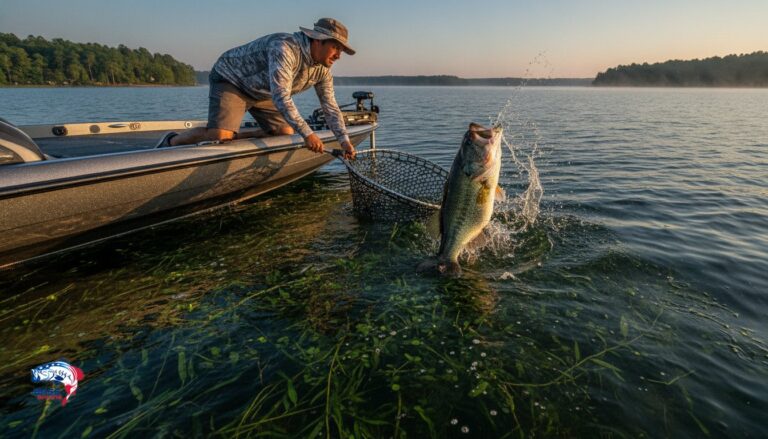
Practice careful fish handling: prepare tools before lifting the fish, support its body, limit time out of the water, and release it promptly when practicing catch and release. Dispose of line and tackle properly and never introduce plants, bait, or animals from another water body.
9. Use a Local Guide to Shorten the Learning Curve
A guide can help with navigation, current patterns, tackle choices, and boat positioning across a large interconnected system. This is especially valuable for first-time visitors, families, and anglers who want to learn clear-water techniques rather than spend most of the trip searching.
Explore available Butler Chain fishing guides and tell the captain about your experience level and goals. Ask what is included, what to bring, the meeting location, and the current license requirements before the trip.
Butler Chain Fishing Tips: Quick Checklist
- Study the lakes, canals, and likely transitions before launching.
- Use electronics to confirm bait, vegetation edges, and depth changes.
- Keep the boat away from clear-water targets and make longer casts.
- Start with natural colors and compact, controlled presentations.
- Match line strength to both water clarity and the cover.
- Change location and speed with the season, weather trend, and daily evidence.
- Check current FWC rules and boating signs before the trip.
- Use the destination page and current reports as supporting cluster resources.
Frequently Asked Questions
How many lakes are in the Butler Chain?
The current Orange County Water Atlas describes 13 interconnected lakes totaling more than 5,000 acres, connected by 32 navigable canals.
What lures work well in the clear water?
Drop shots, compact Ned rigs, wacky-rigged stick baits, weightless fluke-style baits, jerkbaits, and other natural-looking presentations are useful starting points. Adjust lure size, color, weight, and speed to the cover and conditions.
Is live bait or an artificial lure better?
Both can work. Artificial lures allow anglers to cover water and practice specific techniques, while live bait can be effective when presented responsibly and legally. The better choice depends on trip goals, fish location, and current conditions.
Can I fish from shore?
Public shore access is more limited than boat access. Verify current access, parking, hours, and site rules with the managing agency before traveling; never cross private property to reach the water.
Where can I find current Butler Chain conditions?
Start with the Butler Chain reports hub, then confirm weather, water access, regulations, and boating notices close to your trip date.
Use these Butler Chain fishing tips as a decision system rather than a fixed recipe: observe the water, select a high-percentage area, present the lure quietly, and adjust one variable at a time.