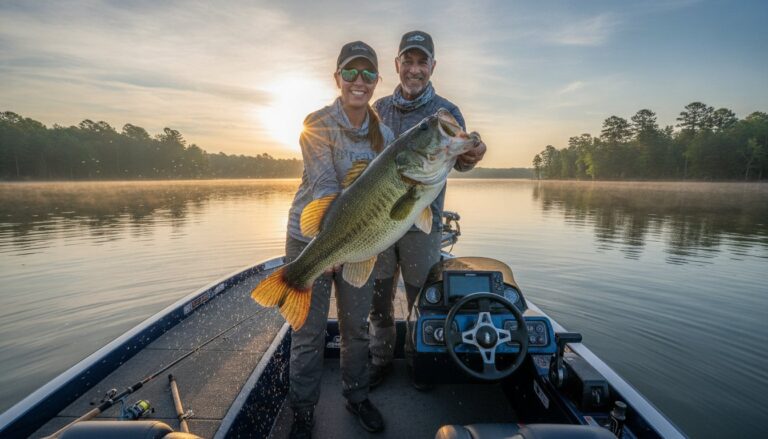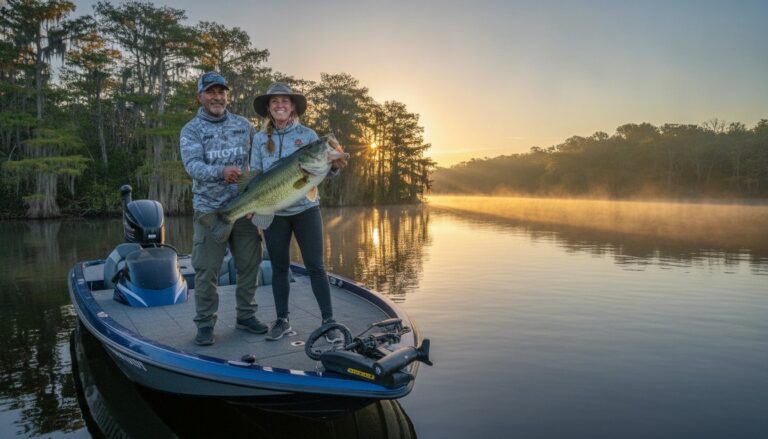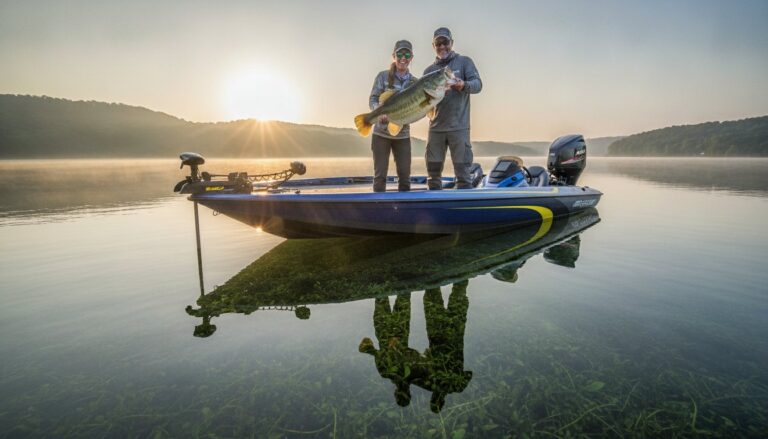
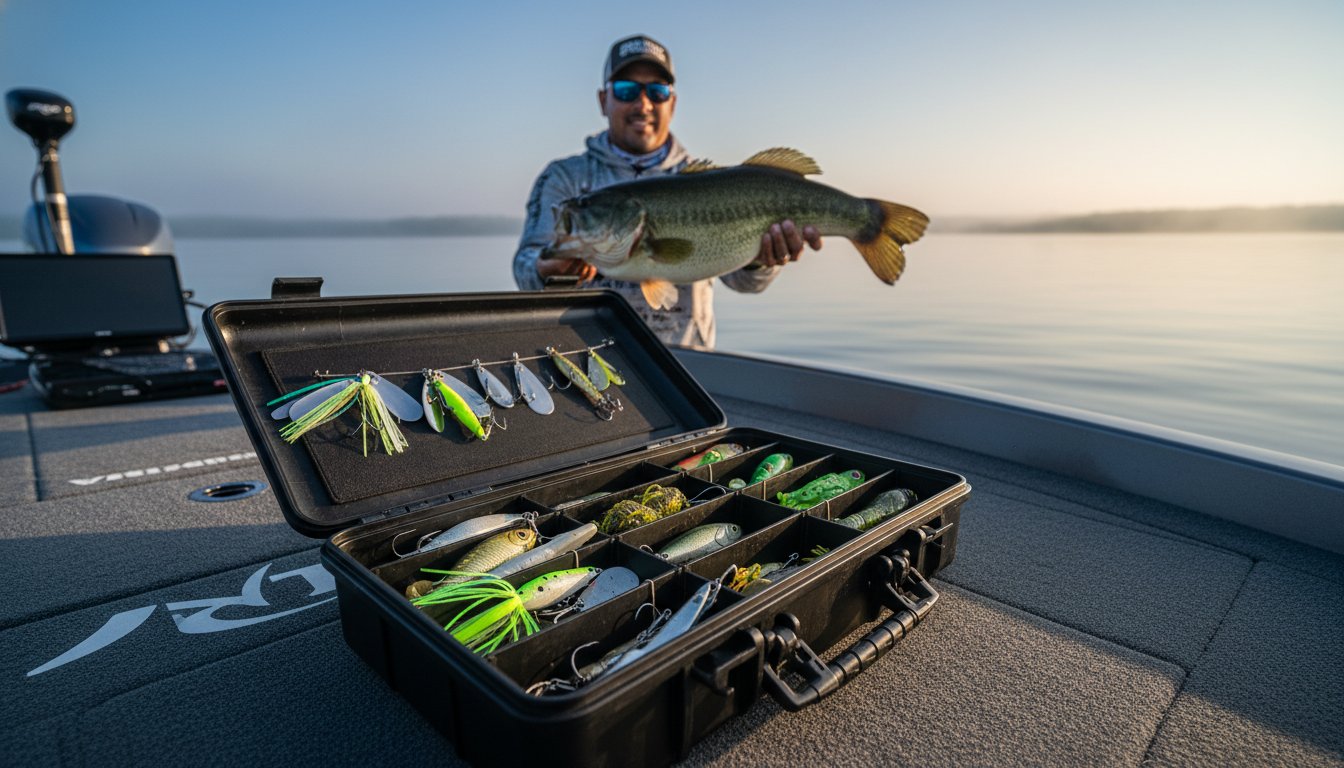

Most anglers are hauling around a graveyard of expensive plastic that will never actually see a trophy strike. It’s a frustrating cycle of buying the latest hyped-up bait only to watch it collect dust while the fish ignore your presentation. You don’t need a massive, cluttered collection to be successful. You need a tactical understanding of how largemouth bass fishing lures interact with water physics and fish metabolism. Whether you’re fishing the new year-round catch-and-release season in Minnesota or hitting a legendary spot like Lake Okeechobee, the goal is a streamlined kit that produces results.
I know how it feels to second-guess your color choice or wonder if you should’ve switched to a finesse rig an hour ago. This guide is designed to replace that confusion with the confidence of a seasoned pro. I’ll show you exactly how to build a winning tackle box for 2026, featuring field-tested gear like the $7.99 Booyah Blade and the new Rapala CrushCity Mooch Minnow. We’re going to cover the technical "why" behind every selection so you can trigger hawgs in any weather. You’ll learn the specific seasonal patterns and presentation details required to finally land that elusive personal best.
Key Takeaways
- Master the three pillars of attraction, vibration, flash, and profile, to trigger a lunker’s lateral line and force a strike.
- Build a streamlined tackle box using the “Big 4” categories to handle 90% of fishing scenarios with total confidence.
- Learn to pick the perfect largemouth bass fishing lures by matching your bait’s visibility to water clarity and specific structure types.
- Follow a pro-grade seasonal rotation that shifts from lethargic winter presentations to aggressive spring craw patterns.
- Discover how professional presentation techniques and “feeling” the bite can turn a slow day into a legendary expedition.
Table of Contents
-
The Mechanics of Attraction: Why Largemouth Bass Strike Lures
-
Mastering the Lure: Why a Pro Guide is the Ultimate Shortcut
The Mechanics of Attraction: Why Largemouth Bass Strike Lures
To master the use of largemouth bass fishing lures, you have to start with the fish’s hardware. A bass isn’t just looking for a snack; it’s a finely tuned predator using a complex sensory system to dominate its environment. The most critical tool in its arsenal is the lateral line, a series of fluid-filled canals along its body that detect the slightest pressure changes in the water. Understanding Largemouth bass biology is what separates the weekend warriors from the pros who consistently haul in hawgs. When you cast into the weeds, you’re competing against millions of years of evolutionary instinct.
I focus on three pillars of attraction to trigger a strike: vibration, flash, and profile. A feeding strike happens when a bass is hungry and identifies your bait as an easy meal. A reaction strike is different; it’s an instinctive, aggressive snap triggered by a lure’s sudden movement or noise, even if the fish isn’t looking for food. Water displacement is the physical movement of fluid caused by a lure’s mass and action, acting as a beacon that guides lunkers to your bait even in zero-visibility conditions.
To better understand how these elements come together on the water, watch this helpful video:
Vibration and the Lateral Line
Bass feel a spinnerbait or a chatterbait long before they ever see it. In muddy or stained water, thumping blades are essential because they create a low-frequency pulse that mimics a struggling baitfish. I choose the lure frequency based on how active the fish are. If they’re aggressive, a high-vibration bait like a $7.99 Booyah Blade gets their attention fast. When the bite slows down, I switch to tighter, faster vibrations that don’t overwhelm their senses but still signal that something is moving nearby.
Visual Triggers: Flash and Color
Visuals are your closing argument. When the sun is high and the water is clear, I stick to natural baitfish patterns that blend in. High-visibility "shock" colors like firetiger or chartreuse are reserved for dark days or heavy cover where you need to stand out. Sunlight plays a massive role in your hardware choice; silver blades reflect nearly 100% of light for a bright flash, while gold or painted blades provide the contrast needed in stained water. Always try to match the hatch when choosing your largemouth bass fishing lures because the natural diet in your specific waterway dictates what the local lunkers consider a safe target.
The "Big 4" Essential Lure Categories for Every Tackle Box
You can’t buy your way into a trophy catch, but you can definitely buy your way into a cluttered mess. I often see anglers show up for a trip with five tackle boxes and zero idea which tray to open first. To build a winning kit, you only need four categories that handle 90% of all fishing scenarios. A balanced box splits your arsenal into moving baits for finding fish and bottom-contact baits for catching them once you’ve located the school.
Pro Tip: Versatility beats specialized gear every single time. Don’t waste money on a lure that only works in one specific pond or under one rare weather condition. Focus on the best bass lures that perform across different regions and water types. If a bait doesn’t work in at least three different scenarios, it doesn’t deserve a spot in your primary box.
Soft Plastics: The Finesse Foundation
These are your precision tools for when the bite gets tough. Data from the Massachusetts Division of Fisheries and Wildlife shows that soft plastics are the most effective way to mimic the natural movement of invertebrates and worms. They are essential for largemouth bass fishing lures because they allow for a slow, enticing presentation that pressured fish can’t resist.
-
Stick baits: The Senko style is the ultimate finesse tool. Its subtle shimmy on the fall is a universal language for "eat me."
-
Creature baits and jigs: These are your heavy hitters for mimicking crawfish in thick cover. They are designed to punch through matted grass and trigger big bites from hawgs hiding in the shadows.
-
Ribbon-tail worms: Keep a pack of these for summer nights. The long, waving tail creates a massive profile that big bass can easily track in low-light conditions.
Moving Baits: Covering Water Fast
Reach for these when you need to cover large areas of water fast to find where the active fish are holding. These baits rely on the vibration and flash mechanics we discussed earlier to grab attention from a distance.
-
Spinnerbaits: These are the ultimate search tool nationwide. A $7.99 Booyah Blade allows you to probe different depths and cover types in a single cast without constantly getting snagged.
-
Crankbaits: Success here depends on selecting the right diving depth. You want your lure to occasionally bounce off submerged ledges or rocks; that erratic deflection is what usually triggers the strike.
-
Chatterbaits: Also known as vibrating jigs, these are the modern pro’s secret weapon. They are incredibly effective in grass-heavy lakes where a traditional spinnerbait might get fouled up too easily.
If you’re ready to put these largemouth bass fishing lures to the test and learn the "feel" of a trophy strike, reach out to our team to get on the water with a local expert who knows these patterns inside and out.
Matching Lures to Water Clarity and Structure
Before you even tie a knot, you have to read the water. My "Rule of Thumb" for visibility is simple: drop your bait into the water and watch it sink. If it disappears at 12 inches, you’re in muddy water. If you can still see it at 48 inches or deeper, you’re dealing with a clear-water scenario. This visibility dictates which largemouth bass fishing lures will actually produce. I always recommend checking our outdoor blog for real-time reports on water conditions, as clarity on lakes like Okeechobee can shift 50% after a single afternoon storm.
Identifying high-percentage structure is the next step in the hunt. Docks, laydowns, and thick vegetation are the primary ambush points where hawgs wait for a meal. While most anglers obsess over color, lure weight is just as critical when fishing this cover. A heavier weight isn’t just for reaching the bottom; it controls the fall rate. A fast, vertical fall often triggers a "panic strike" from a lunker that doesn’t have time to inspect the bait. If your lure is too light, it drifts unnaturally, giving the fish too much time to realize it’s a fake.
Fishing the Heavy Slop and Timber
When you’re staring at a field of lily pads or a tangled laydown, weedless designs are your only option. The hollow-body frog is the undisputed king of the slop because it sits high and keeps the hooks shielded from the mess. For the thickest matted vegetation, I rely on punch rigs. These consist of a heavy tungsten weight and a streamlined soft plastic that can slip through the "ceiling" of the grass to reach the fish below. If you want to master the art of the surface blow-up, check out our guide on topwater bass lures.
Clear Water Stealth Tactics
Clear water requires a total shift toward stealth. I move to fluorocarbon lines and downsized finesse profiles that don’t look out of place in high-visibility environments. Solid, opaque paints look like blocks of plastic in clear lakes, so I use "Ghost" or translucent colors that allow light to pass through the lure. Another pro secret is using speed. If you burn a bait past a bass in clear water, they have to react instantly. If you move it too slowly, they have the time to inspect the hooks and the line, which usually results in them swimming away.
Seasonal Lure Rotation: A 2026 Pro Strategy
Bass are cold-blooded creatures, which means their metabolism is slave to the water temperature. If you’re using the same largemouth bass fishing lures in December that you used in July, you’re leaving fish on the table. A pro-level rotation isn’t about having a hundred different baits; it’s about shifting your presentation to match the energy levels of the fish. When the water is cold, they won’t chase. When it’s warm, they’re aggressive hunters. Success comes from knowing exactly when to pull the trigger on a specific category.
-
Step 1 (Winter): Focus on slow-moving suspended baits. When the water is bone-chilling, a jerkbait that sits perfectly still for 10 seconds is often the only thing that will trigger a lethargic lunker.
-
Step 2 (Early Spring): Transition to aggressive red-colored craw patterns. Bass are looking for protein-rich crawfish as they prepare for the spawn, and red lipless cranks are legendary for this window.
-
Step 3 (Late Spring/Early Summer): Shift to topwaters and high-vibration baits once water temps hit a consistent 65 degrees. This is when the metabolism kicks into high gear.
-
Step 4 (Summer): Use deep-diving crankbaits and heavy jigs for offshore schooling. As the sun beats down, the biggest fish move to deep ledges and brush piles in search of cooler, oxygenated water.
Pre-Spawn and Spawn Aggression
During the pre-spawn, you’re not just fishing for hunger; you’re targeting protective instincts. Jerkbaits and lipless cranks allow you to cover water and irritate fish into snapping. When they move onto the beds, the debate over ethics and tactics heats up, but the goal remains the same: stay in the strike zone. New 2026 tech like the Berkley PowerBait Chop Block is changing the game here. Its unique design allows it to dance in place with minimal rod movement, keeping the bait right in a protective male’s face until he finally loses his cool.
Fall Transitions and the Baitfish Chase
As the air cools, the "Young of the Year" baitfish have grown to a specific size, and the bass are keyed in on them. This is the time to match the hatch perfectly. The spinnerbait makes its triumphant return to the starting lineup as bass follow baitfish into the shallows to gorge before winter. I’ve found that bass fishing peaks during this transition because the fish are at their most predictable. They want to eat, and they want to eat often. If you’re ready to see these seasonal shifts in action, book your seasonal trophy hunt with one of our local pros who tracks these patterns every single day.

Mastering the Lure: Why a Pro Guide is the Ultimate Shortcut
Reading about largemouth bass fishing lures is the first step toward becoming a better angler, but "feeling" the bite is where the real mastery happens. You can own every top-rated bait on the market, but if your presentation is off, those lures are just expensive ornaments. A tackle box is simply a collection of tools; a professional guide is the master builder who teaches you how to use them to construct a successful day on the water. On a guided fishing trip, you move past the theory and into the high-stakes world of real-time reaction.
I focus on teaching "Presentation" above all else. This is the subtle art of how you move the rod to breathe life into a piece of plastic. Whether it is the rhythmic twitch of a jerkbait or the slow, agonizing crawl of a jig, the way you manipulate your gear determines if a lunker commits or swims away. Seeing these mechanics in action under the eye of a pro is the fastest way to shave years off your learning curve and gain the confidence needed to tackle any waterway.
On-the-Water Education
One of the biggest advantages of a pro trip is learning to read modern electronics. We don’t just guess where the fish are; we see how bass react to your lure in real-time. This feedback loop allows us to correct common mistakes immediately, such as over-working a bait during a cold front or missing the subtle "thump" of a hookset. We stand behind our expertise with a "No Fish, No Pay" policy, a level of confidence you only get from a service that has led thousands of successful expeditions. You’ll leave the boat with a refined skill set that makes every cast more productive.
National Expertise for Your Next Adventure
The mechanics of a trophy strike don’t change much whether you’re fishing the deep reservoirs of Texas or the grass-choked flats of Florida. Our guides operate on the nation’s premier lakes, from Okeechobee to Guntersville, providing a consistent standard of world-class instruction. You can browse our fishing charter reviews to see how many anglers landed their new personal best using these exact tactics. Booking a trip isn’t just about the catch; it’s an investment in your future as an angler, ensuring that the next time you open your tackle box, you have the skills to back up your gear.
Take Control of Your Next Expedition
You now have the tactical blueprint to build a professional-grade tackle box. Success on the water isn’t about owning every bait in the shop; it’s about matching your largemouth bass fishing lures to the fish’s metabolism and the environment’s physics. By mastering the "Big 4" categories and respecting seasonal shifts, you’ve moved past the guesswork that stalls most anglers. The final piece of the puzzle is putting these theories into practice with the right presentation and the confidence to read every strike.
Don’t spend another weekend wondering why the bite is slow. As the largest freshwater guide service in the U.S. with over 25 years of professional guiding experience, we have the local experts who know exactly what the fish are hitting today. We’ll put the best gear in your hands and teach you the pro-level techniques that lead to a lunker in the net. Book a Pro Guide to Master These Lures on the Water! and let’s go land your next personal best together.
Frequently Asked Questions
What is the best all-around lure for largemouth bass?
The soft plastic stick bait is the undisputed champion for all-around performance in nearly any environment. Its subtle shimmy on the fall mimics a dying baitfish or worm perfectly, making it one of the most effective largemouth bass fishing lures ever designed. I use it in everything from clear canals to murky lily pads because it simply catches fish when nothing else is working.
What color lure should I use in muddy water?
Use dark, solid colors like black and blue or Junebug when you are facing muddy water with less than 12 inches of visibility. These colors create a sharp, distinct silhouette that a bass can track using its eyes even when the water is heavily stained. In low-visibility conditions, the fish rely on seeing a solid shape against the background rather than a specific natural pattern.
Do I need different lures for pond fishing vs. lake fishing?
You don’t need a different set of baits, but you should downsize your presentation for smaller bodies of water. Bass in ponds are often more sensitive to noise and heavy splashing, so a smaller 4 inch worm often outperforms a bulky 10 inch ribbon-tail. On large lakes, you’ll need heavier weights to reach deep ledges and offshore structures that aren’t present in your local pond.
How do I know if I should use a topwater lure or a bottom-bouncing jig?
Let the sun and the thermometer be your guide for this decision. I reach for topwater lures during low-light periods like dawn or dusk when the water is at least 60 degrees. If the sun is high or the water is cold, I switch to a bottom-bouncing jig to target fish holding tight to deep cover where they feel more secure from predators and bright light.
Does lure size really matter for catching big largemouth bass?
Lure size is a critical factor when you are hunting for a trophy lunker. While a small 3 inch grub will catch plenty of fish, a 7 inch swimbait or a large profile jig offers the high-calorie meal that a 10 pound hawg is looking for. However, if the lake is seeing 50 boats a day, a smaller, more subtle lure often triggers a bite that a big bait would scare away.
What are the best lures for beginners who have never fished for bass?
A Texas-rigged plastic worm or a simple spinnerbait are the best starting points for any new angler. These largemouth bass fishing lures are designed to be weedless, meaning you’ll spend your time fishing instead of untangling your line from a tree limb. They are easy to cast and provide a clear "thump" when a fish strikes, which helps beginners learn the feel of the bite quickly.
How often should I change my lure if I am not getting any bites?
I recommend changing your lure every 15 to 20 minutes if you have thoroughly covered a high-percentage spot without a nibble. If you’ve made 30 casts into a prime laydown with a jig and got nothing, it’s time to show them a different vibration or color. Don’t fall in love with a bait that isn’t producing; the fish will tell you what they want if you keep experimenting with your rotation.
Are expensive "glide baits" worth the investment for a weekend angler?
Glide baits are worth the investment only if you are committed to the "big fish or no fish" lifestyle. These lures can cost anywhere from $50 to over $200, and they require specialized heavy tackle to throw effectively. For a weekend angler, they are a great way to target a new personal best, but they shouldn’t replace the reliable basics in your everyday tackle box until you’ve mastered the fundamentals.

Article by
Mr Bass
Todd Kersey, widely known as Mr. Bass by Field & Stream, is a professional angler, accomplished author, and dedicated philanthropist with a lifelong passion for bass fishing. Armed with a degree in Outdoor travel, Mr. Bass has expertly combined his knowledge with his practical fishing experience to become one of the most respected names in the bass fishing, his deep understanding of bass habitats, and fish behavior has earned him numerous accolades as a asset of the sport. Serving 8 years as FWC Stakeholder Chairperson. Leading and passing cutting-edge legislation, such as the Black Bass Management plan, and successfully building, passing, and financing the Trophy Catch program. As CEO, he is committed to giving back to the community through his philanthropic efforts. He supports a variety of causes, especially those centered around physical disabilities. Through his advocacy, his mentorship programs inspire anglers to engage in fishing stewardship, helping to raise more than $ 18 million in donations. Mr. Bass continues to inspire anglers and outdoor enthusiasts alike with his commitment to the sport and the world around him.