What are the most popular fish species to catch in Lake Ray Hubbard?
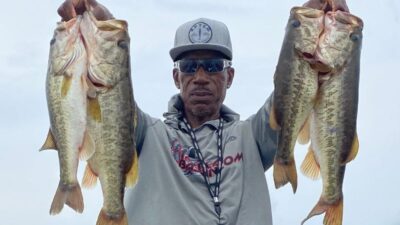
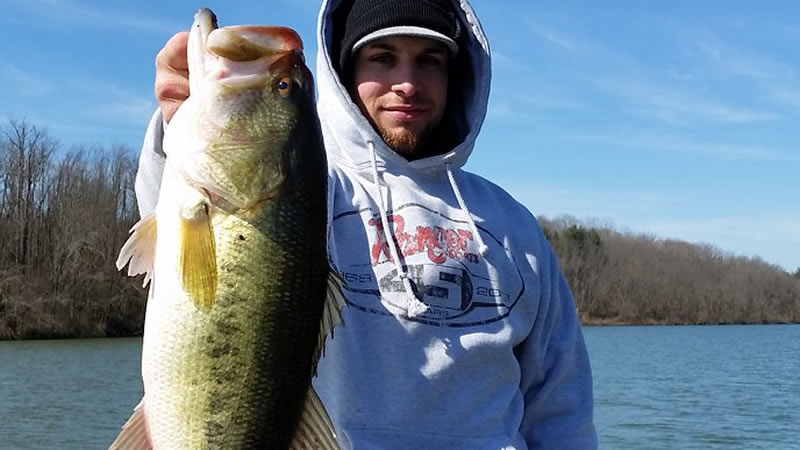
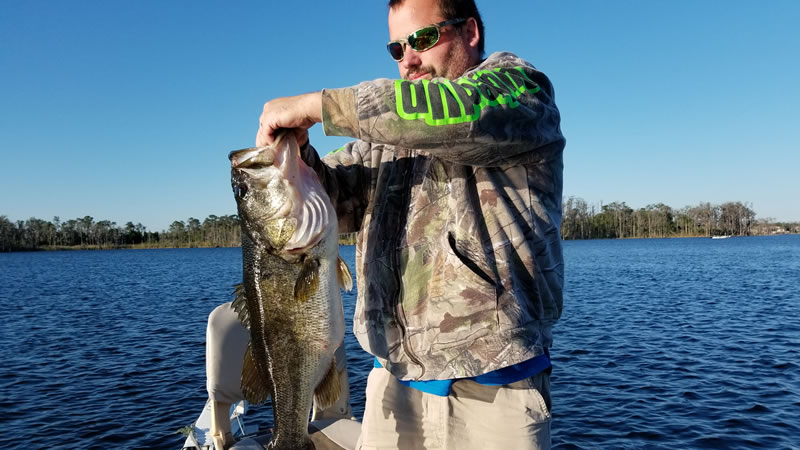
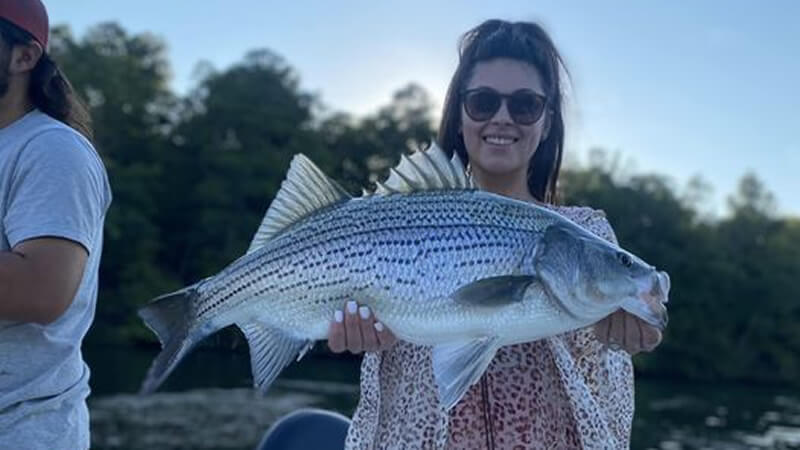
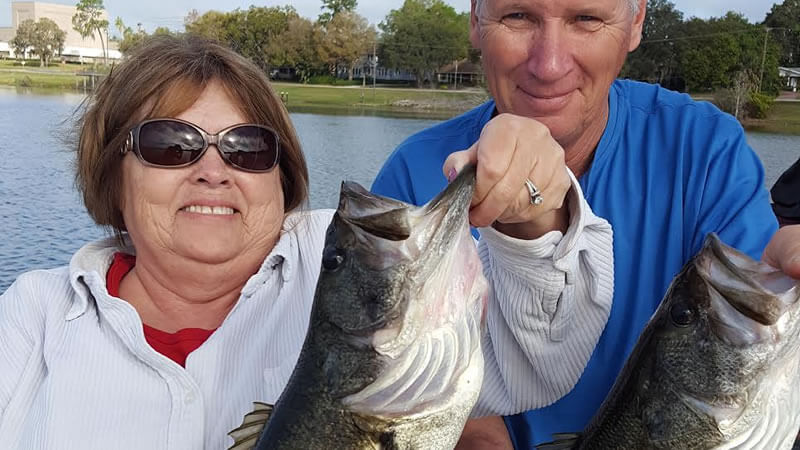
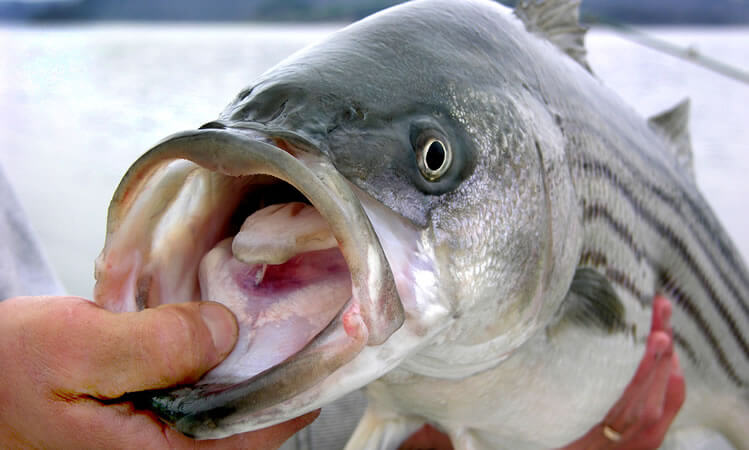
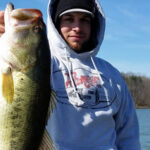
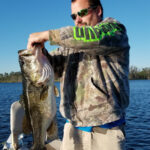
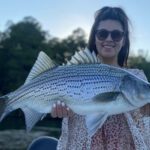
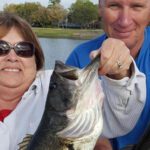
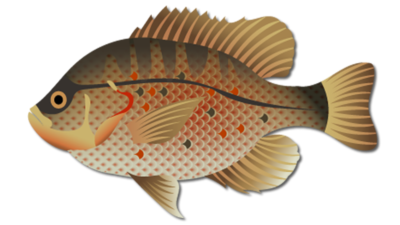
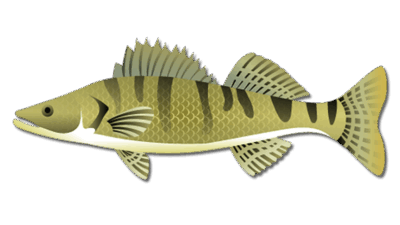
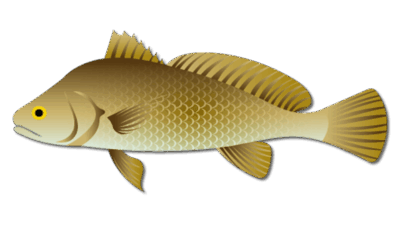
The most popular species are largemouth bass, striped bass, hybrid striped bass, white bass, black crappie, white crappie, bream, channel catfish, blue catfish, yellow bass, walleye, and trout. The lake is known for its fish diversity per acre and supports year-round angling for several game fish.
When is the best time of year to fish on Lake Ray Hubbard?
While fishing is productive year-round, the best times are typically during the fall and winter when there is less boat traffic and reduced tourist activity. Spring spawning runs are also excellent for both bass and crappie. Summer can be productive in deep water or at dawn and dusk.
Do I need a fishing license to fish Lake Ray Hubbard?
Yes, all anglers aged 16 and older must possess a valid Texas fishing license to fish on Lake Ray Hubbard. Licenses can be purchased online or at local tackle shops.
What are the best fishing spots or areas on Lake Ray Hubbard?
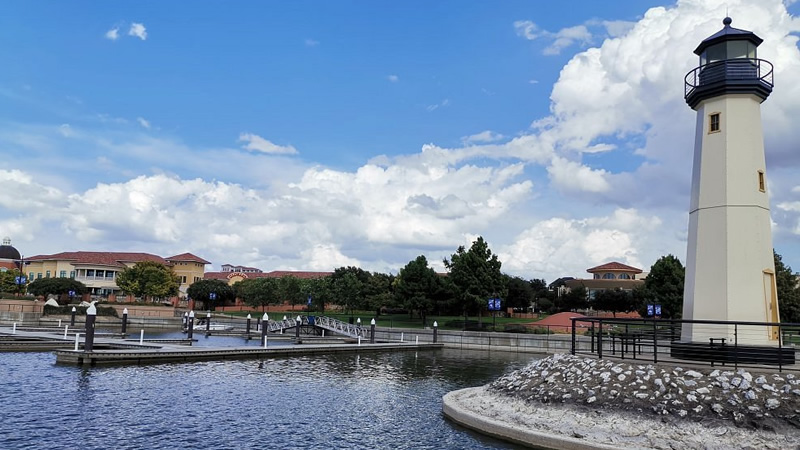
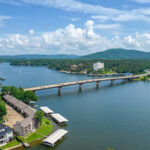
Key hotspots include feeder creeks (Big Mazam, Little Mazam, and Hot Springs Creek), areas below Blakely Dam (especially for trout and striped bass), main channel drop-offs, and brushy points. Marinas and docks also provide great fishing, especially in deeper cover and shaded coves.
Are there any fishing regulations or size/bag limits to be aware of?
Yes. Largemouth and spotted bass share an aggregate daily bag limit, and individual limits exist for crappie, white bass, catfish, and other species. Regulations and limits can change, so always check the latest rules with the Texas Game & Fish Commission before fishing.
What fishing methods and baits work best on Lake Ray Hubbard?
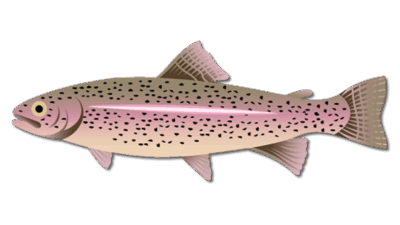
Effective techniques include casting plastic worms and spinnerbaits around submerged timber for bass, using live bait or jigs for crappie, and power bait or small spinners for trout near Blakely Dam. Catfish respond well to worms or cut bait, and deeper jigging is productive in summer.