
Best Seller
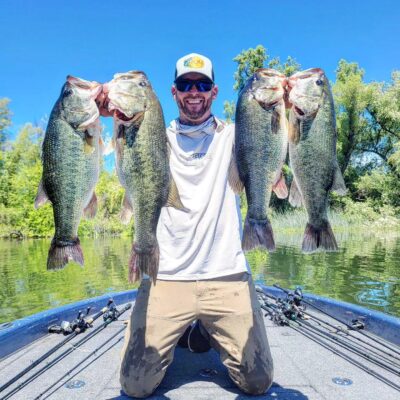

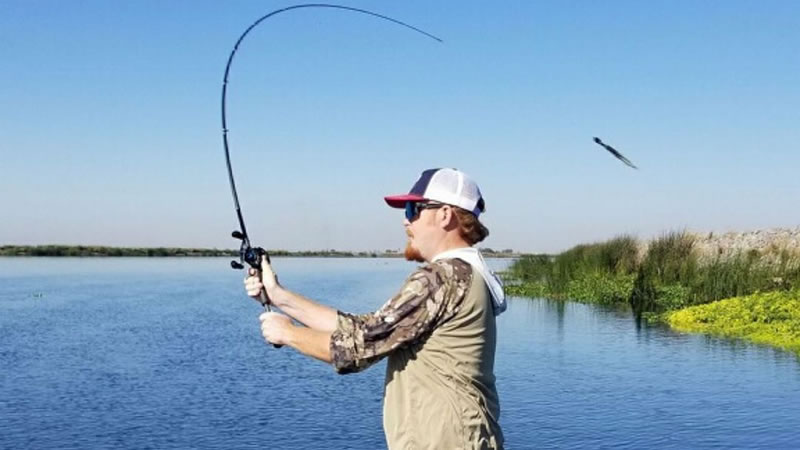
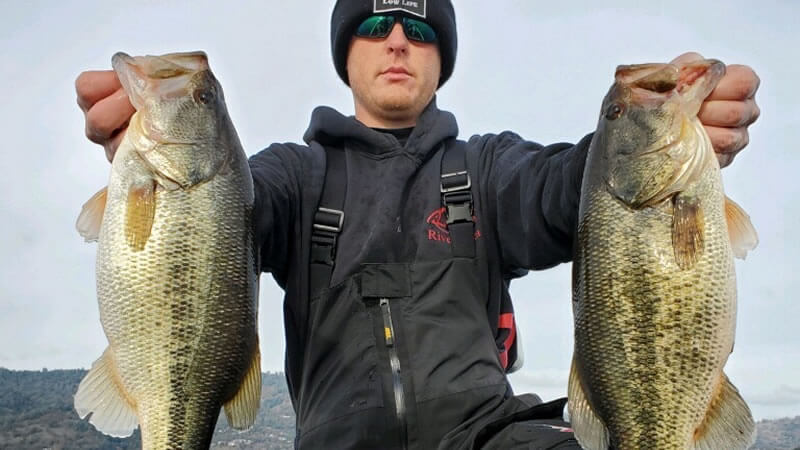
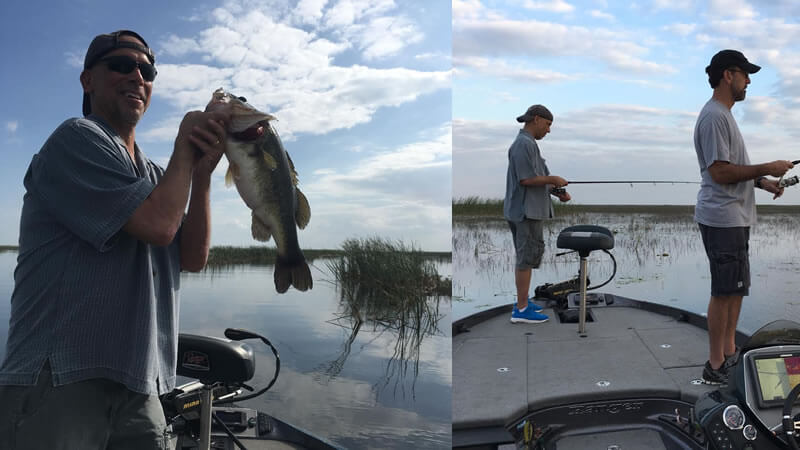


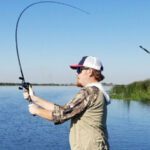

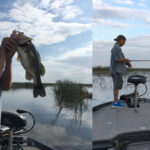
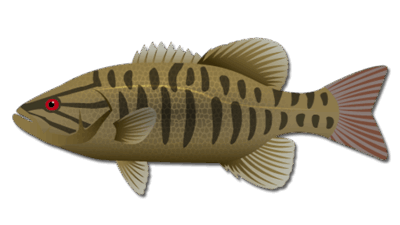

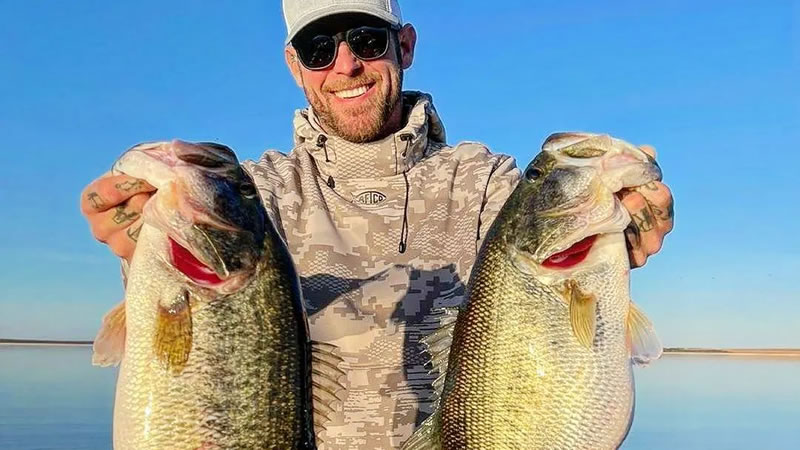
Largemouth bass that weigh more than ten pounds and smallmouth bass that weigh in at four or more pounds may be found here in abundance. Located as a tail lake, Tulloch is served by cold water flows from New Melones Lake, which is many times bigger. You can fish for rainbow trout close to the dam or at the entrance of the Stanislaus River, while bass may be found throughout the lake.
Get your crappie fishing gear ready for the end of winter until springtime. Launch ramps, gas docks, boat rental services, a restaurant, and a general shop are all available at Lake Tulloch Southshore.
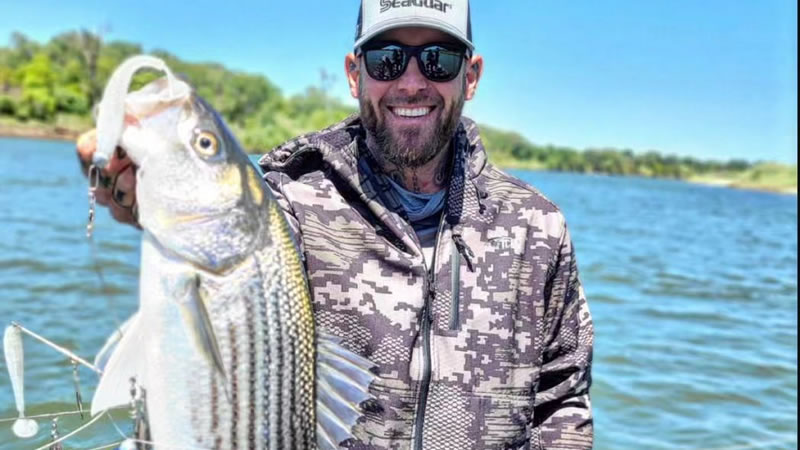
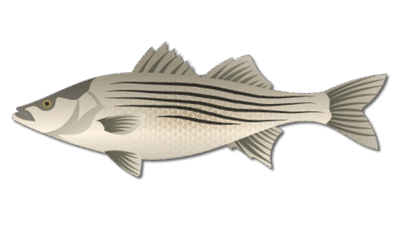
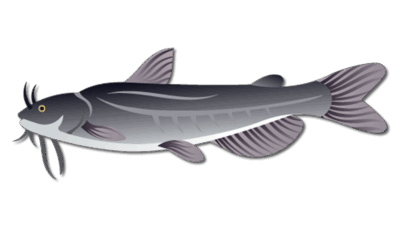
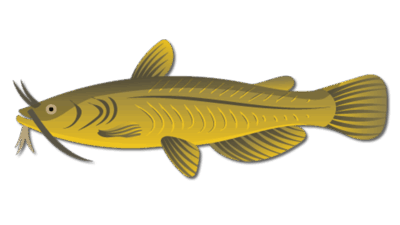
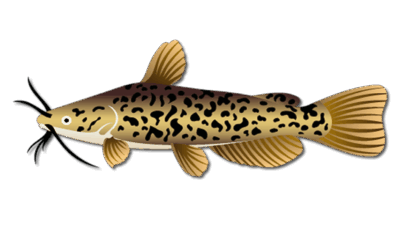
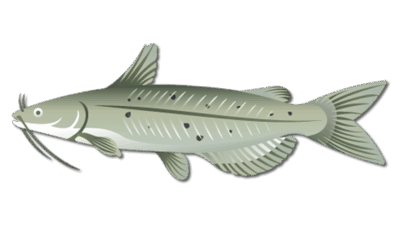
You may catch a wide variety of species at Lake Tulloch, including rainbow and brown trout, largemouth and smallmouth bass, catfish, bluegill, and crappie.
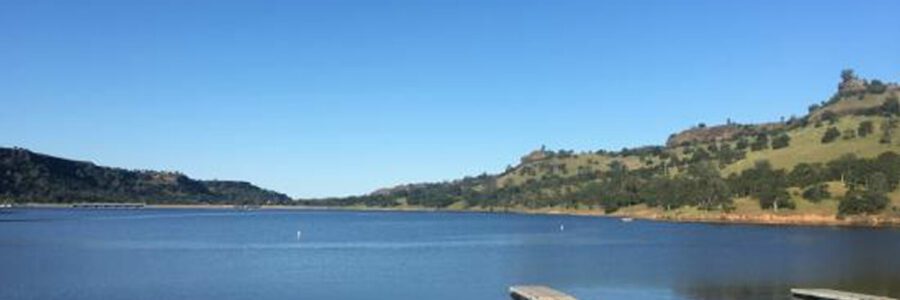
You can find recreational Lake Tulloch on the Stanislaus River downstream of the New Melones Dam. Water skiers and wakeboarders may enjoy calm, “glassy” conditions because of the nearby mountains’ ability to deflect wind. There is plenty of room for pontoons and other small boats, and the middle of the lake often has sufficient wind for windsurfing.
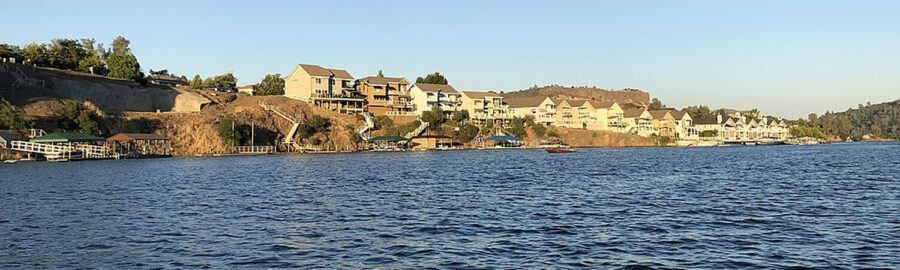
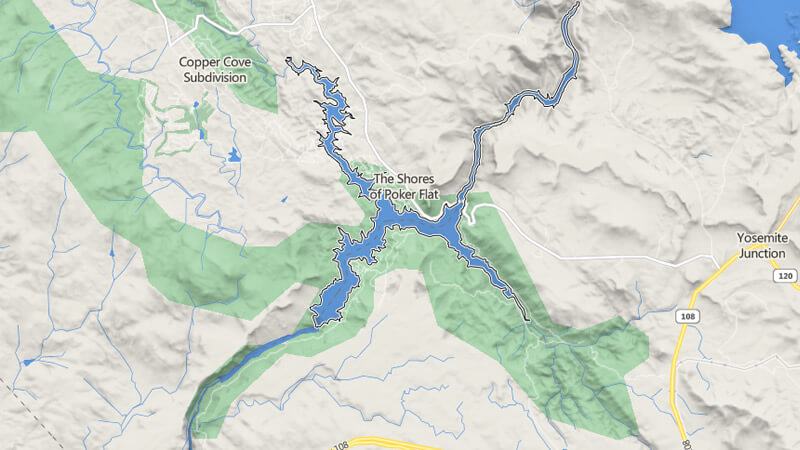
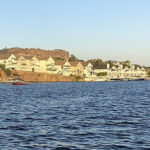
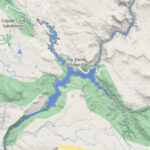
Lake Tulloch is an “X”-shaped body of water with four major waterways near the old mining town of Copperopolis. This water body is one of the few lakes in the state that allow private shoreline houses and docks and has 55 miles of stunning coastline.
The reservoir is located at an altitude of 504 feet and has a surface area of around 1,260 acres. It was constructed in 1958. As part of the Tri-Dam Project, the Oakdale District and the South San Joaquin Irrigation District manage this beautiful lake.
Downstream users rely on Lake Tulloch for their water needs, while statewide hydroelectricity consumers benefit from the lake’s abundant water.
Privately owned facilities provide the public access to the reservoir for a small price. Depending on the day, launching costs at Tulloch Lake Resort in the north are $10 to $25, while those in the South R.V. Campground and Marina are just $6.
Several boat ramps are available; you can rent a boat at the marinas if you don’t have one. In all cases, to can bring your boat to the campsites around the lake. Many people like to water ski here, too.
Visitors can find about 130 campsites at Lake Tulloch. Campsites beside the lake include an RV campground and boat mooring. Rental cabins have two bedrooms, electricity, and an evaporative cooler and may accommodate 6 to 8 people. Swimming is allowed right in front of the cabins, and there is also access to private docks.
You may visit one of Lake Tulloch’s several swim beaches to cool down. A dip in the lake’s calm water is a welcome relief from the heat. It is perfectly safe, and no predators are lurking in the waters.
To see a complete list of excellent California Fishing Guides, please click here!
California’s central valley is home to the hydroelectric Tulloch Dam on the Stanislaus River. This dam was built in 1958 as part of the Stanislaus River Tri-Dam project, which means the Oakdale and South San Joaquin Irrigation District also owns the dam. Its primary function is irrigation, but it also has an 18-megawatt power plant. It lies upstream from the Goodwin Dam and downstream from the New Melones Dam.
Lake Tulloch fishing has become quite popular over the last decade. There are also many activities for all ages, which make it a popular tourist destination. Visit historic gold-rush cities like Sonora, Angels Camp, and Jamestown; Yosemite National Park isn’t far away either.