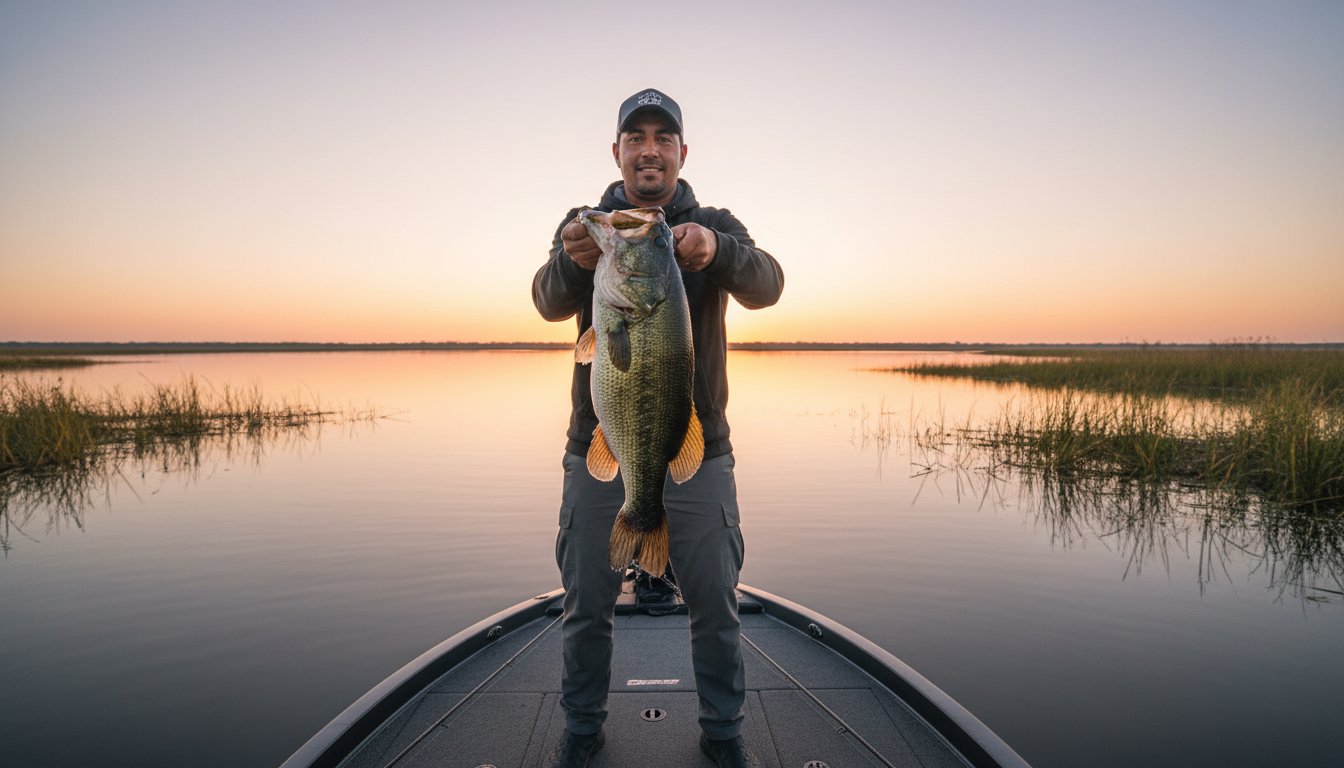

What if the biggest mistake you’re making on Lake Toho is relying on GPS coordinates from three seasons ago? We’ve all been there. You stare at 22,700 acres of hydrilla and Kissimmee grass, feeling completely overwhelmed while wondering if the hawgs moved since your last trip. It’s easy to get frustrated when the vegetation looks identical for miles, and the seasonal patterns seem to shift overnight. You don’t want to spend your day fishing for memories while the real giants are miles away.
I’m going to show you exactly how to dissect this massive ecosystem like a seasoned pro guide. You’ll learn the field-tested 2026 tactics for landing a 10-pound trophy, including when to ditch the artificial lures for live shiners and how to read the submerged grass like a road map. This guide breaks down the current seasonal movements, the heavy-duty gear required for thick cover, and the precise locations where world-class lunkers are staging right now so you can finally land that personal best.
Key Takeaways
-
Learn to identify "good grass" by distinguishing between hydrilla, maidencane, and bulrush to pinpoint exactly where trophy lunkers are holding.
-
Discover why live golden shiners remain the king of the Kissimmee Chain and how to trigger massive explosions using pro-grade topwater frog tactics.
-
Master the seasonal movements of lake toho to target legendary hotspots like South Steer Beach during the spawn or find offshore "oxygen highways" in the summer.
-
Understand the specific vegetation density factors that drive bass positioning, allowing you to stop guessing and start casting with confidence.
-
Get the insider scoop on essential gear and navigation secrets to safely conquer the massive "grass sea" and avoid the common pitfalls of DIY trips.
Table of Contents
Why Lake Toho is the Crown Jewel of Florida Bass Fishing
Welcome to the big leagues. When you talk about legendary Florida bass fishing, one name always rises to the top: Lake Toho. Officially known as Lake Tohopekaliga, this 22,700-acre powerhouse is more than just a body of water. Its Seminole name translates to "we will gather together," and for decades, that’s exactly what trophy hunters have done here. As the headwaters of the 100,000-acre Kissimmee Chain of Lakes, it sets the standard for the entire system.
The numbers coming out of this lake aren’t just hype; they’re backed by science. Florida Fish and Wildlife (FWC) biological surveys consistently show that Lake Toho produces some of the highest densities of Florida-strain largemouth in the state. Local experts point to the "10-pounder per 10 acres" rule. This internal data metric indicates how frequently double-digit fish are sampled during electrofishing. If you want a realistic shot at a personal best, this is your primary target.
Watch this breakdown of tournament-winning strategies to see how the pros tackle these waters:
The Legend of the Rojas Record
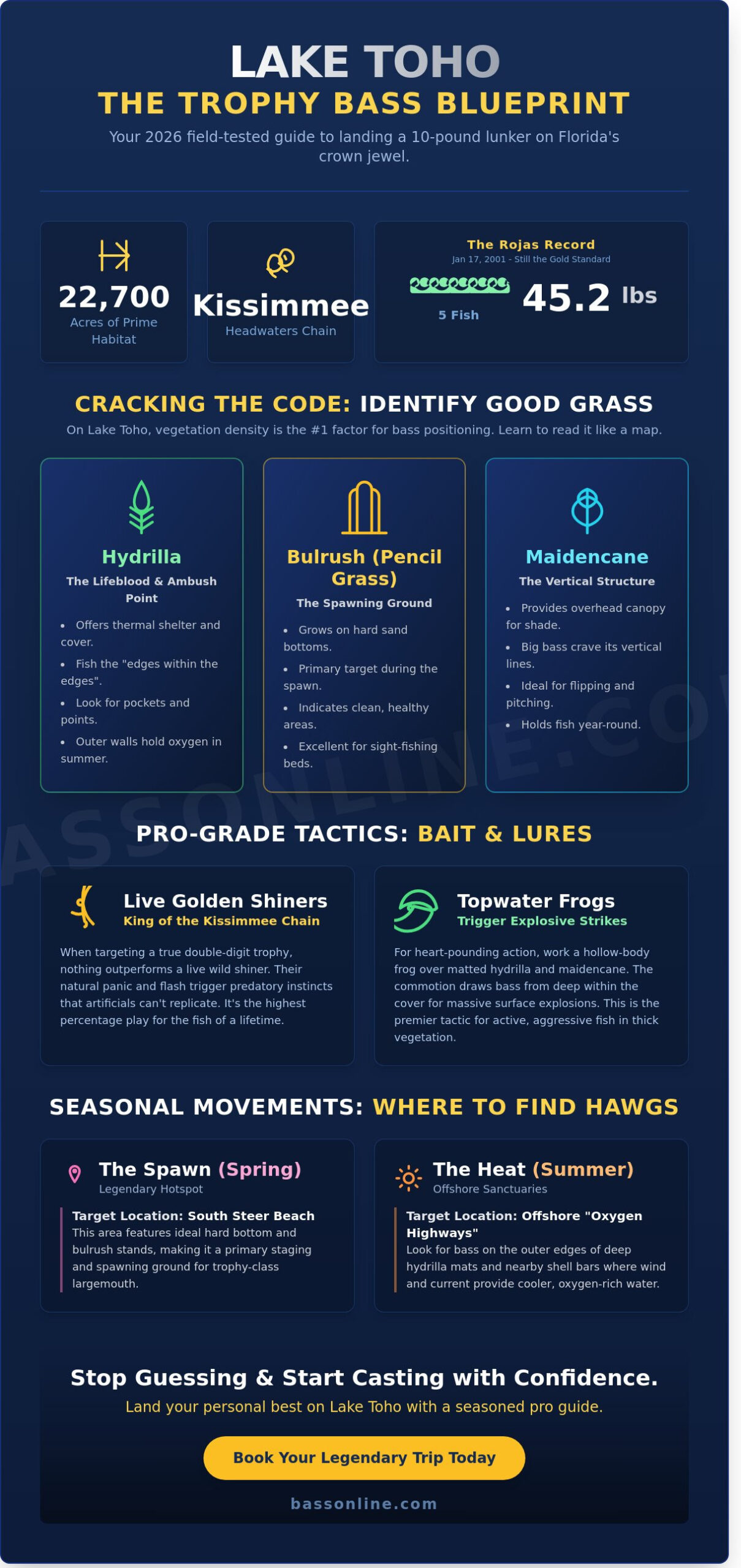
On January 17, 2001, Dean Rojas changed bass fishing history on this lake. He weighed in a four-day total of 108 pounds and 12 ounces, but it was his Day 1 bag that became legendary. That single-day limit of five fish weighed 45 pounds and 2 ounces. Even in 2026, that record remains the gold standard for professional competition. It shifted the mindset of every angler who launches here. You aren’t just catching numbers; you’re hunting for that one giant "lunker" that can anchor a career-defining bag.
A National Destination for Freshwater Anglers
Major tours like Bassmaster and MLF return to Lake Toho year after year because the fishery is incredibly resilient. The lake handles heavy tournament pressure because the bass here grow at an explosive rate. By the start of 2026, updated water management cycles will have significantly improved shoreline spawning habitats. These controlled drawdowns and plantings ensure that the hydrilla and eelgrass beds remain healthy. This creates the perfect nursery for the next generation of hawgs. You can explore more about this system and other top spots on our Florida lakes page or book one of our fishing guides to get on the bite immediately.
Cracking the Code: Vegetation and Habitat Secrets
On lake toho, if you aren’t fishing the grass, you’re just practicing your casting. Vegetation density is the absolute number one factor for bass positioning. These fish use thick cover as ambush points and thermal shelters. To find a trophy, you have to distinguish between different types of greenery. Bulrush, often called pencil grass, typically grows on hard sand. This makes it a primary target during the spawn. Conversely, maidencane and hydrilla offer the vertical structure and overhead canopy that big bass crave year round.
Habitat management is a huge part of the success here. Periodic drawdowns and muck removal projects are designed to keep the lake bottom clean. This process prevents the buildup of organic debris that can smother spawning beds. As highlighted in the FWC Lake Toho Fishing Forecast, these efforts ensure the lake maintains its reputation as a premier big-bass factory. When the shallow vegetation becomes too choked or the water temperature spikes, look for offshore shell bars. These hard-bottom attractors hold fish when the shoreline bite slows down.
The Hydrilla Factor
Hydrilla is the lifeblood of the lake toho ecosystem. You can’t just fish a massive flat and expect results; you need to find the "edges within the edges." Look for subtle depth changes, small pockets, or points where the grass height varies. During the summer, oxygen levels in the center of thick mats can plummet. This forces the bass to move toward the outer walls where wind and current provide better water quality. Ticking the grass with your lure serves as the perfect trigger to snap a bass out of its lethargy and force a violent reaction strike.
Kissimmee Grass and Maidencane
Maidencane is the ultimate nursery for the lake’s legendary baitfish populations. If you see clouds of minnows or shiners flickering near maidencane, a lunker is likely nearby. When the sun is high and the bite gets tough, it’s time to pick up a heavy flipping rod. Punching through thick Kissimmee grass with a 1.5-ounce tungsten weight can reach hawgs that other anglers miss. Pay close attention to "holes" or breaks in the vegetation. These gaps often indicate active feeding zones where bass have cleared a path to ambush their next meal.
If you want to see where the current hot spots are, check out our latest lake reports to stay ahead of the fish.
Live Bait vs. Artificial Lures: Winning the Battle
Winning the battle on lake toho requires more than just a lucky cast. It’s about matching your strategy to the mood of the fish. Whether you’re a seasoned pro or a weekend warrior, the choice between live bait and artificials defines your success rate on these legendary waters. Every angler dreams of that double-digit hawg, but getting one to commit takes a specific set of tools and the confidence to use them.
The golden shiner is the undisputed king of the Kissimmee Chain. While modern technology has changed how we find fish, the raw instinct of a trophy bass chasing a wild shiner remains the same. For those planning a trip, VISIT FLORIDA’s Guide to Lake Toho highlights how this ecosystem supports such massive growth, making live bait the premier choice for anyone hunting a personal best. It’s the most effective way to fool a wary, older fish that has seen every lure in the catalog.
When you want to cover water fast, artificials take center stage. A hollow body frog worked over thick lily pads creates heart-stopping topwater explosions. If you’re searching the massive hydrilla flats, reach for a lipless crankbait or a vibrating jig. These lures allow you to search the water efficiently and trigger reaction strikes. For a more subtle approach, the Speed Worm is a local staple. Its unique tail vibration triggers strikes in heavy cover where other lures get snagged. It’s a versatile tool that every Toho angler should keep rigged and ready.
The Art of the Wild Shiner
Free-lining shiners into heavy cover takes patience and a light touch. You aren’t just tossing bait; you’re managing a live athlete. Watch your shiner closely. When it starts darting erratically or "panicking," get ready. That movement means a predator is closing in. Even in 2026, professional guides rely on this method because nothing mimics the real thing better than a six-inch wild shiner. It’s the most reliable way to target those elusive double-digit lunkers hiding in the vegetation.
Artificial Tactics for Grassy Water
To get to the fish hiding in the thickest muck, you need to master "punching." This technique requires heavy-duty gear: a 7’11" extra-heavy rod, 65-pound braided line, and a 1.5oz tungsten weight to break through the canopy. If the bass are suspended, slow-roll a swimbait just over the tips of submerged grass. You can learn more about the best bass lures for Florida to refine your tackle box before you launch. This approach is all about efficiency and power, ensuring you can pull a giant out of the heaviest cover lake toho has to offer.
Seasonal Patterns: Where to Find Hawgs Year-Round
Cracking the code on lake toho requires more than just a lucky lure; you need to understand the rhythm of the water. In 2026, we saw a significant shift in traditional movements. Record-breaking warm nights in late December pushed the primary spawn window up by 14 days, proving that the old calendars aren’t always set in stone. When the water temps hover between 62 and 68 degrees, the winter and spring rush is on. Big females flood into South Steer Beach, seeking out the protection of the reeds to drop their eggs.
As the heat cranks up in June, the game moves offshore. We target "oxygen highways," which are specific areas where current from the Kissimmee River or wind-driven surface chop keeps the water aerated and cool. By the time October rolls around, the focus shifts to the shad migration. Huge schools of baitfish push into Goblets Cove, and the bass follow right behind them for a fall feeding frenzy. If you find the bait, you find the fish.
Spring Spawn Strategies
Success during the spawn is all about finding the right floor. You want to locate hard-bottom areas near Lanier Point and Browns Point. Bass won’t bed in soft muck; they need sand or shell to protect their eggs. When sight fishing for a lunker, stealth is your best friend. Keep the sun in your face so your shadow doesn’t drape over the bed and spook the fish. For 2026, the full moon phases in February and March triggered the largest waves of trophy bass moving shallow. If you timed your trip within three days of those moons, the action was world-class.
Beating the Florida Summer Heat
During the summer months, the "Early Bird" rule is non-negotiable. You have about 90 minutes of prime light before the sun forces the hawgs into deeper cover. Focus your efforts on offshore vegetative communities or the specific FWC fish attractors located in the center of the lake. These man-made structures hold baitfish and provide the shade bass crave when the mercury hits 90 degrees. Using a heavy jig to punch through thick hydrilla mats is a proven way to reach those big girls hiding in the shadows. Explore our detailed Lake Toho fishing reports to see exactly which structures are producing right now.
Understanding these seasonal shifts is the difference between a long day of casting and a legendary day of catching. Whether you are chasing bed fish in the spring or hunting offshore giants in the summer, staying adaptable is key to conquering Lake Toho. Ready to put these tactics to the test? Book your Lake Toho trophy hunt today and let our pros put you on the fish of a lifetime.
Planning Your Legendary Day on Lake Toho
Lake Toho isn’t just a body of water; it’s a massive, 18,810-acre grass sea that can swallow an unprepared angler whole. Navigating these waters involves more than just pointing a boat and hitting the throttle. You’re dealing with shifting hydrilla islands, submerged timber, and vast flats where every square inch looks identical to the last. For the DIY angler, the struggle is real. You can spend six hours searching for the right vegetation only to realize the lunkers moved to deeper edges two days ago. Precision is everything here. If your boat position is off by fifty yards, you’re likely casting into empty water while the person next to you hauls in a hawg.
Why a Pro Guide Makes the Difference
Internet maps and GPS chips give you a baseline, but they can’t track live bait migrations or water temperature swings in the Kissimmee Chain. Our pros spend over 250 days a year on the water. They don’t just know where the fish were last week; they know where the trophies are feeding right now. When you book a world-class Lake Toho fishing guide , you’re buying years of local intelligence. We track how wind direction pushes baitfish into specific pockets, saving you hours of trial and error. We focus on putting you on a 10-pounder while you focus on the hookset.
Trip Prep and Logistics
Success on Lake Toho requires the right tools and a bit of grit. The Florida sun is relentless, often pushing heat indices over 100 degrees by noon. You need high-quality polarized glasses to cut the surface glare and spot the submerged grass lines where bass ambush their prey. Don’t bring light-duty gear. We’re talking 65-pound braided line and heavy-action rods. A trophy bass will wrap you around a lily pad stem in a heartbeat if you give her an inch. Before you launch, ensure you have your Florida fishing license ready. Staying legal is the first step to a stress-free day on the water.
The ultimate goal is to preserve this premier fishery for the next generation. We practice a strict catch-and-release culture for trophy bass. Snap your photos, get your measurements for a replica mount, and let that big girl go back to her hole. Respecting the resource ensures Lake Toho remains a world-class destination for years to come. Are you ready to land the fish of a lifetime? Join the ranks of legendary anglers who have conquered these waters and experience the raw thrill of a true Florida lunker.
Claim Your Florida Trophy on Lake Toho
You now have the technical roadmap to conquer Lake Toho and land the fish of a lifetime. Success on these waters during the 2026 season depends on your ability to read the vegetation and adapt to shifting weather patterns. Whether you’re punching heavy mats in the Florida sun or pitching live shiners into the Kissimmee grass, focus on the structural details we’ve discussed. Those big hawgs don’t move far, but they do demand precision. Keep your gear tuned and your eyes on the hydrilla edges where the true lunkers wait for an easy meal.
Don’t leave your legendary expedition to chance. We’ve spent over 20 years on these specific waters, growing into the largest guide service in Florida by delivering results every single day. Our professional guides provide the local expertise you need to find the honey holes that others miss. We back every trip with our famous No Fish, No Pay Guarantee; you can focus entirely on the thrill of the catch. The water is calling, and those trophy bass aren’t going to catch themselves.
**Book Your Lake Toho Trophy Bass Hunt with the Pros! **
Grab your gear and let’s get out there to make some memories on the water!
Frequently Asked Questions
What is the best time of year to catch a trophy bass on Lake Toho?
The best time to land a trophy bass on Lake Toho is from January through April. During these 4 months, the big females move into the shallow vegetation to spawn. You’ll find the heaviest weights of the year during this window. Local tournament data shows that 8 pound lunkers are caught 3 times more often in February than in August. If you want a double digit hawg, book your trip for the spring spawn.
Do I need a special permit to fish Lake Tohopekaliga in 2026?
You don’t need a special permit for 2026, but every angler aged 16 to 64 must have a standard Florida freshwater fishing license. These are issued by the Florida Fish and Wildlife Conservation Commission. You can buy a 3 day, 7 day, or annual permit online or at local bait shops. Make sure your license is active before you launch, as FWC officers patrol these waters 365 days a year to protect the resource.
What are the top 3 lures for Lake Toho bass fishing?
The top 3 lures for Lake Toho are live wild shiners, lipless crankbaits, and speed worms. Wild shiners are the undisputed king for trophy bass, accounting for over 90 percent of double digit catches. If you prefer artificials, a 1/2-ounce chrome-and-black lipless crankbait works wonders over hydrilla. For thick cover, a 7-inch June Bug colored speed worm is a local favorite that triggers aggressive strikes from big hawgs.
Is Lake Toho better for bass fishing than Lake Okeechobee?
Lake Toho is often better than Lake Okeechobee for anglers who want a more manageable, high-density trophy experience. While Okeechobee covers 730 square miles, Toho is roughly 18,810 acres, making it easier to locate fish quickly. Data from the FWC TrophyCatch program consistently ranks the lake as one of the top 3 spots in the state for producing bass over 8 pounds. It offers a more intimate setting without the massive boat runs.
How deep is Lake Toho, and how does depth affect the fishing?
Lake Toho has an average depth of 7 to 9 feet, with a maximum depth of around 13 feet in the center. This shallow profile means that even a 1-foot change in water level can significantly shift fish locations. Bass rely on the depth to find cooler water during the summer heat. In the winter, they move into the 2 to 4-foot shallows to find warmth and nesting sites among the reeds and pads.
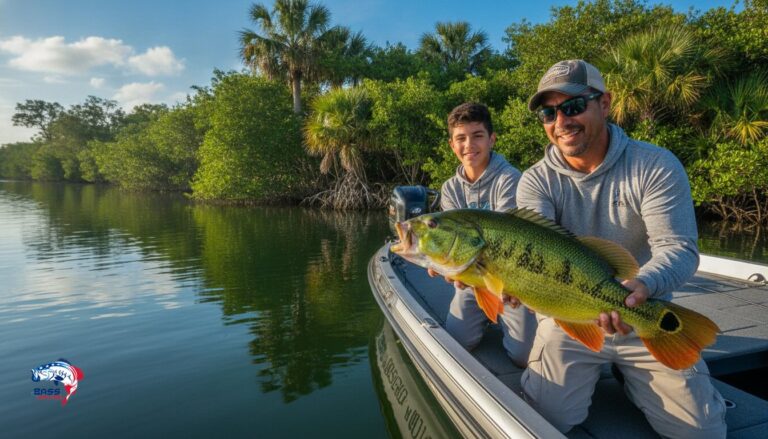
Can I catch peacock bass in Lake Toho?
You won’t find peacock bass in Lake Toho because the water temperatures drop too low during the winter months. These colorful predators are tropical and typically thrive in the southernmost regions of the state where water remains consistently warm. Here, you’re in the heart of legendary Florida strain largemouth territory. Focus your efforts on these native giants, which grow much larger than peacocks and offer a world-class fight in the heavy grass.
What are the best boat ramps for accessing Lake Tohopekaliga?
The lake offers several excellent boat ramps for convenient access. A prominent public park facility features a 6-lane ramp with ample parking, offering easy access to the northern areas of the lake. For those seeking proximity to the famous Grassy Island area, a well-maintained private camp provides an excellent launch point. Both locations put you within a 10-minute boat ride of prime trophy bass habitat.
How much does a guided fishing trip on Lake Toho cost?
The cost of a guided fishing trip on Lake Toho varies based on the duration of the charter and the number of anglers in your party. Most professional guides offer 4-hour, 6-hour, and 8-hour packages to fit your schedule. These rates typically include your boat, fuel, high-end tackle, and safety gear. For the most accurate and up-to-date pricing, check our booking calendar to see current rates for your specific dates.

Article by
Mr Bass
Todd Kersey, widely known and labeled by Field & Stream as Mr. Bass, is a professional angler, accomplished author, and dedicated philanthropist with a lifelong passion for bass fishing. Armed with a degree in Outdoor travel, Mr. Bass has expertly combined his knowledge with his practical fishing experience to become one of the most respected names in the bass fishing, his deep understanding of bass habitats, and fish behavior has earned him numerous accolades as a asset of the sport. Serving 8 yrs as FWC Stakeholder Chair person. Leading and passing cutting edge legislative like the Black Bass Management plan, also successfully building, passing and financing the Trophy Catch program. As CEO he is committed to giving back to the community through his philanthropic efforts. He supports a variety of causes, especially those centered around physical disabilities. Through his advocacy, his mentorship programs inspire anglers to engage using fishing stewardship, helping to foster more than 18 million dollars in donations. Mr. Bass continues to inspire anglers and outdoor enthusiasts alike with his commitment to the sport and the world around him.