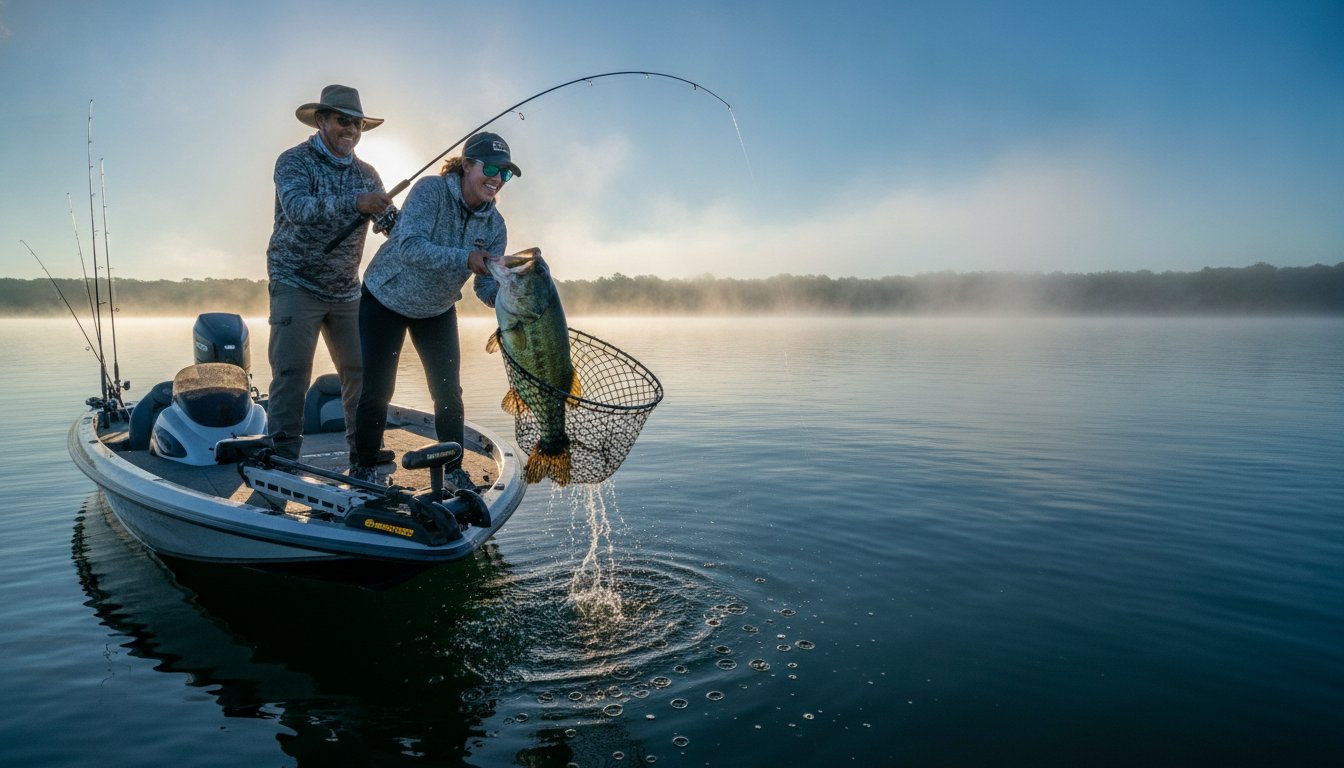

You can spend weeks studying tackle catalogs and watching YouTube videos, but nothing beats the raw excitement of your first big bass slamming a lure. Most beginners feel stuck before they even hit the water because technical jargon like terminal tackle and gear ratios sounds like a foreign language. If you want to skip the frustration and head straight for the win, you need to find a guide for my first freshwater fishing experience who knows the local honey holes. It’s the fastest way to build your confidence and finally understand how the equipment actually works in the field.
It’s completely normal to feel a bit of anxiety about handling fish or accidentally breaking a rod. We’re here to help you move past those hurdles by showing you how to pick a professional who acts as both a coach and a captain. This article covers everything from navigating state licensing rules to the specific questions you should ask a pro before booking. You’ll get a clear roadmap for transitioning from a total novice to a confident angler who knows exactly how to land that first trophy fish. We’ll show you what to look for in a service to ensure you spend your time catching fish rather than untangling lines.
Key Takeaways
- Learn why hiring a professional is the ultimate shortcut to bypassing the learning curve and landing your first bass.
- Master the essential gear basics, from choosing the right rod and reel combo to understanding simple terminal tackle setups.
- Discover the best process to find a guide for my first freshwater fishing experience who provides the boat and expert local knowledge.
- Get actionable tips on basic casting and retrieve styles that turn a novice into a productive angler in just one session.
- Determine whether a four-hour or eight-hour trip fits your goals and which iconic destinations offer the best action for beginners.
What to Expect on Your First Freshwater Fishing Adventure
Freshwater fishing isn’t just a hobby; it’s an accessible, high-action sport that puts you right in the middle of nature’s raw energy. Whether you’re on a calm lake or a winding river, the environment is your classroom. You aren’t just learning to cast; you’re learning to read the water, spot submerged logs, and understand how weather affects the bite. It is an immersive experience that connects you to the outdoors in a way few other activities can match.
Deciding to find a guide for my first freshwater fishing experience is the smartest move a beginner can make. These experts act as the bridge between being a spectator and an active participant in the hunt. Understanding What is a Fishing Guide? helps you realize they aren’t just there to drive the boat; they are seasoned teachers who simplify the learning curve. There’s nothing quite like the “strike.” One second your lure is dancing through the water, and the next, you feel a violent, electric thud travel up the rod and into your arms. It’s a sudden burst of power that gets your heart racing. Freshwater systems are the perfect training ground because they offer consistent action and a variety of structures that make it easier for a beginner to see success quickly.
To get a better sense of how to gear up for success, check out this helpful breakdown for beginners:
Common Freshwater Targets: Largemouth and Peacock Bass
Largemouth Bass are the undisputed kings of the American lake. They are famous for their “bucket” mouths and their willingness to smash a lure with pure aggression. If you’re looking for a fight, these fish deliver. Peacock Bass are the colorful, tropical cousins found in places like Miami. They hit even harder than largemouths and are known for their explosive speed. Both species are the gold standard for first-timers because they are predatory and plentiful. They don’t just nibble; they attack. This aggressive behavior makes them the ideal target when you find a guide for my first freshwater fishing experience who can put you on the bite immediately.
The ‘Catch and Release’ Philosophy
Protecting the water we love is a core part of the journey. Catch and release ensures that the trophy you catch today can be caught by another angler tomorrow. Handling fish properly is a skill your guide will teach you on day one. You’ll learn how to “lip” a bass correctly, supporting its weight so you don’t damage its jaw or gills. Professional guides are the guardians of these fisheries. They’ll show you how to keep the fish wet, minimize handling time, and ensure a strong release every time, preserving the thrill for future generations.
Essential Gear and Preparation for Beginners
You don’t need a boatload of expensive gear to get started. Focus on the “Big Three”: a medium-action rod, a reliable reel, and a quality monofilament line. This combo is the backbone of your day. It needs to be sensitive enough to feel a nibble but strong enough to haul a bass out of the weeds. A sturdy 6 to 7-foot rod is usually the sweet spot for most freshwater situations because it offers a balance of power and control.
When you look to find a guide for my first freshwater fishing experience, you’ll find that most pros provide all the heavy lifting. However, understanding your setup builds confidence before you even step on the boat. Use a Beginner’s Fishing Checklist to ensure you have the basics like terminal tackle. This includes hooks, split-shot weights, and bobbers. Unlike some resources that just list hook sizes, I tell my clients to match the hook to the bait. A size 4 or 6 hook is perfect for a live shiner, while smaller hooks are better for worms. Proper weight selection is also key. You want just enough weight to get your bait down without making it look unnatural to the fish.
Live bait is the ultimate secret weapon for any newcomer. For beginners, using a live golden shiner or a nightcrawler is like using a cheat code. It smells right. It moves right. Artificial lures require a specific “retrieve” or movement to work, which takes practice to master. Live bait does the work for you while you focus on learning how the rod reacts to a strike. Don’t forget your personal protection. A long-sleeve performance shirt and a wide-brimmed hat are mandatory for 8 hours under the sun. Polarized sunglasses are the most underrated tool in the box. They cut the glare on the water, letting you see submerged logs and the fish themselves.
Choosing Your First Rod and Reel
Spin-casting reels are the ones with the push-button on the back. They are nearly impossible to tangle, making them great for kids or absolute novices. Spinning reels have an open face and require you to flip a metal bail. They take five minutes to learn but offer much better casting distance and accuracy. You don’t need “pro-level” carbon fiber rods yet. Start simple and focus on the feel of the fish.
Licensing and Legal Requirements
Every state has its own rules, and they change frequently. For example, in 2026, a resident freshwater license in Virginia costs $23.00, while South Carolina residents pay just $10.00 for an annual permit. Alabama residents can expect to pay around $17.00 for their resident freshwater license. New Jersey is even lifting preseason closures on all lakes and ponds starting February 17, 2026. This is exactly why a professional guide makes licensing easier. They stay on top of these shifting regulations so you don’t accidentally break a law. If you’re still unsure about what to bring, feel free to reach out to our team for a quick equipment rundown.
How to Find the Right Professional Guide for Your First Trip
You can watch hours of video, but a screen can’t correct your grip or show you exactly how to feel a subtle bite. Hiring a professional is the ultimate cheat code for any beginner. When you find a guide for my first freshwater fishing experience, you’re investing in years of trial and error packed into a single morning. A guide provides the high-end tackle, the specialized bass boat, and those guarded local secrets that take decades to learn. It’s about getting an on-the-water education that sticks with you for a lifetime. While resources like Freshwater Fishing Tips provide a solid foundation for your homework, nothing replaces a pro standing right next to you on the casting deck.
Questions to Ask Before Booking
Don’t be afraid to ask direct questions before you put down a deposit. A good guide loves a prepared client. Ask if they provide all the tackle and bait for the trip. You don’t want to show up and realize you were supposed to bring your own shiners. If you’re bringing the family, ask if they are experienced with teaching children or absolute beginners. Some guides specialize in high-stakes tournaments, while others are master teachers who enjoy the “first fish” excitement. Finally, clarify their weather policy. Safety is the priority, so you need to know what happens if a storm rolls in on your scheduled day.
Evaluating Experience and Reputation
Vetting a service is easy if you know where to look. Start by checking fishing charter reviews to see how other first-timers fared. Look for words like “patient,” “educational,” or “helpful.” Local expertise is everything. A guide who lives on the water knows exactly where the “honey holes” are as the seasons shift. We’ve built Bass Online as a multi-state service to ensure that whether you’re in Florida or Texas, you get the same high level of professional reliability. Longevity matters in this business. A service that has been around for decades has survived because they consistently put people on fish and provide a top-tier experience. Finding a guide for my first freshwater fishing experience shouldn’t be a gamble. It should be a guaranteed step toward becoming a better angler.
Key Techniques to Land Your First Bass
Landing your first fish is all about rhythm and timing. Once you find a guide for my first freshwater fishing experience, they’ll hand you a rigged rod, but the actual presentation is in your hands. It starts with a clean cast. Beginners often fear the “bird’s nest,” which is a nasty tangle of line on the reel caused by the spool spinning faster than the line leaves the rod. To avoid this, keep your motion smooth and use your thumb to stop the spool just before the lure hits the surface. A smooth, accurate cast puts your bait right where the fish are hiding without spooking them.
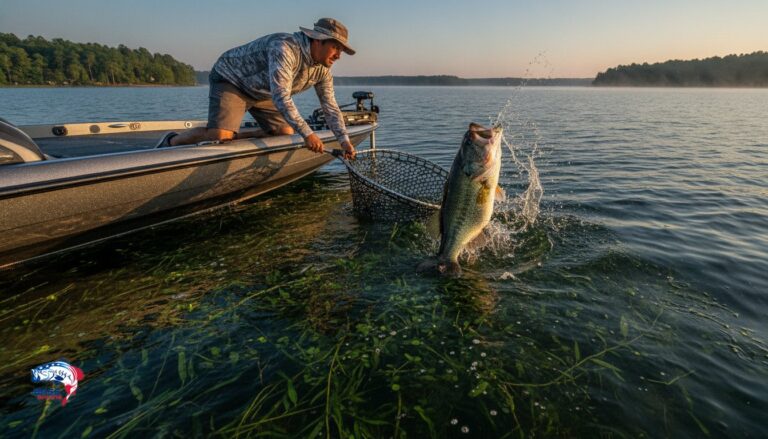
The hookset is the most critical second of the entire trip. When a bass hits, you’ll feel a sudden “thump” or notice the line moving sideways. Don’t just start reeling as fast as you can. You need to “set the hook” by pulling the rod back firmly in a controlled snap to drive the point home. Once you’re hooked up, keep the rod tip up and maintain constant tension. If the line goes slack for even a split second, a smart bass will shake its head and spit the hook right back at you. Keep that pressure on until the fish is safely in the net.
Mastering the Retrieve
A steady retrieve works, but the “stop-and-go” method is often the secret to a big day. Imagine a wounded baitfish; it doesn’t swim in a perfect line. It darts and pauses. Adding a slight “twitch” of the rod tip makes your lure look vulnerable. This sudden movement triggers a strike from a cautious bass that was just following the bait. In rivers, cast upstream and let the current carry your lure naturally past the fish.
Identifying ‘Fishy’ Structure
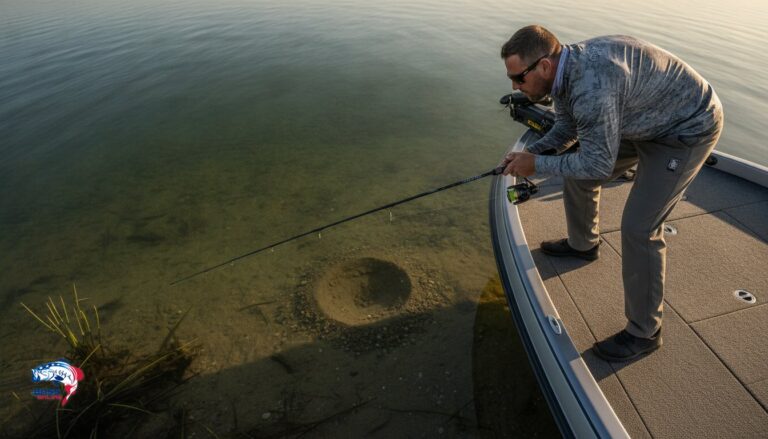
Bass are ambush predators. They hide in lily pads, fallen logs, and thick grass lines. During the heat of the day, bass seek the shade and underwater cover these areas provide. Use your polarized sunglasses to look for “edges” where the vegetation meets open water. When you find a guide for my first freshwater fishing experience, they’ll show you exactly how to spot these high-percentage zones. Learning to read these spots is what separates a lucky angler from a consistent one.
If you’re ready to feel that first strike for yourself, contact us to book your first trip and let’s get you on the water.
Planning Your First Guided Fishing Adventure
You have the techniques down and the gear list ready. Now, you need to pick the perfect stage for your debut. When you look to find a guide for my first freshwater fishing experience, the destination is just as important as the person behind the wheel. You might be tempted by the most famous names in the industry, but “numbers” lakes are often better for beginners than trophy-only waters. These are spots where the action is fast and frequent, giving you more chances to practice your hookset and feel that raw power on the line. Most trips run either 4 or 8 hours. For a first-timer, a 4-hour half-day is usually perfect to get your feet wet without the fatigue of a full day under the sun. However, an 8-hour trip gives your pro more time to adapt to shifting weather patterns, often leading to a much higher catch count.
Top Locations for Your First Trip
We operate across dozens of premier freshwater lakes, each offering a unique vibe. If you want high-speed action, ask your guide for a lake known for high density rather than just giant individuals. Seasonal patterns play a massive role here. In the spring, fish are often shallow and aggressive, while summer requires finding deeper shade and structure. When you find a guide for my first freshwater fishing experience, they will steer you toward the right water for the current month, ensuring you aren’t fighting an uphill battle against the elements.
Booking Your Trip with Confidence
Ready to make it happen? Use the Bass Online explore tool to find a trip near you and see real-time availability. Top-tier guides operate with a performance-based mentality, meaning their reputation is built on your success. They want you to catch fish just as much as you do. There is no substitute for the confidence you gain by spending a morning with a professional who has spent thousands of hours on the water. Stop overthinking the jargon and start fishing. Book your first professional bass fishing trip today!
Ready to Land Your First Trophy?
You now have the roadmap to transition from a total novice to a confident angler. By focusing on the right retrieve techniques and understanding how to read underwater structure, you’re already ahead of the curve. The smartest move you can make is to find a guide for my first freshwater fishing experience who knows the water inside and out. We take the guesswork out of the day by providing professional-grade tackle and high-performance boats on every outing.
Bass Online brings over 25 years of professional guiding experience to the water, giving you exclusive access to the nation’s premier freshwater “honey holes.” You don’t need to worry about gear or technical jargon. We handle the heavy lifting so you can focus on the thrill of the strike. It’s time to stop reading and start catching. Book Your First Professional Bass Fishing Trip with Bass Online today. The fish are waiting, and there’s no better time than right now to start your journey.
Frequently Asked Questions
Do I need to bring my own fishing rod on a guided trip?
No, you don’t need to bring any equipment at all. We provide top-tier, professional-grade rods, reels, and all the tackle you’ll need for the day. Our gear is meticulously maintained to ensure it performs perfectly when a big bass hits your line. If you have a personal favorite rod you’re dying to use, you’re welcome to bring it along, but it isn’t necessary for a successful trip.
Is a fishing license included in the price of a charter?
No, you must purchase your fishing license separately from the state’s wildlife agency. For example, in 2026, a resident freshwater license in Virginia costs $23.00, while Alabama residents pay $17.00. Most states offer convenient online portals where you can buy a temporary or annual permit in minutes. Securing this before we launch is a vital step when you find a guide for my first freshwater fishing experience.
What happens if I’ve never fished before? Will the guide teach me?
Absolutely, teaching is a core part of what we do. Our guides are seasoned experts who love showing novices the ropes, from basic casting to mastering the perfect hookset. We’ll be right there to correct your form and explain the “why” behind every move we make. You’ll gain more practical knowledge in one morning on the boat than you would from months of watching videos. It’s the best way to find a guide for my first freshwater fishing experience and build real confidence.
What is the best time of day for a beginner to go fishing?
Early morning is the gold standard for high-action fishing. Bass are most active during the “low light” hours around sunrise when they move into shallower water to feed aggressively. This window offers the best chance for a beginner to see multiple strikes and stay engaged with the action. While afternoon trips can still be productive, the morning bite is typically more consistent and forgiving for those just starting out.
Can I bring my kids on a professional bass fishing trip?
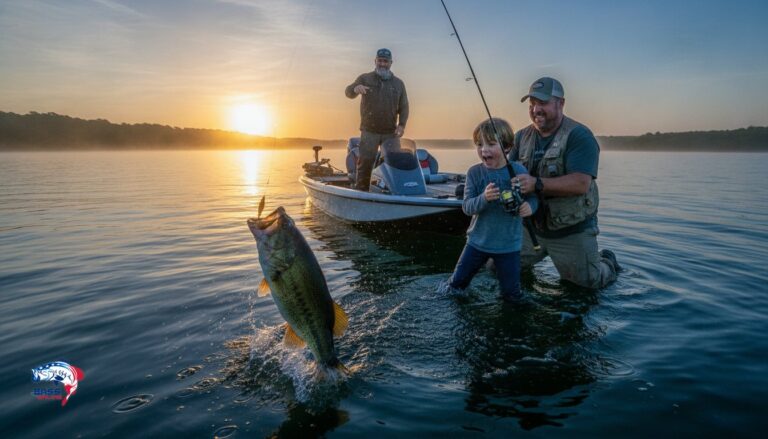
Yes, we highly encourage families to bring their children along for the adventure. Our boats are safe, stable, and equipped with all the necessary safety gear to make the trip comfortable for all ages. There’s nothing quite like the excitement of a child landing their first fish. We’ll tailor the pace of the trip to ensure the kids stay excited and involved from the first cast to the last.
What should I wear for a day on a freshwater lake?
Wear breathable, light-colored clothing and a wide-brimmed hat for maximum sun protection. You’ll be on the water for several hours, so staying cool and shielded from UV rays is your top priority. Polarized sunglasses are also a must-have tool. They cut through the surface glare, allowing you to see submerged structure and fish like a pro. Don’t forget non-slip shoes to keep your footing on the boat deck.
Do we keep the fish we catch, or is it all catch and release?
We primarily practice catch and release to protect our premier freshwater fisheries. Releasing these fish ensures that the population remains healthy and that future generations can enjoy the same world-class action. Your guide will show you how to handle the fish properly to ensure a strong release. We’ll make sure you get plenty of high-quality photos with your trophy before we let it swim back to its “honey hole.”
How much should I tip my fishing guide?
Tipping is a standard industry practice, and 15-20% of the total trip cost is the typical range. This is the best way to show your appreciation for the guide’s hard work, local expertise, and the hours of preparation they put in before you arrived. Your tip reflects the quality of the service and the effort your pro spent ensuring you had a safe, educational, and successful day on the water.

Article by
Mr Bass
Todd Kersey, widely known as Mr. Bass by Field & Stream, is a professional angler, accomplished author, and dedicated philanthropist with a lifelong passion for bass fishing. Armed with a degree in Outdoor Travel, Mr. Bass has expertly combined his knowledge with his practical fishing experience to become one of the most respected names in bass fishing.
His deep understanding of bass habitats and fish behavior has earned him numerous accolades as an asset to the sport. Serving 8 years as FWC Stakeholder Chairperson. Leading and passed cutting-edge legislation, such as the Black Bass Management Plan, and successfully built, passed, and helped finance the Trophy Catch program.
As CEO, he is committed to giving back to the community through his philanthropic efforts. He supports a variety of causes, especially those centered around physical disabilities. Through his advocacy, his mentorship programs inspire anglers to engage in fishing stewardship, helping to raise more than $18 million dollars in donations. Mr. Bass continues to inspire anglers and outdoor enthusiasts alike with his commitment to the sport, industry, and the world around him.