
A high-end bass boat and a flashy jersey don’t guarantee a single trophy lunker in the net. You’ve probably felt that familiar knot in your stomach when booking a charter, wondering if you’re about to drop $549.99 on a full-day trip just to get stuck with a grumpy captain or hit with hidden gear fees. It’s a valid concern for the 57.7 million anglers across the U.S. who want more than just a boat ride; they want a legendary day on the water. I’ve seen too many people waste their hard-earned money because they didn’t know the right questions to ask before hitting the lake.
I’m going to show you exactly how to choose a bass fishing guide who actually delivers on the “No Fish, No Pay” promise and helps you land a personal best. Our pro guides landed over 5,300 trophy catches during the 2025 season because we follow a strict standard of excellence that puts the client first. This guide breaks down the 2026 pro checklist, covering everything from vetting Forward-Facing Sonar skills to spotting hidden costs before you ever pay a deposit. You’ll learn how to find a captain who teaches you new techniques you can take home to your local pond.
Key Takeaways
- Define your mission early to pick between a high-energy “numbers day” or a dedicated hunt for a trophy hawg.
- Master the professional vetting process and learn how to choose a bass fishing guide by verifying essential credentials like a USCG license and proper insurance.
- Insist on the 2026 tech standard, including Forward-Facing Sonar and tournament-grade tackle, to give yourself the best edge on the water.
- Spot red flags in pricing and communication early so you can avoid hidden fuel surcharges and guides who don’t prioritize your experience.
- Understand why a “No Fish, No Pay” guarantee is the gold standard for ensuring your captain is as invested in the catch as you are.
Define Your Mission: Numbers vs. Trophy Hawgs
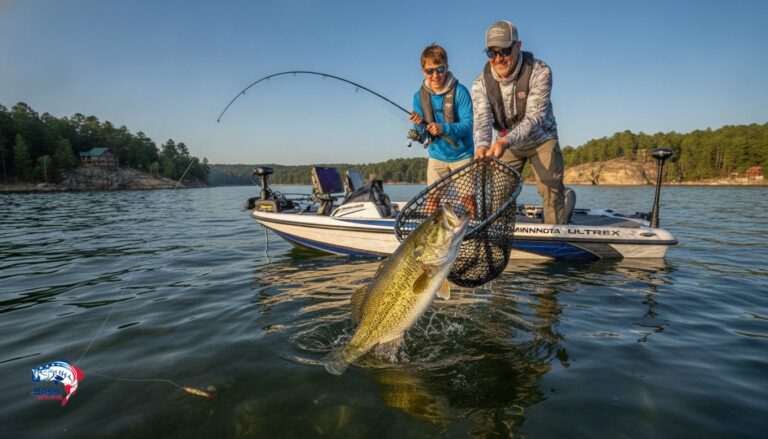
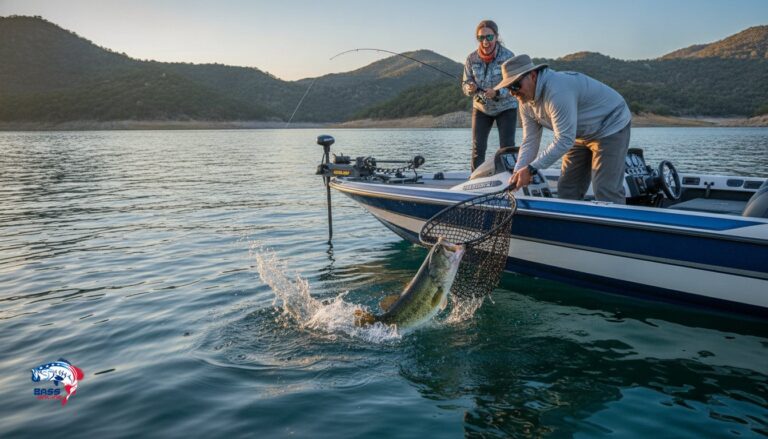
Before you ever pick up the phone, you must decide what a successful day on the water looks like for you. Are you looking to keep the rods bent all day with high-action “numbers,” or are you willing to grind it out for one bite from an 10 pound hawg? This decision is the foundation of how to choose a bass fishing guide who aligns with your goals. A numbers-focused trip in the Florida Everglades might yield 50 fish in a single afternoon; however, a trophy hunt on Lake Okeechobee might only produce five bites. The difference is that those five bites could all be the fish of a lifetime. You need to be honest about your patience level before booking.
To better understand the gear and mindset needed for different missions, watch this helpful video:
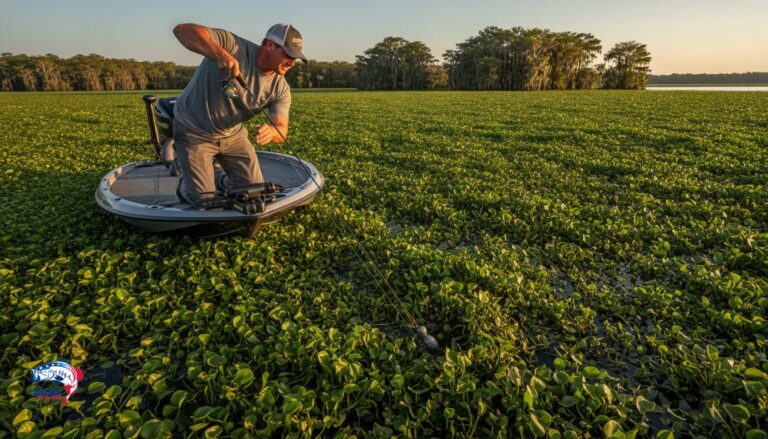
Your target species also dictates the type of expert you need. A guide who specializes in Miami Peacock Bass uses entirely different tactics than a pro hunting for largemouth in the thick vegetation of Lake Toho. Peacock bass are aggressive, daylight hunters that thrive in the heat, while largemouth often follow strict seasonal patterns. If you’re booking for May 2026, you’re hitting the post-spawn transition. During this time, fish move toward deeper structure to recover, making a guide’s knowledge of offshore ledges and submerged brush piles critical for success.
Learning the Electronics and Techniques
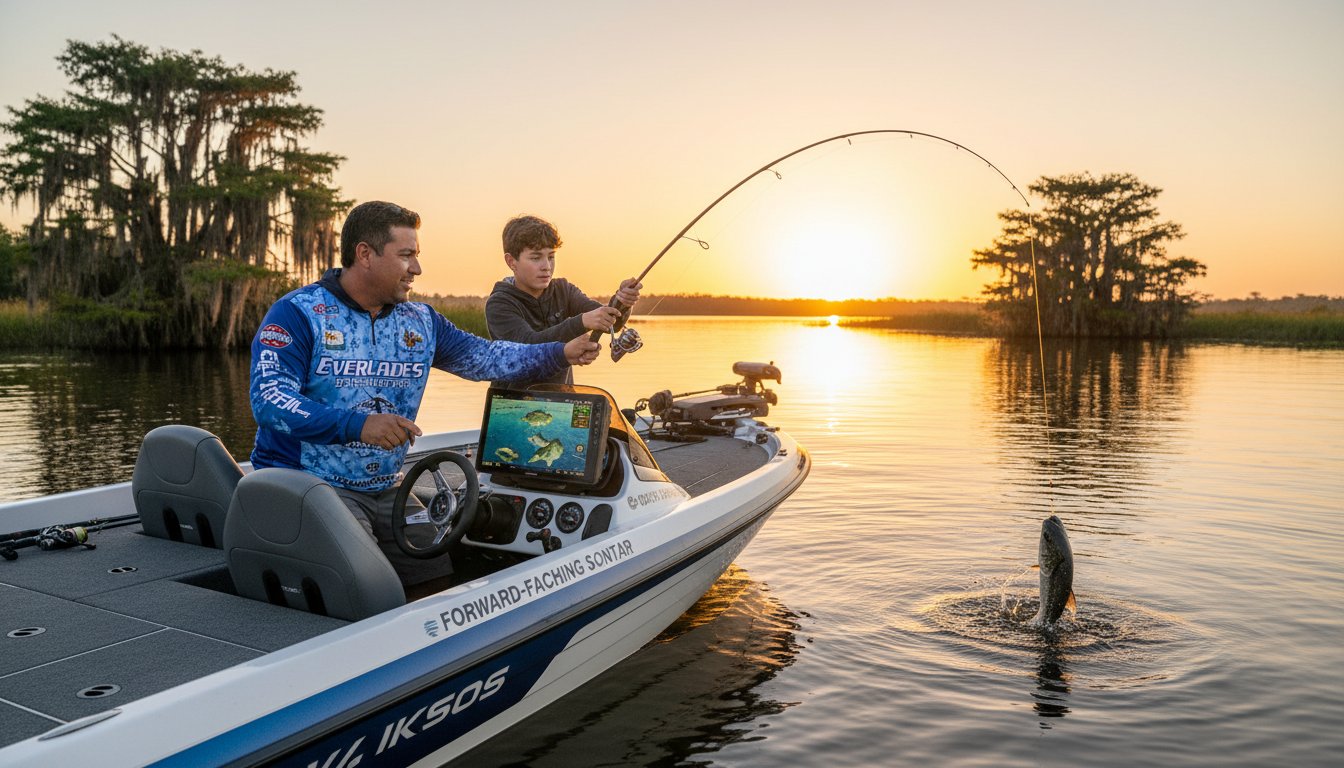
Many anglers book a pro specifically to flatten the learning curve on new technology. If you want to master Forward Facing Sonar (FFS), you need a “teaching guide” rather than a “tournament-style” guide who just wants to put fish in the boat quickly. A teaching guide slows down to explain the “why” behind every cast. This “lake education” is the most valuable part of the trip. It’s about more than just catching; it’s about refining your bass fishing 101 skills so you can find fish on your home water. Ask potential guides if they’re comfortable spending time on electronics instruction before you commit.
Hunting for a Personal Best (PB)
If you’re strictly hunting for a personal best, look for guides who specialize in wild shiners or giant swimbaits. Trophy hunting requires a captain with extreme patience and deep roots in the local waterways. They should know exactly which dock or cypress knee held a giant last week. While the history of bass fishing shows that techniques always evolve, the locations where big fish live remain remarkably consistent. Don’t be afraid to ask for a guide’s “big fish” track record from the last 30 days. A true pro will proudly show you photos of the 5,300 trophy catches our team recorded in 2025 as proof of their local expertise.
The Professional Vetting Checklist: Credentials Matter
I’ve seen plenty of guys with a boat and a social media account claim they’re “pros,” but a real expert is defined by their paperwork and their persistence. When you’re learning how to choose a bass fishing guide, the first thing you should ask for isn’t a picture of a 10-pounder. It’s their USCG Captain’s License number. If they hesitate, hang up. A license isn’t just a piece of paper; it’s proof they’ve passed medical exams, background checks, and rigorous safety tests. Professionalism starts before the boat ever leaves the trailer.
Beyond the license, run the “Current Fishing Report” test. Ask the guide what the bite was like yesterday at 2:00 PM. A true pro who’s on the water 200 days a year will tell you exactly which lure worked and how the wind shifted the baitfish. If they give you a generic answer about “fishing being good lately,” they probably haven’t been out in a week. This level of detail is a major part of vetting a fishing guide properly. You want someone who’s dialed into the current 2026 seasonal patterns, not someone relying on what worked three years ago.
Legal Requirements and Safety
Safety is paramount when you’re miles from the ramp in the Everglades or out on the vast waters of Lake Erie. A USCG license ensures your captain understands navigation rules and emergency procedures. Equally important is commercial liability insurance specifically for freshwater charters. Personal boat insurance rarely covers paying passengers. If something goes wrong, you want to know the operation is professional and protected. Always check established fishing guide rosters to ensure you’re booking through a legitimate service that vets its captains for these non-negotiables.
Reading Between the Lines of Reviews
Don’t just look at the star rating. Dive into the text of fishing charter reviews to find mentions of punctuality and gear maintenance. You want to see comments about the guide’s attitude when the bite is slow. Anyone can be a hero when the fish are jumping in the boat. A real pro works harder when the sun is high and the wind is dead. Look for reviews from the last six months to ensure the guide is still at the top of their game.
Many anglers get blinded by tournament trophies. While a tournament win is impressive, it doesn’t mean that person knows how to teach a beginner or handle a family trip. “Years in business” is a much better metric for a client-focused experience. A guide who has survived a decade in this industry knows that customer service is just as important as the honey hole. If you have questions about a specific captain’s style or their equipment, feel free to reach out to our team for a direct recommendation.
Gear and Technology: What Should the Guide Provide?
When you’re figuring out how to choose a bass fishing guide, you shouldn’t just look at the captain; you need to look at their “office.” In 2026, the standard for professional angling has shifted dramatically. If your guide isn’t running the latest Forward Facing Sonar (FFS) like Garmin LiveScope Plus or Lowrance ActiveTarget 2, you’re fishing with a handicap. These tools allow us to see fish in real-time, tracking their reaction to the lure before they ever strike. You’re paying for an edge, so make sure your guide provides one. A pro who hasn’t upgraded their electronics is likely missing the fish that a tech-savvy guide is catching every day.
Beyond the screens, the rods and reels in the locker tell the real story. I always tell clients to expect tournament-grade equipment. If you’re handed a beat-up setup from a bargain bin, that’s a major red flag. A premier service provides high-performance gear from brands like Shimano or G. Loomis. This quality ensures that when a 10-pound hawg finally hits, your gear won’t fail you. Also, clarify the “hidden” costs before you arrive at the ramp. While our rates typically include fuel and ice, remember that live bait like wild shiners is an additional cost. In 2026, shiners often run between $10 and $24 per dozen, and a full day of trophy hunting can easily go through four or five dozen.
Forward Facing Sonar and Modern Tactics
FFS has completely changed the “search and destroy” method we use to find roaming bass. Instead of blind casting at a bank, we’re hunting specific fish. When you book, ask if the guide will give you hands-on instruction on how to read these units. It’s a skill you can take back to your own boat. You should also verify that the guide’s tackle is specifically tuned for the species you’re chasing. A finesse setup used for Lake Erie smallmouth won’t survive a battle with a trophy largemouth buried in the heavy hydrilla of Lake Toho.
The Quality of the Vessel
A 20+ foot bass boat isn’t just about speed; it’s about safety and deck space. You need room to cast without hooking your partner, and you need a hull that can handle a sudden afternoon chop on big water. A clean, well-maintained boat reflects a guide’s professionalism and attention to detail. Before you step on the dock, make sure you’ve handled your Florida fishing license requirements. Most freshwater guides require you to have your own license ready, as these fees contribute directly to state conservation and stocking programs.
Communication and Logistics: Avoiding the Horror Stories
A legendary day on the water actually starts in your inbox or on your phone. If you’re wondering how to choose a bass fishing guide who won’t leave you frustrated, pay close attention to that first interaction. Does the captain respond within a few hours, or does it take three days? Professionalism isn’t just about catching fish; it’s about respecting your time. A pro guide who treats their business as a career will provide a specific meeting location, like a named boat ramp, rather than a vague “see you at the lake” text. They’ll also have a clear plan for the 2026 season, knowing exactly how the current weather patterns are shifting the bite.
Weather policies are another critical filter. You need to know exactly what happens if a Florida thunderstorm blows in mid-trip. A reliable guide prioritizes your safety over the paycheck. They should have a clear policy on lightning and high winds, especially on big water like Lake Okeechobee or Lake Erie where conditions turn dangerous fast. If a trip is cut short, a professional operation has a fair, prorated system or a reschedule plan already in place. Don’t leave these details to chance while you’re standing on the dock.
Transparency in Pricing and Fees
The cheapest guide often ends up being the most expensive after “add-ons” hit your wallet. I’ve seen anglers get blindsided by $50 fuel surcharges or unexpected ice and tackle fees at the end of the day. When you explore different destinations, look for transparent pricing. Our 2026 rates are clearly defined, with half-day trips starting at $349.99. While things like live bait and licenses are extra, there shouldn’t be any mystery about the base rate. We even stand by a “No Fish, No Pay” policy. It’s the ultimate guarantee that your guide is working just as hard as you are to put a lunker in the boat.
The Pre-Trip Interview
Don’t be afraid to ask tough questions before you send a deposit. You need to know the guide’s personality. Are they a “drill sergeant” who gets grumpy if you miss a hookset, or a “host” who wants you to enjoy the scenery? Ask how many people can comfortably fish from their deck. For a safe and high-energy trip, you don’t want to be crowded. Most 20-foot pro boats handle two or three anglers perfectly, but adding more can compromise safety and casting room. If you want a captain who matches your specific goals, contact our team directly to find your perfect match.
Booking Your Trip: Why Bass Online is the Gold Standard
Now that you’ve got the pro checklist in hand, the final step is putting it into action. You can spend hours scouring the web for a captain, or you can tap into the largest network of vetted, professional bass guides in the United States. We created Bass Online because we know the stress of trying to figure out how to choose a bass fishing guide who actually knows their stuff. We’ve done the heavy lifting for you; we ensure every captain in our fleet meets the high bar for 2026 technology and safety. Our “No Fish, No Pay” policy isn’t just a slogan; it’s our personal guarantee that we’re as invested in your success as you are.
Our booking process is designed to be as fast and aggressive as a topwater strike. You select your lake, choose your duration, and we handle the rest. We verify that every boat is equipped with tournament-grade gear and the latest electronics before it ever makes it onto our roster. This ensures that when you step on the dock, you’re stepping into a world-class experience. We’ve spent years building deep roots in these waterways, and that local knowledge is what turns a good trip into a legendary one. If you’re ready to land your next personal best, the search ends here.
National Reach with Local Expertise
We vet our fishing guides against the exact USCG and insurance standards I mentioned earlier. Whether you’re hunting for a personal best in the Everglades or chasing giant smallmouth on Lake Erie, you’re getting a local hero who lives on that water. Booking through a reputable service provides an extra layer of consumer protection that a solo operation just can’t match. We coordinate the logistics across dozens of legendary lakes, so you can focus on making the perfect cast while we handle the details.
The Bass Online Promise
A trip with us is never just a boat ride. We prioritize high-energy, adventurous expeditions that focus on results. If you want to learn how to read a graph or how to pitch into heavy hydrilla, we’re here to teach. Our team helped anglers land over 5,300 trophy catches during the 2025 season, and we’re ready to beat that number in 2026. We focus on education and trophy hunting, ensuring every client leaves the water as a better angler than when they arrived. Don’t settle for a mediocre day on the water when you can hunt for a legendary hawg with the best in the business. Book your next adventure with confidence today and let’s get those rods bent.
Ready to Set the Hook on Your Next Trophy?
You now have the ultimate pro checklist for the 2026 season. You know that vetting a captain’s USCG license and checking for the latest LiveScope tech are the non-negotiables for a successful day. Knowing how to choose a bass fishing guide isn’t just about avoiding a bad experience; it’s about ensuring you have the best possible chance to land a legendary lunker. Whether you’re hunting for a personal best on Lake Okeechobee or exploring the thick vegetation of Lake Toho, the right preparation makes all the difference. You’ve learned how to spot red flags and how to find a teacher who actually improves your skills on the water.
As the largest freshwater guide service in the U.S., we back every single trip with thousands of 5-star reviews and our famous “No Fish, No Pay” guarantee. We’ve spent decades perfecting this insider experience so you can focus entirely on the raw excitement of the catch. Don’t leave your next expedition to chance or settle for a subpar boat ride. Book Your Trophy Bass Adventure with the Nation’s Top Guides! I’ll see you out there on the water, and we’ll make sure those rods stay bent all day long.
Frequently Asked Questions
How much should I tip a bass fishing guide in 2026?
A tip of 15% to 20% is the industry standard for a hard-working guide in 2026. This gratuity shows your appreciation for the early mornings, specialized gear maintenance, and the deep local knowledge shared throughout the day. If your captain put in extra effort to help you land a legendary trophy hawg or spent time teaching you complex electronics, tipping on the higher end of that scale is customary.
Do I need to bring my own fishing rod and tackle on a guided trip?
Professional guides provide all the tournament-grade rods, reels, and artificial lures you need for a successful expedition. We typically use high-end equipment from premier brands like Shimano or G. Loomis to ensure you have the best edge on the water. You are always welcome to bring your own favorite lucky rod, but it is certainly not a requirement for any of our professional charters.
What happens if we don’t catch any fish during the charter?
If we don’t catch a single fish, we stand by our distinctive “No Fish, No Pay” guarantee. This policy is a critical part of how to choose a bass fishing guide because it ensures your captain is working at 100% intensity from the moment the engine starts. It removes the risk for the angler and proves that our team is results-driven and committed to your success on the water.
Is a fishing license included in the price of a guided bass trip?
Fishing licenses are not included in the base rate of the trip and must be purchased by the angler. In Florida, for example, any resident or non-resident over the age of 16 must have a valid license to fish public waterways. These small fees contribute significantly to state conservation and stocking programs, helping to maintain the healthy populations of lunkers we target every season.
Can I bring my kids on a professional bass fishing charter?
We absolutely encourage families to bring their kids along to experience the raw excitement of a big catch. A professional charter is a fantastic way to teach young anglers the fundamentals of the sport in a safe, high-energy environment. Just make sure to let us know the ages of your children ahead of time so we can have the proper safety gear and life jackets ready.
What should I wear for a full day of bass fishing on the water?
You should wear moisture-wicking performance clothing and polarized sunglasses for a full day on the water. Polarized lenses are a non-negotiable tool because they cut surface glare, allowing you to see submerged structure and roaming bass more clearly. I also recommend a wide-brimmed hat and plenty of sunscreen to protect yourself from the intense sun during those long, legendary afternoon grinds.
How far in advance should I book a popular bass fishing guide?
You should aim to book a top-tier guide at least 30 to 60 days in advance, particularly during peak seasonal windows. With 57.7 million anglers in the United States, the most experienced captains fill their calendars quickly. Learning how to choose a bass fishing guide includes planning ahead to ensure you secure the best talent for high-profile locations like Lake Okeechobee or the Everglades.
Do fishing guides provide lunch and drinks, or should I pack my own?
Most guides provide a cooler with ice and bottled water, but you are responsible for packing your own lunch and additional drinks. Keeping your energy high is vital when you are casting all day for trophy bass. We suggest bringing a small soft-sided cooler with sandwiches and snacks that can be easily stowed. This keeps the deck clear for action while ensuring you stay fueled for the hunt.

Article by
Mr Bass
Todd Kersey, widely known as Mr. Bass by Field & Stream, is a professional angler, accomplished author, and dedicated philanthropist with a lifelong passion for bass fishing. Armed with a degree in Outdoor Travel, Mr. Bass has expertly combined his knowledge with his practical fishing experience to become one of the most respected names in bass fishing.
His deep understanding of bass habitats and fish behavior has earned him numerous accolades as an asset to the sport. Serving 8 years as FWC Stakeholder Chairperson. Leading and passed cutting-edge legislation, such as the Black Bass Management Plan, and successfully built, passed, and helped finance the Trophy Catch program.
As CEO, he is committed to giving back to the community through his philanthropic efforts. He supports a variety of causes, especially those centered around physical disabilities. Through his advocacy, his mentorship programs inspire anglers to engage in fishing stewardship, helping to raise more than $18 million dollars in donations. Mr. Bass continues to inspire anglers and outdoor enthusiasts alike with his commitment to the sport, industry, and the world around him.