 Guides Wanted
Pymatuning Reservoir

0 Reviews




Quick Summary
Pymatuning Reservoir is a 17,088-acre Ohio–Pennsylvania fishery known for walleye, crappie, perch, bluegill, muskellunge, carp, and bass.
Top Fishing Guides on Pymatuning Reservoir
Guides WantedPymatuning Reservoir Reviews
Top Target Species on Pymatuning Reservoir
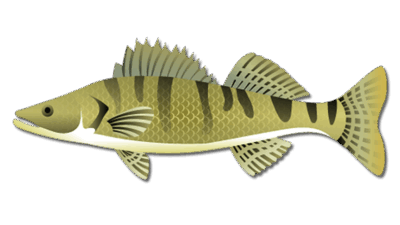
Walleye
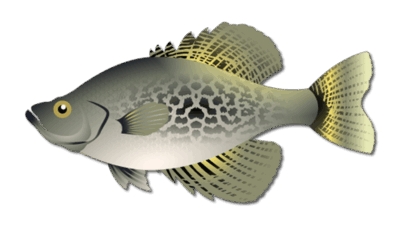
Crappie
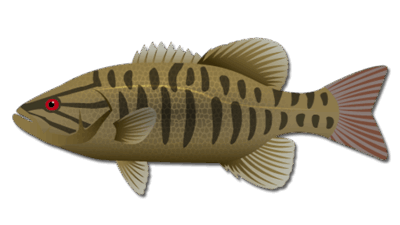
Smallmouth Bass
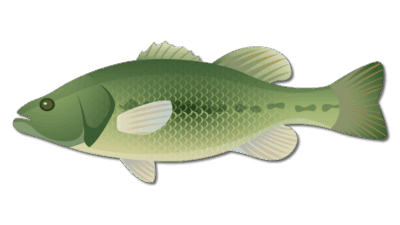
Largemouth Bass
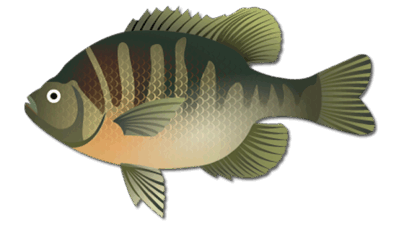
Bluegill
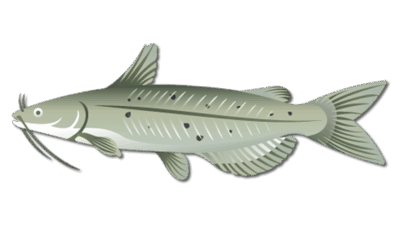
Channel Catfish
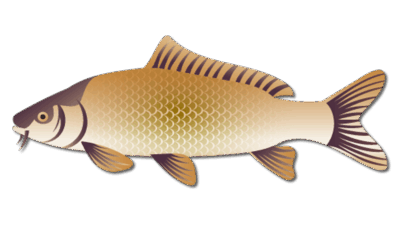
Common Carp



Frequently Asked Questions about Pymatuning Reservoir
What fish are in Pymatuning Reservoir?
Pymatuning supports walleye, muskellunge, crappie, yellow perch, bluegill, carp, channel catfish, and both largemouth and smallmouth bass.
How large is Pymatuning Reservoir?
Pymatuning Reservoir covers approximately 17,088 acres across the Ohio–Pennsylvania border.
When is the best time to fish Pymatuning Lake?
April through June is a strong period for walleye, crappie, bass, and panfish. September through November is another productive window as the water cools and baitfish concentrate.
Can I fish the entire reservoir with an Ohio or Pennsylvania license?
A valid Ohio or Pennsylvania license is honored throughout the lake when fishing by boat. Shore anglers need the license for the state shoreline from which they fish.
Where can I fish from shore at Pymatuning?
Public shoreline, causeways, marina areas, accessible piers, and the Jamestown, Espyville, and Linesville areas provide shore-fishing opportunities. Check current park access before traveling.
Fishing Pymatuning Reservoir
Pymatuning Reservoir is a 17,088-acre warmwater fishery spanning the Ohio–Pennsylvania border. The lake reaches into Ashtabula County, Ohio, and Crawford County, Pennsylvania, with extensive public shoreline, marinas, boat launches, camping, and year-round fishing opportunities. Anglers commonly call it both Pymatuning Reservoir and Pymatuning Lake.
The lake is best known for walleye, crappie, yellow perch, bluegill, muskellunge, carp, and both largemouth and smallmouth bass. The Pennsylvania Department of Conservation and Natural Resources’ Pymatuning fishing guide confirms the reservoir’s major sportfish and explains its interstate fishing-license rules. Visitors can also review the official Pymatuning State Park information before planning access, camping, or other recreation.
Where Is Pymatuning Reservoir?
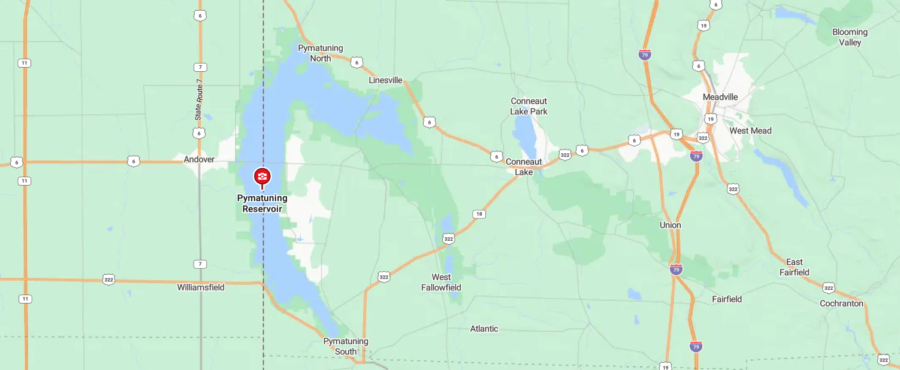
Pymatuning Reservoir lies about midway between Erie and Pittsburgh, with Linesville and Espyville on the Pennsylvania side and Andover near the Ohio side. The reservoir impounds the Shenango River and was developed for flood control, water conservation, recreation, and downstream water supply. Although most of the water lies in Pennsylvania, the reservoir and its public recreation areas belong to both states.
Travelers approaching from northwestern Pennsylvania can use our Erie fishing destination guide to explore other regional opportunities. Our Pennsylvania fishing guide also connects Pymatuning with other fisheries across the Commonwealth.
Pymatuning Reservoir Fishing
Pymatuning offers shallow flats, submerged channels, weed edges, points, riprap, bridge areas, stump fields, and offshore structure. Water levels, wind direction, forage movement, and seasonal temperature changes determine which areas are most productive. Because this is a large, relatively shallow reservoir, wind can build quickly; anglers should check conditions before crossing open water.
Spring brings walleye toward shallow shorelines, causeways, and current-influenced areas. Crappie and bluegill move toward protected bays, brush, docks, and emerging vegetation as the water warms. Bass become more active around rock, wood, vegetation, and shoreline cover. During summer, fish often spread along deeper edges and channel structure, making trolling, drifting, and controlled presentations useful. Fall cooling can concentrate baitfish and renew shallow activity.
Popular Fish Species
Walleye
Walleye are one of Pymatuning’s signature species. Early spring anglers often work jigs, minnows, blade baits, and crankbaits near causeways, rocky shorelines, points, and moving water. As temperatures rise, trolling plugs or crawler harnesses across flats and channel edges can help cover water. Low-light periods are usually productive because walleye often feed most actively around dawn, dusk, and after dark.
Crappie, Yellow Perch, and Bluegill
Crappie gather around brush, submerged timber, docks, bridge structure, and channel edges. Small jigs and minnows are dependable choices, especially during spring and fall. Yellow perch may roam flats and deeper basin areas in schools, while bluegill move toward shallow cover and spawning areas from late spring into summer.
Largemouth and Smallmouth Bass
Largemouth bass favor vegetation, protected bays, docks, wood, and other shallow cover. Smallmouth bass are more often associated with rock, riprap, points, causeways, and firmer bottom. Spinnerbaits, jerkbaits, crankbaits, soft plastics, jigs, and topwater lures can all be effective when matched to the season and water clarity.
Muskellunge, Carp, and Catfish
Pymatuning also supports muskellunge, common carp, channel catfish, and other warmwater species. Muskie anglers cover broad weed edges, points, and open-water structure with larger moving baits. Carp are especially visible near the famous spillway, while catfish anglers target deeper channels and low-light periods with natural baits.
Best Times to Fish Pymatuning Lake
April through June is a strong all-around window for walleye, crappie, bass, and panfish. September through November brings cooler water and another productive feeding period. Summer fishing can remain good early and late in the day, particularly along weed edges and deeper structure. Ice fishing for walleye, perch, and crappie is popular during suitable winters, but the park does not monitor ice thickness; anglers must verify conditions and carry proper safety equipment.
Boat Access and Shore Fishing
Pymatuning State Park provides multiple launch areas, marinas, accessible fishing piers, and long stretches of fishable shoreline. Pennsylvania access includes the Jamestown Day Use Area and the Espyville and Linesville marina areas. Launch availability, marina services, and seasonal operating hours can change, so visitors should confirm current conditions with the appropriate state park before traveling.
Shore anglers can target causeways, piers, marinas, riprap, and accessible bank areas. Boat anglers gain access to broad flats, submerged channels, offshore structure, and less-pressured shoreline cover. A detailed chart and current electronics are useful because the lake’s shallow expanses and channel changes can be difficult to read from the surface.
Fishing Licenses and Regulations
When fishing from a boat on Pymatuning Reservoir, a valid fishing license from either Ohio or Pennsylvania is honored throughout the lake. Shore anglers must carry the license for the state shoreline from which they are fishing. Limits and seasons can be water-specific, so check the current Pennsylvania Fish and Boat Commission seasons, sizes, and creel limits and the applicable Ohio regulations before a trip. Pennsylvania visitors can also use our Pennsylvania fishing-license guide.
Pymatuning Spillway
The Linesville spillway is famous for dense gatherings of carp and the longtime phrase “where the ducks walk on the fish.” It remains one of the reservoir’s best-known sightseeing stops. Visitors should follow posted rules and current park guidance around wildlife, fish feeding, parking, and shoreline access rather than relying on older traditions or outdated travel information.
Things to Do at Pymatuning State Park
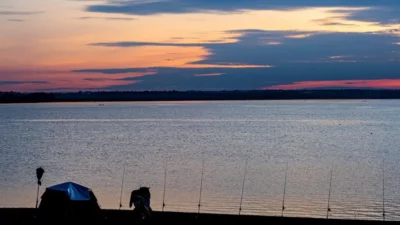
Beyond fishing, the two-state park system supports boating, paddling, camping, hiking, wildlife watching, picnicking, and seasonal swimming. The Beaver Dam Trail near Linesville is an easy forested loop, while the reservoir’s broad western views make it a popular sunset destination. Bald eagles and other waterbirds are regularly seen around the lake.
For a fishing-focused visit, choose lodging or camping near the section you plan to fish, check wind and launch conditions, and bring presentations for both shallow cover and offshore structure. Pymatuning is large enough that a flexible plan is more useful than trying to cover the entire reservoir in one day.
Nearby Lake Destinations
Explore the nearby lake and city recommendations below for more fishing options in northwestern Pennsylvania and northeastern Ohio.
Pymatuning Reservoir Fishing Calendar
🔥 Hot
✅ Good
🐢 Slow
| Species | Jan | Feb | Mar | Apr | May | Jun | Jul | Aug | Sep | Oct | Nov | Dec |
|---|---|---|---|---|---|---|---|---|---|---|---|---|
| Walleye | ||||||||||||
| Crappie | ||||||||||||
| Smallmouth Bass | ||||||||||||
| Bluegill |
No targeted species marked for Jan.
No targeted species marked for Feb.
No targeted species marked for Mar.
No targeted species marked for Apr.
No targeted species marked for May.
No targeted species marked for Jun.
No targeted species marked for Jul.
No targeted species marked for Aug.
No targeted species marked for Sep.
No targeted species marked for Oct.
No targeted species marked for Nov.
No targeted species marked for Dec.
Featured Post for Pymatuning Reservoir