 Guides Wanted
Marsh Creek Lake

0 Reviews
Quick Summary
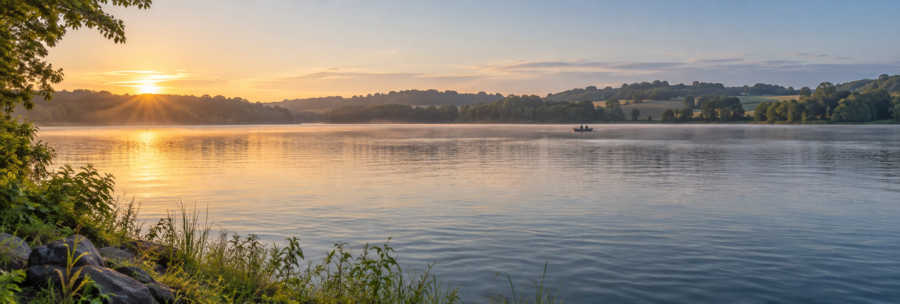
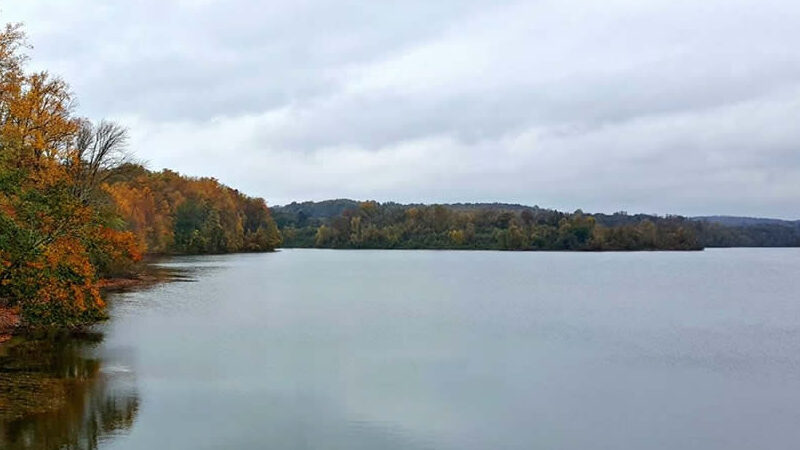
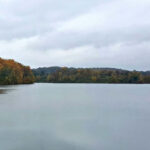
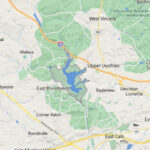
Marsh Creek Lake is a 535-acre warmwater reservoir at Marsh Creek State Park in Chester County, Pennsylvania. It is a designated Big Bass lake with largemouth bass, channel catfish, crappie, panfish, and tiger muskie.
Top Fishing Guides on Marsh Creek Lake
Guides WantedMarsh Creek Lake Reviews
Top Target Species on Marsh Creek Lake
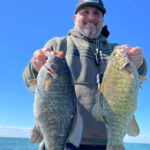
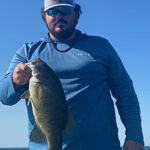
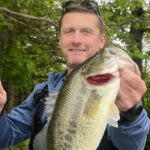
Largemouth Bass
Crappie
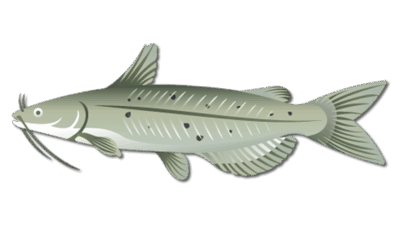
Channel Catfish
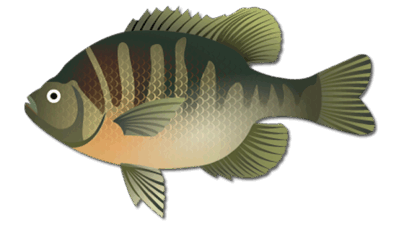
Bluegill
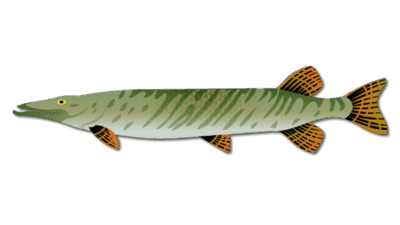
Musky Fish


Frequently Asked Questions about Marsh Creek Lake
What fish can you catch at Marsh Creek Lake?
Common targets include largemouth bass, channel catfish, black crappie, bluegill and other panfish. Tiger muskies are also present and can reach trophy size.
How deep is Marsh Creek Lake?
Marsh Creek Lake averages roughly 40 feet deep and reaches approximately 73 feet in its deepest water. Pennsylvania DCNR provides official depth maps for trip planning.
Is Marsh Creek Lake good for bass fishing?
Yes. Pennsylvania designates Marsh Creek Lake as a Big Bass water. Vegetation edges, protected coves, points, windblown banks, and depth transitions are useful places to begin.
Are gasoline motors allowed on Marsh Creek Lake?
No. Pennsylvania DCNR permits electric motors at slow, no-wake speed. Kayaks, canoes, rowboats, sailboats and paddleboards are also commonly used.
Can you fish from shore at Marsh Creek Lake?
Yes, portions of the park provide shoreline access. Conditions vary with vegetation and water level, so bank anglers should cover accessible areas where deeper water approaches shore.
Can you ice fish at Marsh Creek Lake?
Ice fishing is permitted when natural ice forms, but the park does not monitor ice thickness. Anglers must evaluate conditions, carry safety equipment and avoid assuming the ice is uniform.
Marsh Creek Lake Fishing Guide
Marsh Creek Lake is a 535-acre warmwater reservoir inside Marsh Creek State Park in Chester County, Pennsylvania. The lake is best known for largemouth bass, but anglers also target channel catfish, black crappie, panfish, and tiger muskies. The Pennsylvania DCNR fishing guide for Marsh Creek State Park identifies the lake as a Big Bass water and notes that special bass regulations apply.
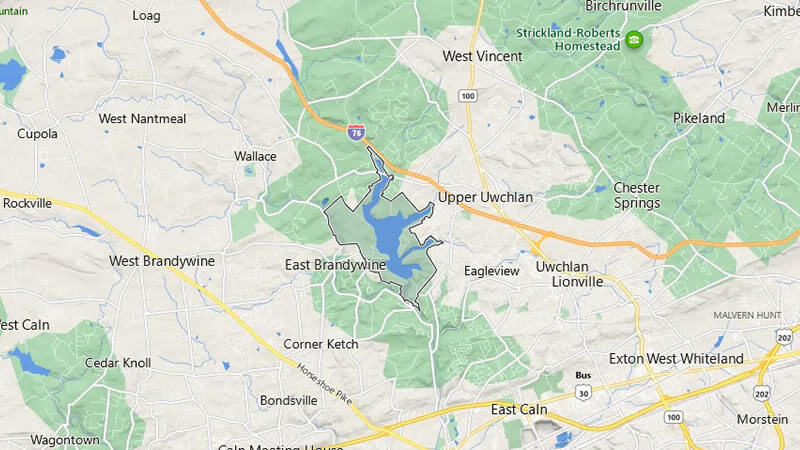
For anglers searching for Marsh Creek fishing information, the key facts are straightforward: this is the 535-acre lake at Marsh Creek State Park near Downingtown, not the park’s total acreage and not another Marsh Creek reservoir in a different state. Its points, coves, vegetation, drop-offs, and deeper basin give both boat and shore anglers several productive seasonal patterns.
How Deep Is Marsh Creek Lake?
Marsh Creek Lake averages roughly 40 feet deep and reaches approximately 73 feet in its deepest water. The lake’s depth changes quickly in places, which helps explain why fish can shift from shallow cover to deeper structure as weather and water temperature change. Anglers can review the official Marsh Creek Lake depth maps before a trip.
Rather than fishing the deepest water automatically, use the map to locate transitions: points that fall toward the old channel, inside turns, secondary drops, and flats next to deeper water. Those changes in depth give fish nearby feeding areas and quick access to stable water.
Fish Species in Marsh Creek Lake
Largemouth Bass
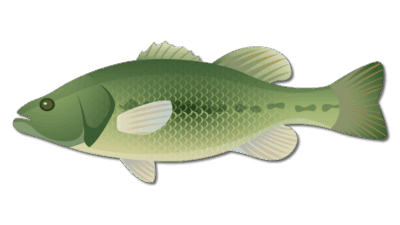
Largemouth bass are the lake’s signature gamefish. In spring, look for protected coves, emerging vegetation, shallow wood, and gradual banks near spawning areas. Through summer, bass often use deeper vegetation edges, points, shade, and offshore breaks. Fall can bring fish back toward feeding flats and windblown shorelines as baitfish move.
Crappie and Panfish
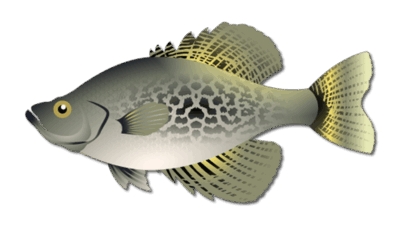
Crappie and bluegill provide accessible opportunities for families and bank anglers. Small jigs, minnows, and light tackle work around brush, shoreline cover, dock areas, and depth changes. During spring, fish may move shallower; in summer and winter, precise depth control becomes more important.
Channel Catfish
Channel catfish can be targeted along points, flats, and deeper edges, especially during low-light periods. Natural baits presented near bottom are standard choices. Move when an area does not show activity rather than waiting too long in one unproductive spot.
Tiger Muskie
Tiger muskies add a trophy-sized predator to the fishery. DCNR reports that anglers have landed tiger muskies measuring 40 inches. Use heavier tackle, long pliers, and a landing net suitable for large fish, and handle every fish carefully. These fish are less numerous than bass or panfish, so success generally requires patience and deliberate coverage of high-percentage structure.
Best Marsh Creek Fishing Spots
The best fishing spots at Marsh Creek Lake change with the season, but several types of structure consistently deserve attention:
- Vegetation edges: Work the inside and outside edges with plastic worms, swim jigs, spinnerbaits, or shallow crankbaits.
- Main-lake and secondary points: Use crankbaits, jigs, and bottom-contact presentations where points fall toward deeper water.
- Protected coves: These areas warm early in spring and can hold spawning bass, crappie, and bluegill.
- Windblown banks: Wind can concentrate baitfish and activate bass when water clarity remains fishable.
- Deep transitions: In summer, winter, or after a cold front, use the depth map to find breaks and basin edges near shallower feeding areas.
Shore access is available in portions of the park, but bank anglers should expect vegetation and changing water levels to affect casting lanes. Travel light, cover multiple accessible stretches, and focus on spots where deeper water approaches the shoreline.
Seasonal Fishing Patterns
Spring
Spring is one of the strongest periods for Marsh Creek bass fishing. Start on staging points and transition banks, then move into protected pockets as water warms. Spinnerbaits, jerkbaits, crankbaits, jigs, and soft plastics let anglers cover different depths without abandoning a productive area too quickly.
Summer
During summer, early morning and evening usually offer comfortable conditions and more shallow activity. As the sun rises, work shade, vegetation edges, points, and deeper structure. Slow presentations can help when bright skies or fishing pressure make bass less aggressive.
Fall
Cooling water can improve fishing along points, coves, and windblown banks. Moving lures help locate active bass, while small jigs remain useful for crappie and panfish. Follow baitfish and adjust depth as conditions change.
Winter
Open-water anglers should slow down and concentrate on deeper structure. Ice fishing is permitted when natural ice forms, but DCNR states that ice thickness is not monitored. Check conditions personally, carry safety equipment, and never assume that ice is uniform across the lake.
Boating and Launch Access
The official Marsh Creek boating information allows electric motors at slow, no-wake speed. Gasoline-powered motors are not permitted. The lake has two launches, and the west side provides 24-hour boat-launch access. Kayaks, canoes, rowboats, sailboats, paddleboards, and properly registered electric motorboats are common.
Confirm current registration or launch-permit requirements before arriving. Wind can build quickly across open water, so small-craft anglers should monitor conditions and carry required personal flotation devices.
Fishing Regulations and Licenses
Marsh Creek Lake participates in Pennsylvania’s Big Bass Program. Minimum sizes, seasons, and harvest limits can change, so review the current Pennsylvania seasons, sizes, and creel limits before fishing. During any closed-harvest period, follow the current rules for immediate release and spawning areas.
Most anglers need a valid Pennsylvania fishing license. Review the Pennsylvania fishing license guide while planning, then use the state’s official licensing system for the current permit.
Planning a Marsh Creek Fishing Trip
The park office is at 580 Park Road, Downingtown, Pennsylvania, and the lake sits in north-central Chester County. The surrounding park is open daily, while offices, rentals, and seasonal facilities may follow separate schedules. Confirm hours and access conditions directly with the park before traveling.
A local guide can help shorten the learning curve on an unfamiliar reservoir. Browse the Marsh Creek Lake fishing guides directory for currently available options. If no Bass Online guide is assigned to this lake, the guide carousel will display the appropriate recruitment option automatically.
Nearby Pennsylvania Fishing Destinations
Use the nearby-city and related-destination sections below to compare other Pennsylvania fishing areas while keeping Marsh Creek Lake as the primary destination.
Featured Post for Marsh Creek Lake