 Guides Wanted
Lake Oconee

0 Reviews
Quick Summary
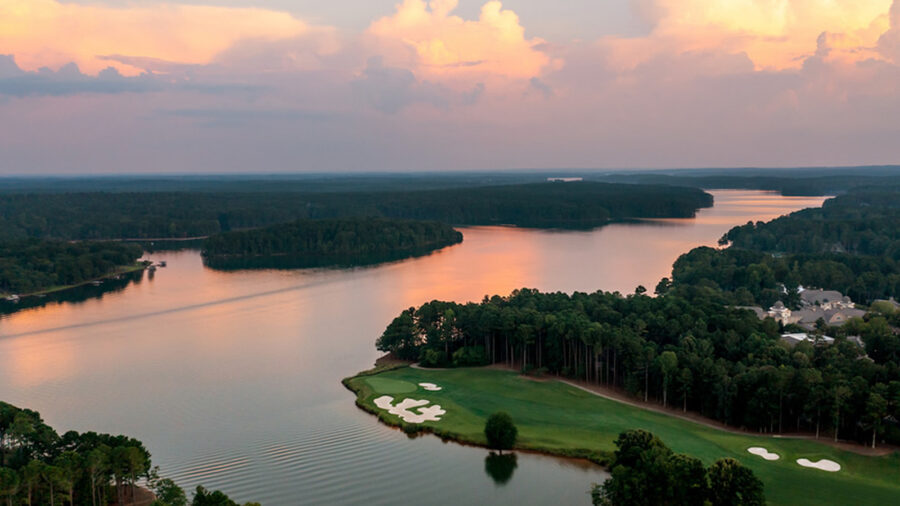
Lake Oconee is a 19,050-acre Georgia reservoir known for largemouth bass, black crappie, hybrid and white bass, and catfish, with productive current generated by the Wallace Dam pump-storage operation.
Top Fishing Guides on Lake Oconee
Guides WantedLake Oconee Reviews
Top Target Species on Lake Oconee
Largemouth Bass
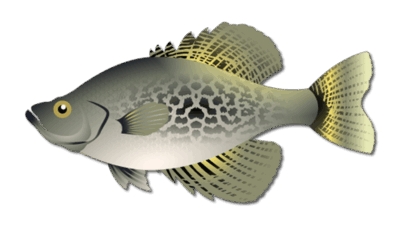
Crappie

Hybrid Striped Bass
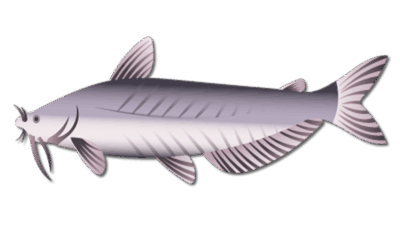
Blue Catfish
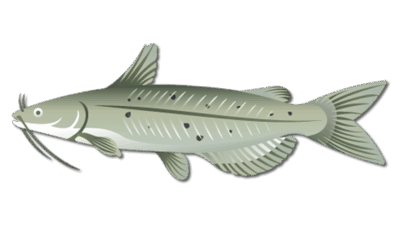
Channel Catfish
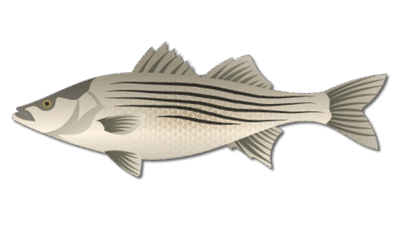
Striped Bass
Frequently Asked Questions about Lake Oconee
What fish are in Lake Oconee?
Georgia DNR identifies largemouth bass, black crappie, hybrid-striped bass, blue catfish, channel catfish, and white bass as the reservoir’s best bets. The state forecast also discusses striped bass opportunities.
How large is Lake Oconee?
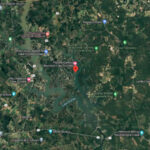
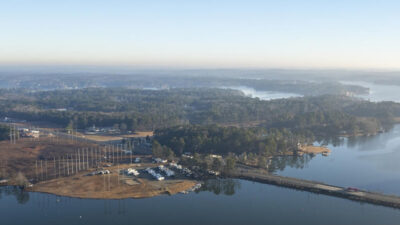
Lake Oconee covers about 19,050 acres. It is a long, narrow Georgia Power reservoir located mainly in Greene County near Madison, Greensboro, and Eatonton.
Why does current matter when fishing Lake Oconee?
Wallace Dam’s generation and pump-back operation creates noticeable current. Georgia DNR notes that fish often become more active and feed more aggressively when water is moving through the dam.
When is the best time to fish Lake Oconee?
Fishing is available year-round. Spring and fall are especially productive for largemouth bass and crappie, while current-driven feeding windows can improve hybrid, white bass, and catfish activity in multiple seasons.
Do I need a Georgia fishing license at Lake Oconee?
Georgia generally requires anglers age 16 and older to carry a current fishing license. Check the current Georgia DNR regulations for exemptions, limits, and any updated rules before fishing.
Can I eat fish caught from Lake Oconee?
Many anglers keep legal fish, but meal frequency can vary by species and fish size. Review Georgia EPD’s current fish-consumption guidelines before deciding what to keep and how often to eat it.
Fishing Lake Oconee
Lake Oconee fishing is built around moving water, a productive forage base, and several strong warmwater fisheries. Georgia DNR identifies largemouth bass, black crappie, hybrid-striped bass, blue catfish, channel catfish, and white bass as the reservoir’s best bets. That fish-species intent matters: anglers searching for what lives in Lake Oconee should get a verified answer before tactics, resorts, or general tourism.
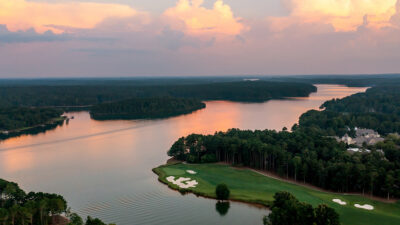
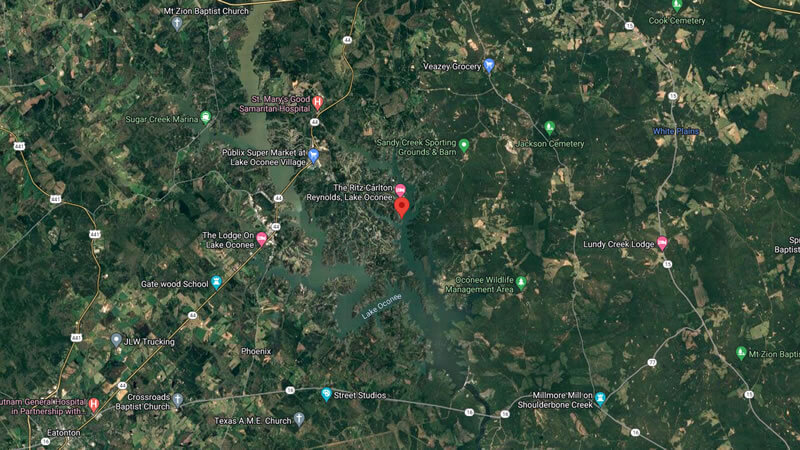
Lake Oconee covers about 19,050 acres and lies mainly in Greene County near Madison, Greensboro, and Eatonton. It is operated as a pump-storage hydropower reservoir with Lake Sinclair. According to the Georgia DNR Lake Oconee fishing forecast, generation and pump-back create noticeable current, and fish often feed more aggressively when water is moving through Wallace Dam.
What Fish Are in Lake Oconee?
The current Georgia DNR forecast highlights these Lake Oconee fish species:
- Largemouth bass
- Black crappie
- Hybrid-striped bass
- Blue catfish
- Channel catfish
- White bass
The state forecast also discusses striped bass. Older versions of this page listed smallmouth bass, stocked trout, walleye, and yellow perch as regular Lake Oconee targets; those claims are not supported by the current DNR reservoir forecast and have been removed.
Lake Oconee Bass Fishing
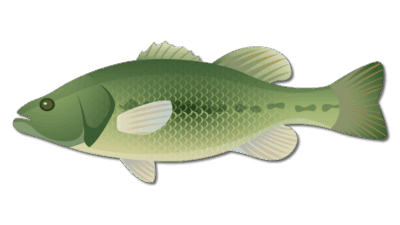
Largemouth bass are the primary black-bass target. Spring anglers can work shallow cover, docks, seawalls, creek pockets, and secondary points with jigs, Texas-rigged plastics, spinnerbaits, and shallow crankbaits. Topwater action can improve when bass move shallow and light levels are low.
As temperatures rise, follow fish toward deeper docks, main-lake points, ledges, and channel-related structure. Current can position bass on the most efficient feeding side of a point or piece of cover. During fall, baitfish movement often brings bass back into creek arms and toward transition banks. Slow jigs and finesse presentations remain useful during colder periods.
Crappie, Hybrid Bass, and White Bass
Black crappie provide a major seasonal fishery. Georgia DNR recommends targeting creek systems and upper creek arms, then following fish toward river channels, standing timber, bridges, and creek mouths as conditions change. Small jigs, minnows where legal, and controlled-depth presentations help locate schools.
Hybrid-striped bass and white bass frequently respond to current and bait movement. Look for schooling activity, birds, electronics marks, and current seams. Live bait, spoons, swimbaits, and trolling presentations can all be effective. Pure striped bass are also covered in the state forecast, but hybrids and white bass are the stronger highlighted opportunities.
Catfish Fishing
Lake Oconee supports blue and channel catfish. Anglers can fish creek channels, flats near deeper water, current breaks, and river-influenced areas with legal natural or prepared baits. Current and seasonal water temperature affect how actively catfish move and feed, so adjust depth rather than remaining committed to one shoreline.
Fishing Access and Nearby Cities
Public access, ramp status, and local conditions should be confirmed before departure. The closest city represented in our lake data is Eatonton, Georgia, while Greensboro and Madison are also closely associated with the reservoir. Visitors coming from farther away can explore more Georgia fishing lakes and compare Georgia fishing guides.
Water movement can change during a fishing day, so treat current as part of the pattern. When generation starts, revisit points, bridge areas, channel edges, and other places where moving water concentrates forage.
Lake Oconee Fishing Regulations and Fish Consumption
Georgia generally requires anglers age 16 and older to carry a valid fishing license. Seasons, creel limits, length limits, and exemptions can change; use the current Georgia DNR fishing resources rather than an old limit copied from another website.
Fish-consumption advice is different from fishing regulations. Before keeping fish for meals, consult the Georgia EPD fish-consumption guidelines, which provide species- and water-specific recommendations. This is more accurate than making a blanket claim that every fish is always safe to eat.
Plan a Lake Oconee Fishing Trip
Start with the species and season, then use current to refine the location. Spring and fall are strong for bass and crappie; hybrids, white bass, and catfish can become especially active when water moves. Review the Georgia DNR fishing forecasts, check weather and ramp conditions, and bring tackle that can cover both shallow cover and deeper channel-related structure.
Lake Oconee Fishing Calendar
🔥 Hot
✅ Good
🐢 Slow
| Species | Jan | Feb | Mar | Apr | May | Jun | Jul | Aug | Sep | Oct | Nov | Dec |
|---|---|---|---|---|---|---|---|---|---|---|---|---|
| Largemouth Bass | 🔥 Hot | 🔥 Hot | 🔥 Hot | 🔥 Hot | ||||||||
| Striped Bass | 🔥 Hot | 🔥 Hot | 🔥 Hot | 🔥 Hot |
No targeted species marked for Jan.
No targeted species marked for Feb.
Largemouth Bass
🔥 Hot
Largemouth Bass
🔥 Hot
Striped Bass
🔥 Hot
Largemouth Bass
🔥 Hot
Striped Bass
🔥 Hot
Largemouth Bass
🔥 Hot
No targeted species marked for Jul.
No targeted species marked for Aug.
Striped Bass
🔥 Hot
Striped Bass
🔥 Hot
No targeted species marked for Nov.
No targeted species marked for Dec.
Featured Post for Lake Oconee