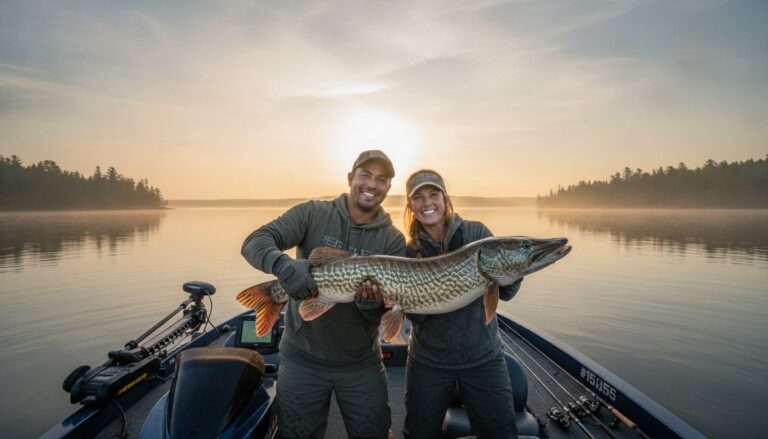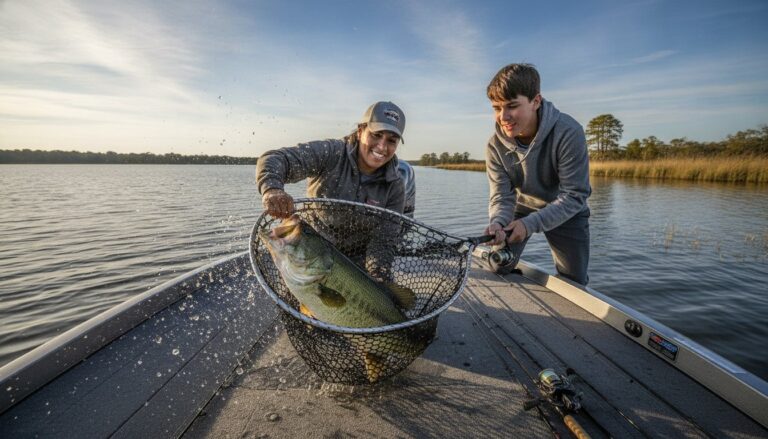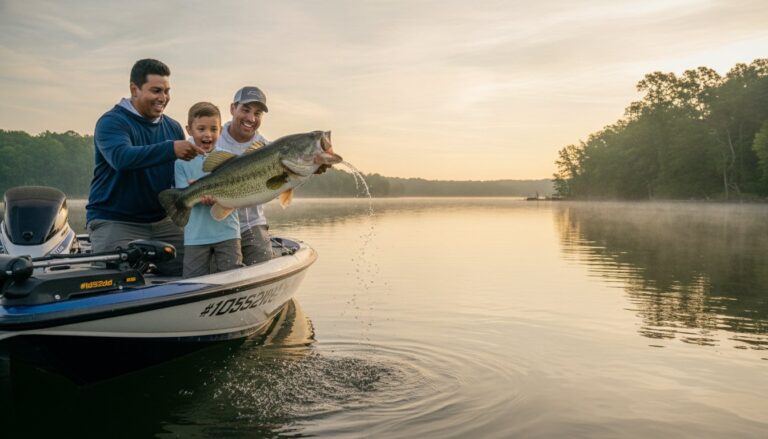
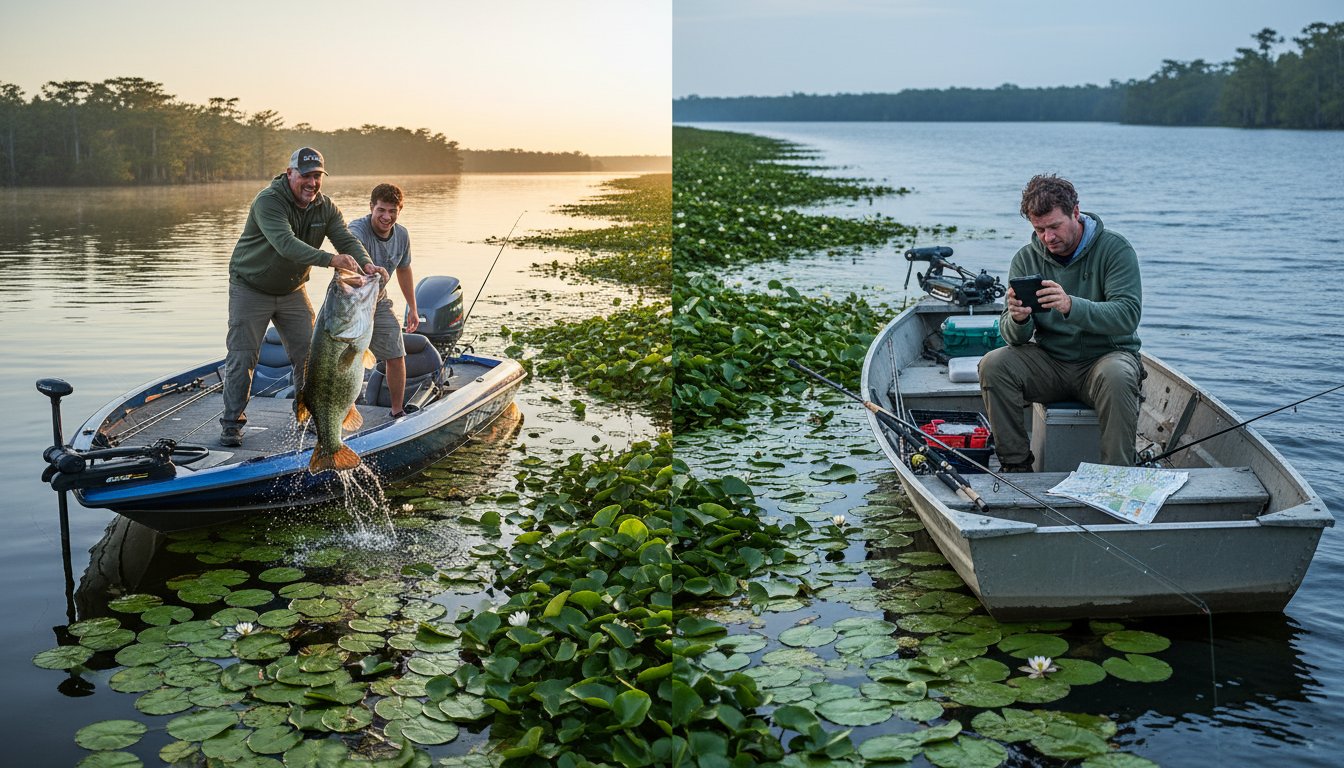

The obvious choice for a DIY trip might actually be the most expensive way to catch zero fish. When you’re weighing the pros and cons of a fishing guide vs renting a boat, it’s easy to focus only on the base rental price. However, I’ve seen too many anglers spend their entire morning wrestling with a finicky GPS or searching for structure while the bite is happening miles away. You’re on the water to feel the aggressive thump of a trophy bass, not to spend your limited time reading electronics manuals or worrying about Florida’s boater safety card requirements for anyone born after January 1, 1988.
Understanding the specific layout of the water is a critical safety step that guides handle for you. For example, those exploring northern waters can discover more about Moosehead Lake Fishing Chart r r to see how experts analyze lake data to avoid hazards and find productive spots.
I understand the desire for a successful day without the stress of navigating unfamiliar lakes or the fear of blanking on a new body of water. This article breaks down the critical differences between DIY boat rentals and professional guided charters to ensure your next day on the water ends with a trophy catch. You’ll learn how to avoid common navigation pitfalls, why professional-grade gear changes the game, and how to navigate the 2026 in-person license requirements for non-residents so you can stay focused on the hunt.
Key Takeaways
- Define the difference between hiring an expert educator and master navigator versus simply leasing a vessel for a DIY day on the lake.
- See how seasonal bass patterns and advanced sonar tech make the fishing guide vs renting a boat decision easier when you’re hunting for a trophy catch.
- Learn why having a local expert at the helm eliminates the stress of navigating hazardous underwater stumps and rocks in unfamiliar waters.
- Discover how a guided charter handles the logistics of high-end tackle and complex fishing license regulations so you can focus on the bite.
- Use our decision framework to choose the right path based on whether you want a casual cruise or a high-energy, results-driven fishing experience.
Fishing Guide vs. Renting a Boat: Understanding the Basics
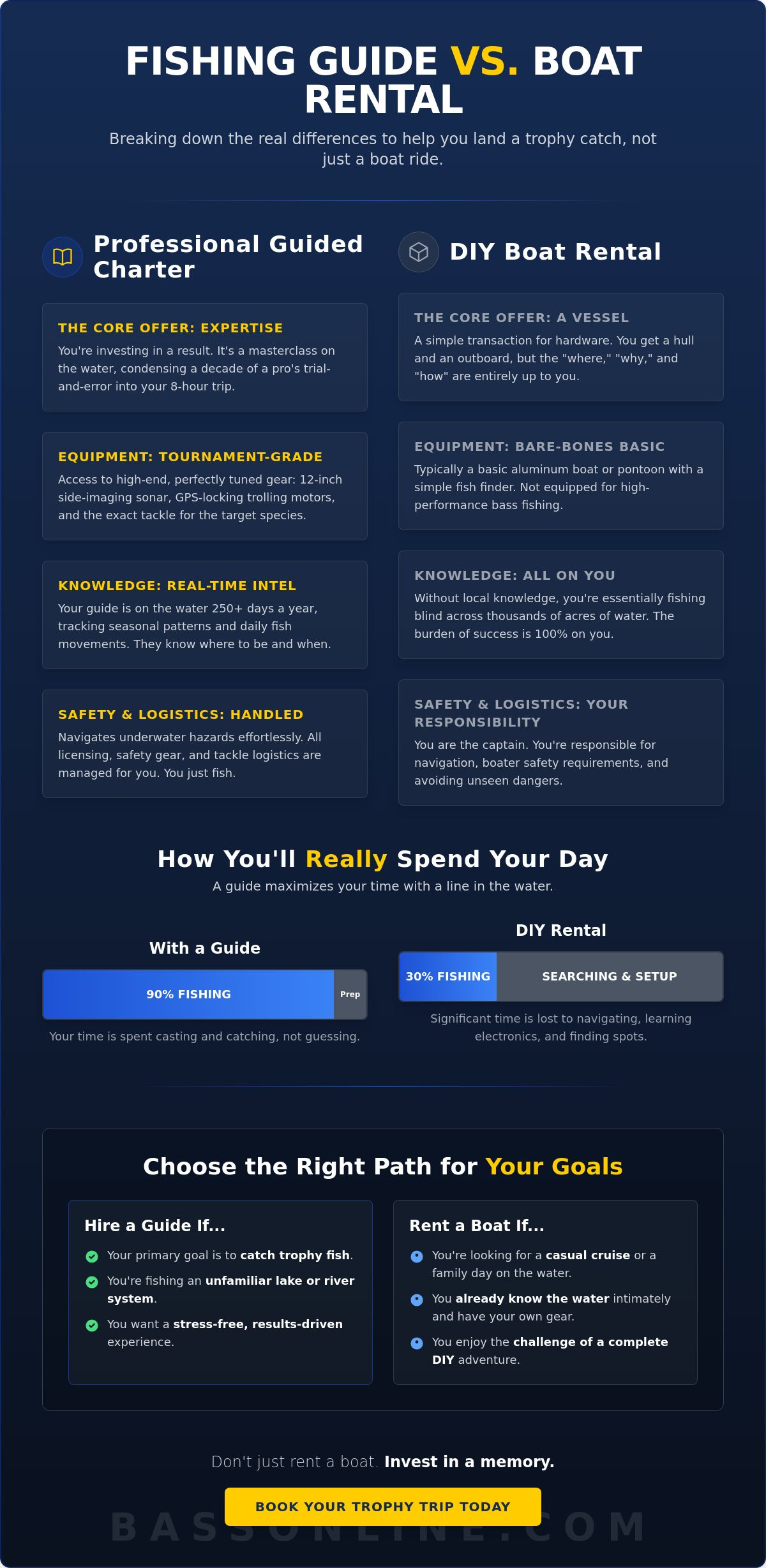
Choosing between a fishing guide vs renting a boat often comes down to what you want to bring home: a memory of a boat ride or a photo of a personal best. A rental is a transaction for a piece of hardware. It’s a hull, an outboard, and hopefully enough gas to get you back to the dock. A guide, however, is an investment in a specific result. You aren’t just paying for a ride; you’re paying for a decade of trial and error condensed into an eight-hour masterclass on the water.
Most anglers find themselves at this crossroads when visiting legendary waters like Lake Okeechobee or Lake Guntersville. You want the freedom of the water, but you also want to actually hook into something. To help you decide which path fits your goals, let’s break down exactly what you’re getting with each option before you pull the trigger on a reservation.
To better understand this concept, watch this helpful video:
What Does a Professional Fishing Guide Actually Do?
A pro guide wears many hats: scout, teacher, captain, and tackle technician. When you book fishing guides, you’re hiring someone who spends 200 to 250 days a year on that specific body of water. They aren’t guessing where the fish are; they’re tracking seasonal migrations and daily weather shifts in real-time. If you’re wondering What is a Fishing Guide?, it’s essentially a local expert who ensures you spend your time casting at fish rather than looking for them. They specialize in specific targets, like the explosive strike of a peacock bass or the heavy pull of a Florida largemouth, and they have the exact tackle tuned for those bites.
The Reality of the Boat Rental Experience
Renting a boat is a pure DIY adventure. You get the “how” (the vessel) but none of the “where” or “why.” Most rental fleets consist of basic aluminum boats or pontoon vessels equipped with standard safety gear and, if you’re lucky, a very basic fish finder. These boats aren’t set up for high-performance bass fishing. You won’t find 12-inch side-imaging sonar or GPS-locked trolling motors on a standard rental. You’re responsible for your own gear, your own bait, and most importantly, your own navigation. It’s a great choice for a relaxed cruise, but it puts the entire burden of success on your shoulders. If you don’t know the local structure or current patterns, you’re essentially fishing in the dark.
The Learning Curve: Why DIY Bass Fishing is Harder Than It Looks
I’ve watched countless anglers pull away from the rental dock with high hopes, only to return hours later with nothing but a sunburn. The biggest misconception in the fishing guide vs renting a boat debate is that the vessel itself finds the fish. On massive systems like Lake Guntersville or the St. Johns River, a boat is just a tool. Without the knowledge of where to point it, you’re just driving a floating living room across thousands of acres of “dead water.”
To consistently catch bass, you have to distinguish between the “foundation” and the “furniture” of the lake. I break it down like this:
- Structure: These are the permanent features of the lake floor, like creek channels, ledges, and points. Bass use these as highways to move between depths.
- Cover: This is the “furniture” sitting on top of the structure, such as hydrilla mats, fallen timber, or boat docks. Bass use cover to ambush prey.
Most rental anglers make the mistake of fishing “pretty” cover near the bank while ignoring the submerged structure where the trophy fish actually live.
Decoding Bass Behavior and Seasonal Patterns
Bass don’t stay in one spot all year; their movement is a constant reaction to the environment. In the spring, you’ll find them on shallow spawning flats with hard bottoms. As the water heats up in the summer, those same fish move to deep-water ledges or thick vegetation where oxygen levels are higher. I track these shifts daily. If a sudden cold front hits, I can adjust my tactics within minutes, switching from an aggressive topwater bite to a slow-moving jig in deeper cover. A rental angler usually spends half their day realizing the spot that worked last month is now a ghost town.
Common DIY Mistakes on New Water
Fishing pressure describes the stress put on fish by a high volume of anglers, which typically makes fish in easily accessible “rental-friendly” spots near the boat ramp stop biting altogether. If you’re fishing where everyone else is, you’re already behind. Here are the most common errors I see:
- Presentation Mismatch: Using a loud, vibrating crankbait in gin-clear water often scares off big fish instead of attracting them.
- Navigation Drain: Spending 70% of your time trying to read a map and 30% fishing. Guides reverse those numbers.
- Safety Hazards: Ignoring Boating Safety Regulations or failing to account for underwater obstructions like limestone rocks and stumps.
If you want to skip the scouting and get straight to the catching, reach out to our team to see which lakes are currently producing the heaviest bags.
Equipment and Expertise: Comparing the Total Package
When you break down the fishing guide vs renting a boat debate, you’re really looking at a massive technology and hardware gap. A typical rental boat is a bare-bones platform designed for utility. It’s a hull, an outboard, and a basic depth finder that might show you the bottom but won’t distinguish a stump from a school of trophy bass. In contrast, a professional guide’s boat is a high-performance machine equipped with 12-inch high-definition sonar screens and side-imaging technology. This tech allows me to see fish holding 100 feet to the left or right of the boat, revealing structure that a rental angler would drive right over without ever knowing it existed.
The Expertise of a Fishing Guide involves more than just reading a screen; it’s about the “on-the-water” coaching you receive throughout the day. You’ll learn how to read water clarity, why we choose a specific retrieve for the current conditions, and how to feel the difference between a weed and a subtle bass “thump.” These are skills that last a lifetime, turning a single trip into a long-term investment in your own fishing ability.
The Tech Advantage: Sonar, Side Imaging, and Spot-Lock
One of the biggest game-changers on a guided trip is the GPS-enabled trolling motor. I use “Spot-Lock” technology, which uses satellite data to keep the boat pinned on a specific piece of structure within a few feet, even in heavy wind or current. On a rental boat, you’re often fighting the wind, manually steering a foot-pedal motor, or struggling with a physical anchor that scares off every fish in the area. While you’re wrestling with the boat, the guided angler is already making their tenth cast into the strike zone. This efficiency leads to more bites and less frustration.
Professional Gear: What We Put in Your Hands
Most rental anglers are limited by whatever gear they managed to pack. When you step onto my boat, I’m handing you a specialized tool for every scenario. Here is the standard lineup we use to ensure you don’t lose the fish of a lifetime:
- The Workhorse: A 7-foot, medium-heavy fast-action baitcasting rod. This is the “do-it-all” stick, perfect for throwing a 5-inch Gary Yamamoto Senko (Green Pumpkin) or a 1/2-ounce Z-Man ChatterBait.
- The Grass Master: A 7-foot 6-inch heavy-action rod spooled with 65-lb braided line. We use this for “punching” heavy mats with a 1.5-ounce tungsten weight and a 5/0 wide gap hook.
- The Finesse Setup: A 7-foot medium-action spinning rod with 10-lb fluorocarbon leader. We go to this when the bite gets tough or the water is gin-clear, using a 3/16-ounce drop shot or a small Ned rig.
Hidden Costs of the “Cheaper” Rental Option
Rentals often look cheaper on paper, but the “learning tax” adds up fast. Most rental agreements don’t include fuel, insurance, or the specialized equipment needed to actually catch fish. You might spend fifty dollars at a local bait shop on lures that worked last month but are useless today. Check out our guide to the best bass lures to see the variety of baits required for different seasons. On a guided trip, the ice, bait, and high-end lures are part of the package. You don’t have to worry about losing a ten-dollar crankbait in a stump; it’s just part of the hunt.
Safety and Logistics: Navigating Unfamiliar Waters
When you’re weighing the choice of a fishing guide vs renting a boat, safety is usually the last thing on your mind until you’re staring at a line of dark clouds or a field of submerged stumps. Professional guides are USCG-licensed captains. This means we’ve undergone rigorous testing, background checks, and safety training to meet federal standards. In a rental boat, you are the captain, the navigator, and the safety officer. If something goes wrong on a massive lake like Lake Okeechobee or Lake Erie, the responsibility sits entirely on your shoulders.
Freshwater lakes are notorious for being “lower unit killers.” While Section 2 touched on finding fish in cover, the physical danger to the boat is a different story. Here are the hazards I see rental anglers hit most often:
- Submerged Cypress Knees: These hide just inches below the surface in shallow water and can rip a prop apart instantly.
- Limestone Rocks: Common in many Florida lakes, these can crack a fiberglass hull if you aren’t in the safe channel.
- Floating Debris: Heavy rains often wash logs and mats of vegetation into the main lake, creating obstacles that aren’t on any map.
Local Knowledge is More Than Just a Map
Modern GPS maps are incredible tools, but they’re static. Nature is anything but. Sandbars shift after heavy seasonal rains, and thick hydrilla mats can block a channel that was clear only last week. A digital map doesn’t show you the seasonal vegetation growth that can overheat a rental outboard in minutes. You should find a professional fishing guide who stays on these waters daily to track these real-time changes. We can navigate through dense morning fog or sudden afternoon thunderstorms with the confidence that only comes from thousands of hours at the helm.
The “Passenger Experience” vs. The “Captain Stress”
Think about the mental load of a DIY trip. Renting means you’re the one doing the heavy lifting before the first cast is even made. Consider the labor involved in a rental day:
- Trailering: Backing a trailer down a crowded, slippery ramp.
- Docking: Wrestling with lines and fenders in a crosswind.
- Maintenance: Scrubbing fish scales and blood off the deck at the end of the day.
- Logistics: Untangling “bird’s nests” in reels and unhooking fish for kids or novices.
On a guided trip, you get the full “Passenger Experience.” You show up to the dock, and the boat is rigged, iced down, and ready to roar. I handle the gear and the boat so you can focus entirely on the strike. If you want to trade the stress of the helm for the adrenaline of the hunt, book your next adventure with our team and let a professional handle the logistics.
Decision Guide: Choosing the Right Path for Your Goals
Deciding on a fishing guide vs renting a boat comes down to your definition of success for the day. If success is a quiet afternoon drifting with a sandwich and no specific agenda, a rental is a solid bet. But if success is defined by the weight of your bag and the quality of your catch, you need an expert. I always tell my clients that a rental gives you a ride, but a guide gives you a result. Your choice should align with your specific goals, your experience level, and how much time you’re willing to spend searching versus casting.
For the “Trophy Hunter,” a guide is non-negotiable. You’re chasing a personal best, and that requires more than just luck. You need the high-end electronics, the specialized tackle, and the years of tournament-honed experience that a rental simply cannot provide. Similarly, if you’re planning a family outing, a guide is your insurance policy against boredom. Nothing kills a kid’s interest in the outdoors faster than four hours of staring at a bobber that doesn’t move. We find active fish fast, keep the rods bent, and handle all the messy work so you can enjoy the smiles.
When to Choose a Boat Rental
There are specific times when a rental makes sense. If you are already an expert on a specific body of water and just need a hull to get you to your honey hole, go for it. A rental is also perfect for a scenic cruise where the fishing is secondary to the sun and the breeze. Just be prepared for a “boat ride” rather than a “catching session.” If you don’t have the local patterns dialed in, you’ll likely spend the day exploring rather than hooking up. You can explore different lakes to see which ones offer the best shore access or beginner-friendly conditions for a DIY day.
Why a Guided Charter is the Ultimate Investment
A guided trip is an investment in your own fishing education. Whether you have limited time on a vacation or you want to master a new technique like punching heavy mats or offshore ledge fishing, a pro shortens the learning curve. You get access to the best water on the best equipment with a captain who is committed to your success. Bass Online is the premier choice for these experiences, offering a national network of local experts who live and breathe these waters every single day. Don’t leave your memories to chance. Book your professional bass fishing trip with Bass Online today and experience the difference that local expertise makes.
Maximize Your Time on the Water
The choice between a fishing guide vs renting a boat really comes down to what you want to see at the end of the day: a rental receipt or a photo of a trophy bass. We’ve covered how a professional guide eliminates the “Captain Stress” of navigation and provides the high-end technology needed to find fish in thousands of acres of water. By choosing a guide, you’re investing in your own skills and ensuring that every minute of your trip is spent with a line in the water rather than wrestling with a rental outboard.
At Bass Online, we bring over 25 years of professional guiding experience to every outing. Our network of USCG Licensed and Insured Captains has earned thousands of 5-star reviews across the country by delivering consistent results for anglers of all skill levels. We handle the scouting, the rigging, and the safety so you can focus entirely on the adrenaline of the hunt. Don’t leave your next big adventure to chance; let a seasoned expert put you on the fish of a lifetime.
Book Your Professional Guided Bass Trip Now
I am ready to help you land your next personal best and share the techniques that make it happen. I’ll see you at the dock!
Frequently Asked Questions
Is a fishing guide worth the money if I already know how to fish?
Yes, because you’re paying for local intelligence rather than just basic fishing skills. You might know how to work a worm, but a guide knows exactly which submerged ledge the fish moved to after last night’s rain. We eliminate the hours of searching that usually plague a DIY trip. Even professional tournament anglers hire guides when they visit a new lake to flatten the learning curve and find the most productive patterns fast.
Do I need a fishing license if I hire a professional guide?
In Florida, you typically don’t need your own license when fishing with a licensed guide on a for-hire vessel. My boat’s commercial license covers everyone on board. This is a huge benefit since Florida’s 2026 policy change requires non-residents to buy short-term licenses in person at authorized agents like Walmart. Booking a guide saves you the hassle of paperwork and ensures you’re 100% legal the moment we leave the dock.
What is the difference between a fishing guide and a fishing charter?
The main difference lies in the focus and the environment. A fishing guide usually provides a specialized, educational experience on freshwater lakes, often focusing on a single species like largemouth bass. Charters are typically associated with larger groups or saltwater offshore trips. When you’re debating a fishing guide vs renting a boat, remember that a guide is there to teach you the “why” behind the bite, not just drive you to a spot.
Can I bring my own gear on a guided fishing trip?
You’re more than welcome to bring your favorite lucky rod and reel. I love seeing anglers who are comfortable with their own setups. However, I always have a deck full of high-end, tournament-grade combos rigged and ready for the specific conditions we’ll face. If your gear isn’t quite right for the local cover, you can switch to my specialized tackle at any time without missing a beat.
How much should I tip a fishing guide in 2026?
A tip of 15% to 20% of the trip price is the standard in the guiding industry. This gratuity recognizes the hours of prep work that happen behind the scenes, including scouting the lake, cleaning the boat, and maintaining the gear. It’s a great way to show appreciation for a captain who worked hard to put you on the fish and keep you safe throughout the day.
What happens if we don’t catch any fish with a guide?
While no one can command the fish to bite, a guide’s job is to maximize your opportunities by constantly adapting to the conditions. If the primary bite shuts down, I have a deep playbook of backup spots and different techniques to trigger a strike. We track seasonal movements daily to ensure we spend our time in high-percentage areas, drastically reducing the chances of a “skunk” compared to a solo rental trip.
Are boat rentals or guides better for families with young children?
Guides are almost always the better choice for families because we handle all the technical frustration. I take care of the bird’s nest tangles, the baiting, and the unhooking so parents can actually enjoy fishing with their kids. It keeps the energy high and the boredom low. In the fishing guide vs renting a boat debate, a guide provides the safety and constant action that turns a simple boat ride into a lifelong family memory.
Does a fishing guide provide the bait and tackle?
Yes, we provide all the essential gear including rods, reels, lures, and ice. You don’t have to worry about buying the wrong baits or spooling your reels with the wrong line weight. I make sure everything is tuned perfectly for the specific lake we’re fishing. This full-service approach is a major advantage over renting, where you’d be responsible for sourcing your own tackle and hoping it works for the local bass.

Article by
Mr Bass
Todd Kersey, widely known as Mr. Bass by Field & Stream, is a professional angler, accomplished author, and dedicated philanthropist with a lifelong passion for bass fishing. Armed with a degree in Outdoor travel, Mr. Bass has expertly combined his knowledge with his practical fishing experience to become one of the most respected names in the bass fishing, his deep understanding of bass habitats, and fish behavior has earned him numerous accolades as a asset of the sport. Serving 8 years as FWC Stakeholder Chairperson. Leading and passing cutting-edge legislation, such as the Black Bass Management plan, and successfully building, passing, and financing the Trophy Catch program. As CEO, he is committed to giving back to the community through his philanthropic efforts. He supports a variety of causes, especially those centered around physical disabilities. Through his advocacy, his mentorship programs inspire anglers to engage in fishing stewardship, helping to raise more than $ 18 million in donations. Mr. Bass continues to inspire anglers and outdoor enthusiasts alike with his commitment to the sport and the world around him.