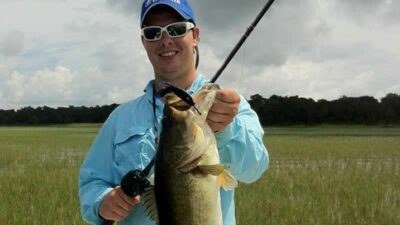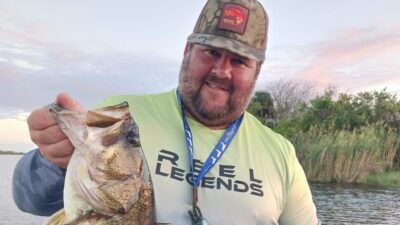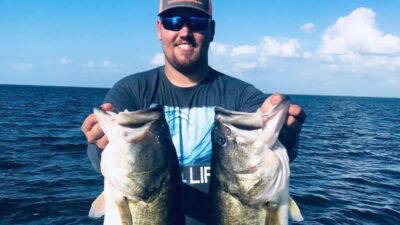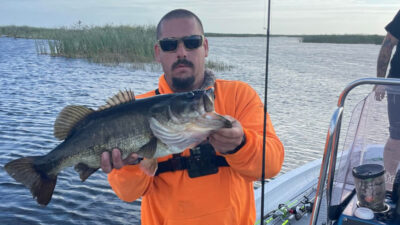

Top Rated



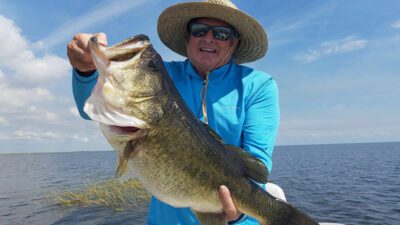
 Morning Trip

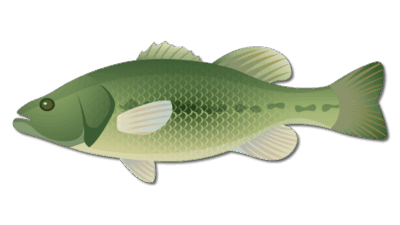
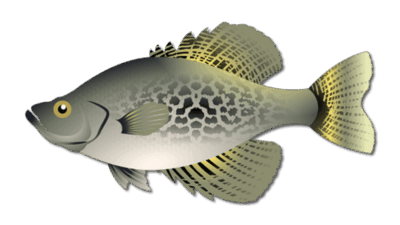
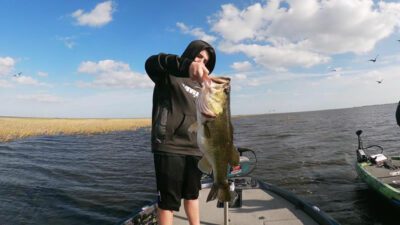
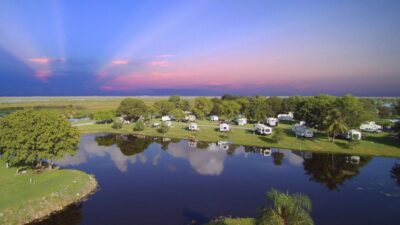
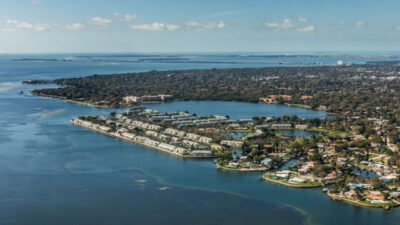
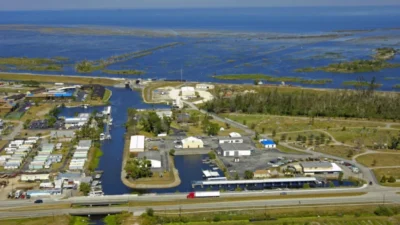

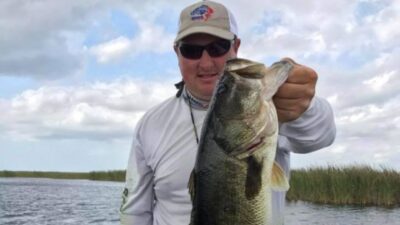
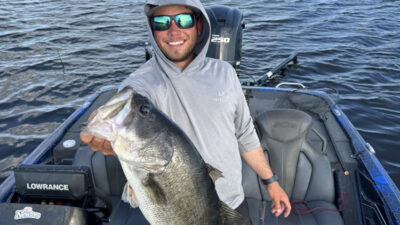
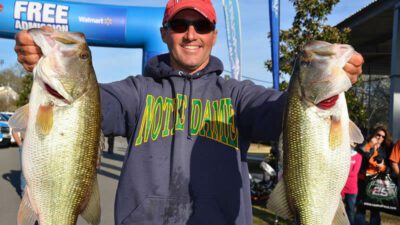
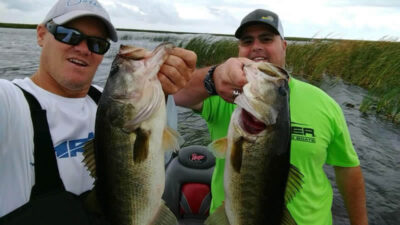
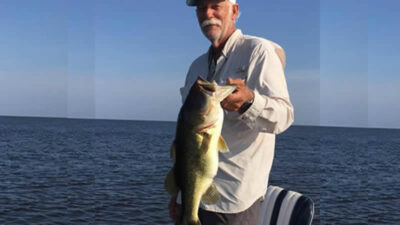
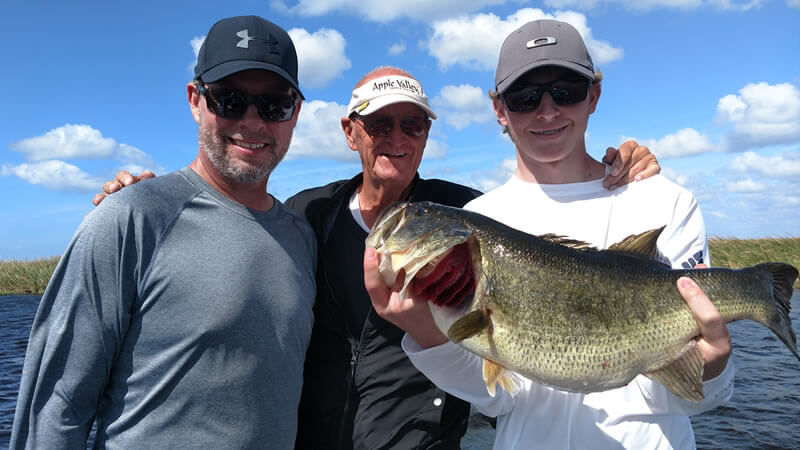
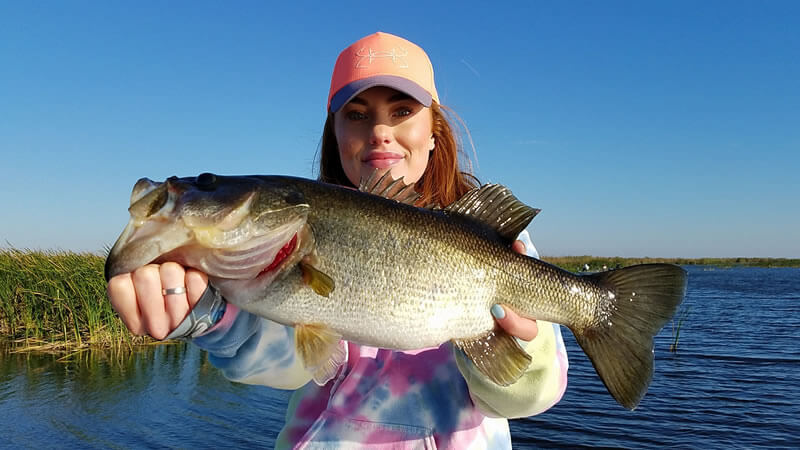
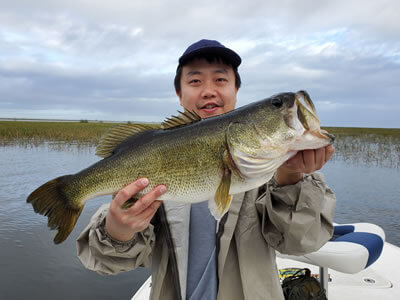
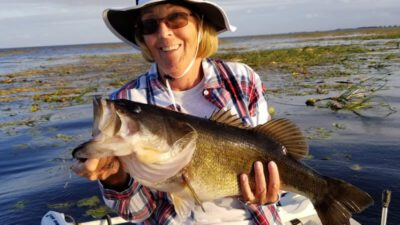
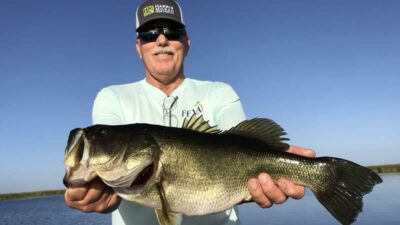
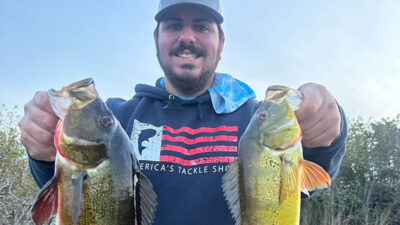
Lake Okeechobee is Florida’s largest lake and one of the country’s best-known destinations for largemouth bass and black crappie. The lake covers about 730 square miles, or 467,200 acres, yet averages only about nine feet deep. That combination creates an enormous shallow-water fishery where vegetation, wind, water level, and seasonal movement matter more than traditional deep-water structure.
Success begins with choosing the right side of the lake. Lake Okeechobee has distinct launch areas and fishing communities around its shoreline, and conditions can differ significantly from one zone to another. This guide explains where to start, when to fish, which techniques work, and what to check before your trip.
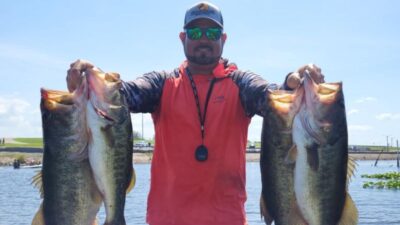
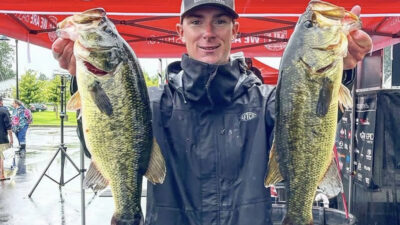
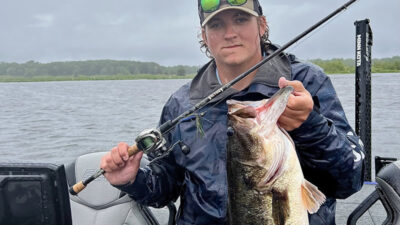
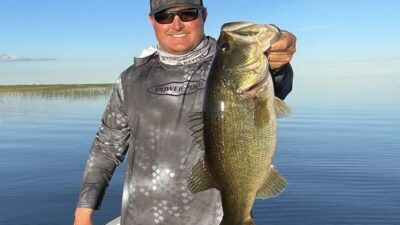
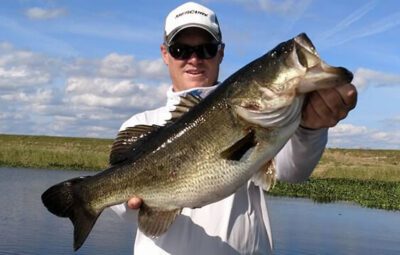
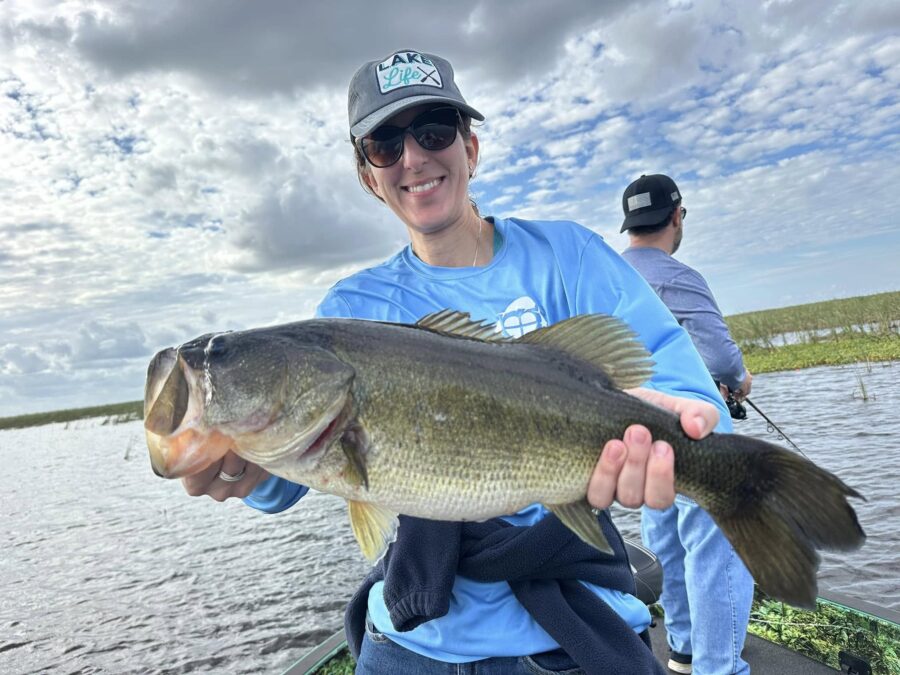
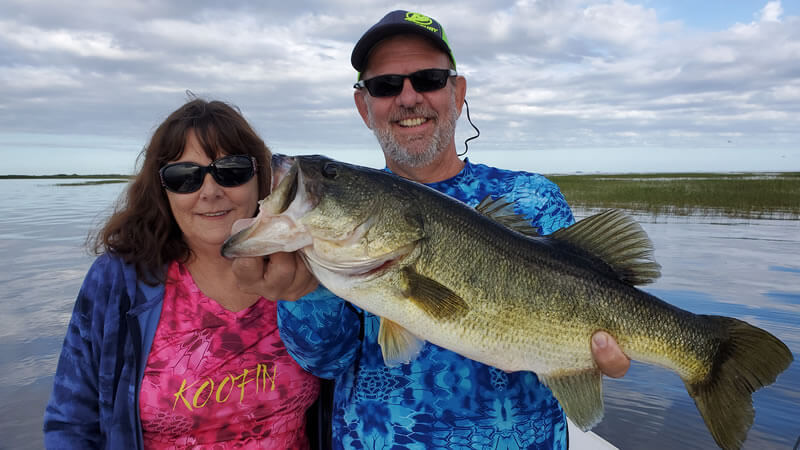
Lake Okeechobee is nationally recognized for its largemouth bass and black crappie fisheries. Bass anglers target expansive beds of hydrilla, eelgrass, cattails, bulrush, lily pads, and other shallow cover. Crappie anglers often focus on open-water schools and vegetated edges, especially during the cooler months.
The lake’s shallow profile makes it productive but also sensitive to changing conditions. A modest rise or fall in water level can open new vegetation, concentrate fish along outside edges, or make familiar routes difficult to navigate. Wind can quickly build waves across the open lake, and submerged vegetation, rocks, shoals, and construction-related obstacles can create hazards. Before launching, review the Florida Fish and Wildlife Conservation Commission’s Lake Okeechobee forecast and navigation notices and check the U.S. Army Corps of Engineers’ current lake-level report.
There is no single “best” launch for every day. The right starting point depends on wind direction, water level, vegetation, target species, and how far you want to travel by boat. These five communities provide practical access to different parts of the lake.
Okeechobee City is the primary gateway to the north end of the lake. The Kissimmee River, Taylor Creek, rim canals, and broad northern marshes give anglers several types of water within reach. The area can be especially useful when bass relate to moving water, canal edges, reed lines, and protected vegetation.
The north end is a strong choice for visitors staying in Okeechobee because it combines marina access, lodging, supplies, and multiple fishing options. It is also a convenient meeting area for many local guides.
Clewiston is one of the lake’s best-known fishing hubs. From the south shore, anglers can reach extensive grass, canals, cuts, islands, and open-water edges. The area supports both live-bait and artificial-lure fishing and is a common base for tournaments and guided trips.
South-shore water can change quickly with wind and water level. A guide who has been on the lake recently can help select safe routes and identify productive vegetation without spending the first hours of the day searching.
Belle Glade provides access to the southeast portion of Lake Okeechobee. Canals, protected pockets, reed lines, and nearby open-water areas allow anglers to adjust as weather changes. This side can be productive for bass and crappie, with the best pattern depending on vegetation quality and water clarity.
Belle Glade is also a practical starting point for anglers traveling from Palm Beach County and South Florida. Because long runs across open water are not always advisable, launching near the zone you plan to fish can save time and reduce exposure to changing wind.
Pahokee offers east-shore access through the Pahokee Marina area. Nearby canals, grass lines, and protected water can give anglers alternatives when the main lake is rough. Depending on current conditions, this zone can support flipping, casting moving baits, and live-shiner fishing.
Pahokee deserves consideration when east or southeast access is most convenient, or when recent reports point to productive water on the eastern side. Always verify local ramp and marina conditions before departure.
Lakeport is an important west-shore gateway near Fisheating Creek. The surrounding area includes marsh, grass, canal edges, and protected water that can hold bass and panfish. It can be a useful starting point when west-side conditions are favorable or when anglers want to avoid a long run from another side of the lake.
Water clarity and vegetation on the west side can vary with inflow and wind. Look for cleaner water, active bait, healthy grass, and transition lines rather than committing to one named spot.
Lake Okeechobee is a year-round fishery, but the most consistent approach changes by season. Weather fronts, water level, and vegetation often matter as much as the calendar.
If your schedule is flexible, choose a day with a stable forecast and manageable wind. On a lake this large and shallow, safe access to productive water is more important than chasing a particular month.
Wild-caught golden shiners are a proven choice for Lake Okeechobee largemouth bass. Guides commonly present them around vegetation edges, holes in the grass, reed lines, and other places where bass can ambush prey. A float helps control depth and shows subtle bites, while the exact rig depends on cover, wind, and water depth.
Live bait is especially helpful for families, first-time anglers, and guests focused on catching rather than mastering a specialized presentation. It is also effective when changing weather makes artificial-lure patterns less predictable.
Artificial-lure anglers should carry presentations that cover the water column and work through vegetation. Topwater frogs and walking baits can be effective over or beside surface cover. Swim jigs, spinnerbaits, bladed jigs, and swimbaits help locate active fish along grass lines. Texas-rigged worms, stick baits, creature baits, and flipping presentations allow anglers to slow down and work heavier cover.
Color and retrieve speed should follow water clarity and activity level. Natural baitfish and green-pumpkin tones are dependable in clearer water; darker or more visible colors can help in stained conditions. When wind or dirty water reduces visibility, vibration and a slower, deliberate presentation may produce more bites.
Not every patch of grass holds fish. Productive areas often combine healthy vegetation with an edge, point, opening, depth change, hard bottom, bait activity, or cleaner water. Watch for birds, surface movement, small fish flicking near cover, and changes in plant type. If a large area looks lifeless, keep moving until several favorable clues come together.
Water level affects which cover is reachable and how fish use it. Rising water may spread fish into newly flooded vegetation; falling water can pull them toward outside edges, channels, and deeper holes. Use current information rather than relying on a spot that produced during a different lake stage.
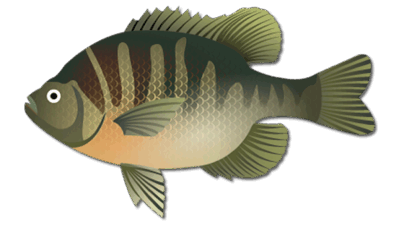
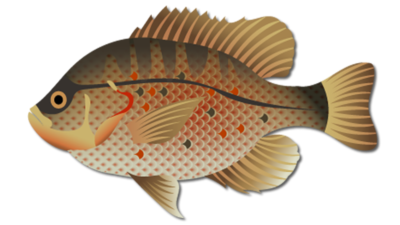
Largemouth bass are the lake’s signature sport fish, but Okeechobee supports a diverse warm-water fishery. Black crappie, often called speckled perch in Florida, draw anglers during the cooler season. Bluegill and redear sunfish provide panfish opportunities, while catfish inhabit canals and open-water areas.
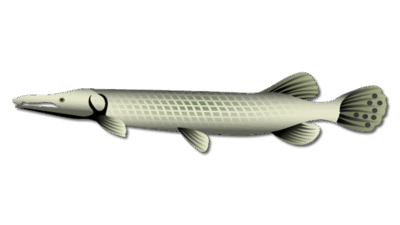
The lake also contains gar, bowfin, and other native species. Species mix and location change through the year, so match tackle and bait to the fish you intend to target.
A Lake Okeechobee fishing guide can shorten the learning curve on a water body that is larger and more complex than it first appears. Local guides monitor vegetation, water clarity, wind, ramp access, and recent fish movement. They also provide the boat, safety equipment, tackle, and a plan suited to the group.
When booking, share the number of guests, experience level, target species, preferred technique, and whether children are joining the trip. Ask which launch area is best for current conditions. The meeting point may be Okeechobee City, Clewiston, Belle Glade, Pahokee, Lakeport, or another nearby access, not necessarily the closest ramp to your lodging.
Morning trips are popular, but the best departure time can change with season and weather. Longer trips provide more time to adjust locations or techniques on a lake where productive zones may be separated by considerable distance.
Bank fishing is available in selected canals, piers, marinas, and public access areas around the lake, but shoreline access does not represent the entire fishery. Confirm posted rules, hours, and access before fishing. Keep a safe distance from locks, control structures, private property, wildlife, and boating traffic.
Boaters should treat Lake Okeechobee as a large, shallow, weather-sensitive water body. Use updated charts and electronics, follow marked navigation routes, wear life jackets, and reduce speed when visibility or local knowledge is limited. FWC has warned that low water can expose or conceal rocks, shoals, vegetation, and construction debris. Conditions at a familiar route can change.
The lake is also home to alligators. Observe wildlife from a distance, never feed alligators, and keep pets away from the water’s edge. Swimming and wading are not recommended where wildlife, boating hazards, poor visibility, or water-quality alerts create risk.
Most anglers need an appropriate Florida freshwater fishing license. License exemptions may apply, but every angler is responsible for confirming eligibility and following current rules.
Lake Okeechobee has specific harvest regulations. FWC currently allows a five-fish daily bag limit for black bass, with only one bass 16 inches or longer per angler per day. Black crappie under 10 inches must be released, and the daily bag limit is 25. Regulations can change, so verify the current FWC freshwater regulations before keeping fish.
For fish you plan to eat, consult Florida’s current freshwater fish-consumption guidance, including special advice for children and people who are pregnant, may become pregnant, or are nursing. Mercury cannot be removed by cleaning or cooking. During a harmful algae bloom, follow Florida Department of Health guidance: avoid contact with visibly affected water, keep pets away, discard fish guts, rinse fillets with clean tap or bottled water, and cook fillets thoroughly.
Water-quality conditions can change by location and date. Review current notices at Protecting Florida Together before swimming, wading, or handling water, especially if it is discolored, smells unpleasant, or has visible scum.
Lake Okeechobee’s name is commonly translated from Hitchiti as “big water.” The lake sits at the center of a watershed that connects the Kissimmee River to the Everglades. Today, its water levels and flows are managed through a complex system of canals, locks, levees, and control structures involving the U.S. Army Corps of Engineers and the South Florida Water Management District.
The 1928 Okeechobee hurricane caused catastrophic flooding after the earthen dike failed, killing thousands of people in communities south of the lake. The disaster shaped later flood-control work, including construction and expansion of the Herbert Hoover Dike. That history remains essential to understanding the lake and the communities around it.
For anglers, Okeechobee’s scale is both its attraction and its challenge. The lake can produce memorable bass, crappie, and panfish trips, but preparation matters. Choose the right access area, watch the wind and lake level, follow current safety and harvest guidance, and adjust to the vegetation and water in front of you.
| Species | Jan | Feb | Mar | Apr | May | Jun | Jul | Aug | Sep | Oct | Nov | Dec |
|---|---|---|---|---|---|---|---|---|---|---|---|---|
| Largemouth Bass | 🔥 Hot | 🔥 Hot | 🔥 Hot | 🔥 Hot | ✅ Good | ✅ Good | ✅ Good | ✅ Good | 🔥 Hot | |||
| Crappie | 🔥 Hot | 🔥 Hot | 🔥 Hot | ✅ Good | ✅ Good | ✅ Good | ✅ Good | ✅ Good | ✅ Good |
No targeted species marked for Jul.
No targeted species marked for Aug.
No targeted species marked for Sep.