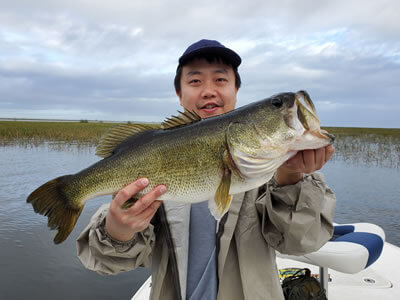

Quick answer: Late winter into spring is often a strong window for trophy bass on Lake Okeechobee as fish move toward spawning cover, while early morning and low-light periods can produce shallow-water action in other seasons. Timing varies with weather, water level, vegetation and fish activity; consult FWC’s latest Lake Okeechobee fishery forecast before planning a trip.
Use the nine timing factors below alongside current water conditions. For launch locations, fishing guides and trip planning, visit our Lake Okeechobee fishing guide.
1. Early Morning Magic
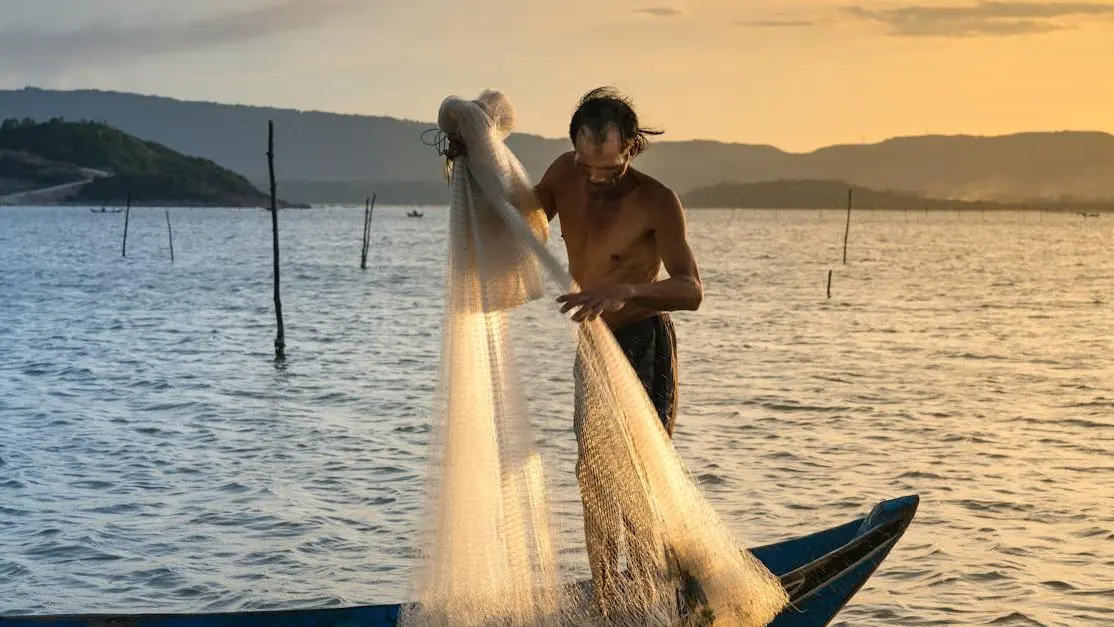
Crack of dawn can be an excellent window on Lake Okeechobee. Lower light and cooler surface conditions often let bass roam and feed more confidently around vegetation. The key is to watch what the fish are doing rather than assuming every sunrise will fish the same way.
- Increased bass activity corresponds with dim light.
- Morning mists create calm surfaces, enhancing bait visibility.
- The early hours see increased insect activity, attracting bass.
When you hit the water early, topwater lures become your best friends. Bass are drawn to the surface to feed, making this the prime time to cast before the sun chases them deeper. We often find that anglers armed with topwater frogs or poppers land the most rewarding catches during this window. This isn’t just about catching fish—it’s about seizing the optimal conditions that nature offers.
Historic guide field note: One older Okeechobee morning started slowly on topwater, then improved after sunrise as bass began busting and chasing bluegill. The guide kept catching fish by switching to soft plastics once the surface bite became less consistent. The durable lesson is to watch the forage and be ready to change presentations rather than abandoning a slow morning too early.
2. Late Afternoon Bites
By late afternoon, the sun has cast its longest shadows, signaling another window of opportunity. Bass begin to stir again, primed for evening feeding. This period is an ideal opportunity to employ techniques that capitalize on shifting light and temperature.
- Evening shadows lure bass closer to shore.
- Cooler temperatures renew bass activity.
- Lower fishing pressure reduces the risk of spooking fish.
Tactics like flipping and pitching close to cover prove effective. The gradual cool-off lets bass engage in feeding frenzies. Your bait presentations are amplified by diminished angler presence, giving you an advantage on the lake. Tuning into these shifts turns late afternoons into a golden time for bass fishing.
3. Winter Opportunities

Winter is one of Lake Okeechobee’s most important bass seasons because prespawn and spawning fish increasingly use shallow vegetation and protected water. Cold fronts can temporarily slow or reposition fish, while stable warming periods often improve shallow activity.
- Seek protected shallow areas with healthy vegetation and cleaner water.
- Cold fronts can temporarily slow or reposition shallow bass; stable warming periods often improve activity.
- Watch water temperature and wind exposure when choosing which side of the lake to fish.
During winter, focus on protected vegetation, cattail and reed edges, cleaner water and warming shallows. Rather than expecting every pressure change to trigger a feeding burst, watch water temperature, wind direction and how quickly conditions stabilize after a front.
Historic guide field note: One older north-end Lake Okeechobee report recorded water temperatures around 69°F as larger bass began moving more actively. The guide found multiple quality fish along large cattail walls while fishing wild shiners. The useful takeaway is to treat a cooling trend into the upper 60s as a clue to watch protected vegetation edges and cattail lines for staging fish.
4. Spring Spawning Season
Spring announces itself across Lake Okeechobee with a flurry of activity. The spawning season brings crucial changes that influence bass behavior. Knowing where and when to fish is key to success.
- Bass aggressiveness peaks during the spawn.
- Predictable bedding sites offer reliable targets.
- Rising temperatures boost feeding and metabolism.
Using jigs and soft plastics mimicking prey fish becomes especially effective. As males protect their nests, they’re likely to strike anything that poses a threat. This period isn’t about luck—it’s about understanding bass territorial behavior and leveraging that predictability for an impressive catch. Spotting a nest can be the ticket to landing your prize.
5. Summer Challenges and Rewards

Summer challenges anglers with heat, wind and rapidly changing water conditions, but Lake Okeechobee can still produce when you adjust. Early mornings often favor topwater and active grass-edge patterns, while later periods may push fish toward shade, healthy vegetation, moving water or nearby canal edges.
- Fish first-light windows around healthy grass and outside vegetation edges.
- As the sun climbs, check shade, canal edges, current and slightly deeper cuts rather than assuming bass leave the shallow system entirely.
- Early mornings and late afternoons usually provide more comfortable conditions for anglers and can extend active feeding windows.
Lake Okeechobee is a shallow lake, so “going deep” is relative. Instead of relying on generic deep-water tactics, look for slightly deeper cuts, rim-canal water, shaded vegetation, outside grass edges and areas with better oxygen or current. Soft plastics, shiners and moving baits can all fit those conditions.
Historic guide field note: Bass Online guide reports from hot summer trips on Lake Okeechobee consistently found the first-light window especially productive around hard-grass and outside vegetation edges. Topwater frogs and other surface baits often produced early, while the bite shifted toward shiners, soft plastics, or deeper shaded cover as the sun climbed and surface activity faded.
6. Fall Transition Period
As summer gradually releases its grip on Lake Okeechobee, fall steps in. This transition brings new fishing opportunities, aligning every angler’s goals with nature’s seasonal shift. It’s a time to rethink strategies as bass adjust their patterns in preparation for the colder months.
- Cooler temperatures boost bass feeding behavior.
- Migratory patterns guide bass into optimal catch zones.
- Wind-driven surface dynamics create high-opportunity spots.
With bass concentrating on feeding to build reserves for the winter, this season is prime for using moving baits like spinnerbaits and crankbaits. The cooler water motivates them to feed more aggressively, making fall an excellent time to capitalize on this heightened activity. When winds pick up, they stimulate aquatic life, transforming windy banks into bustling catch zones. It’s not just change—it’s a chance to embrace the best of what fall offers.
Historic guide field note: Older Lake Okeechobee reports also describe bass moving back toward productive grass beds as the fall transition developed. That matches the broader seasonal pattern here: cooling water and changing forage movement can make grass edges, moving baits, and wind-influenced areas increasingly important as summer gives way to fall.
7. Moon Phases and Their Effects
Moon phase is one factor some anglers track when planning a Lake Okeechobee trip, especially around spawning periods, but it should be treated as a secondary clue rather than a guarantee. Weather, water level, temperature, vegetation and actual fish activity are usually more useful day-to-day indicators.
- Treat full and new moon periods as a planning clue, especially around spawning season.
- Do not let a lunar calendar override weather, water level, vegetation or observed fish behavior.
- Use actual on-water conditions to decide when to stay, move or change presentations.
Use lunar calendars as a planning reference, not a prediction engine. If a full or new moon lines up with stable weather and favorable spawning conditions, it may be worth noting, but on-the-water signs such as bait activity, water clarity and bass positioning should drive your decisions.
8. Tips for Cloudy or Rainy Days

Cloudy or lightly rainy conditions can extend shallow feeding windows on Lake Okeechobee by reducing light penetration and changing how bass use vegetation. Strong storms and wind, however, can muddy exposed areas quickly, so the better move may be finding protected, cleaner water rather than simply fishing harder in the rain.
- Cloud cover can extend shallow feeding opportunities.
- Wind and rain can improve one area while muddying another.
- After fronts, cleaner water and healthy vegetation often matter more than barometric pressure alone.
Vibrating jigs, spinnerbaits, topwater and other moving presentations can be effective under cloud cover when fish are roaming. After a strong front or wind event, slow down and compare water color, vegetation and bait activity before deciding whether the fish have actually become more aggressive.
Historic guide field note: Older Lake Okeechobee reports show how quickly wind and water conditions can change a productive area. Strong north winds sometimes muddied exposed grass edges enough to weaken an early bite, while guides often had to move until they found cleaner water, active vegetation or a fresh concentration of fish.
9. Understanding Barometric Pressure
Barometric pressure often changes at the same time as wind, cloud cover and frontal weather, so anglers commonly watch it. Pressure by itself is not a reliable shortcut to Lake Okeechobee bass behavior; it is more useful as one piece of the larger weather picture.
- Track pressure together with wind, cloud cover and temperature—not by itself.
- A falling pressure often accompanies an approaching front, but the fish response varies.
- After high-pressure fronts, slower presentations may help when bass become less active, especially around protected cover.
When a front approaches or passes, pay attention to the conditions bass actually experience: wind direction, water temperature, light, water clarity and how fish relate to cover. Those observations are more actionable than assuming a falling pressure always improves the bite or high pressure always pushes bass deeper.
Seasonal Considerations and Regulations
Awareness of Lake Okeechobee’s diverse regulations and seasonal variations is critical to successful angling. Smart compliance doesn’t just ensure a trouble-free experience; it safeguards this famed fishing locale for future adventures.
- Keep the proper Florida freshwater fishing license unless an exemption applies.
- Check current FWC bag, possession and size rules before harvesting fish.
- For Lake Okeechobee, crappie under 10 inches in total length must be released immediately.
Check current rules before every trip rather than assuming regulations change with the spawn. Lake Okeechobee has specific freshwater rules—for example, crappie under 10 inches must be released immediately. Use the FWC special regulations and current license guidance as the authority before keeping fish.
Conclusion
Fishing Lake Okeechobee isn’t just about casting a line; it’s about aligning with nature. Recognizing these optimal fishing windows and conditions can transform your trip from ordinary to extraordinary. Mastering these insights into early mornings, lunar phases, and seasonal transitions can mean the difference between a day out and a truly unforgettable fishing adventure. Whether tackling the heat of summer with deep baits or seizing the morning calm, every moment is an opportunity. Equip yourself with knowledge, and Lake Okeechobee will repay you with rich, rewarding angling experiences.