








What Is American Shad
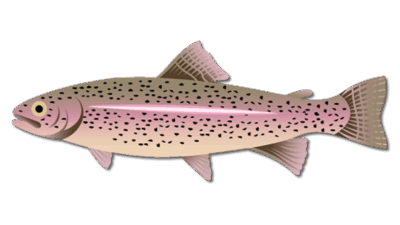
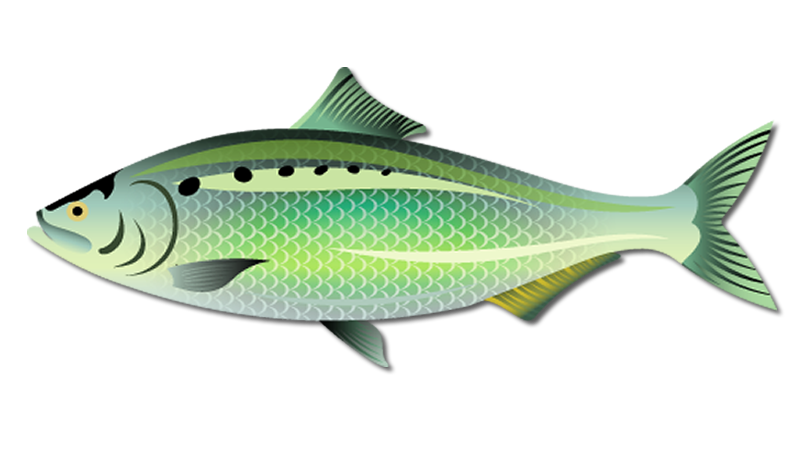
American Shad is a species of herring fish that lives most of its life in the Atlantic Ocean but travels upriver to spawn in brackish or freshwater rivers.
They are part of the anadromous clupeid species, meaning they migrate upriver from the sea to spawn in freshwater, a behavior similar to that of salmon. They are the most prominent member of the family of ray-finned clupeid fish.
The American shad weighs anywhere from 3 to 8 pounds and is not closely related to other North American Shads. The Shad migrate more than 12,000 miles during an average five-year lifespan at sea.
FEEDING PATTERNS + HABITAT:
American Shad Habitat
American Shad are schooling fish that travel coastal areas until they mature. During the spring, summer, and fall, you could see thousands of American Shad at the surface. They tend to go deeper during the winter, before the spawning season, and are therefore harder to find.
Those who survived the spawn return to the ocean, leaving their young in freshwater until fall. The young Shad then spend a year downstream in brackish estuaries before relocating to the sea. Marine predators, such as striped bass and harbor seals, often hunt them.
American Shad Feeding Habits
The American Shad primarily feeds on plankton, similar to other herrings. They will also eat small shrimp, fish eggs, worms, and the occasional small fish. During their spawning travels, shad may filter feed but generally eat very little, if at all, during their journey. They can retain digested food during their migration to survive.
Shad larvae will feed on their yolk sac for 4 to 7 days after hatching before finding food. Young shad will then feed on insect larvae and zooplankton during their time in the freshwater.
SPAWNING HABITS
Spawning Habits of American Shads
American Shad adults travel from the Atlantic Ocean to the east coast rivers of the United States and Canada to spawn. They spawn in Florida’s rivers as early as November or as late as June in northern waters, depending on the temperature.
Males travel upstream first as the water temperature reaches an optimal 50 degrees Fahrenheit, followed by the females. The peak temperature for spawning is 65.3 degrees Fahrenheit. Shad spawning occurs overnight, starting at sundown and continuing into the early hours of the morning. Adult females can release up to 600,000 eggs per season. The adults usually leave the tributaries not long after spawning.
Shad in the North are iteroparous, meaning they will continue this cycle and spawn multiple times throughout their lives. However, the shad native to the south is semelparous, meaning they participate in only a single reproductive season before dying.
How to Catch American Shad
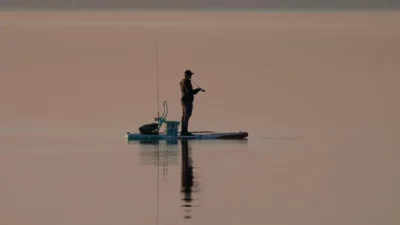
Shad often put up a good fight and fall under the category of sportfish. Males may jump multiple times during the fight, making them exciting game fish. Their unique spawning and feeding behaviors also add to the excitement. Spring and summer are the best times to catch Shad. It’s easier to see them when they return to the rivers during their spawning migration. As the sun starts to set, they will become more active.
Deeper waters often produce more success. They tend to migrate to schools. Working upriver to look for an obstruction currently. Like many fish, shad are sensitive to their environment. Cloudy waters and temperature can affect their feeding instincts.
Where Do Shad Fish Live
The Shad lives along the Atlantic Coast, from the St. Lawrence River in Canada to the St. John’s River in Florida. Over time, they have spread throughout river systems on the West Coast of North America, having been introduced to California in the San Francisco Bay/Sacramento River systems in the 1800s.
GEAR NEEDED TO CATCH SHAD
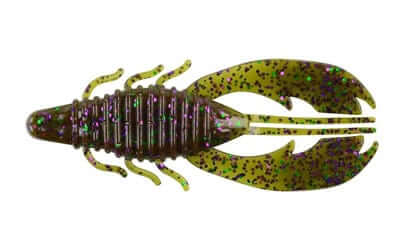
Typically, anglers use light spinning gear with a 4 to 8-pound test line when fishing for Shad. Bright-colored shad darts, spoons, jigs, or small minnow imitation lures, along with the light spin rods and reels, are best.
Fly-fishing for shad with a small flashy-tailed Clouser minnow is becoming increasingly popular. Fly anglers will use different wet flies, including darts, and gold or white soft-bodied streamers. Since shad may not actively feed on their return journey, they are fished for with unique ‘dart’ lures instead of typical bait.
WHERE CAN YOU FIND AMERICAN SHAD
American shad fishing was extremely popular in Central Florida, and the arrival of the first run of the poor man’s salmon was a much-anticipated event.
Anglers from across the state of Florida and the eastern Atlantic seaboard swarmed to the St Johns River for the shad. Every year, in an event that heralds the coming of spring, large numbers of American shad make their way up several of North Carolina’s coastal rivers to their historic spawning grounds, where shad fishermen eagerly await their arrival. The American shad, commonly known as white shad, is the largest of Connecticut’s herring species. In 2003, the American shad was designated Connecticut’s “State Fish.” Until the mid-1700s, eating shad was considered “disreputable,” but the fish gained favor during the Revolutionary War as salmon numbers dwindled.
The scientific name of American shad is Alosa sapidissima, meaning “most delicious of herrings.” The East Coast of Canada and the United States. American shad are broadcast spawners and spawn multiple times. As adults, inhabit the Atlantic Ocean and migrate to the east coast rivers of Canada.
Alosa sapidissima
Other Names: Alosa sapidissima, meaning “most delicious of herrings