
The Ultimate Battle: Smallmouth against Largemouth Bass The battle really starts with which is most dominant, so which species deserve to be listed first, Smallmouth vs largemouth bass or Largemouth vs smallmouth bass?
The Ultimate Battle: Smallmouth against Largemouth Bass
The battle really starts with which is most dominant, so which species deserve to be listed first, Smallmouth vs largemouth bass or Largemouth vs smallmouth bass? Maybe we answer that with which is easier and more exciting to catch? Many anglers naturally ask themselves these questions because even though they come from the same fish species – small and largemouth bass are intrigued by different lures and in various conditions.
While both largemouth and smallmouth bass are types of black bass, there are many differences between them that anglers should know. In this article, we’ll talk about fishing smallmouth against largemouth bass, the difference, and their traits and downsides. Be sure to stick around!
The Defining Features of Smallmouth Bass
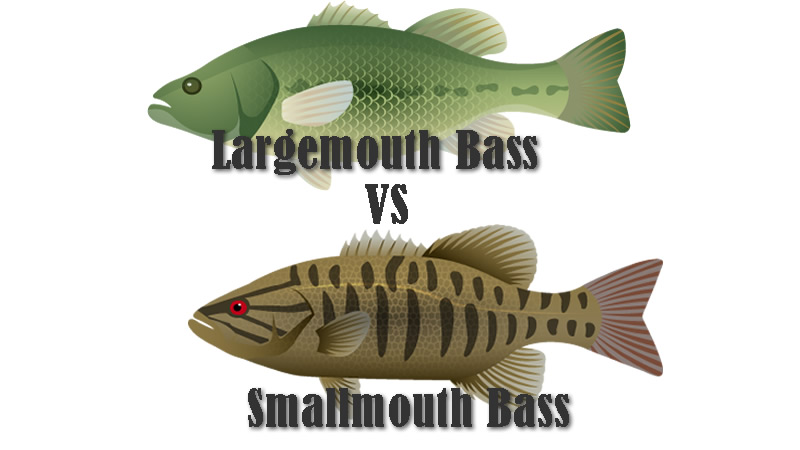
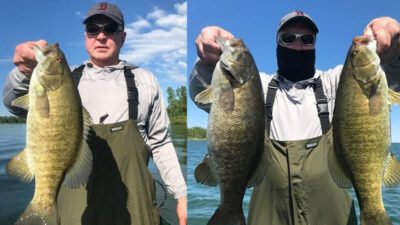
The biggest difference between smallmouth and largemouth bass is that the smallmouth bass has a lighter color and small jaws – hence their name. Smallmouth bass are generally brown with red eyes and dark vertical bars or vertical stripes along their bodies, which helps distinguish them from largemouth bass. They are sometimes called ‘brown bass’ or ‘smallies’ due to their coloration and fighting spirit. The largest smallmouth bass grows between 12 and 18 inches and can be bronze, brown, or olive green. These species are native to North America and are often found in colder waters, especially in northern lakes and rivers. Smallies are commonly associated with rocky bottoms and rocks, where they hunt for prey. They prefer deep, clear, and cool waters often found in rocky highland reservoirs and glacial lakes, as well as swift, shallow currents, particularly below dams. During certain times of the year, smallmouth bass seek out deep water and calm waters, but can also be found in swift, shallow currents below dams. The St. Lawrence River is a renowned destination for anglers seeking trophy smallmouth bass. To find smallmouth, target rocky structures and clear, moving water.
Smallmouth bass is also an eager fish that eats everything on the menu. Their typical diet consists of insects, smaller fish, crayfish, and other aquatic animals. That’s why anglers use spinnerbaits, crankbaits, jerk baits, buzz baits, as well as finesse tactics like ned rigs and vibrating jigs to catch this hungry fish, especially in clear and calm waters. Smallmouth bass fight harder than largemouth bass, and many anglers consider the smallmouth bass fight to be more intense pound-for-pound.
The Defining Features of Largemouth Bass
You can also see the difference between largemouth and smallmouth bass in the largemouth’s upper jaw, which extends past the eye—a key identifying feature that helps anglers distinguish largemouth from other bass species. Largemouth bass is darker than smallmouth, and you can catch them in green, black, or brown colors with horizontal lines along the body.
The largemouth bass is generally bigger than the smallmouth—actually, it’s the largest freshwater game fish in the sunfish family. Largemouth bass can grow larger than smallmouth bass, often reaching sizes of 15 pounds or more, while smallmouth typically top out around 10 pounds. The standard body length of largemouth bass ranges between 16 and 24 inches. Largemouth bass thrive in clear and/or stained lakes with abundant shallow cover such as vegetation, docks, brush, or weed beds, and they prefer warmer waters compared to smallmouth bass. Largemouth tend to avoid strong currents, often sheltering in cover and using current breaks in rivers to rest and ambush prey. They are also well adapted to muddy water conditions, relying on vibration and scent to locate prey.
The largemouth diet consists of smaller fish, insects, frogs, shad, crawfish, and crayfish. Professional anglers usually use plastic worms, swimbaits, and live bait to catch this aggressive predator.
Fishing Technique Differences
Largemouth bass are ambush predators that hold tight to cover to surprise prey, requiring precise casting to target them effectively, while smallmouth bass are more active hunters that chase prey in open water, making searching and covering water key strategies for anglers targeting this species. Fishing strategies for these two species differ significantly, reflecting their unique behaviors and habitat preferences.
Smallmouth bass are more aggressive in cool weather compared to largemouth bass, which tend to shut down or suspend during such conditions. The best fishing times for each bass species can vary depending on water temperature and season, with mid-June to late August often providing ideal conditions.
Using brighter or contrasting colors for lures can help largemouth bass locate baits in murky water, while smallmouth bass are more sensitive to line visibility and prefer lighter lines in clear conditions. When choosing lures and lines, consider that the best fishing approaches may vary depending on the time of year and water clarity.
Largemouth bass are primarily targeted using techniques that involve flipping and pitching into heavy cover, while smallmouth bass require faster retrieves and finesse tactics. The dorsal fin is a helpful feature for distinguishing between the two species: smallmouth bass have a shallow indent in the dorsal fin, making it appear as one continuous fin, while largemouth bass have a deeper indent, making it look like two separate fins. Additionally, juvenile largemouth bass have different dietary needs and behaviors compared to adults, often feeding on smaller prey. Anglers often target other freshwater fish species such as crappie, which, like bass, are popular for both sport and table fare.
Smallmouth Bass vs Largemouth Bass: Ultimate Comparison
As we’ve mentioned, there are some key differences between smallmouth and largemouth bass in their physical features, habitat preferences, and behavioral traits. The key difference lies in their mouth size, dorsal fin shape, coloration, preferred environments, and feeding techniques. However, they also have some essential similarities that sometimes compel them to interbreed. The key similarities between smallmouth and largemouth bass are:
- They are the same fish species but from different families
- Their daily diet is very similar
- They live and breed in a similar environment (lakes, ponds, rivers, and streams)
- You can use almost the same lures for catching both largemouth and smallmouth bass hybrid
- Their meat tastes relatively the same
Nonetheless, there are also some major differences between the features of the smallmouth vs largemouth bass size. Largemouth bass tend to grow larger than smallmouth bass, often reaching nearly twice the weight of their smallmouth counterparts. You can see the distinctions in the density of water (salt or freshwater) they prefer, their diet, and their most-active hours. Following are some of the main differences that can compel you to fish for one of the species or help you to recognize the species:
| Key Features: | Largemouth | Smallmouth |
| Color: | Black, brown, green | Bronze, brown, olive green |
| Length: | 16 to 24 inches | 12 to 18 inches |
| Habitat: | Highly-vegetative lakes and ponds, swampy areas, creeks, and deep rivers | Shallow rocky areas, cool and clean streams, reservoirs, large rivers |
| Diet: | Small fish and bass, baby ducks, insects, crayfish | Smaller fish, crayfish, insects, and other smaller aquatic creatures |
| Waters: | Salt and freshwaters | Mainly freshwaters |
| The best time to fish it: | Early morning, before sunset | From dawn till 2 or 3 hours after sunrise |
| Types of lures: | Rugged worms, swim baits, and live baits | Poppers, vibrating baits, jerk baits, and spinner baits |
Largemouth bass prefer warm, shallow, sluggish, or still waters with heavy vegetation, stumps, mud bottoms, and especially the edges of weed beds, typically between 60-80°F. They typically thrive in murky or muddy water and are often found resting in current breaks in rivers to avoid strong currents.
Smallmouth bass prefer cooler, clear, deeper, and fast-flowing rivers or deep, rocky, sandy lakes, typically between 55-75°F. They thrive in clear waters with rocky environments and are known to hunt in fast-moving water and around rocky structures in rivers.
What to Choose: Largemouth vs Smallmouth Bass?

Choosing what to fish can be a difficult decision. You should consider numerous factors before deciding which fish to catch, including the water conditions, time of year, fishing gear, and much more. The choice between targeting largemouth or smallmouth bass can also vary depending on factors such as location, season, and water conditions. For example, if you are near warmer and shallower waters, you can always fish for largemouth bass. These fish prefer shallow and warm waters, especially during the summer months.
On the contrary, if you want to fish for smallmouth bass, you must find fast-moving clear water because it loves open waters during the colder months. Moreover, the smallmouth bass is most active during the spring and fall.
Other factors can also prompt you to decide which bass to fish. For example, the fishing gear you use. If your tackle box is equipped with large lures and heavy lines, and you prefer pitching and flipping movements, then the largemouth bass is the right choice! However, if you use lighter lines and vibrating baits, you can always cast your lure into the open waters and attract some smallmouth bass.
Fishing for bass should also be fun! Largemouth bass can be fun to catch, hiding their large bodies in the covers and waiting for the bait. Smallmouth bass, on the other hand, can put up a far more exciting battle and acrobatic movements.
Lastly, you can check your tacklebox and what color lures you have to decide which one to catch – smallmouth vs largemouth bass. If you use chartreuse, yellow, watermelon, or green pumpkin baits, go for the small mouth. On the other hand, if you prefer red and green colors, search for the largemouth.
Largemouth vs Smallmouth Bass : Final Words
Choosing which to fish – smallmouth vs largemouth bass – is a fun learning process about the particular fish, its characteristics, and fishing techniques. Once you learn the difference between smallmouth and largemouth bass, like coloring, habitat, and diet, you’ll immediately know which one you want to catch.
Smallmouth bass is for anglers who’d want to see some acrobatic moves and tight battles, while largemouth is fun because it hides in the waterbeds and reeds and demands time and concentration. Furthermore, you can always analyze the fishing equipment needed (rods, lures, and lines) and choose the type of bass you want to catch accordingly.
Lastly, the water conditions around you and where you go for bass fishing are crucial! If you’re fishing in shallower waters, cool and clean streams, and rivers, hope to catch plenty of smallmouth bass. However, if you fish in highly vegetative lakes and swamps, you’ll witness the powerful strikes of the big guys!
FAQs
Do smallmouth fight harder than largemouth?
Yes, many anglers say that smallmouths are better fighters than largemouths. More precisely, professional anglers consider the smallmouth one of the hardest warm and freshwater fighters.
Do smallmouths eat trout?
Yes, smallmouths eat trout. However, trout isn’t the favorite food on the smallmouth’s menu. It usually prefers smaller fish, insects, and crayfish.
Can largemouth and smallmouth bass mate?
Yes, largemouth and smallmouth bass can mate. Although these cases are rare because of the different habitats, there are cases when largemouth and smallmouth bass interbreed and produce mixed offspring.
People Also Ask
What tastes better Smallmouth Bass or Largemouth Bass?
We can also witness the battle between smallmouth vs largemouth bass taste in the waters they live. Even though they taste almost the same, the largemouth is fishier. Smallmouth vs largemouth bass is more delicate and sweeter. That’s why many people decide on the smallmouth – because of its firm texture, white meat, and cleaner taste.
What fish eats smallmouth bass?
Numerous fish species eat smallmouth bass, including largemouth bass, northern pike, yellow perch, sunfishes, etc. Moreover, the adult smallmouth bass is one of the favorite meals on the muskie diet.


Nice post. I was checking continuously this blog and I’m impressed! Very helpful info particularly the last part :) I was looking for this particular info for a long time. Thank you and best of luck.
A powerful share, I simply given this onto a colleague who was doing a little analysis on this. Thnkx for spending the time to debate this, I really feel strongly about it and love reading more on this topic. It’s highly useful for me. Massive thumb up for this weblog submit!
Appreciate you stopping by and leaving a comment!