
Rodman Reservoir drawdowns are one of the biggest changes an angler can experience on this famous North Florida fishery. Water levels are intentionally lowered so managers can control aquatic vegetation, improve habitat and expose bottom areas that are normally underwater. For anglers, the same process changes boat access, concentrates fish into deeper water and makes submerged structure much easier to see.
Current status: the most recent Rodman Reservoir drawdown was the 2025–2026 management cycle. Florida State Parks scheduled the reservoir to remain near the low-water target through March 2026, with refilling beginning in April 2026. The temporary Florida bass catch-and-release regulation for that cycle ran from November 3, 2025 through March 15, 2026 and is no longer the active drawdown rule. Future drawdowns are generally conducted every three to four years, but anglers should not assume a future date until the Florida Fish and Wildlife Conservation Commission or Florida State Parks publishes a new schedule.
What Is the Rodman Reservoir Drawdown?
Rodman Reservoir is a roughly 9,500-acre impoundment of the Ocklawaha River southwest of Palatka. The reservoir was created in 1968 as part of the former Cross Florida Barge Canal project. Today, its flooded woodlands, standing timber, river channel, vegetation and Cross Florida Barge Canal create one of Florida’s most distinctive freshwater fisheries.
During a drawdown, managers first manipulate the water level and then gradually lower the reservoir to expose aquatic vegetation and accumulated organic material during the cooler months. Florida State Parks describes the low-water target as about 11 feet above mean sea level, with the reservoir held near that level for roughly three months. The purpose is habitat and vegetation management—not simply better fishing.
Drawdowns are typically conducted every three to four years. That recurring schedule is why this page remains useful beyond any one calendar year. The exact start date, low-water period, refill schedule, ramp availability and temporary fishing rules can change from cycle to cycle.
Latest Rodman Reservoir Drawdown Schedule: 2025–2026
The latest completed cycle began in fall 2025. Official planning called for the reservoir to be lowered from normal pool toward approximately 11 feet above mean sea level, with the low-water period extending through March 2026. Refilling began in April 2026.
- Fall 2025: drawdown process began.
- Mid-November 2025 to early March 2026: the reservoir was approximately seven feet below normal water level for the main low-water period.
- November 3, 2025–March 15, 2026: temporary catch-and-release regulation applied to Florida bass during the drawdown.
- April 2026: refilling process began toward normal operating level.
If you are planning a future trip, treat those dates as the completed 2025–2026 cycle, not as a standing annual schedule. Check the official agency pages above for the next announced drawdown.
How a Drawdown Changes Rodman Reservoir Fishing
Rodman is full of flooded timber, submerged stumps, vegetation, the original Ocklawaha River channel and the deeper Barge Canal. When water levels fall, shallow habitat becomes exposed and fish lose access to some areas they normally use. Bass, crappie and baitfish can become more concentrated around the remaining deeper channels, bends, drops and structural edges.
That concentration can make fish easier to locate, but it does not make every day automatic. Weather, current, fishing pressure, water temperature and the stage of the drawdown still matter. The best approach is to use the lower water as information: study exposed structure, identify the old river channel, note stump lines and save productive locations for future normal-water trips.
Historical Field Notes From a Rodman Drawdown Trip
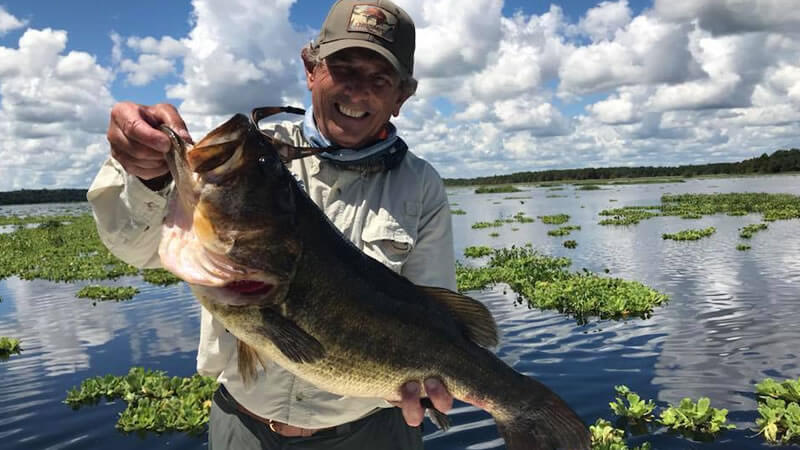
During the 2019 drawdown, one Bass Online field trip with Capt. Ken Walker and Capt. David Lang illustrated several lessons that still apply. The crew navigated slowly through exposed stump fields, focused on deeper water near structure and used wild shiners around the timber. The group put more than 20 bass in the boat, including fish around 5 and 6 pounds.
The value of that old report is not the date or the exact catch count. The lasting lesson is how dramatically lower water reveals Rodman’s structure. Stumps that are normally hidden become visible, deep-water routes become easier to understand and fish-holding areas can become more obvious. It is also a strong reminder that reduced water levels increase the need for careful navigation.
Rodman Reservoir Boat Ramps and Access During Drawdown
Access can change substantially during a drawdown. For the 2025–2026 cycle, temporary boat ramps at Kenwood Landing and Orange Springs provided access to the Barge Canal and river channel. Those were drawdown-specific access arrangements and should not be assumed for every future cycle.
Outside special drawdown arrangements, FWC lists several public access points along the Ocklawaha/Rodman system, including Eureka, Orange Springs, Kenwood Landing, Hog Valley and Rodman Dam. Ramp usability depends on water level and the section of water you intend to fish. The boat ramp at the Rodman Recreation Area below Kirkpatrick Dam accesses the lower Ocklawaha River downstream of the reservoir, so anglers should verify which ramp reaches the water they actually want to fish.
For a first visit, start with our Rodman Reservoir lake guide and confirm ramp status with FWC or Florida State Parks before towing a boat to the water.
Navigation Safety During Low Water
Rodman Reservoir deserves respect at every water level. Its flooded forest contains submerged stumps, partially submerged timber and floating logs. During low water, some hazards become visible while others sit closer to the surface. FWC specifically warns boaters to look out for floating logs and use caution when navigating.
- Stay within marked navigation channels whenever possible.
- Reduce speed outside known safe routes.
- Do not assume a track that was safe at normal pool is safe during a drawdown.
- Watch for floating logs and vegetation mats.
- Verify the current ramp and water-level situation before launching.
If Rodman is new to you, a local guide can shorten the learning curve and reduce the temptation to run unfamiliar stump-filled water. The Rodman Reservoir page includes current guide and booking options.
Fishing Tactics During and After a Drawdown
Lower water often shifts attention toward the old river channel, Barge Canal, channel bends, remaining deep holes and the edges where deeper water meets exposed or newly visible structure. Live wild shiners have a long history of producing trophy bass at Rodman, while artificial-lure anglers can use the drawdown to learn where bass travel and stage.
Useful artificial approaches include Texas-rigged plastics, Carolina rigs, spinnerbaits, lipless crankbaits and deeper-running crankbaits where cover allows. Heavy cover demands stout tackle and snag-resistant presentations. For a broader tactics breakdown, see our Rodman Reservoir fishing tips.
After refill, some of the best information you gained during low water remains valuable. An exposed ditch, stump edge or river bend can become a hidden high-percentage spot again once normal pool returns.
Why Rodman Is a Trophy Bass Fishery
Rodman’s reputation is backed by Florida’s TrophyCatch program. FWC’s current Rodman Reservoir page reports more than a thousand documented bass in the 8–9.9 pound Lunker Club, hundreds in the 10–12.9 pound Trophy Club and multiple 13-pound-plus Hall of Fame fish. Those numbers explain why anglers travel to North Florida specifically to chase a personal best here.
For the broader trophy-bass strategy—seasonal movements, live bait, artificial lures, structure and trip planning—use our Rodman Reservoir trophy bass guide. For timing, compare the best months to fish Rodman Reservoir.
Rodman Reservoir Drawdown FAQ
Is Rodman Reservoir currently in a drawdown?
The latest official drawdown was the 2025–2026 cycle. The reservoir was held at its low-water target through March 2026, and refilling began in April 2026. Check FWC and Florida State Parks for the current water-management status before your trip.
When is the next Rodman Reservoir drawdown?
Rodman drawdowns are generally conducted every three to four years, but there is no safe reason to invent the next exact date. The next cycle should be treated as unannounced until the managing agencies publish a schedule.
Why does Rodman Reservoir have drawdowns?
The drawdown is a management tool used for aquatic plant control and fish and wildlife habitat enhancement. Exposing vegetation and sediments during cooler months helps maintain the ecological and recreational productivity of the reservoir.
How low does Rodman Reservoir get during a drawdown?
Florida State Parks describes the drawdown target as approximately 11 feet above mean sea level, roughly seven feet below normal operating level during the latest cycle.
Can I keep largemouth bass during a Rodman drawdown?
Rules can change by cycle. During the 2025–2026 drawdown, a temporary catch-and-release-only regulation for Florida bass was in effect from November 3, 2025 through March 15, 2026. That temporary window has ended. Always check current FWC regulations before fishing.
Where should I find the latest Rodman fishing conditions?
Use our Rodman Reservoir fishing reports for recent Bass Online field updates and compare them with the official FWC Rodman Reservoir page for agency conditions and regulations.
Plan a Rodman Reservoir Fishing Trip
A drawdown can make Rodman look completely different, but the fishery’s core appeal remains the same: flooded timber, deep channels, heavy cover and the legitimate possibility of a trophy Florida bass. Use this page for drawdown-specific planning, the canonical Rodman Reservoir lake page for the complete destination guide, and the Rodman fishing reports for the newest field updates.