
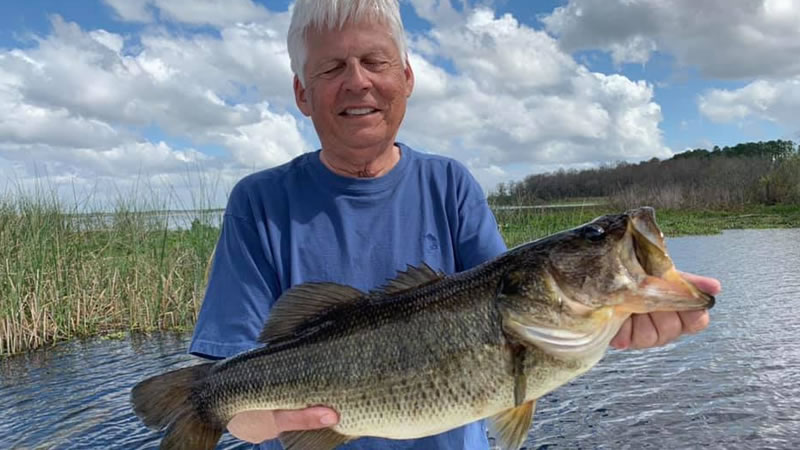
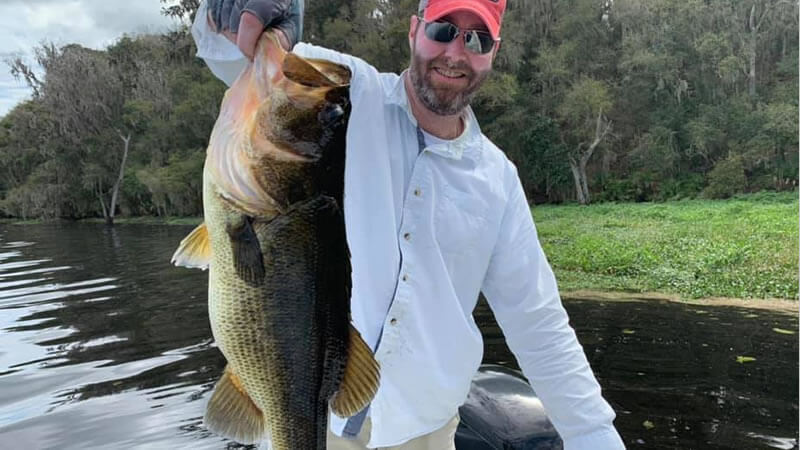
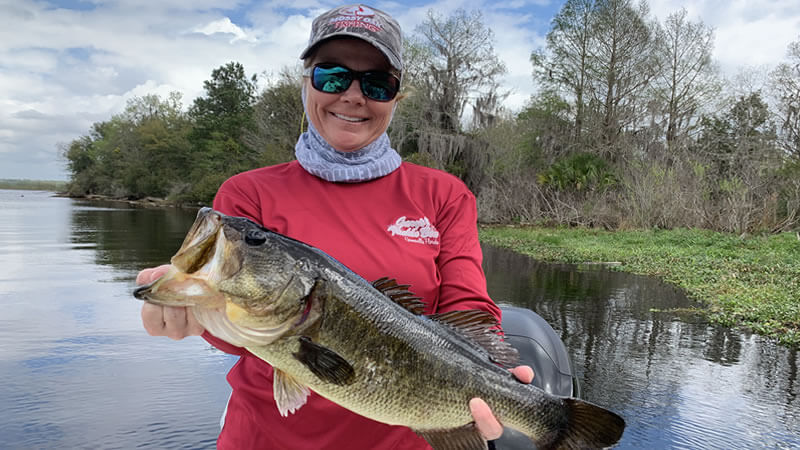
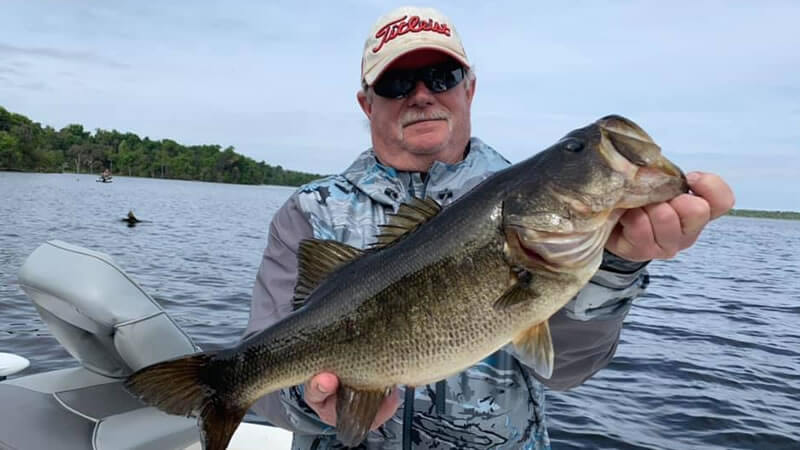
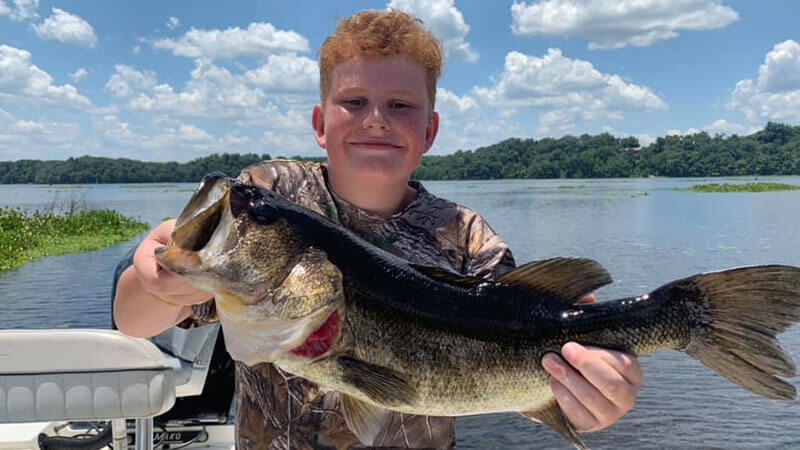
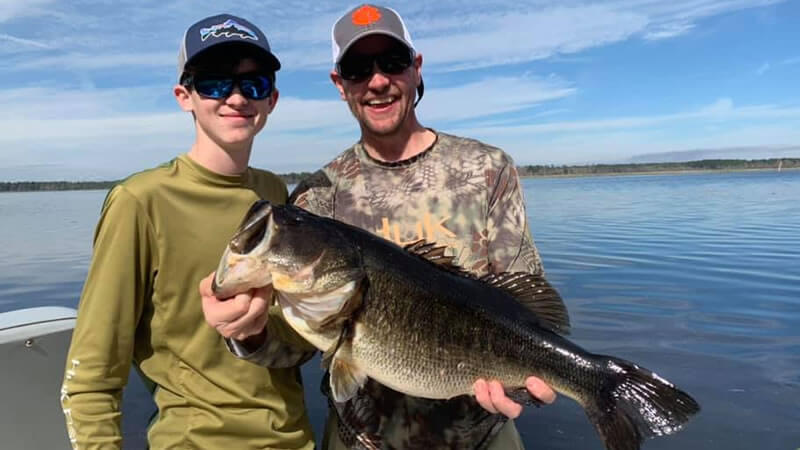
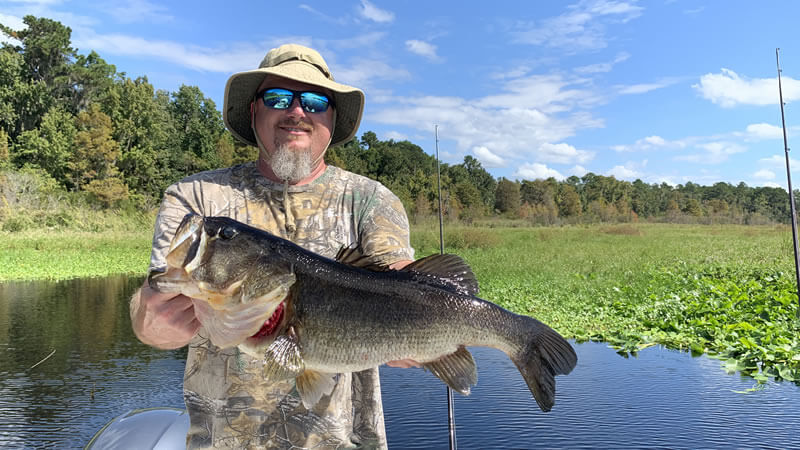
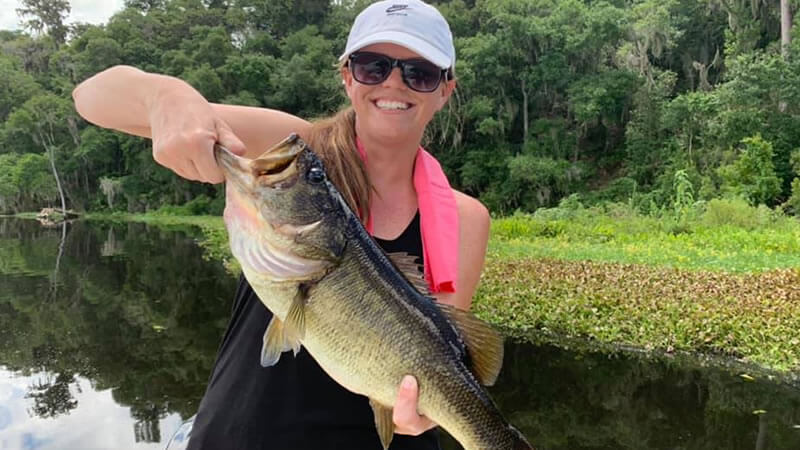
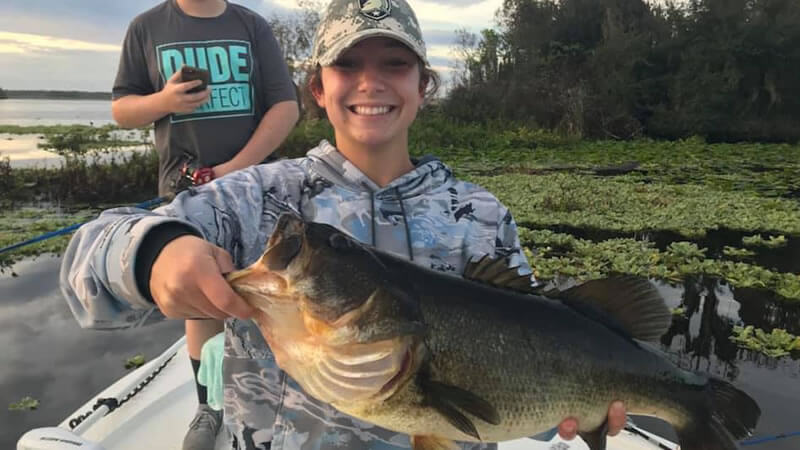
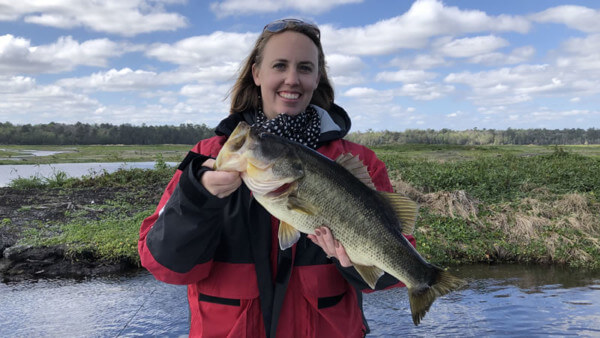
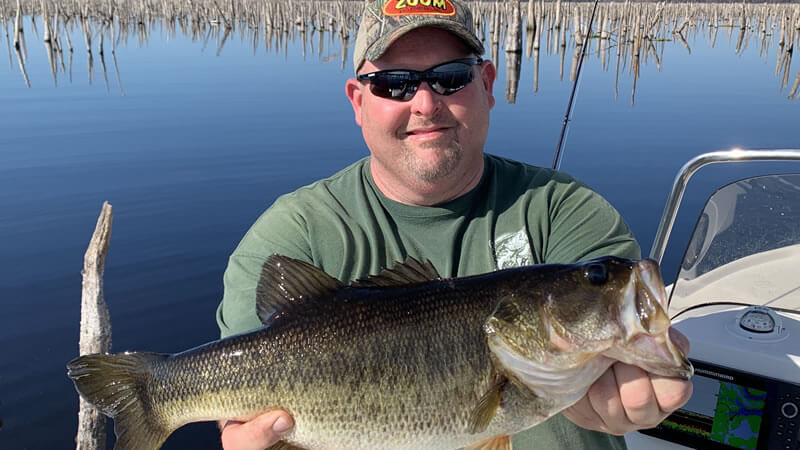
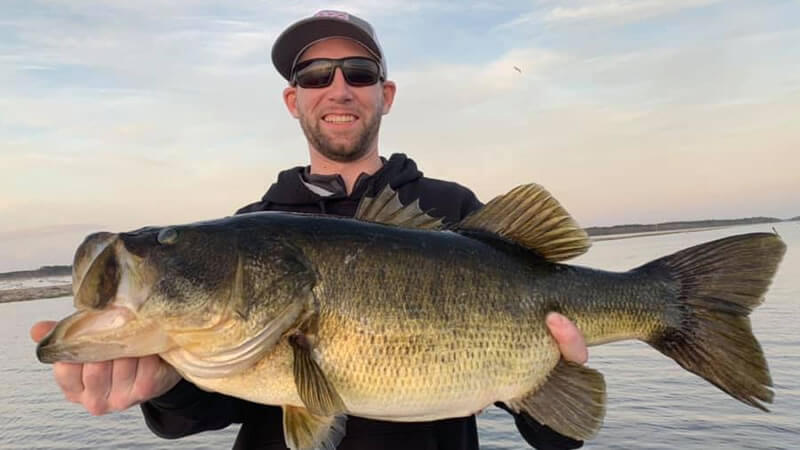
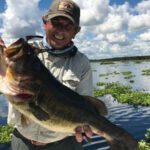
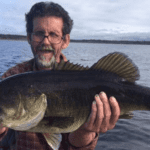
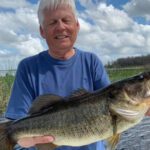
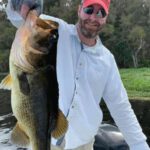
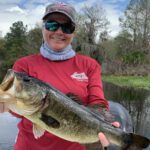
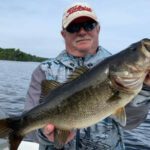
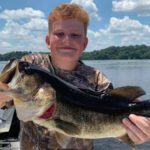
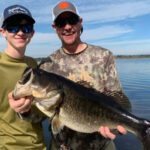
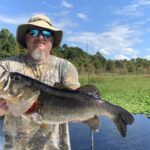
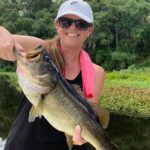
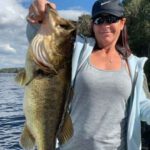
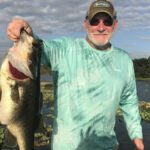
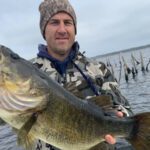
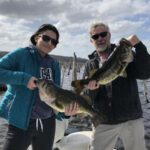
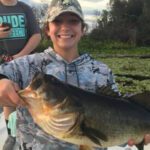
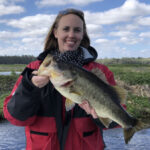
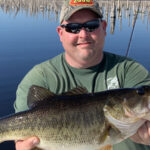
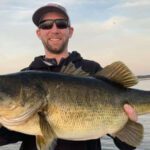
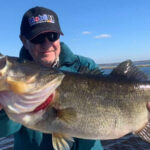
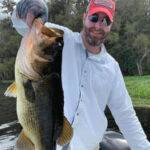
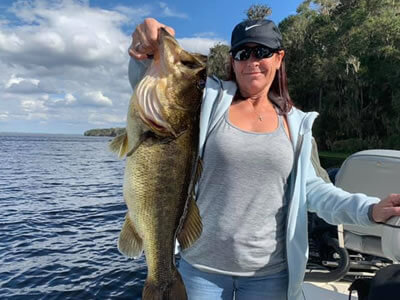
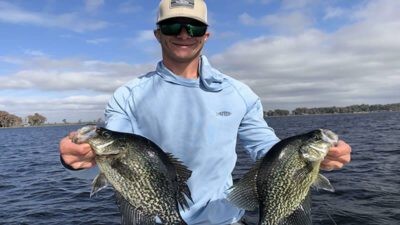

Most anglers see a dropping water line and head for the truck, but the 2026 drawdown at Rodman Reservoir is actually your absolute best shot at landing a 10lb double-digit lunker. You’ve probably heard the horror stories about shredded lower units in the legendary "Stump Forest" or spent hours staring at a massive field of floating hydrilla wondering where the hawgs are hiding. It’s intimidating to fish a place that feels like it wants to eat your boat, and nobody wants to spend their weekend at the repair shop instead of the weigh-in scales.
We’re going to turn that frustration into a legendary catch by showing you exactly how to navigate the 2026 water levels and target the big girls with confidence. You’ll master the tactical differences between the deep river channel and the fast-moving barge canal while learning the exact seasonal windows that produce world-class results. This guide breaks down the specific gear and local secrets you need to pull a trophy out of the timber and make 2026 your most successful season on the water yet.
Key Takeaways
-
Discover why the legendary "stump forest" of the Rodman Reservoir is Florida’s premier factory for landing 10-pound trophy lunkers.
-
Navigate the "Graveyard" with confidence by learning the essential boat safety routes through the Barge Canal and river channels.
-
Capitalize on the 2026 drawdown window to experience some of the most intense catch-and-release action of the decade.
-
Gear up with pro-level tactics, including why 65lb braid is your minimum requirement for winching hawgs out of heavy timber.
-
See how a professional guide can help you safely unlock the reservoir’s full potential and put you on the fish of a lifetime.
Table of Contents
-
Why Rodman Reservoir is Florida’s Premier Trophy Bass Factory
-
Navigating the "Graveyard": Tips for Boat Safety and Structure
-
The 2026 Drawdown: Strategy for the Catch-and-Release Window
Why Rodman Reservoir is Florida’s Premier Trophy Bass Factory
If you want to land a double-digit bass, you need to be on the Rodman Reservoir. This 9,500-acre impoundment of the Ocklawaha River isn’t your average Florida fishing hole. It’s a rugged, flooded forest where 10-pounders are a daily reality rather than a lucky fluke. The landscape is dominated by the Kirkpatrick Dam and the remnants of the Cross Florida Barge Canal. These structures created a unique environment where deep water meets shallow, nutrient-dense timber. Every cast here puts you in the strike zone of a potential lifetime best.
To see the raw power of these fish and the layout of the water, watch this helpful video:
The History of the Ocklawaha Impoundment
The reservoir’s journey started in 1968. It was originally intended for a massive shipping canal, but the project stopped, leaving behind a world-class habitat. Looking into the Rodman Reservoir history reveals a complex past that worked in favor of the fish. The decaying timber provides a constant source of nutrients, fueling a massive population of baitfish like shad and golden shiners. Because the water is so rich, bass here grow at an accelerated pace. You’ll find a mix of deep, clear canal stretches and dark, stained river channels that hold different classes of fish throughout the year. If you’re ready to tackle these submerged forests, our professional fishing guides know exactly where the big ones hide during every seasonal shift.
What Makes a "Rodman Hawg" Different?
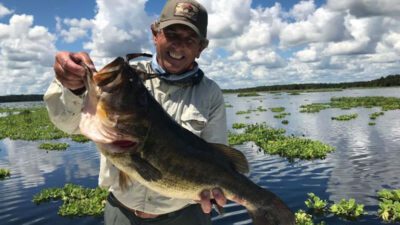
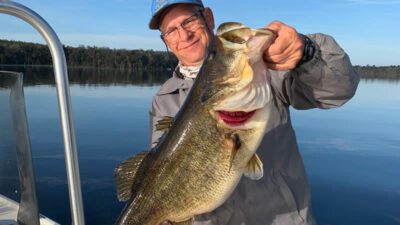
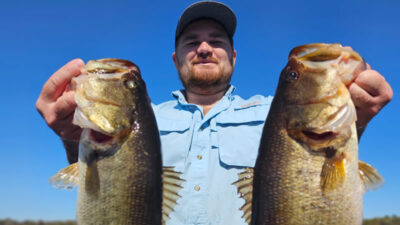
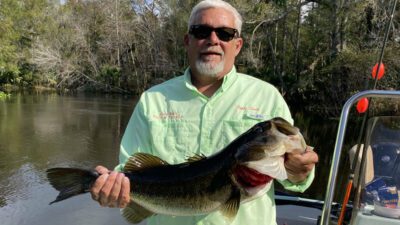
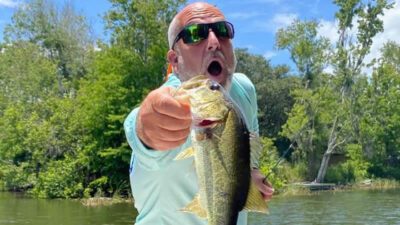
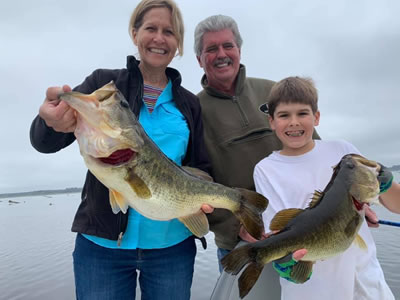
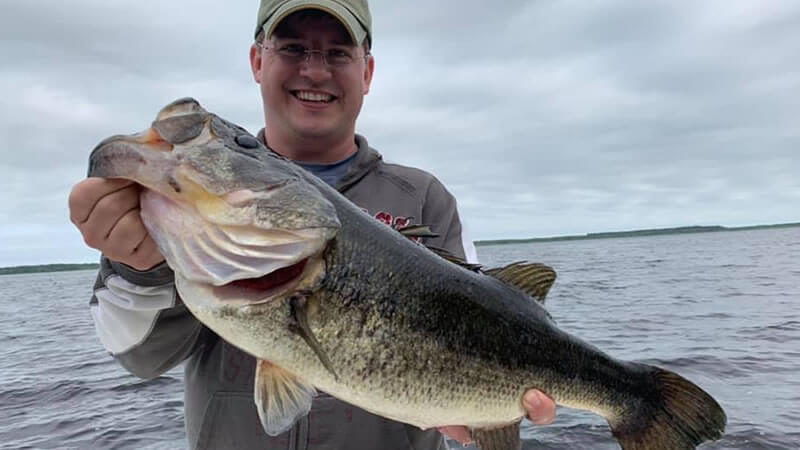
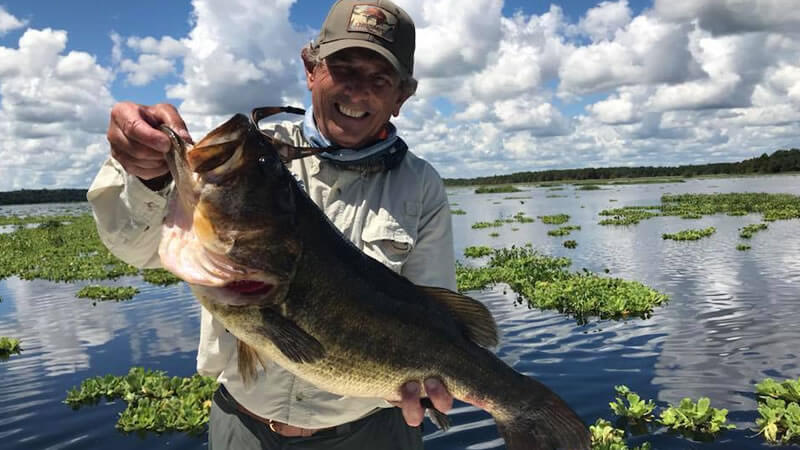
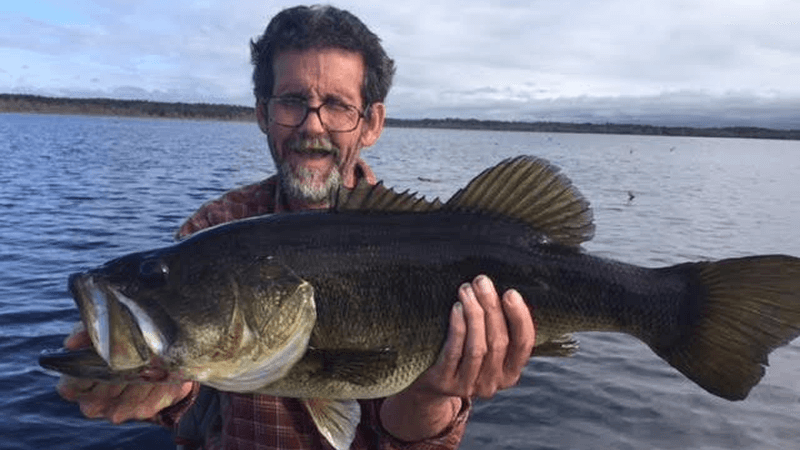
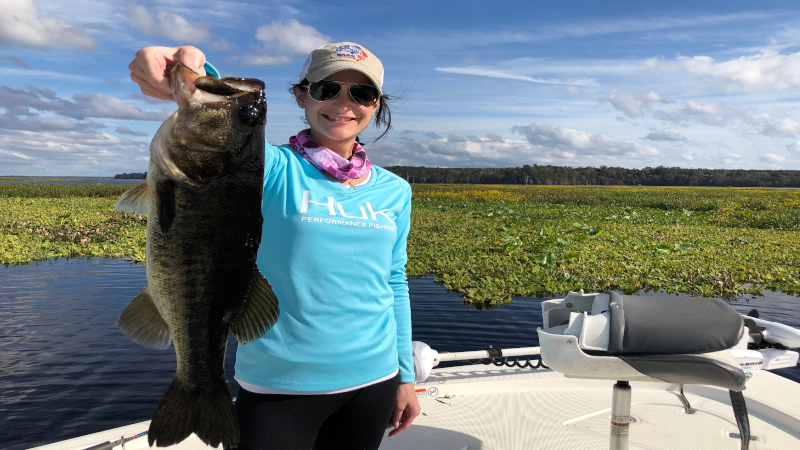
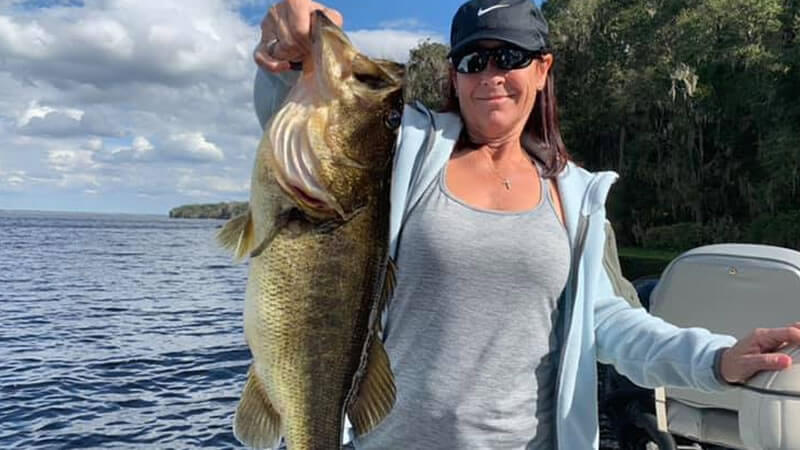
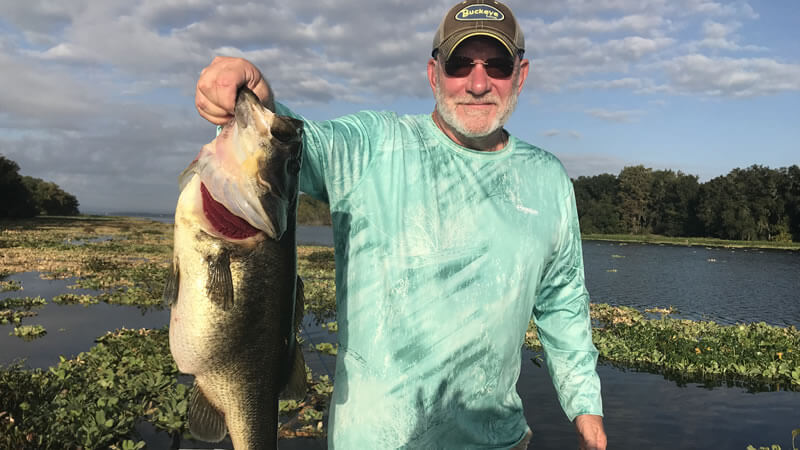
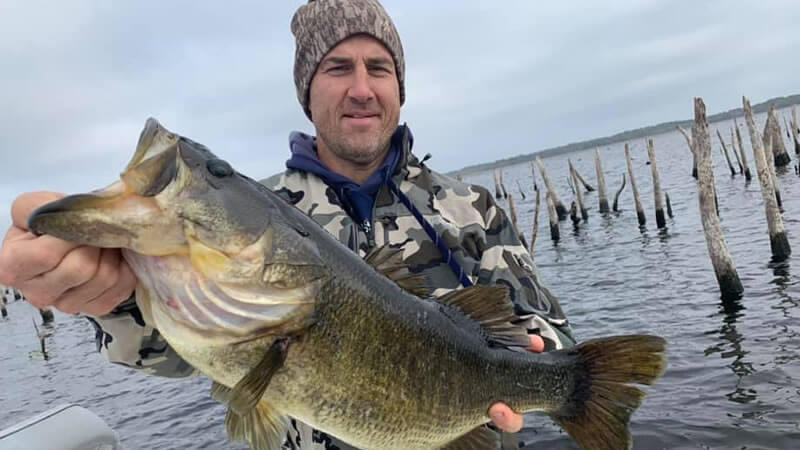
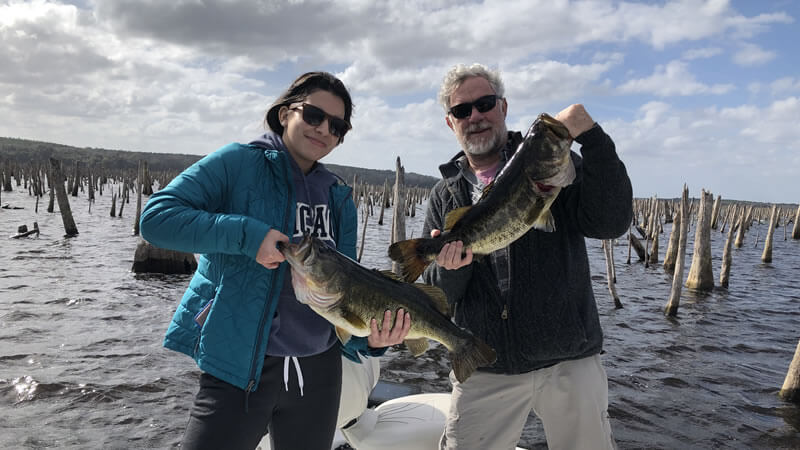
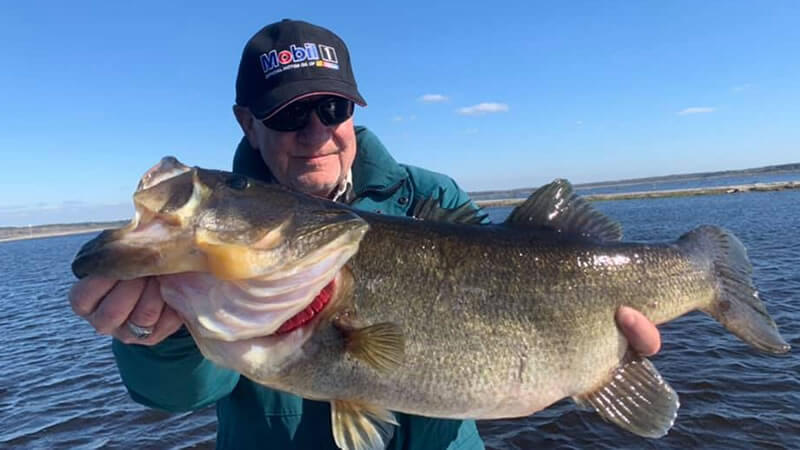
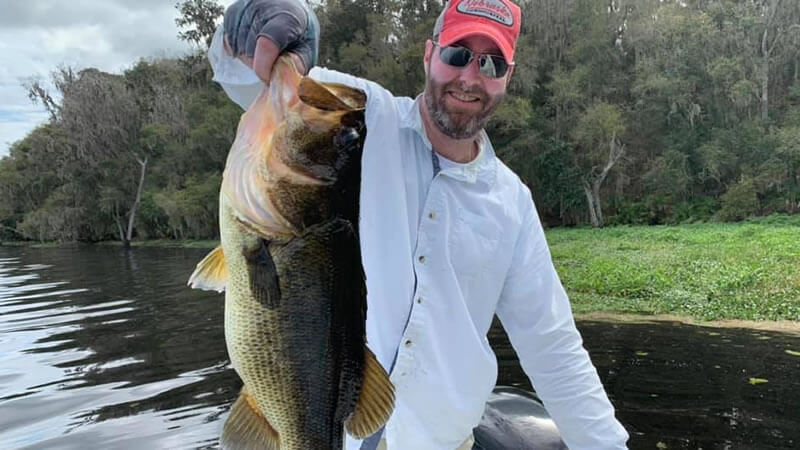
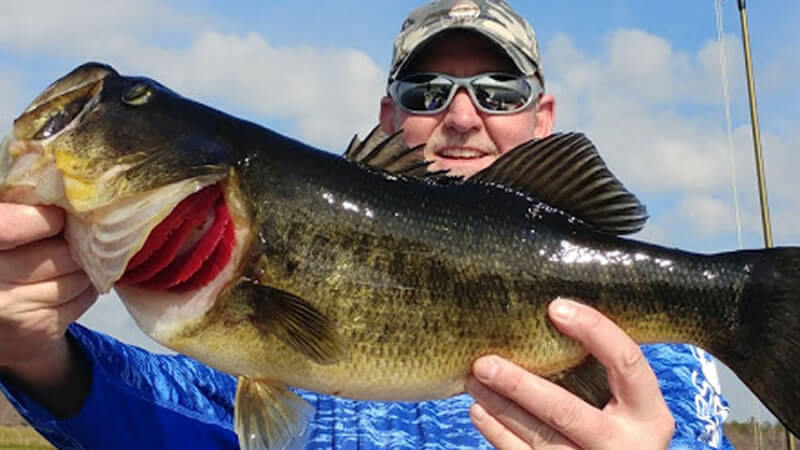
What sets a "Rodman Hawg" apart? These Florida bass are built for combat in heavy cover. They spend their lives buried in thick hydrilla and wood, making them incredibly muscular and aggressive. When you hook one, it doesn’t just jump. It tries to bury you in the stumps immediately. The Florida TrophyCatch program data proves the consistency of this factory. Rodman Reservoir frequently logs more catches over 8 pounds than almost any other lake in the state. It’s common to see fish over 13 pounds certified during the peak winter months.
-
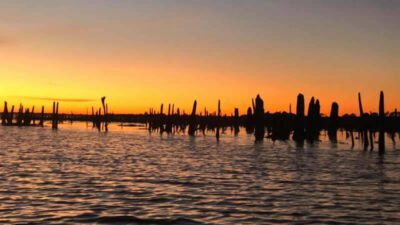
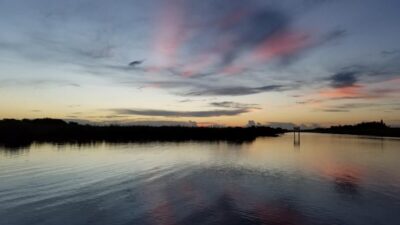
Prehistoric Scenery: The vista of dead standing timber and floating islands creates a unique atmosphere.
-
Top 10 Ranking: Bassmaster consistently ranks this waterway as a premier destination in the United States.
-
Elite Genetics: The combination of river flow and stable forage produces fish with massive girth.
Fishing here is a psychological experience. The "prehistoric" scenery makes you feel like you’ve stepped back in time. It’s a place where the next bite could truly be a state record. This is why we consider it the definitive destination for serious trophy hunters who aren’t afraid to fish the "nasty" stuff to find a giant.
Navigating the "Graveyard": Tips for Boat Safety and Structure
Rodman Reservoir is legendary for its double-digit bass, but it’s equally famous for its treacherous underwater terrain. Locals call it "The Graveyard" for a reason. Thousands of submerged stumps and standing dead timber wait just inches below the surface. If you’re not careful, this lake will claim your lower unit before you even make your first cast. Staying safe requires a mix of high-tech gear and old-school water reading skills.
You must understand the two main areas of the reservoir to stay afloat. The Pool Section is the wide, flooded forest area where most trophy catches happen, but it’s also the most dangerous. Here, the stump fields are dense and unforgiving. As you move west, you hit the Transition Section. This is where the reservoir narrows, and the original river current becomes more defined. In both areas, your GPS isn’t just a convenience; it’s a lifeline. A high-quality trolling motor with "spot-lock" technology is also mandatory. It allows you to hold position in the wind without drifting into a cluster of cypress knees.
The Barge Canal vs. The Old River Channel
-
The Cross Florida Barge Canal: This is a 30-foot deep, straight-line highway. It’s the only place on the Rodman Reservoir where you can safely run your outboard at high speeds. Stay between the markers at all times.
-
The Ocklawaha River Channel: This winding path follows the original river bed. It averages 12 to 18 feet deep and is lined with submerged logs. This is a high-percentage fishing zone where big bass ambush baitfish moving along the edges.
-
Reading the Drop-offs: Use your electronics to find where the shallow flats suddenly plunge into the river channel. These 5-to-10-foot vertical drops are where the real lunkers hide.
Safety Protocols for First-Time Rodman Anglers
The golden rule here is simple: never run on plane once you leave the marked Barge Canal. Even if the water looks clear, a floating log or a "dead head" stump can appear instantly. These hazards are especially common during water level fluctuations or after heavy rains. Watch the surface for "boils" or unusual ripples, which often signal a massive stump just an inch deep.
If you’re new to these waters, don’t risk your boat or your safety. Hiring a professional fishing guide for your first trip is the smartest investment you can make. A guide will show you the "safe tracks" to save on your GPS, letting you focus on catching fish instead of dodging timber. Once you’ve learned the layout, you’ll have the confidence to hunt these world-class hawgs on your own. For more tips on Florida’s best honey holes, check out our outdoor blog for the latest reports.

The 2026 Drawdown: Strategy for the Catch-and-Release Window
Every three to four years, the Rodman Reservoir undergoes a massive transformation known as a drawdown. This isn’t just routine maintenance; it’s a vital management tool to controlling invasive aquatic plants and consolidating organic muck on the bottom. By dropping the water levels, the FWC allows the sun and frost to kill off floating vegetation that chokes the system. For the 2026 cycle, the water begins its 7-foot descent in late 2025, with the drawdown officially scheduled to end in March 2026. This timeline is critical because it overlaps perfectly with the peak spawning months, creating a unique environment for trophy hunters.
While the lower water levels might look intimidating to the untrained eye, they actually create a world-class fishing opportunity. As the lake shrinks from 9,500 acres down to roughly 3,000 acres, the bass lose their hiding spots in the flooded timber and cypress knees. They’re forced into the deeper channels, concentrating the population in a much smaller area. You aren’t just looking for a needle in a haystack anymore; you’re looking for a lunker in a bucket. To protect these concentrated schools, FWC regulations shift to a strict catch-and-release only policy during the low-water period. This ensures the Rodman Reservoir remains a premier destination for years to come.
Where the Bass Go When the Water Drops
When that 7-foot drop happens, the bass follow the receding water directly into the Cross Florida Barge Canal and the old Ocklawaha River bends. These deep-water arteries become the primary highways for every hawg in the system. You’ll want to hunt for specific "holes" or depressions within the river channel where the current slows down. These spots hold massive schools of trophy fish waiting for a meal to pass by. The drawdown also creates a feeding frenzy because forage species like shad and shiners are squeezed out of the vegetation. This makes the bite incredibly aggressive, as bass compete for limited resources in the open water.
Temporary Access and Ramp Information
Navigating the reservoir during a drawdown requires a bit of local knowledge and a lot of patience. Most of the standard ramps become high and dry, leaving only a few viable entry points. You’ll want to focus your efforts on these locations:
-
Kenwood Landing: This is the primary access point during low water, but expect it to be crowded with fellow anglers chasing the bite.
-
Orange Springs: A reliable secondary option that provides direct access to the river channel.
-
Hog Valley: Often used by locals, though conditions can be tight depending on the exact water level.
Be prepared for muddy conditions and slick ramps as water levels fluctuate. During the 2026 drawdown period, the Florida Fish and Wildlife Conservation Commission requires all largemouth bass caught on the reservoir to be released immediately to protect the concentrated population. If you’re looking for more details on Florida’s top honey holes, check out our guide to Florida lakes to plan your next move. This is combat fishing at its finest, but the reward is the chance to land the kind of legendary bass that made this reservoir famous.
Mastering the Tactics: Best Lures and Baits for Rodman
Fishing the Rodman Reservoir requires more than just luck; it demands a heavy-duty mindset. If you show up with light line and flimsy hooks, a Rodman lunker will snap your gear before you even see a flash of green. Your first step is choosing between the raw effectiveness of live bait and the technical challenge of heavy-duty artificial lures. Both have their place, but your gear must be up to the task.
Regardless of your approach, your rigging must be bulletproof. We recommend 65lb braided line as your absolute minimum requirement. This isn’t about being overkill; it’s about winching a trophy bass out of ancient, submerged cedar and cypress stumps that have claimed thousands of lures. Since the reservoir was created in 1968, the flooded timber has become a fortress for big bass. To dominate this water, you need to master these specific techniques:
-
Punching: Use a 1.5 to 2-ounce tungsten weight to break through the thick vegetation mats.
-
Frogging: Walk a hollow-body frog over the "floating islands" of hydrilla during low light.
-
Slow-rolling: Pull large, weedless swimbaits through the standing timber to trigger a reaction strike.
The Power of the Wild Florida Shiner
If you want the best shot at a Rodman 10-pounder, live wild shiners are the undisputed king. These aren’t your average bait shop minnows. They’re high-energy athletes that trophy bass hunt instinctively. We hook them through the nose or just behind the dorsal fin to let them swim naturally into the heart of the timber. For a deeper look at why these predators react this way, check out our guide on Florida Bass behavior. Drifting a shiner under a cork near the river channel edges is a proven method for landing a hawg, especially when the water temperature sits between 65 and 75 degrees.
Top Artificial Lures for Heavy Cover
When you’re throwing plastics, color choice is simple. The tannin-stained water of the rodman reservoir makes black and blue the most effective combination. For punching, use a compact craw-style bait on a heavy flipping hook. This allows the lure to slip through the canopy without snagging. If you’re targeting the stump fields, select weedless swimbaits with internal weights. These lures allow you to bounce off the wood without getting hung up, mimicking the golden shiners that big bass hunt. The "floating islands" of hydrilla and salvinia create a unique challenge where you aren’t just fishing the edges; you’re fishing through the roof. Ready to test your skills against a world-class lunker? Book your trip with our professional fishing guides today.
Book Your Rodman Adventure with Bass Online
Rodman Reservoir is a legendary bass factory, but it’s also a maze of underwater hazards that can ruin a lower unit in seconds. Navigating the "stump forest" safely requires more than just a GPS; it demands local knowledge earned through thousands of hours on the water. When you book a trip with us, you aren’t just hiring a boat. You’re gaining an elite partner dedicated to putting a double-digit lunker in your hands. We handle the navigation through the timber so you can focus on the thump at the end of your line.
A full-day trophy hunt with Bass Online is a world-class experience from start to finish. You’ll step onto a professional-grade bass boat rigged with the latest side-scan sonar and power-poles. We provide everything you need to land a monster, including premium rods, reels, and expert instruction on the specific retrieve styles that trigger Rodman hawgs. Our guides are instructors at heart, showing you exactly how to work a bait through heavy cover to entice a strike. Plus, we stand by our results with a "No Fish, No Pay" policy. If you don’t catch a fish, you don’t pay for the trip. We’re that confident in our ability to deliver your bucket-list success.
Before you hit the water, make sure you have your essentials ready. Use this final checklist to prepare for your expedition:
-
A valid Florida fishing license.
-
Polarized sunglasses to cut the glare and see submerged structure.
-
High-SPF sun protection and a wide-brimmed hat.
-
A high-quality camera or smartphone to document your trophy catch.
Meet the Rodman Experts
Our captains are the premier guides in North Florida, with many boasting over 20 years of experience on this specific waterway. They know exactly which submerged creek channels hold the biggest bass during the post-drawdown transition. You’ll fish from the best equipment in the industry, utilizing cutting-edge tech to pinpoint fish hiding in thick vegetation. Don’t just take our word for it. Check out our fishing charter reviews to see the massive trophy catches our clients have landed in the last season.
Planning Your 2026 Trip
Timing is everything when you’re hunting world-class bass. For the 2026 season, the months of March through May will be absolutely electric as the water levels stabilize following the drawdown. These months offer the best chance at a 10-pounder as fish move into predictable spring patterns. Dates fill up fast during this high-demand window, so it’s smart to lock in your spot early. Ready to make history on the water? Book your Rodman Reservoir trip today!
Secure Your Shot at a Florida Legend
The 2026 drawdown represents a legendary opportunity to catch a double-digit hawg as water levels drop and the population concentrates. Navigating the 9,500-acre graveyard of stumps and submerged timber is no easy task for the uninitiated. You need to master the art of slow-rolling big swimbaits and punching heavy mats to trigger those world-class strikes. Don’t leave your success to chance when the bite of a lifetime is on the line. A trip to Rodman Reservoir demands respect and local expertise to fish safely and effectively.
Our team at Bass Online stands as the highest-rated guide service in Florida. We provide expert captains with over 20 years of experience navigating these tricky waters. We handle all the gear and safety equipment so you can focus entirely on the fight. Whether you’re chasing a personal best or just want to experience the raw power of a Florida lunker, we have the tools and the talent to make it happen. The water is calling, and the big girls are waiting.
Book Your Rodman Reservoir Trophy Bass Trip Now!
Frequently Asked Questions
Is Rodman Reservoir dangerous for boaters?
Rodman Reservoir is one of the most hazardous lakes in Florida for boaters who don’t know the channel. The water is filled with thousands of submerged cypress stumps and floating logs that can shear off a lower unit in seconds. You must stay between the markers in the river channel. Even then, floating islands of vegetation can block your path, so keep your eyes peeled and your speed low when you’re off the main track.
When is the next drawdown for Rodman Reservoir?
The next scheduled drawdown for rodman reservoir begins in October 2025 and runs through March 2026. This management cycle happens every 3 to 4 years to control invasive aquatic plants and consolidate the bottom muck. During this 5 month window, water levels drop about 7 feet. This concentrates the bass into the river channel, creating some of the most intense trophy fishing you’ll ever experience in Florida.
Do I need a special permit to fish Rodman Reservoir?
You don’t need a special permit to fish here, but every angler between 16 and 65 needs a standard Florida freshwater fishing license. You can grab a 3 day, 7 day, or annual permit through the FWC website or at local bait shops. Make sure you have your ID and license ready, as FWC officers frequently patrol the ramps at Kenwood and Orange Springs to ensure everyone is playing by the rules.
What is the best time of year to catch a trophy bass at Rodman?
Peak season for a double digit hawg is from January through March when the big females move up to spawn. During these 90 days, the reservoir produces more 10 pound plus bass than almost anywhere else in the state. If you can’t make it during the spring, the late fall months of November and December are also excellent as the fish feed heavily before the first cold fronts arrive.
Can I fish from the bank at Rodman Reservoir?
You can absolutely fish from the bank, with the best spots located at the Kirkpatrick Dam and the Rodman Recreation Area. The fishing pier at the dam offers deep water access where bass and catfish congregate near the current. There’s also 400 feet of shoreline access at the Kenwood boat ramp. It’s a great way to get a line in the water without needing a professional bass boat.
What lures work best in the heavy timber of Rodman?
Weedless setups are mandatory when you’re targeting lunkers in the heavy timber. A 10 inch ribbon tail worm rigged Texas style with a 1/2 ounce weight is a local favorite for punching through the thick stuff. For topwater action, a hollow body frog or a weedless spoon allows you to fish right over the top of the lily pads and submerged logs without getting snagged on every single cast.
What happens to the fishing during a drawdown?
Fishing reaches a fever pitch during a drawdown because the bass are forced out of the flooded timber and into the main river channel. With the water 7 feet lower, the fish have nowhere to hide, making them much easier to locate. Anglers often report catching 30 to 50 bass a day during these periods. It’s the best time to see the lake’s structure and learn where the big ones live.
Are there alligators in Rodman Reservoir?
There is a massive population of American alligators in Rodman Reservoir, and it’s common to see 20 or 30 of them on a single trip. Most of these gators range from 6 to 12 feet in length. They generally ignore anglers, but you should never feed them or clean fish at the water’s edge. Keep your hands and feet inside the boat, and give them plenty of space when you’re navigating the backwaters.