Tuscaloosa, AL
"Reel in Southern Hospitality—Tuscaloosa’s Outdoors Are Calling!"
Quick Summary
Top Lakes Near Tuscaloosa, AL

Fishing Guides in Tuscaloosa, AL

Popular Species in Tuscaloosa, AL Fishing

Bullhead Catfish
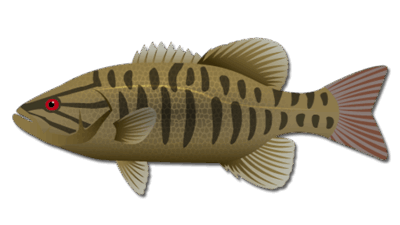
Smallmouth Bass
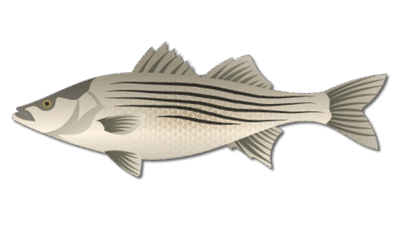
Striped Bass
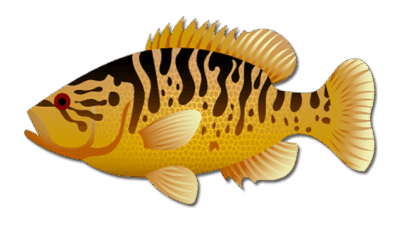
Warmouth Fish
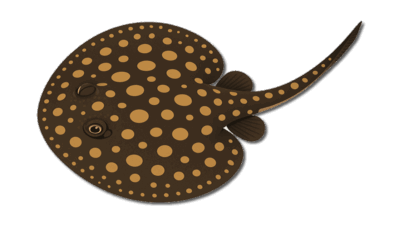
Freshwater Stingrays
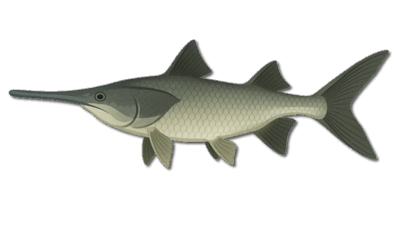
Paddlefish
Frequently Asked Questions about Tuscaloosa, AL
What makes Tuscaloosa, AL a good fishing spot?
Which species can I catch at Tuscaloosa, AL?
When is the best time to fish Tuscaloosa, AL?
Do I need a fishing license for Tuscaloosa, AL?
Are guided trips available at Tuscaloosa, AL?
About Tuscaloosa, AL
The dam at Tuscaloosa creates an ideal habitat for various fish species, such as crappies and bass. However, the entire Tuscaloosa water system offers optimal conditions for sport fishing, especially for boat and kayak fishing for both small and large bass species.
Fishing in Tuscaloosa, AL, has something to offer that other waters across Alabama don’t! To be more precise, fishing in Tuscaloosa, Alabama, usually happens in the upper parts of the main lake, near Turkey and Binion Creeks. Here, you’ll find all Alabama freshwater fish species that come to mind! Nevertheless, the district is also full of dams, rivers, and creeks!
In this article, we’ll hover through the water columns of the lakes, rivers, and creeks around Tuscaloosa and acquaint you with the various fish species and angling techniques you can use!
Let’s jump right in!
Best Spots for Fishing in Tuscaloosa, Alabama
There are numerous rivers, creeks, and lakes near Tuscaloosa, AL. However, some places are distinct because they allow you to use multiple rigs and fishing techniques. On top of that, you’ll find numerous freshwater species within these water areas, which are hungry, aggressive, and ready for a fight. The following are some of the best spots for fishing in Tuscaloosa.
Sharps Landing
The Sharps Landing is located near Watermelon Road County Park. It’s a place that offers many fishing possibilities, including angling, trolling, and schooling for various freshwater fish species. However, this isn’t the only reason we’ve included Sharps Landing among the best fishing locations in Tuscaloosa. Another reason is the 177 miles of shoreline, which makes this location great for bank fishing and targeting species such as catfish, smallmouth, striped, and spotted bass.
Sharps Landing is only a location at the fishing Lake Tuscaloosa. Nonetheless, it hosts some incredible species, like largemouths, smallmouths, crappies, bluegills, sunfish, and catfish. The most common fish species are the bass, from which the largemouth can grow up to 25 inches. Sharps Landing is also among our top locations for incredible wildlife sightings and family picnic opportunities.
Oliver Dam and Fishing Pier
We’re talking about Oliver Lake, the tiniest of the six man-made lakes around Black Warrior River. The Oliver Dam and Fishing Pier hold some of the largest largemouths across Alabama. The most elegant and alluring bass species for anglers is the ever-more-populous hybrid and striped bass. We’ve included the Oliver Dam and Fishing Pier on our fishing list – because of the huge bass population and other species, like crappies and sunfish.
Here, you can target the bass and catch it at any spot. Also, you can use multiple rigging systems, such as Alabama or Texas, depending on the depth of the water column and the targeted species. The best lures you can use at Oliver Dam and Fishing Pier are crankbaits, spinner baits, and soft plastics.
Binion Creeks
Binion Creeks have anything you want – from largemouths and spotted bass to crappies, sunfish, catfish, pumpkinseed, and spotted gar. If not the best, Binion Creeks are among the best places for fishing in Tuscaloosa because of the variety of species and the opportunity to use all your angling, trolling, or schooling gear.
Also, Binion Creek offers you an opportunity to go for boat and bank fishing. The specific terrain and surroundings make it easier to adjust your rigs, rods, and baits and throw them at any targeted location. On top of that, Binion Creek has deep water points where you can fish for bass or crappie during the colder months.
Lake Lurleen State Park
If you live near the community of Northport in Tuscaloosa County, Lake Lurleen is the closest location for an extraordinary angling experience! You’ll quickly locate the lake within Lurleen Park, which encircles these clean and warm waters. Here, you can troll, school, or angle for various fish species, including largemouths, smallmouths, bream, crappies, and catfish. All the fish species are native to Alabama, and the catfish and largemouth can grow up to 20 or 35 inches, respectively.
It’s one of the lakes in Tuscaloosa, Alabama, that can also allow you to boat and go bank fishing. The shoreline stretches across the park, and you can cast your baits from any targeted location. However, you must be careful, as the fish can dive deep into the second half of the water column during winter. Nonetheless, you can initiate strikes at every shallow bank point by throwing your baits and catching catfish, sunfish, largemouth, or spotted bass.
Holt Lake
Along the Black Warrior River, there’s a narrow and elongated lake – the Holt Lake. It’s here where professional Alabama anglers go on their trophy hunt! It’s one of the fishing lakes in Tuscaloosa, Alabama, where you can easily pull out a giant largemouth, smallmouth, or spotted bass. These fish can sometimes grow up to 24 inches! If you fish at Holt Lake, you’ll have to get a medium-to-heavy action rod and particular baits applicable to big-sized fish.
There are several access points at the lake. The most popular among professional Alabama anglers are Rocky Branch Public Use Arena, Holt Damsite Public Use Arena, and Rocky Quarry Boat Landing. Holt Lake has shallower and deeper water columns, so it’s ideal for winter and spring fishing.
Lake Harris
Nearby Holt Lake, there’s another reservoir – Lake Harris. Lake Harris Tuscaloosa fishing is currently causing a craze among professional anglers because of the ever-abundant population of largemouths, smallmouths, spotted, striped, and white bass! Also, water temperatures can range from 83°F to 44°F on average, making it optimal for other fish species, such as crappies, sunfish, and catfish!
It doesn’t matter if you go for fly fishing, baitcasting, trolling, or spinning – the chances you land a 10-pounder largemouth are incredible! Lake Tuscaloosa fishing is nothing without Lake Harris and its aggressive bass population during the spring and fall months.
Fish Species in Tuscaloosa, Alabama
The creeks, rivers, and lakes near Tuscaloosa host numerous fish species native to Alabama. The more interesting ones are the Alabama bass, the Giant Blue Catfish, and the Trophy-Sized Spotted Bass. Let’s take a hike and elaborate on the key features and characteristics.
Tuscaloosa Bass
There are several bass species living in the waters around Tuscaloosa. For example, you can find largemouths, smallmouths, white bass, yellow bass, spotted bass, and striped bass. They usually feed on smaller fish, insects, and plankton. However, the bigger ones – like the largemouths and the giant striped bass living in Holt Lake – can even eat larger fish, like sunfish or crappies. That’s why you should be highly versatile and frequently alter the movements, baits, and rigs.
Tuscaloosa Catfish
Two catfish types live in the water areas near Tuscaloosa – the Blue and Flathead Catfish. They tend to stick near the shallower areas, where they feed on smaller fish and insects. The best time to catch both catfish species is during the summer (their spawning season). During these months, the catfish is aggressive and hovers higher in the water column, searching for food. You’ll need medium-to-heavy rods and larger baits in the appropriate colorways to catch the Tuscaloosa catfish.
Tuscaloosa Crappies
This fish species is smaller, so you can target it with live bait, soft plastics, or topwater lures. Tuscaloosa hosts two main crappie species, the black and white crappie. Usually, you can target the crappie windward, in the shallower water areas, along the dark-bottomed bays. It mainly feeds on tiny fish and insects, so you’ll need medium-action rods and almost any rig type to target and catch the white or blue crappie. You’ll recognize them by their downward-facing mouth, silvery-green or blackish colorways, and spiny fins.
Tuscaloosa Sunfish
The Alabama sunfish primarily eats smaller fish and crustaceans. It usually comes in blue, brown, and yellow colorways, depending on the individual fish and its size. The best time to go sunfish fishing in Tuscaloosa is in the autumn when the waters start to cool off. Mind that the sunfish rarely bites at night and usually feeds during the early morning or daybreak hours. You can use almost any rig or rod system to catch it, depending on the depth of the water column and the temperature conditions!
Tips for Fishing in Tuscaloosa, AL
The following are some of the best tips we can give for fishing in Tuscaloosa:
- Learn more about the various lakes, rivers, and creeks – Learn their characteristics, depth, temperature, and seasonal conditions;
- Learn more about the various fish species – Each fish has preferred baits and colors depending on the specific habitat and feeding characteristics.
- Utilize your skills – Start by utilizing your angling, trolling, or schooling skills. However, always try to implement new skills, movements, and actions;
- Equip your tackle box with all the necessary items – Each rig has a specific swivel, leader, rod, weight, and lure. Choose the right ones!
- Follow the state regulations – Always keep an open eye on the various Alabama state regulations based on the daily creels and catches of fish. Get the license!
- Find your favorite spot – There are numerous fishing locations across Alabama and in Tuscaloosa. Find the one with the most abundant fish population and your favorite species.
Local Tuscaloosa Fishing Guides
Meet the team of Tuscaloosa Fishing Guides. We know the best spots, baits, and techniques to give you the most fantastic fishing experience in the Ione area.
Tuscaloosa Fishing Regulations
If you want to go fishing in Tuscaloosa, you must apply for and acquire an Alabama state fishing license. However, other regulations will also oblige you to limit your catch with a creel and daily limit framework. Here’s how the limitations look, depending on the particular fish species:
- Largemouth bass – You may catch a maximum of 10 largemouth bass units in combination with other bass species, such as smallmouths or spotted bass.
- Smallmouth bass – You may catch 5 to 10 smallmouths in combination with other bass species.
- Bream species – 50 breams are the maximum daily catch!
- Catfish species – There’s no catfish daily creel limit. However, you may not pull a catfish larger than 34 inches!
- Walleye species – You may catch only two walleye daily!
- White, yellow, and striped bass – You may catch 15 of these bass species in combination with others like the Alabama or largemouth bass.
- Crappie – You can catch 30 crappies a day! However, all crappies must be at least 9 inches long.
These are some of the regulations in effect throughout Alabama. Nevertheless, the Alabama regional authorities can impose different fishing regulations for various water areas. For example, you may catch 15 striped bass at certain lakes and rivers but only ten at other reservoirs.
We recommend you analyze the details of the regulations before casting your bait and pulling out your favorite Tuscaloosa fish! The best and easiest practice is to combine various fish species in a single angling adventure!
Final Words
Fishing in Tuscaloosa, Alabama, can be superb if you know the characteristics of the specific fish species and the fishing conditions of the particular locations! It doesn’t matter if you visit the creeks, rivers, reservoirs, or fishing ponds in Tuscaloosa as long as you carry the right equipment and rigs! Follow the regulations, implement the tips, and you won’t have a problem catching a 10-pound largemouth or a 30-pound catfish!
FAQs:
Is Lake Tuscaloosa suitable for fishing?
Yes, Lake Tuscaloosa is ideal for fishing, especially for largemouth, smallmouth, striped bass, crappie, bluegill, sunfish, and walleye. It provides optimal water and feeding conditions for these species while allowing you to use a variety of rods and rigs!
What river runs by Tuscaloosa?
The main river running through Tuscaloosa is the Black Warrior River.
Where can I fish in Lake Tuscaloosa?
Alabama anglers frequently visit the upper part of the lake or the Binion and Turkey Creeks. However, if you go for boat fishing, you should start from Binion Creeks, Sharps Landing, and Rock Quarry. Other popular places are Oliver Pool and Lurleen State Park.
People Also Ask
How deep is Lake Tuscaloosa?
The deepest point in Lake Tuscaloosa is 28 meters deep.
What is the biggest bass caught in Lake Tuscaloosa?
The confirmed biggest largemouth bass caught at Lake Tuscaloosa weighed 12 pounds.
Questions? Feel free to call us, Email us or use the chat us to speak to one of our specialists. Questions? Feel free to call us, email us, or use the chat to talk to one of our specialists. Questions? Feel free to call us, email us, or use the chat to speak to one of our specialists.
Nearby Destinations Outside of Fishing in Tuscaloosa
After experiencing fishing in Tuscaloosa, Alabama, we also have great deals available in the following cities that match your search criteria.
Other Related Cities