
Great For Kids
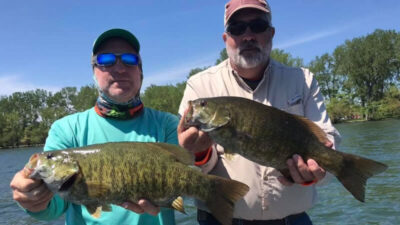



Verified upcoming fishing trips are available for St. Lawrence River. Choose from 5 available trip options below.
 Best Seller
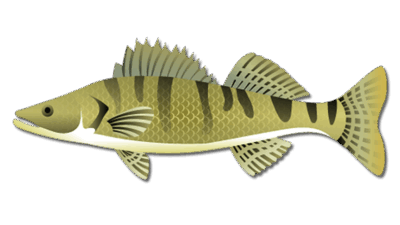
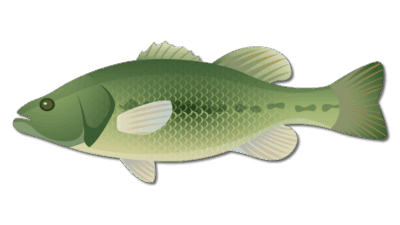
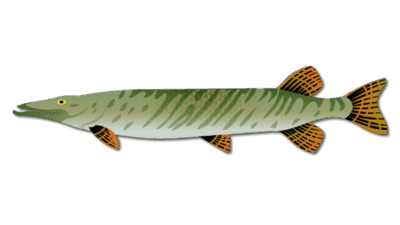
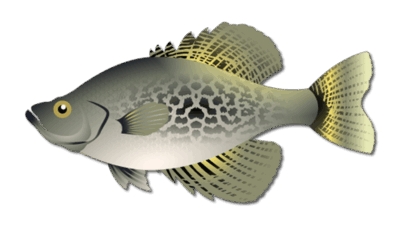


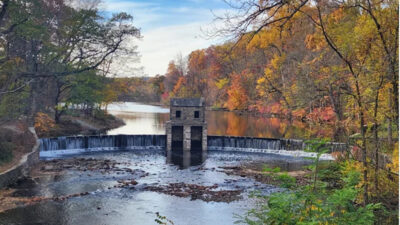
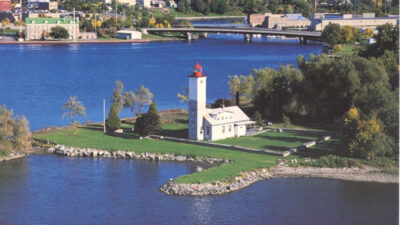


The St. Lawrence River is one of New York’s signature moving-water fisheries. From the river’s head at Lake Ontario through the Thousand Islands, the Middle Corridor and Lake St. Lawrence, anglers can work islands, shoals, current breaks, protected bays and deep edges for several warmwater species.
The New York State Department of Environmental Conservation’s St. Lawrence River guide identifies smallmouth bass as the most commonly caught bass and also documents largemouth bass, northern pike, walleye, yellow perch, bullheads, panfish and muskellunge. Conditions change across this long river, so current, depth, season and launch location all matter.
The Thousand Islands section extends from the Cape Vincent area toward Morristown. Islands, rocky points, bays and shoals create a wide range of bass habitat. Farther downstream, the Middle Corridor leads toward Lake St. Lawrence and the Moses-Saunders Power Dam area.
For a first trip, select the launch area before choosing a pattern. Cape Vincent provides access near the Lake Ontario–river transition. Alexandria Bay and Chippewa Bay place anglers among island, bay and shoal habitat. Ogdensburg, the primary location for this page’s map coordinates, provides access in the Middle Corridor. Morristown and Waddington add options farther along the New York shore.
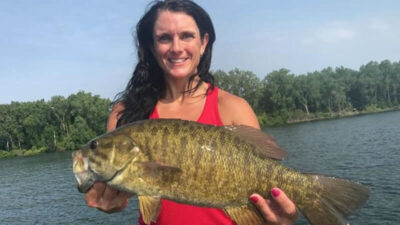
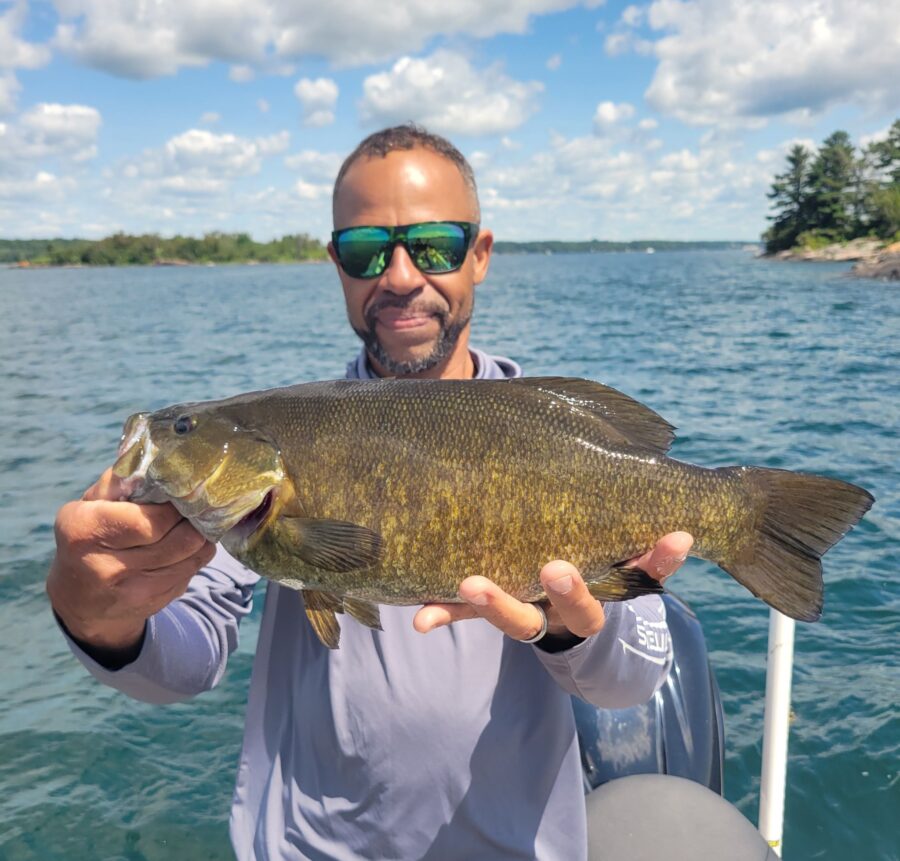
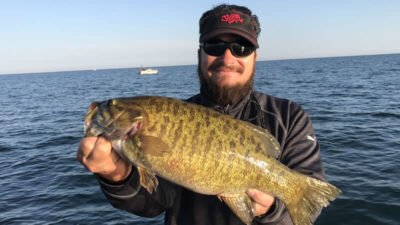
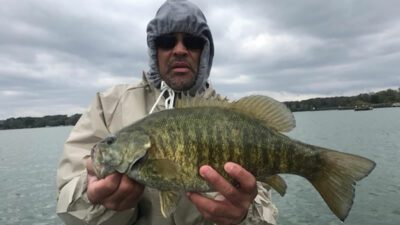
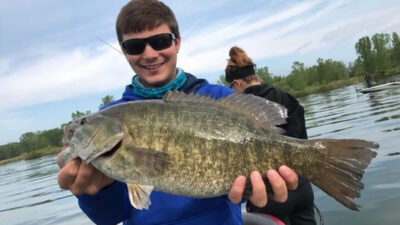
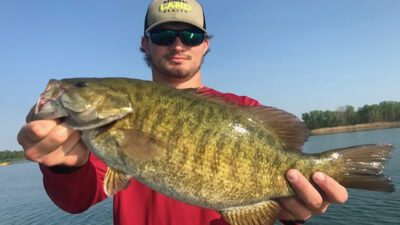
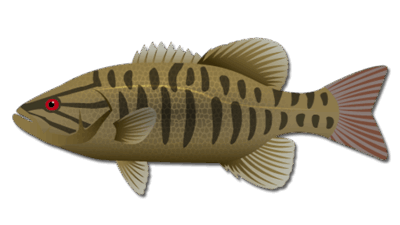
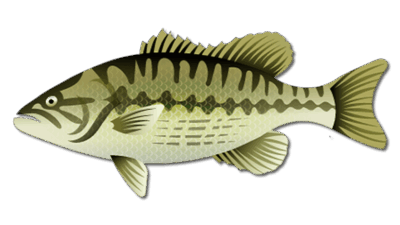
Smallmouth bass are the primary sport-fishing target. Productive water includes current-washed points, island edges, shoals, rock transitions and deeper structure. Tubes, drop-shot rigs, jigs, soft-plastic minnows and small swimbaits can all fit the fishery. Use enough weight to maintain bottom contact without overpowering the presentation, and adjust depth as current and water temperature change.
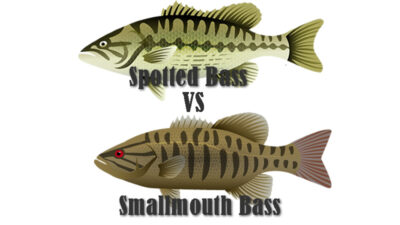
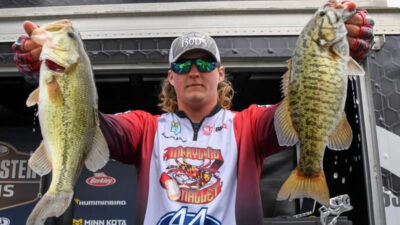
Largemouth bass are more closely associated with shallow, protected bays, vegetation and quieter edges. Spinnerbaits, topwater lures, weedless soft plastics and shallow-running plugs help cover that habitat. The river supports both bass species, but the most efficient approach is to choose either current-oriented smallmouth water or protected largemouth habitat instead of treating every area the same.
Walleye can concentrate near tributary mouths, points, shoals and dam-influenced current. Jigs, minnows and spinner presentations are common starting points. Northern pike often use shallow weedy bays in spring and remain available in protected areas during open-water and ice-fishing periods.
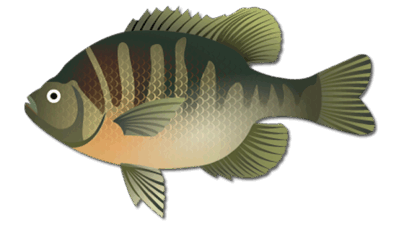
Late summer and fall bring focused musky effort along shoal edges. Yellow perch, crappie, bluegill and bullheads provide additional opportunities from boats, docks and shore. These species broaden the river’s appeal, but their location can vary sharply with temperature, current and local habitat.
After ice-out, protected bays and tributary areas warm before the main channel. Pike, yellow perch and bullheads can become active in shallower water. Bass regulations and season dates must be checked before targeting or possessing fish.
Summer is a major smallmouth period. Start around rocky structure and current, then move deeper as light and temperature increase. Largemouth remain a practical alternative in vegetated bays. Wind and commercial-vessel wakes can make exposed water rough even when the forecast appears manageable.
Cooling water can renew feeding activity for bass and walleye, while late summer through fall is a recognized musky window. Shorter days and rapidly changing weather make route planning and return timing important.
Protected bays can support ice fishing for northern pike, yellow perch and panfish. Ice thickness is never uniform on a large moving river. Verify local conditions and avoid current areas, channels and pressure cracks.
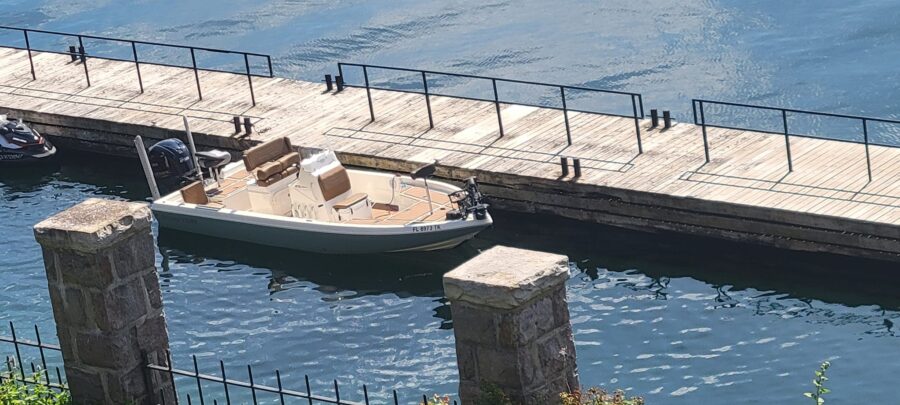
NYSDEC lists municipal launches from Cape Vincent and Clayton through Alexandria Bay, Chippewa Bay, Morristown, Ogdensburg and Waddington. It also identifies state-park access along the river. For example, Keewaydin State Park provides river access near Alexandria Bay. Facilities and operating conditions can change, so confirm the selected launch before departure.
The St. Lawrence is also an international shipping route. Stay clear of commercial traffic, anticipate large wakes, carry current navigation information and monitor the weather. Anglers crossing the international boundary must know which country’s waters they are fishing and hold the appropriate license.
A guide can shorten the learning curve on a river where productive depth, current direction and safe navigation change from area to area. Capt. Dawson Wisner is the currently published Bass Online guide assigned to the St. Lawrence River. Available trips may depart from different communities, so confirm the meeting location shown with the selected product when booking.
Review the current NYSDEC Great Lakes and tributaries special regulations before fishing. Seasons, size limits, possession limits and water-specific rules can change. A New York license applies in New York waters; fishing in Canadian waters requires the appropriate Ontario license and compliance with Canadian rules.
Bass Online’s fishing-license guide can help with trip planning, but the current agency regulations remain controlling.
Use the guide, species and nearby-city sections on this page to compare current options. Anglers building a broader itinerary can also explore the New York fishing hub and nearby Lake Ontario. Choose the departure community first, verify the current rules and conditions, and then match the day’s technique to the river section being fished.
| Species | Jan | Feb | Mar | Apr | May | Jun | Jul | Aug | Sep | Oct | Nov | Dec |
|---|---|---|---|---|---|---|---|---|---|---|---|---|
| Smallmouth Bass | ✅ Good | ✅ Good | ✅ Good | ✅ Good | ✅ Good | |||||||
| Largemouth Bass | ✅ Good | ✅ Good | ✅ Good | ✅ Good | ||||||||
| Walleye | ✅ Good | ✅ Good | ✅ Good | ✅ Good | ✅ Good | ✅ Good | ||||||
| Musky Fish | ✅ Good | ✅ Good | ✅ Good | ✅ Good | ||||||||
| Crappie | ✅ Good | ✅ Good | ✅ Good | ✅ Good | ||||||||
| Bluegill | ✅ Good | ✅ Good | ✅ Good | ✅ Good | ✅ Good |
No targeted species marked for Jan.
No targeted species marked for Feb.
No targeted species marked for Mar.
No targeted species marked for Dec.