 Guides Wanted
Lake Stone
0 Reviews
Quick Summary
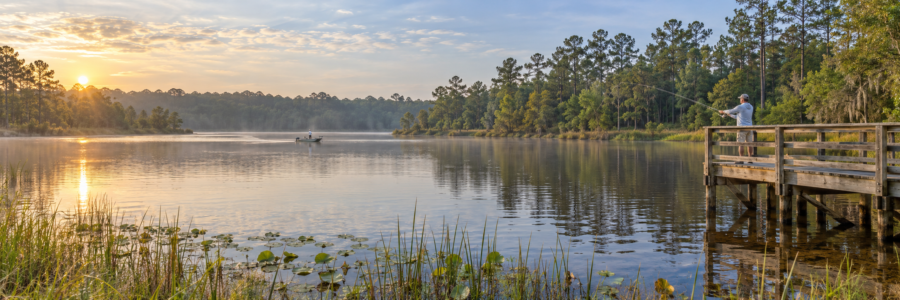
Lake Stone is a 130-acre Fish Management Area near Century in Escambia County, Florida, with largemouth bass, bluegill, redear sunfish, black crappie and channel catfish fishing, two public launch sites and special no-gasoline-motor rules.
Top Fishing Guides on Lake Stone
Guides WantedLake Stone Reviews
Top Target Species on Lake Stone
Largemouth Bass
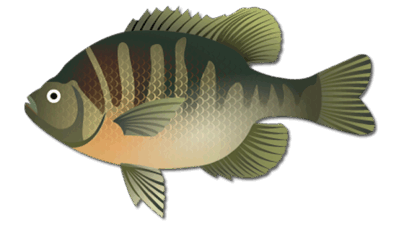
Bluegill
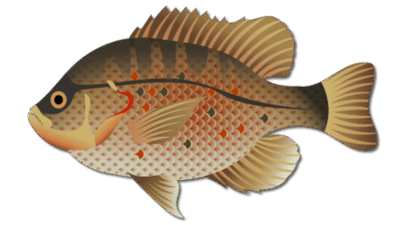
Redear Sunfish

Crappie

Frequently Asked Questions about Lake Stone
How large and deep is Lake Stone?
FWC lists 130 acres, an average depth near 6 feet and a maximum near 22 feet.
Where are the Lake Stone launch sites?
FWC lists a northwest concrete ramp and a northeast crushed-rock launch near the dam.
Can I use a gasoline motor on Lake Stone?
Gasoline motors are prohibited; electric trolling motors are allowed under current FMA rules.
What is the Lake Stone channel catfish limit?
Current FWC Fish Management Area rules set a daily bag limit of six. Check the latest rules before fishing.
Fishing Lake Stone
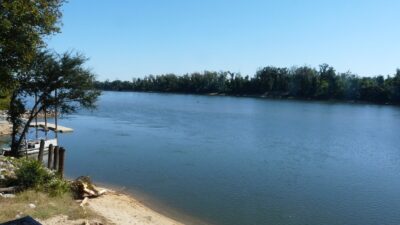
Lake Stone is a 130-acre man-made Fish Management Area in northern Escambia County near Century, Florida. The lake was constructed in 1967 and opened to fishing in 1969. FWC lists an average depth of about 6 feet and a maximum depth of about 22 feet, with the deepest water near the dam and along the old streambed.
Lake Stone Fishing
Lake Stone has been stocked and managed for largemouth bass, bluegill, redear sunfish, black crappie and channel catfish. Flooded timber remains throughout parts of the lake and provides important fish habitat. Largemouth bass anglers can work early morning and evening periods when fish are more likely to feed near the surface. FWC also recommends watching for topwater activity that may reveal bass feeding on schools of threadfin shad.
The combination of flooded timber, the old stream channel, shoreline cover and deeper water near the dam gives anglers several types of structure to fish. Bank anglers also have access to earthen fishing fingers built around the lake.
Boat Ramps and Access
FWC lists two public launching areas at Lake Stone. A concrete ramp with parking is located on the northwest side of the lake, and a second crushed-rock launching site is located on the northeast side near the dam. The main entrance is on Lake Stone Road off State Road 4, approximately 1.5 miles west of U.S. 29 in Century.
Escambia County maintains the Lake Stone Recreation Area on the northwest side of the lake, with camping and other public facilities. Current access and campground conditions should be checked locally before a long trip.
Current Lake Stone Rules
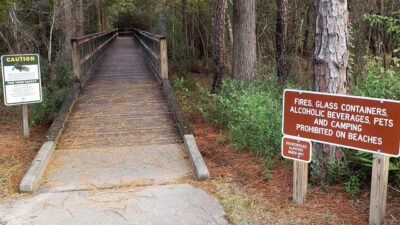
Lake Stone is open to fishing under Fish Management Area rules. Gasoline motors may not be used on boats, although electric trolling motors are allowed. The current FWC rules also set a channel catfish daily bag limit of six and prohibit motor vehicles on dams, spillways and fishing fingers. Anglers should review the latest FWC regulations before fishing because special-area rules can change.
See the FWC Lake Stone fishing and access guide and current Fish Management Area rules for source details. Review current Florida fishing license requirements before fishing.
Featured Post for Lake Stone