 Family Favorite
Verified upcoming fishing trips are available for Big Sand Lake. View the available trip option below.
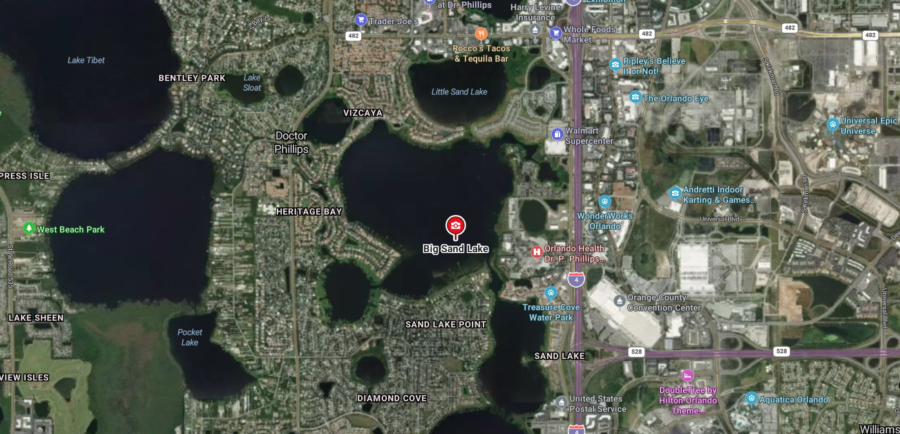
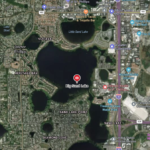
Big Sand Lake fishing puts anglers close to Orlando’s International Drive and Dr. Phillips area without confusing this waterbody with the nearby Butler Chain of Lakes. The Orange County Water Atlas identifies Big Sand Lake as a 1,021-acre lake in unincorporated Orange County, within the Shingle Creek watershed. Its reported mean depth of 23 feet makes depth changes, offshore structure and submerged vegetation important parts of the fishing plan.
Big Sand Lake sits in the Orlando tourism corridor, making it a practical option for anglers staying near International Drive, Universal Orlando or the Dr. Phillips area. It is a separate lake with its own 1,021-acre measurement; the larger acreage sometimes associated with the Butler Chain does not apply here. Anglers planning a broader Central Florida trip can compare additional waters and services on our Orlando fishing page and statewide options on our Florida fishing page.
The lake’s 23-foot mean depth suggests that productive fish may use more than the visible shoreline. Begin with vegetation lines, dock shade and the first break from shallow water, then expand toward points and offshore depth changes. Wind can position forage on one side of a point or grass edge, while bright, calm conditions often reward slower presentations and more precise casts.
Access around developed Orlando lakes can change by property and launch location. Do not assume every shoreline, neighborhood ramp or dock is public. Confirm your authorized meeting or launch location before the trip, follow posted rules and avoid crossing private property.
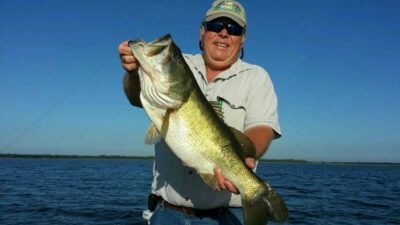
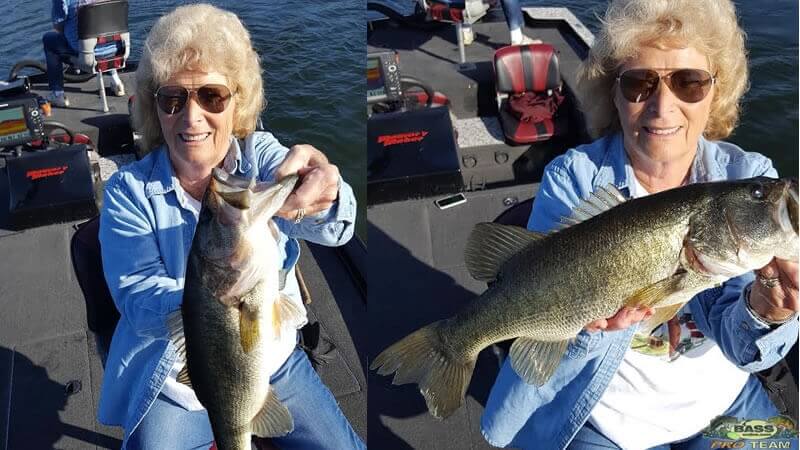
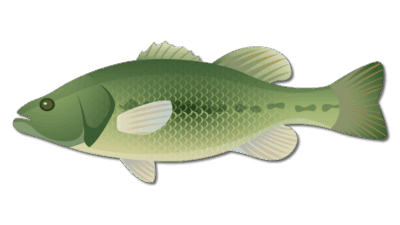
Largemouth bass are the principal sport-fishing target. Early and late in the day, cover water with topwater lures, spinnerbaits, swim jigs or shallow-running crankbaits around grass and shade. When the sun is high or the bite slows, switch to Texas-rigged worms, wacky rigs, drop shots or compact jigs along outside vegetation edges, dock posts and deeper breaks.
The FWC’s Fish Orlando program recommends deeper water and submerged-vegetation edges during warm periods on the region’s larger waters. Treat that as a useful Orlando-area starting pattern, not a live report for Big Sand Lake. Water clarity, recent weather and the first bites should determine the day’s final depth and lure choice.
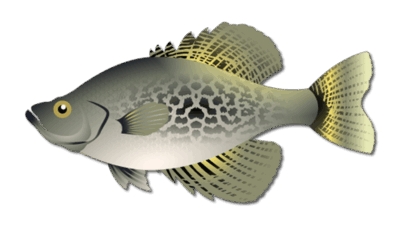
Crappie may concentrate near submerged cover, dock shade and deeper structure, especially during seasonal transitions. Small jigs and minnows can be worked vertically or cast through several depth zones. If fish are suspended, changing presentation depth can be more productive than changing locations immediately.
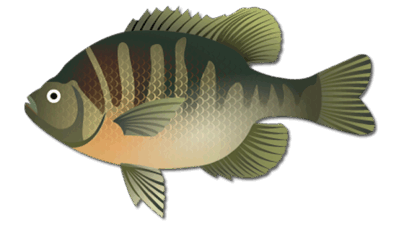
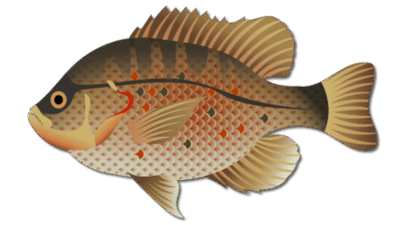
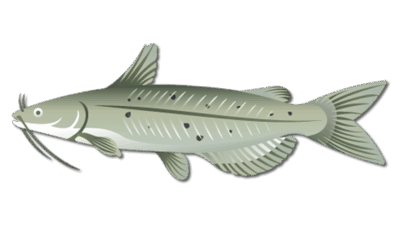
Bluegill and redear sunfish offer accessible light-tackle fishing around protected shoreline cover and suitable bottom areas. Small worms, crickets and compact artificial baits are practical choices. Channel catfish may respond to natural baits placed near deeper edges or bottom transitions. Use tackle appropriate for the fish, and check current bag and length limits before keeping a catch.
Cold fronts can make the bite inconsistent, but stable warming periods may pull bass toward protected banks and staging areas. Fish slowly with soft plastics, jigs and suspending baits. Crappie can group near deeper cover, so test multiple depths before leaving a productive area.
Warming water brings bass and panfish shallower. Work protected pockets, vegetation openings and the first break outside spawning areas. Spinnerbaits, soft-plastic stick baits and lightly weighted worms can cover both active and pressured fish. Handle bedding fish carefully and release them promptly when practicing catch-and-release.
Start early around shallow cover, then follow fish toward shade, outside grass edges and deeper structure as the day brightens. Finesse worms, drop shots and deep-running reaction baits help cover the change in depth. Thunderstorms develop quickly in Central Florida, so leave the water before dangerous conditions arrive.
Cooling water can move forage and bass back toward points, grass lines and wind-influenced banks. Use moving baits to locate active fish, then slow down with worms or jigs where bites cluster. Crappie may also gather more predictably around cover and depth transitions.
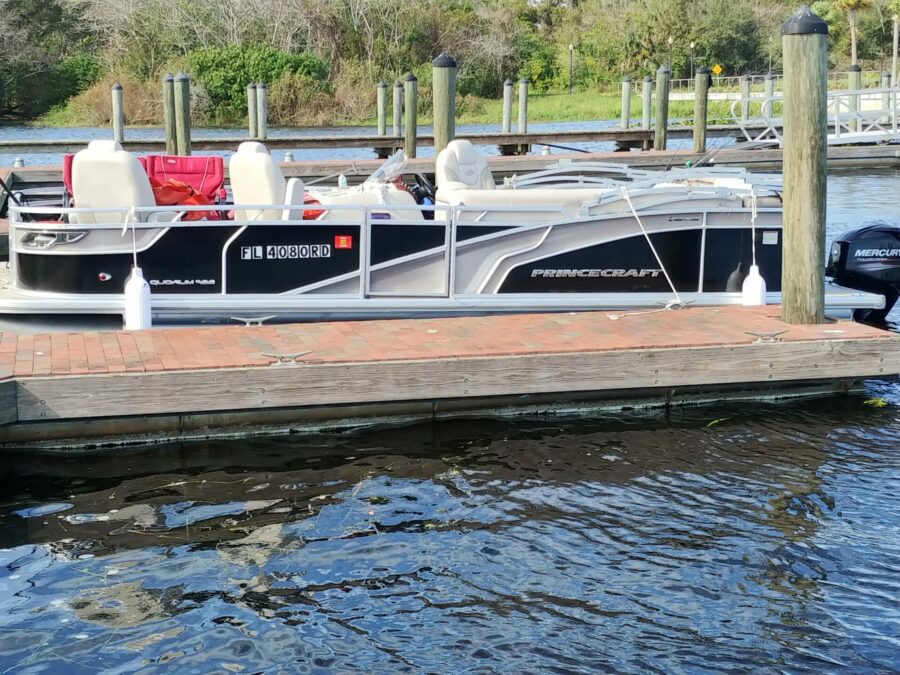
The listed meeting point is 9356 Bay Vista Estates Boulevard, Orlando, Florida 32836. Confirm the exact guide meeting instructions before departure because legal launch and shoreline access may differ from the mailing address. Bring required safety equipment, respect no-wake and posted operating restrictions, and allow extra travel time for Orlando traffic.
Most anglers need an appropriate Florida freshwater fishing license unless a current exemption applies. Bag limits, length limits and legal methods can change. Review the current FWC freshwater fishing regulations before the trip and follow any posted site-specific rules. The official regulations page, rather than an older fishing report or social post, should be the final authority.
A focused Big Sand Lake plan starts with the conditions in front of you: water clarity, wind, vegetation and the depth of the first bites. A local guide can shorten the search by supplying the boat, tackle and a seasonal plan. Whether the goal is bass, crappie or a relaxed family outing, confirm access and trip details in advance and arrive ready to adjust.
| Species | Jan | Feb | Mar | Apr | May | Jun | Jul | Aug | Sep | Oct | Nov | Dec |
|---|---|---|---|---|---|---|---|---|---|---|---|---|
| Largemouth Bass | 🔥 Hot | 🔥 Hot | 🔥 Hot | 🔥 Hot | 🔥 Hot | 🔥 Hot | 🔥 Hot | 🔥 Hot | ||||
| Crappie | ✅ Good | ✅ Good | ✅ Good | ✅ Good | ✅ Good | ✅ Good | ✅ Good | |||||
| Bluegill | 🔥 Hot | 🔥 Hot | 🔥 Hot | 🔥 Hot | 🔥 Hot | 🔥 Hot | ||||||
| Redear Sunfish | ✅ Good | ✅ Good | ✅ Good | ✅ Good | ||||||||
| Channel Catfish | ✅ Good | ✅ Good | ✅ Good | ✅ Good | ✅ Good |