 Guides Wanted
Tallulah Falls Lake
0 Reviews
Quick Summary
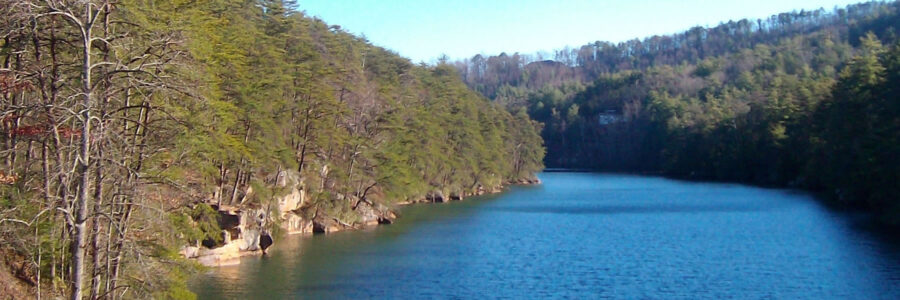
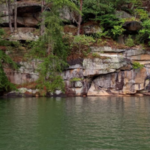
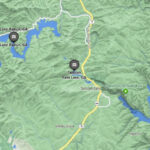
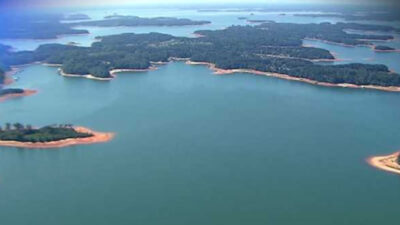
Tallulah Falls Lake is a compact 63-acre North Georgia reservoir within Tallulah Gorge State Park. Anglers target largemouth and spotted bass, crappie, bluegill and redear around rocky banks, shaded cover, points and river-channel structure.
Top Fishing Guides on Tallulah Falls Lake
Guides WantedTallulah Falls Lake Reviews
Top Target Species on Tallulah Falls Lake
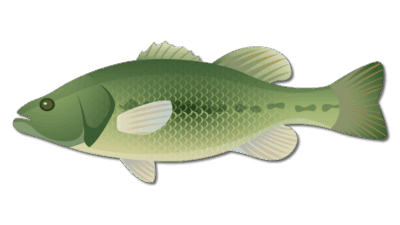
Largemouth Bass
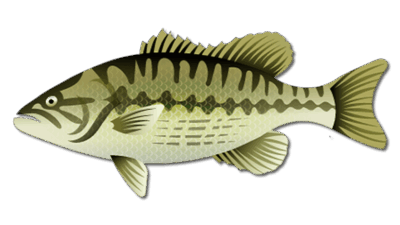
Spotted Bass
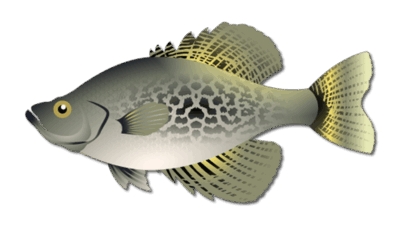
Crappie
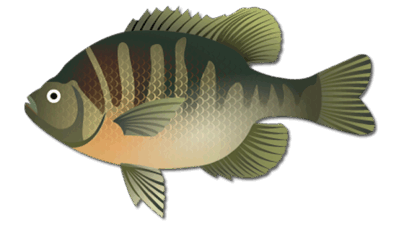
Bluegill
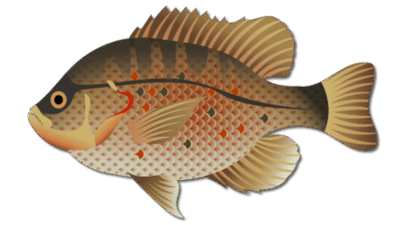
Redear Sunfish
Frequently Asked Questions about Tallulah Falls Lake
What fish are in Tallulah Falls Lake?
Anglers commonly target largemouth bass, spotted bass, crappie, bluegill and redear sunfish. Productive species and depth can change with season, water clarity and flow.
How large is Tallulah Falls Lake?
Georgia State Parks identifies Tallulah Falls Lake as a 63-acre lake within Tallulah Gorge State Park.
When is the best time to fish Tallulah Falls Lake?
Spring and fall are strong periods for bass and crappie movement. Bluegill and redear can be productive from late spring through summer, especially early and late in the day.
Where should anglers start on Tallulah Falls Lake?
Begin around rocky banks, shaded shoreline cover, points, submerged wood and the first deeper water near river-channel structure. Let water clarity and the first bites determine depth.
Is a Georgia fishing license required at Tallulah Falls Lake?
Most anglers need the appropriate Georgia fishing license unless a current exemption applies. Confirm the current state regulations and posted park rules before fishing.
Tallulah Falls Lake Fishing at a Glance
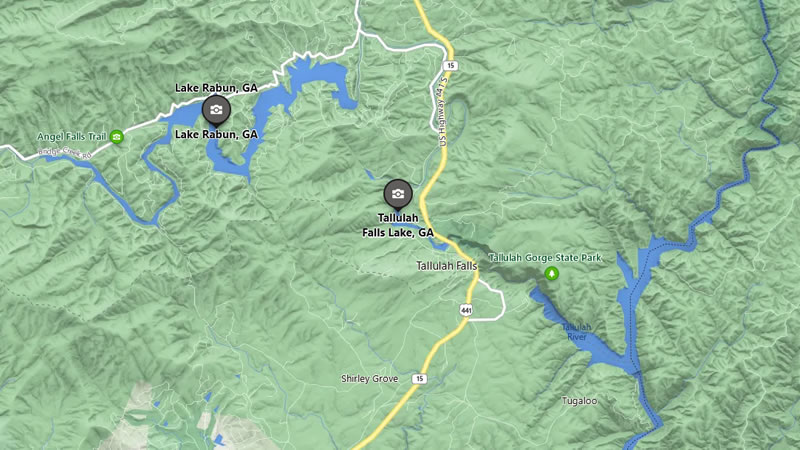
Tallulah Falls Lake fishing combines a compact North Georgia reservoir with steep, wooded terrain and easy access to Tallulah Gorge State Park. The 63-acre lake lies on the Tallulah River in the town of Tallulah Falls, giving anglers a scenic place to target bass and panfish without the scale or open-water exposure of Georgia’s larger reservoirs.
- Lake size: 63 acres.
- Primary targets: largemouth bass, spotted bass, crappie, bluegill and redear sunfish.
- Best seasonal windows: spring and fall for bass and crappie; late spring through summer for bluegill and redear.
- Useful structure: rocky banks, shaded shoreline cover, points, drop-offs and inflowing or moving water.
- Trip planning: check current park access, posted boating rules and Georgia fishing regulations before arriving.
Fishing Tallulah Falls Lake
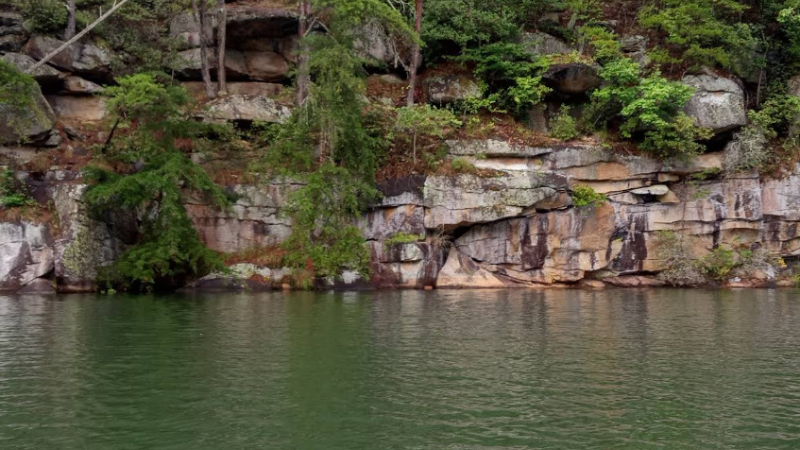
The lake’s small footprint makes it practical to fish methodically. Start by reading the shoreline: rock transitions, laydowns, shaded banks and the ends of points can all concentrate fish. Because the reservoir is narrow and tied to the Tallulah River system, water level and flow changes may influence where fish hold. On stable days, work visible cover and depth changes. After rain or a noticeable flow change, check current seams, protected pockets and the first deeper water near a creek or river channel.
Boat anglers can cover the lake efficiently with compact tackle, while bank anglers should focus on legal public-access areas and the fishing opportunities identified by the park. The official Tallulah Gorge State Park page confirms fishing as an available activity and provides current facility, access and safety notices.
Best Fish Species to Target
Largemouth and Spotted Bass
Largemouth bass favor shoreline wood, shade and quieter pockets, especially when forage is shallow. Spotted bass are more likely to use rock, points and steeper breaks. Small crankbaits, spinnerbaits, finesse worms, jigs and compact swimbaits cover the most useful depth ranges without overpowering this small reservoir.
During low-light periods, begin with moving baits along the bank. As sunlight reaches the water, slow down around shade, rock changes and deeper edges. Clearer water generally calls for longer casts, natural colors and lighter line; stained water favors vibration, contrast and tighter presentations to cover.
Crappie
Crappie may gather around submerged wood, deeper shoreline cover and channel-related structure. Small jigs and minnows are effective options. Change depth before changing locations: suspended crappie can sit well above the bottom, particularly during seasonal transitions.
Bluegill and Redear Sunfish
Bluegill provide accessible fishing around shoreline cover, docks where fishing is allowed and protected pockets. Redear sunfish commonly feed closer to the bottom. Small worms, crickets and compact artificial baits work well, but anglers should use hooks and tackle appropriate for the fish they intend to keep or release.
Seasonal Fishing Patterns
Spring
Warming water pulls bass and panfish toward shallower cover. Work protected banks, pockets, rock and wood with spinnerbaits, small crankbaits, jigs and soft plastics. Crappie may stage near cover before moving shallower, so check several depths.
Summer
Fish early and late around shoreline cover, then shift toward shade, steeper banks and deeper edges as the day brightens. Bluegill and redear can remain active through the warm months. Slower presentations and precise casts become more important during calm, clear conditions.
Fall
Cooling water can bring baitfish and predators back toward the bank. Cover water with small moving baits, then slow down where bass or crappie group around productive structure. Fall is also a scenic period at Tallulah Gorge, so expect more visitors and plan access accordingly.
Winter
Use smaller baits and a slower retrieve along deeper rock, drop-offs and protected structure. Stable afternoons may create short feeding windows. Avoid treating any fixed seasonal pattern as a live fishing report; recent weather, flow and water clarity should guide the final plan.
Access, Boating and Park Information
Tallulah Falls Lake is part of the Tallulah Gorge recreation area. The Georgia Power North Georgia lakes resource lists Tallulah Gorge State Park with fishing, swimming, trails, restrooms and camping. Conditions and construction notices can change, so review the official pages before traveling rather than relying on an old access report.
Use only designated launch and shoreline areas, observe posted operating restrictions and give paddlers and other visitors room. The gorge and river system can also be affected by scheduled water releases. Those releases are a safety and access consideration, not a promise of improved fishing.
Fishing Regulations and License
Anglers should carry the appropriate Georgia fishing license unless a current exemption applies. Size limits, possession limits, legal methods and trout-related requirements can change. Review the current Georgia fishing regulations before the trip and follow all posted lake and park rules.
For a broader look at destinations, licensing and trip planning, visit the Bass Online Georgia fishing page. Regulations for nearby streams or designated trout water may differ from general reservoir rules, so verify the exact water being fished.
Planning a Tallulah Falls Lake Fishing Trip
Tallulah Falls is the closest community, while Clayton is a practical regional base for lodging, meals and supplies. Bring a flexible selection of small bass and panfish tackle, rain protection and footwear suited to steep terrain. Check the weather and official access notices, then begin with a shallow pattern and expand toward deeper structure if the bank does not produce.
Tallulah Falls Lake rewards careful, mobile fishing. Its best advantage is not endless acreage; it is the ability to study a small body of water, recognize productive shoreline features and adjust quickly as light, flow and season change.
Tallulah Falls Lake Fishing Calendar
🔥 Hot
✅ Good
🐢 Slow
| Species | Jan | Feb | Mar | Apr | May | Jun | Jul | Aug | Sep | Oct | Nov | Dec |
|---|---|---|---|---|---|---|---|---|---|---|---|---|
| Largemouth Bass | 🔥 Hot | 🔥 Hot | 🔥 Hot | 🔥 Hot | 🔥 Hot | |||||||
| Spotted Bass | 🔥 Hot | 🔥 Hot | 🔥 Hot | 🔥 Hot | 🔥 Hot | 🔥 Hot | ||||||
| Crappie | ✅ Good | ✅ Good | ✅ Good | ✅ Good | ✅ Good | |||||||
| Bluegill | 🔥 Hot | 🔥 Hot | 🔥 Hot | 🔥 Hot | 🔥 Hot | |||||||
| Redear Sunfish | ✅ Good | ✅ Good | ✅ Good | ✅ Good |
No targeted species marked for Jan.
Crappie
✅ Good
Bluegill
🔥 Hot
Redear Sunfish
✅ Good
Bluegill
🔥 Hot
Redear Sunfish
✅ Good
Bluegill
🔥 Hot
Spotted Bass
🔥 Hot
Crappie
✅ Good
No targeted species marked for Dec.
Featured Post for Tallulah Falls Lake