Best Seller
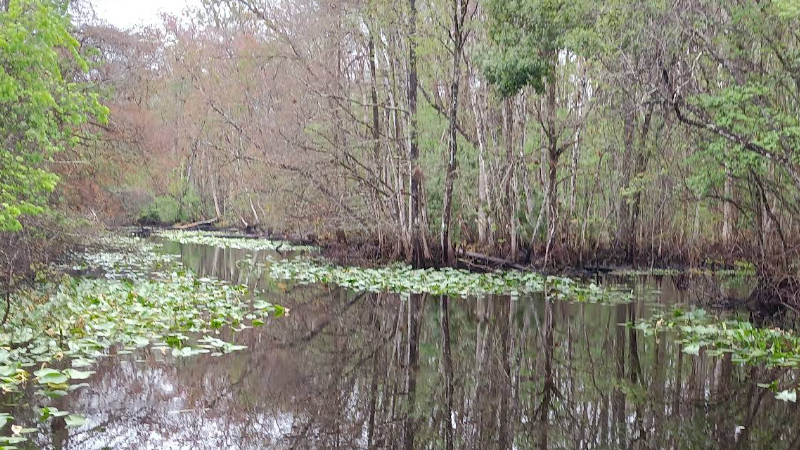
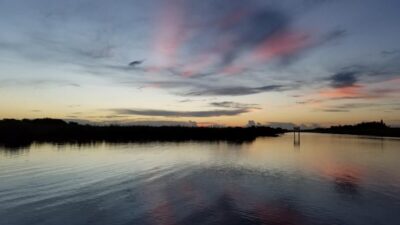
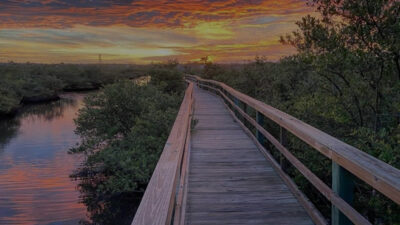
The Ocklawaha River is a major North Florida freshwater river flowing through Lake, Marion and Putnam counties before joining the St. Johns River near Welaka. It begins at the north end of Lake Griffin and is the St. Johns River’s largest tributary. Anglers also commonly see the spelling Oklawaha River; both spellings refer to the same river system.
The river is closely connected to Rodman Reservoir, but they are not the same fishing page or the same type of water. Rodman—also called Lake Ocklawaha—is the impoundment created on the Ocklawaha. The free-flowing river continues again below Kirkpatrick/Rodman Dam and eventually reaches the St. Johns. For regional trip planning, see our North Florida lakes and rivers guide.
Understanding the geography makes fishing this system much easier. The upper Ocklawaha flows north from the Lake Griffin area. Farther downstream, the river enters the Rodman Reservoir system. FWC describes Rodman as an approximately 16-mile impoundment between the Highway 316 area near Fort McCoy and Highway 19 near Palatka. Below Rodman Dam, the Ocklawaha returns to a more natural river channel and flows toward its confluence with the St. Johns River near Welaka.
That means Bass Online uses three separate canonical pages:
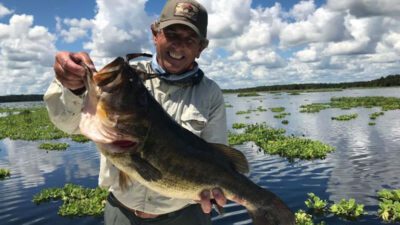
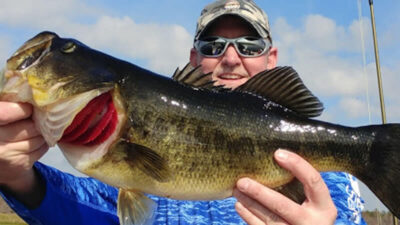
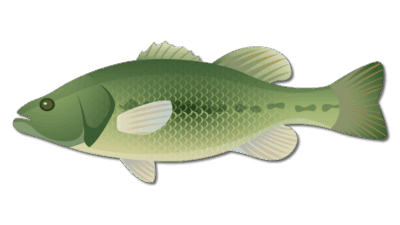
Largemouth bass are found throughout the Ocklawaha system. River anglers should concentrate on current breaks, submerged wood, vegetation edges, deep outside bends and places where a creek or spring run creates a change in depth or flow. Wild shiners can be effective for larger bass, while soft plastics, spinnerbaits, crankbaits and topwater lures can cover natural river structure.
The river has legitimate trophy-bass history. FWC’s TrophyCatch program currently documents more than 100 Ocklawaha River bass weighing eight pounds or more, including fish in the 10-pound-plus and 13-pound-plus trophy classes. Tracker totals can increase as anglers submit additional qualifying fish.
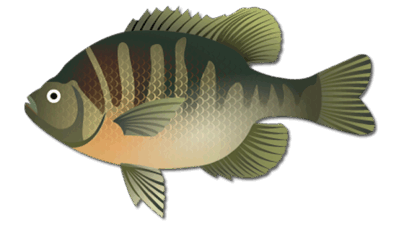
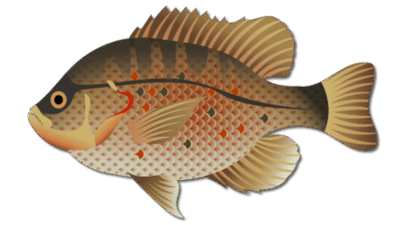
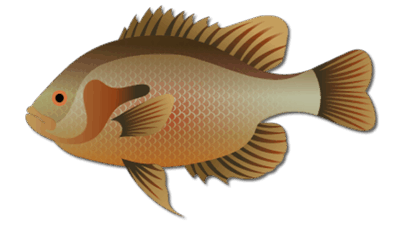
Panfish are a major reason to fish the Ocklawaha. FWC specifically highlights redbreast sunfish and spotted sunfish in the river and adjacent creeks. Bluegill and redear sunfish are also common targets. Look for woody cover, roots, fallen trees, shoreline vegetation and protected creek mouths. Small natural baits and compact artificial presentations are productive choices.
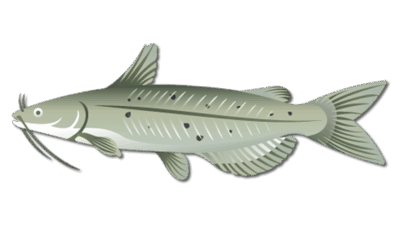
Warm-weather catfishing can be excellent, especially around deep holes, outside bends and deeper creek mouths with logs, vegetation or other cover. Worms, cut bait and other scent-heavy baits are common choices. Give a productive hole enough time for catfish to locate the bait before moving.
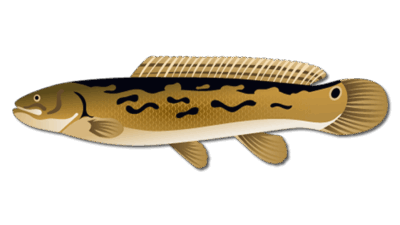
The Ocklawaha’s swampy habitat supports bowfin and several other freshwater species. The mix changes by section, water level and season, so anglers interested in multi-species fishing should treat the river differently from the trophy-bass-focused Rodman Reservoir pool.
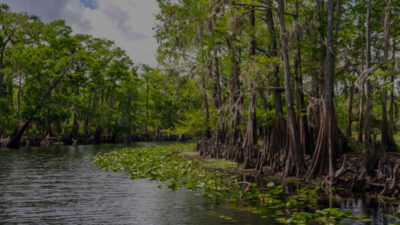
The upper river begins at Lake Griffin and passes through a mixture of altered and natural river sections. Silver River joins the Ocklawaha in Marion County, bringing clear spring water into the darker river system. Woody shorelines, bends and tributary mouths create natural ambush points for bass and panfish.
As the Ocklawaha approaches the upper end of Rodman, river fishing gradually transitions toward the reservoir environment. Eureka and nearby access points are useful for anglers who want to fish the riverine section without treating the entire trip as open-reservoir fishing.
Below Kirkpatrick/Rodman Dam, the river returns to a natural channel and continues toward the St. Johns River near Welaka. This lower section is especially important for anglers targeting river structure, catfish and panfish rather than the flooded timber and reservoir pool above the dam.
FWC lists multiple public access points across the Ocklawaha system, including Moss Bluff, Ray-Davidson Park at Highway 40, Gores Landing, Eureka East and West, and access near Rodman Dam. Some launches serve the free-flowing river while others are associated with Rodman Reservoir, so confirm the exact section you want to fish before towing a boat.
For the most current ramp and water-level information, use the FWC Ocklawaha River fishing forecast and Florida’s official Boat Ramp Finder. Water levels can materially affect navigation and access.
The river can produce fish throughout the year, but target species and water conditions matter more than a single calendar rule. Cooler periods can improve bass activity and make some areas more comfortable to fish. Warmer months can be especially productive for sunfish and catfish. Rainfall and river level can quickly change current, access and where fish position around cover.
Because FWC’s river forecast is updated as conditions change, it is a better source for current water-level notes than an old one-day fishing report. Check official conditions shortly before the trip.
The Ocklawaha is a winding river with very different upper, reservoir-adjacent and lower sections. Local North Florida captains who also fish Rodman and nearby St. Johns waters can help choose the best launch and section for current conditions. The guide carousel below highlights established nearby captains rather than a generic statewide list.
For a multi-day trip, the Ocklawaha is best understood as part of a connected North Florida system. Fish the river for natural cover, panfish and catfish; use Rodman Reservoir for reservoir-specific trophy bass and drawdown information; and explore the St. Johns River for the broader main-river fishery. The North Florida Lakes & Fishing guide ties those destinations together.
Official resources: Florida Fish and Wildlife Conservation Commission and the Florida DEP Oklawaha River Aquatic Preserve Management Plan.