
 Best Seller



The Allegheny River offers a different fishing experience from a Pennsylvania reservoir. Near Oil City, current, islands, rocky banks and changes in depth shape the day. This page focuses on planning river fishing in the Oil City area, while recognizing that conditions farther upstream and around Pittsburgh differ.
Start with the reach you intend to fish, the species you want to target and a confirmed launch or bank access point. A river trip can cover considerable distance, so agree on a meeting location with your guide before setting out. The Allegheny River guide listings provide a starting point for comparing local coverage and availability.
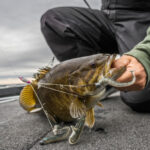
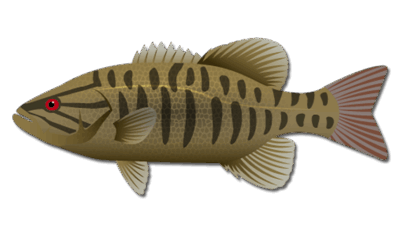
Smallmouth bass are a central target for this river guide. Look for places where fish can hold out of the strongest current and move into passing food: the sheltered side of rocks, seams between fast and slow water, and deeper pockets next to shallower feeding areas. These are starting patterns, not a guarantee that a particular bank will produce.
The Pennsylvania Fish and Boat Commission’s Allegheny water trail overview also describes walleye, bass and musky fishing. Fish populations and tactics vary along the river. Its coldwater trout discussion concerns reaches below Kinzua Dam; it should not be read as a trout promise for every Oil City outing.
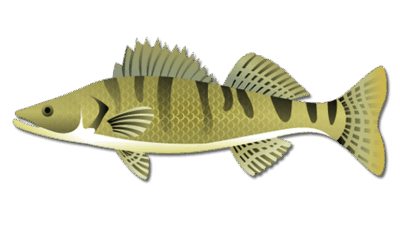
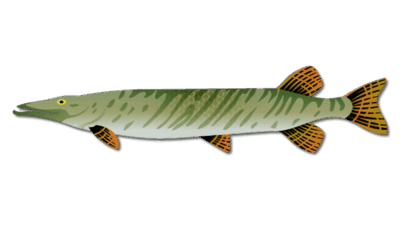
For walleye, discuss depth, current and the intended presentation with your guide. Musky trips require a different approach and tackle from a casual bass outing. Choose a species-focused trip rather than assuming one route is equally suitable for every fish.
During warming periods, a soft plastic or small jig worked near current breaks can help you test how actively smallmouth are feeding. In warmer weather, compare shaded cover, riffle transitions and deeper resting water. Cooler fall conditions can shift fish toward more concentrated holding areas. Adjust weight and retrieve to maintain contact without repeatedly hanging up in rocks.
High, muddy water can make a familiar route unsuitable. Low water can expose rocks and limit boat travel. Check the forecast and current river conditions, and let the operator decide whether a route or launch needs to change. Wading and paddling require their own safety plan; a spot visible from a trail does not establish safe or lawful entry.
The PFBC water trail resource helps identify the broader river corridor and planning considerations. Confirm parking, launch permission, any applicable boat or launch requirements, and the return arrangement before traveling. Use designated public access and respect private banks.
Check current Pennsylvania fishing regulations for the exact reach and species. A license alone does not resolve seasons, tackle restrictions or harvest limits. If you plan to keep fish, review the applicable consumption advice as well.
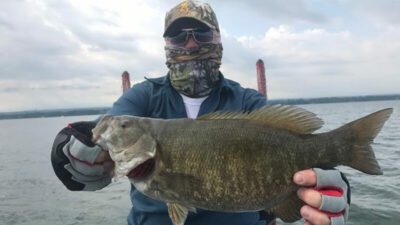
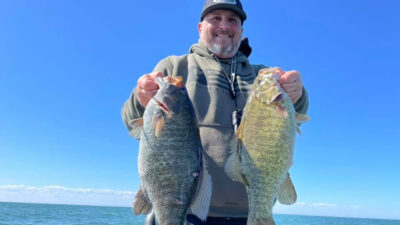
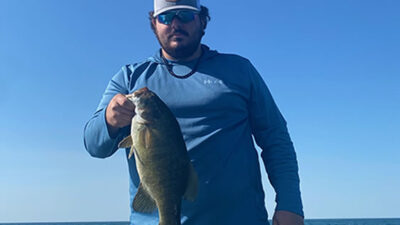
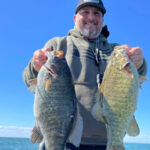
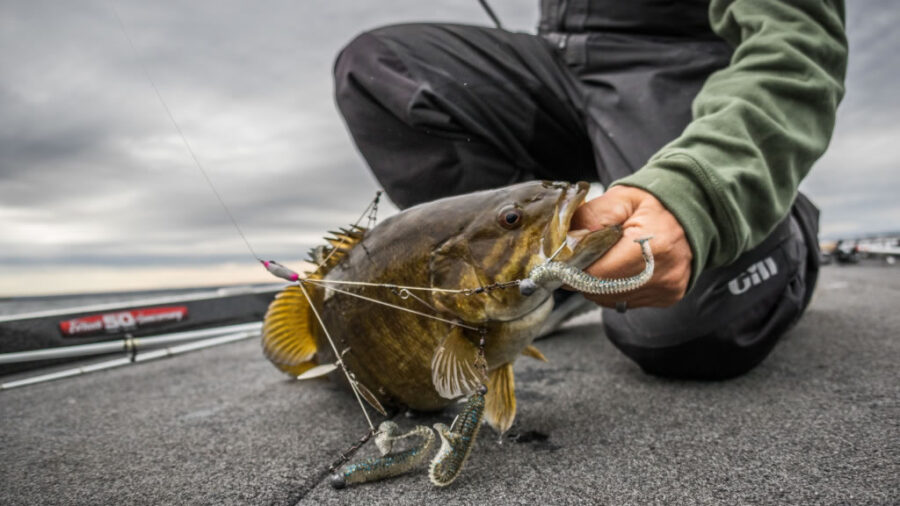
Bring clothing for wind and rain, sun protection and any personal items the operator requests. Ask whether the trip includes tackle and how it accommodates children or beginners. The smallmouth hero photograph illustrates a fishing technique; it is not presented as a documented catch from the Allegheny River.