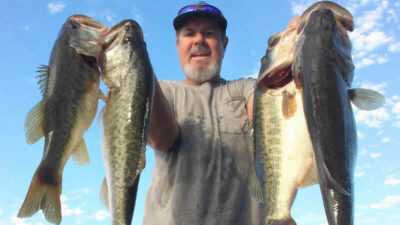
 Private Charter
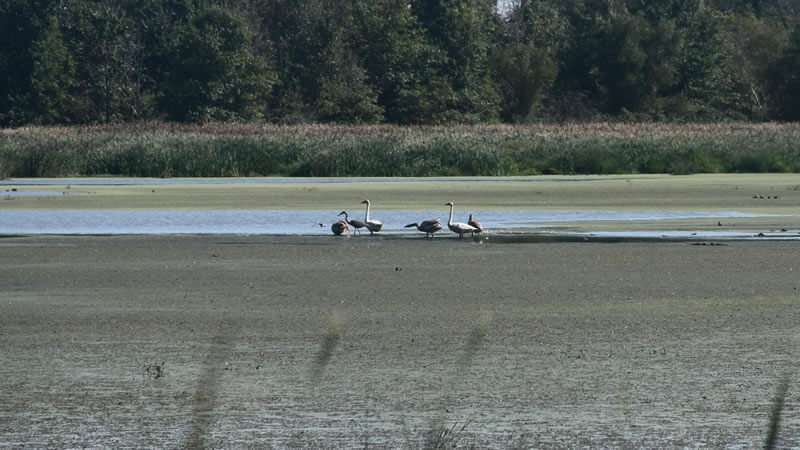
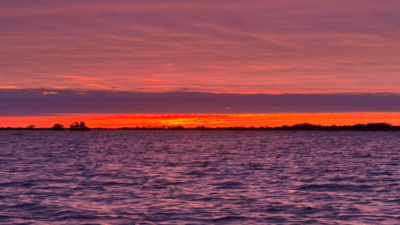

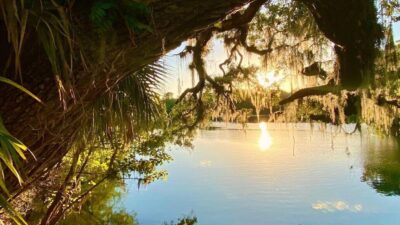
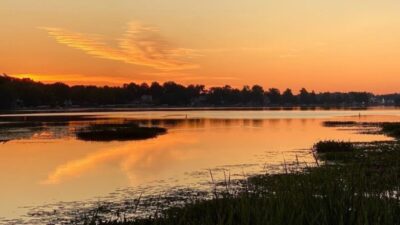
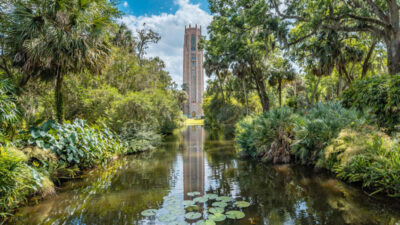
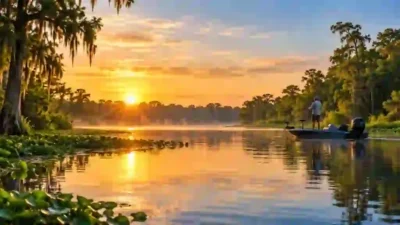
Lake Marion is a 3,021-acre public lake in unincorporated Polk County, about five miles east of Haines City. The Polk County Water Atlas lists an average depth of 11 feet and places the lake in the Lake Wales Ridge Transition region. Its combination of open water, shoreline vegetation, shallow cover, and nearby protected wetlands gives anglers several freshwater patterns to work through during a trip.
This is the Polk County Lake Marion—not Lake Marion in South Carolina or similarly named waters elsewhere in Florida. For trip planning, use Haines City as the closest city reference and confirm your meeting location with your guide before leaving.
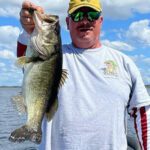
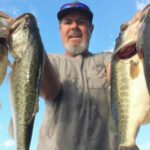
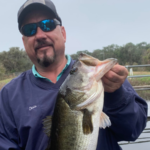
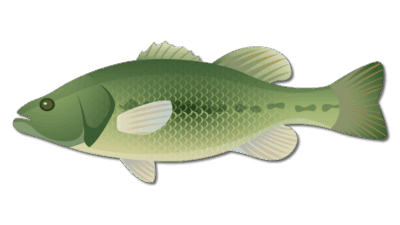
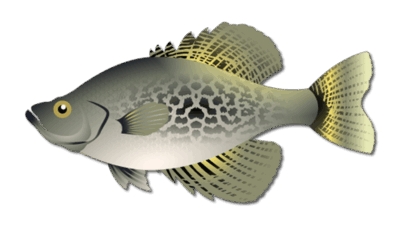
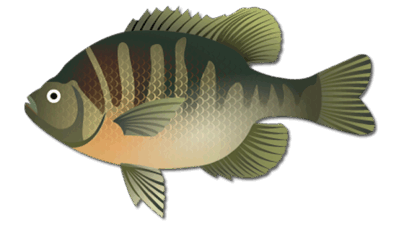
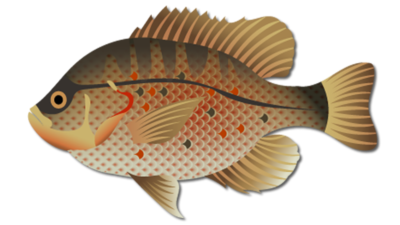
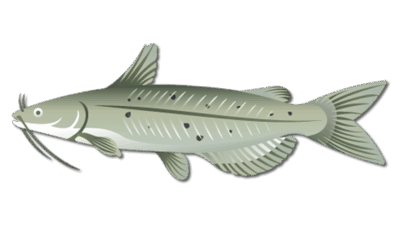
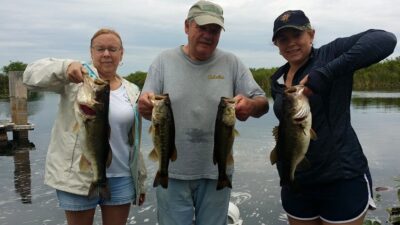
Lake Marion supports a varied Central Florida fishery led by largemouth bass, black crappie, bluegill, and redear sunfish, commonly called shellcracker. Channel catfish, bowfin, gar, warmouth, pickerel, and other native forage and sport species are also associated with the lake system.
Bass anglers can cover water with spinnerbaits, bladed jigs, lipless crankbaits, and topwater lures, then slow down with soft plastics around the most productive vegetation and isolated cover. During cooler months and stable weather, work transition edges and protected areas where fish can move between shallow feeding water and nearby depth. In warm weather, early and late periods usually offer more comfortable conditions, while wind, cloud cover, and water color help determine lure speed and profile.
For anglers learning the lake, a guided trip can shorten the search for productive water and help match seasonal presentation choices to current conditions. Review the available Florida fishing guides and confirm departure details, tackle needs, and current access before the trip.
Crappie fishing is generally strongest during the cooler part of the year. Small jigs and live minnows are common choices around deeper edges, suspended fish, and staging areas. Bluegill and shellcracker become especially attractive targets as spring water temperatures rise. Light tackle, small natural baits, and compact artificials work well around vegetation, protected shoreline cover, and other areas that concentrate panfish.
These species can provide consistent action for families and newer anglers, but daily weather and water conditions still matter. Move methodically until bites reveal the most productive depth and cover rather than relying on one fixed spot.
Lake Marion can be fished throughout the year. Late fall through spring is a key window for bass and crappie, while spring into early summer is especially useful for bluegill and shellcracker. Summer trips often benefit from an early start, and fall cooling trends can renew shallow feeding activity. Conditions can change quickly, so use the seasonal calendar as a planning guide rather than a guarantee.
The lake borders a large protected landscape. The Florida Fish and Wildlife Conservation Commission says the Lake Marion Creek Wildlife Management Area covers more than 8,000 acres north and east of the lake. FWC permits fishing in the management area year-round and requires a Florida fishing license. The WMA and the open lake are related but distinct areas, so anglers should verify the access point and any activity-specific rules before arrival.
Review the current Florida freshwater fishing regulations for license requirements, bag limits, size limits, and updates. Regulations and public-access conditions can change, and posted rules at the site take precedence.
Bring polarized glasses, sun protection, rain gear, and several lure styles so you can adjust to water clarity and wind. If launching a boat, verify ramp conditions and operating information before towing to the lake. Anglers fishing from shore or within the WMA should remain on approved public-access routes and respect seasonal closures or restricted areas.
Lake Marion works well as part of a broader Polk County fishing itinerary. Nearby options include Lake Kissimmee and other waters across the Kissimmee Chain region, giving traveling anglers several distinct fisheries within reach of Haines City and Lake Wales.
The surrounding wetlands and uplands support wading birds, white-tailed deer, wild hogs, gopher tortoises, Florida scrub-jays, and other wildlife documented by FWC. Give wildlife space, pack out all fishing line and trash, and avoid disturbing shoreline habitat. Responsible recreation helps protect both the fishery and the natural setting that makes Lake Marion distinctive.
| Species | Jan | Feb | Mar | Apr | May | Jun | Jul | Aug | Sep | Oct | Nov | Dec |
|---|---|---|---|---|---|---|---|---|---|---|---|---|
| Largemouth Bass | 🔥 Hot | 🔥 Hot | 🔥 Hot | 🔥 Hot | 🔥 Hot | 🔥 Hot | 🔥 Hot | |||||
| Crappie | 🔥 Hot | 🔥 Hot | 🔥 Hot | 🔥 Hot | 🔥 Hot | |||||||
| Bluegill | ✅ Good | ✅ Good | ✅ Good | ✅ Good | ✅ Good | ✅ Good | ✅ Good | ✅ Good | ||||
| Shellcracker | 🔥 Hot | 🔥 Hot | 🔥 Hot | 🔥 Hot |