
 Best Seller
The Kissimmee River flows from Lake Kissimmee toward Lake Okeechobee through central Florida’s river and floodplain landscape. It belongs to the wider Kissimmee–Okeechobee–Everglades watershed. The river, its upstream headwater lakes and Lake Okeechobee are related destinations with different access and fishing conditions.
The upper basin includes the headwater lakes upstream of the Lake Kissimmee outlet. The lower basin follows the river toward Lake Okeechobee. Use the Lake Kissimmee fishing guide for the lake itself, rather than treating a headwater-lake trip as a river reservation.
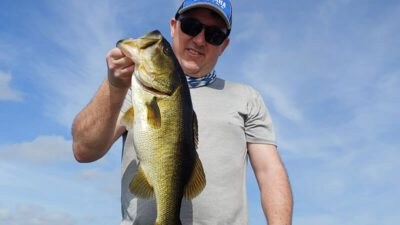
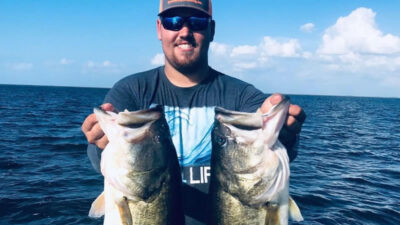
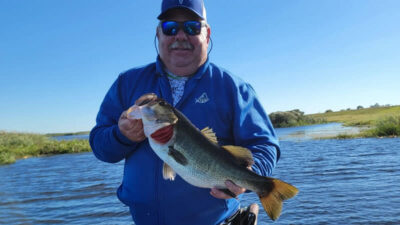
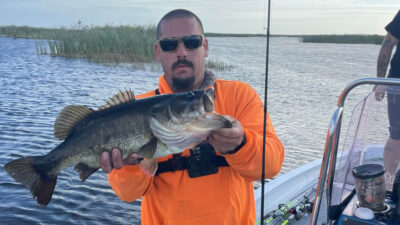
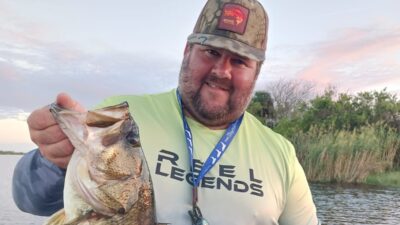
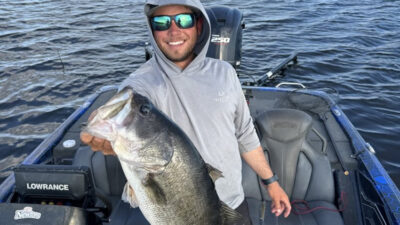
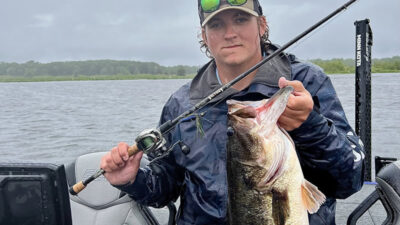
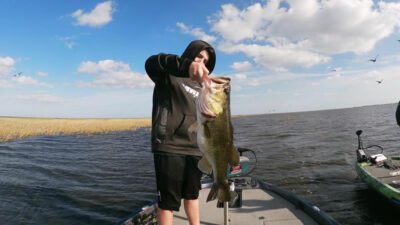
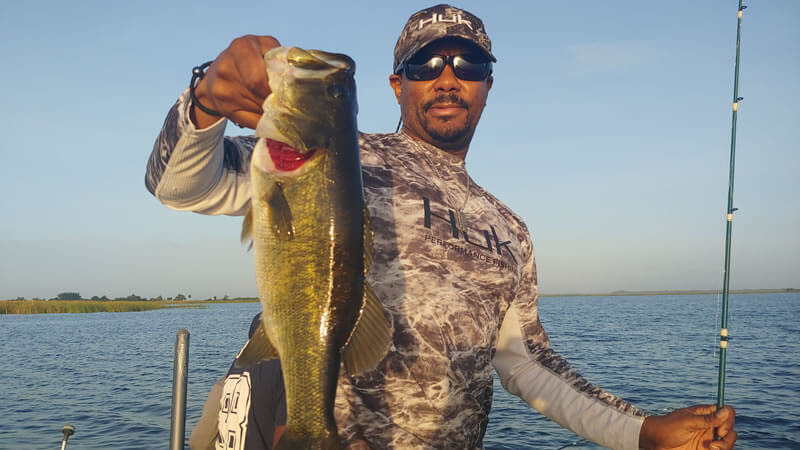
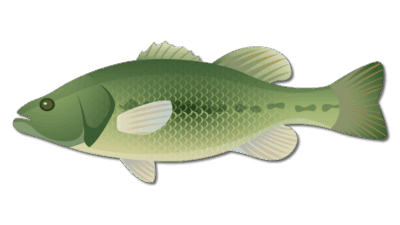
For largemouth bass, look for changes in flow beside grass, bends, channel intersections and cover. Fish may use sheltered edges beside moving water rather than the fastest current. Approach an area carefully, watch how bait moves and work a lure across the transition before changing locations.
Depth-matched crankbaits and vibrating baits can help search open stretches or the edges of grass. Carolina-rigged plastics and worms provide slower options around deeper transitions and old-channel intersections. Where cover is thick, choose a presentation that can pass through it without repeatedly snagging. Adjust lure weight and depth to flow, clarity and vegetation; no technique guarantees a catch.
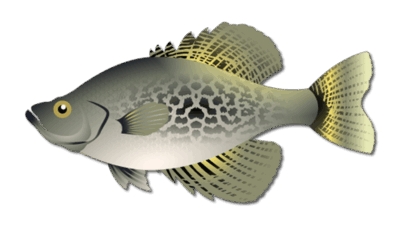
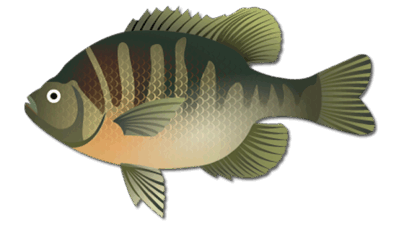
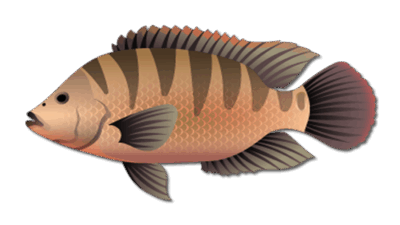
Crappie and panfish offer additional possibilities in the basin, with cooler weather often used for crappie planning. Compare sheltered cover, deeper water and connected lake conditions. Use current observations and regulations to choose a target rather than assuming a past report applies throughout the river.
The river historically meandered through a broad floodplain. Construction of the C-38 canal in the 1960s changed its flow and floodplain connection. The SFWMD Kissimmee River restoration overview describes the restoration undertaken with the U.S. Army Corps of Engineers.
Restoration construction began in 1999, and the agencies celebrated construction completion in July 2021. This construction milestone should not be confused with completion of every ecological response or continuing evaluation. Reconnecting the river and floodplain supports wetland habitat, while water management and environmental monitoring remain relevant to the basin.
Choose the river reach before choosing a launch. Distances, managed water levels, navigation structures, shallow areas and vegetation affect the route. Check SFWMD recreation information for the selected property and access arrangements, then verify launch conditions locally. Carry navigation and safety equipment and allow fuel and time for the return run.
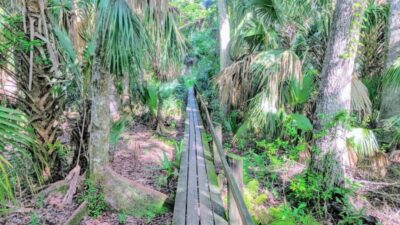
Wildlife watching, walking and camping can complement a fishing visit where permitted. Recreation sites along the basin are spread over a large area; attractions near Kissimmee city may be far from a lower-river launch. Plan around the actual meeting point rather than the regional place name.
The booking route leads to a regional Kissimmee trip selection. Before reserving, specify whether you want the river, Lake Kissimmee or another headwater lake. Confirm the guide’s destination, departure point, duration, equipment, bait charges and cancellation terms. Browse Kissimmee River guide profiles and confirm coverage for your chosen reach.
Check FWC freshwater fishing regulations for licenses and current harvest rules. Winter and spring can be useful planning windows, but conditions vary along the basin and after weather changes.