
Best Seller
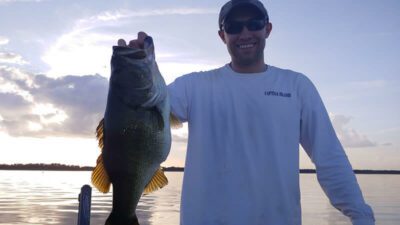
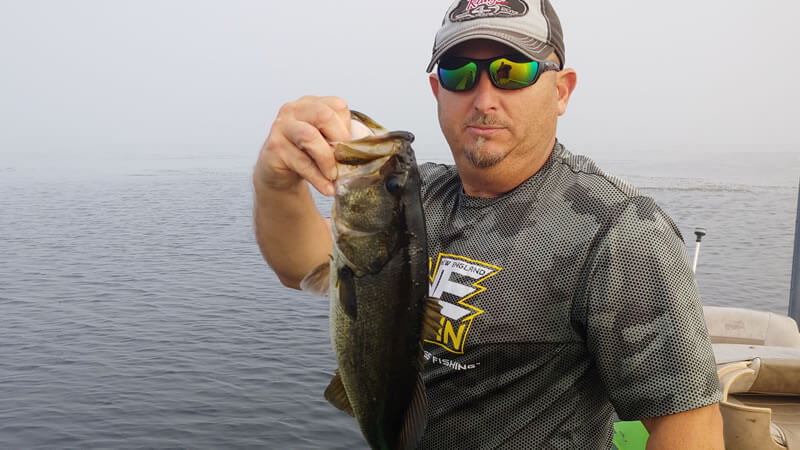
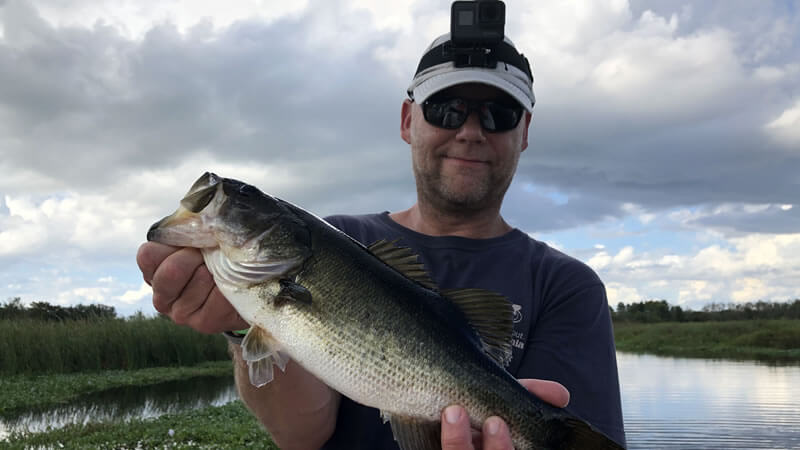
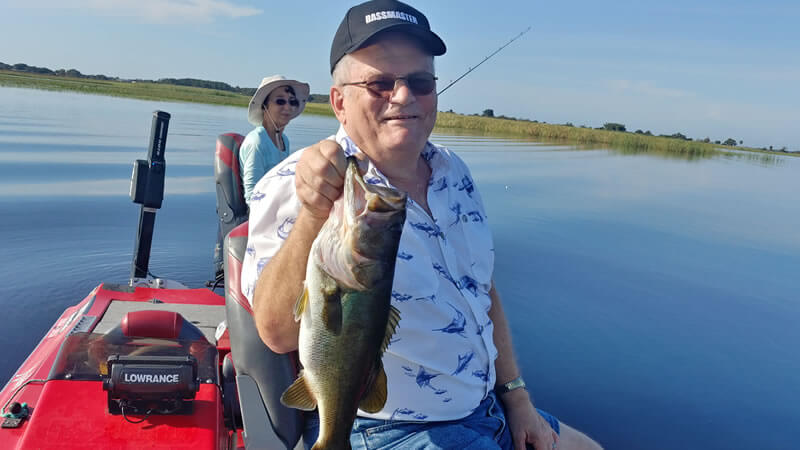
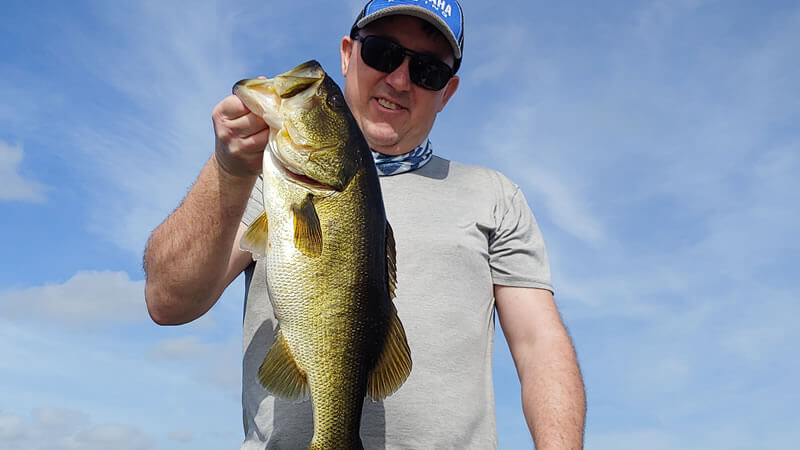
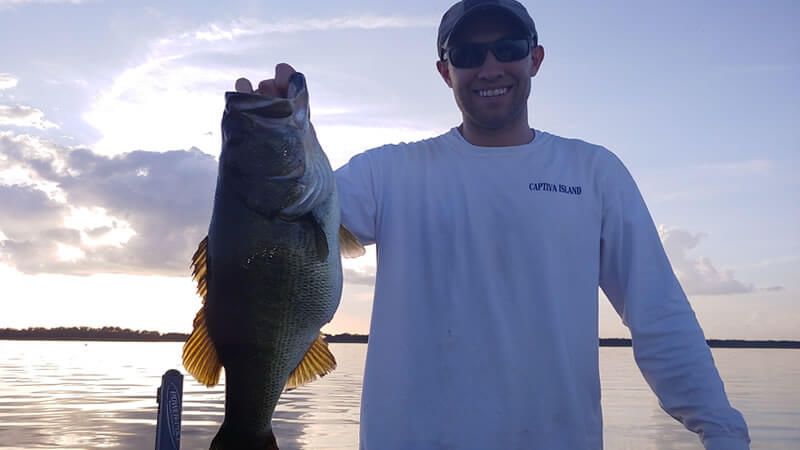
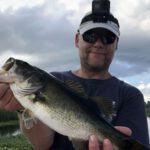
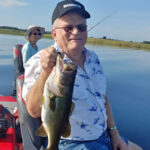
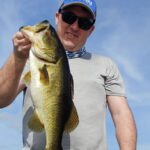
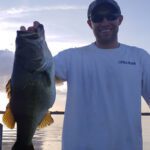
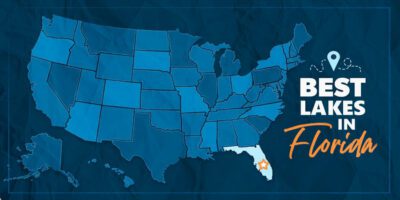
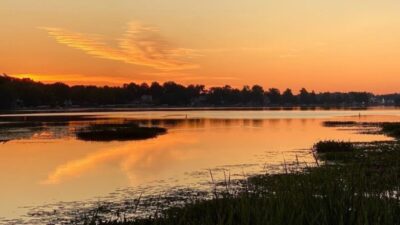
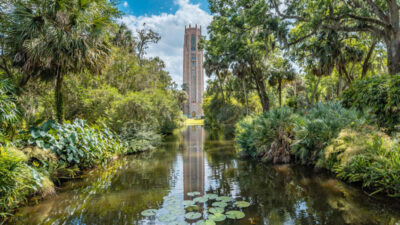
Lake Kissimmee is a 34,948-acre lake in Osceola and Polk counties, about 40 miles south of Orlando and 18 miles east of Lake Wales. It is one of the largest waters in the Kissimmee Chain of Lakes, with broad hydrilla beds, lily pads, bulrush, maidencane, islands, points, and sheltered coves that support year-round freshwater fishing.
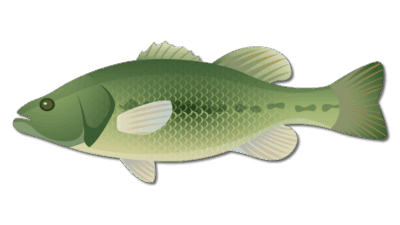
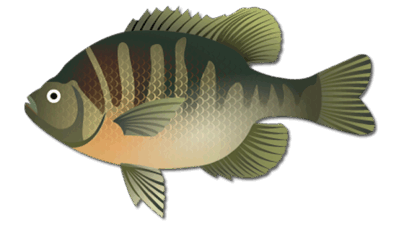
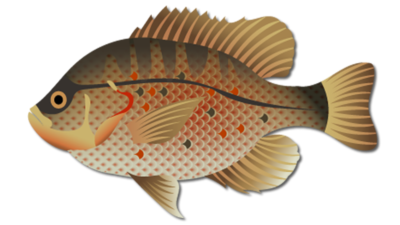
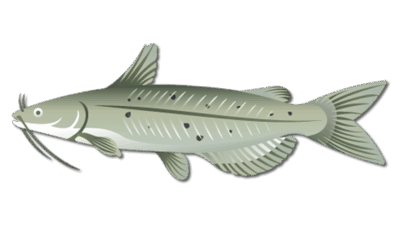
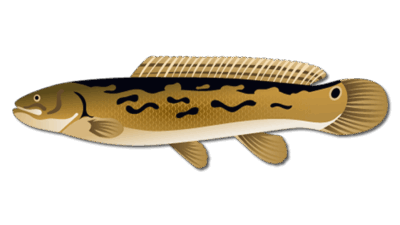
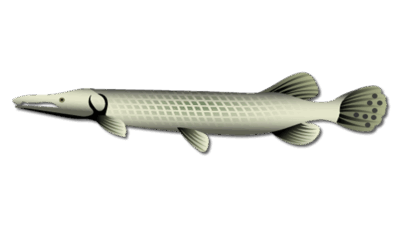
The lake is best known for Florida largemouth bass, but anglers also target black crappie, bluegill, shellcracker, catfish, bowfin, and Florida gar. The Florida Fish and Wildlife Conservation Commission’s Lake Kissimmee forecast identifies Brahma and Grassy islands, Lemon and Philadelphia points, North Cove, and the Pig Trail as productive areas to explore.
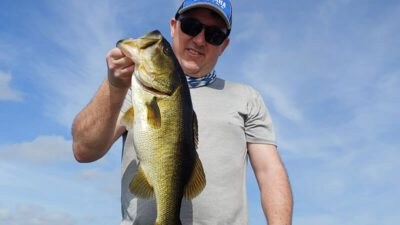
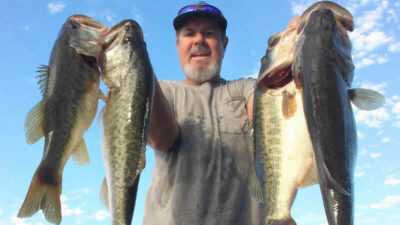
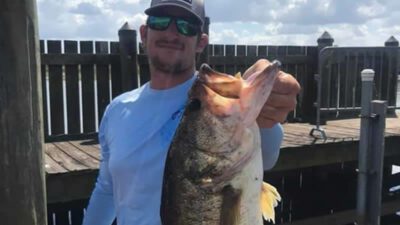
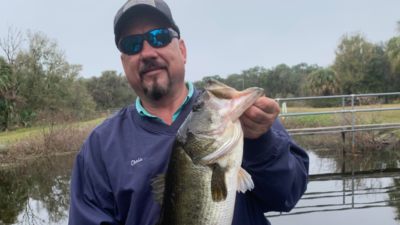
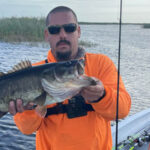
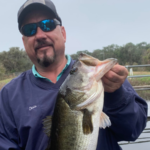
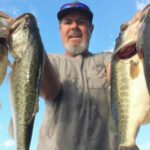
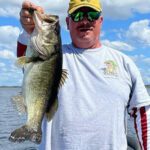
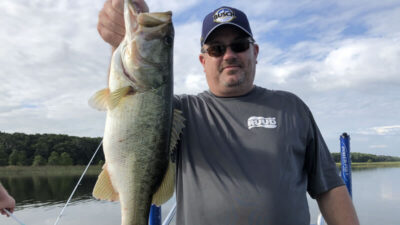
Largemouth bass are the main attraction. Hydrilla edges, bulrush lines, scattered pads, and pockets in submerged vegetation give bass feeding lanes and ambush cover. Early in the day, topwater plugs, frogs, and soft-plastic jerkbaits can draw strikes over or beside vegetation. As sunlight strengthens, anglers commonly slow down with Texas-rigged worms, Senkos, weedless spoons, spinnerbaits, or flipping presentations around heavier cover.
Schooling bait can also reveal active fish in open water. When bass push shad or shiners to the surface, a lipless crankbait, fluke, or compact topwater lure can quickly cover the feeding area. Wind direction, water level, current, and vegetation condition determine which sections of the lake fish best on a particular day.
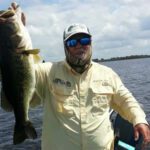
Wild shiners are a dependable option for anglers focused on trophy bass. They may be free-lined, suspended beneath a float, or positioned along grass edges and openings in cover. A shiner that suddenly becomes nervous or rises toward the surface often signals a nearby predator, so anglers should be ready before the float disappears.
Circle hooks and careful line management help reduce deep hooking. The right hook size, leader, weight, and float placement depend on the size of the bait and the thickness of the vegetation. A local guide can adjust that presentation as conditions change instead of relying on one setup all day.
Lake Kissimmee can produce fish throughout the year. Cooler weather from late fall through spring generally brings comfortable conditions and strong opportunities for largemouth bass and black crappie. Bass often move toward protected spawning areas as water temperatures stabilize, while cold fronts can temporarily push them to outside grass lines or nearby depth changes.
During late spring and summer, early mornings and periods of cloud cover become especially valuable. Bluegill and shellcracker fishing improves around pads, bulrush, and other shallow cover, while bass anglers can focus on shade, current, deeper vegetation edges, and the cooler portions of the day. After heavy rain, moving-water areas can concentrate forage and create short feeding windows.
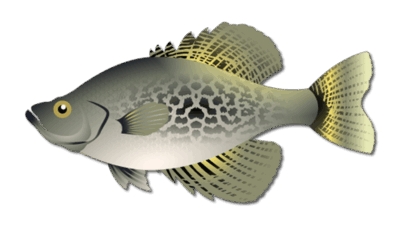
Crappie anglers use live minnows, small jigs, and slow presentations around vegetation edges and open-water schools. Bluegill and shellcracker are commonly found around lily pads, bulrush, and firm-bottom spawning areas, with crickets, worms, and small Beetle Spin-style lures all producing fish. Channel catfish, bowfin, and gar add variety, particularly for anglers fishing natural bait near deeper cuts or vegetated shorelines.
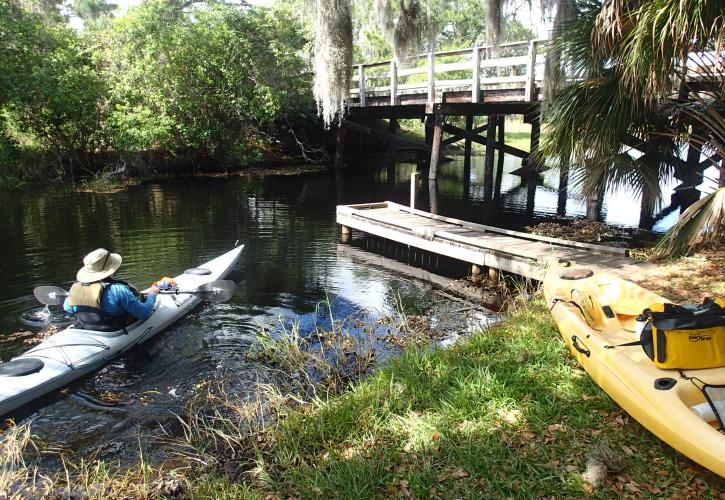
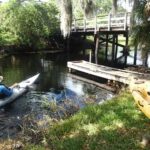
Common access points include Joe Overstreet Landing near Kenansville and Coleman Landing near Lake Wales. Camp Mack also provides access to the Kissimmee waterways. The South Florida Water Management District’s Lake Kissimmee Islands guide lists nearby ramps and explains that the island recreation areas are accessible only from the water.
Lake Kissimmee is large and exposed enough for wind to build rough conditions, so boaters should check the forecast, carry required safety gear, and watch changing weather. Vegetation, shallow flats, and marked navigation routes also make local knowledge useful for first-time visitors.
Lake Kissimmee connects naturally with other productive waters in the chain. Anglers planning a longer Central Florida trip can compare Lake Hatchineha fishing and Lake Tohopekaliga fishing. The closest primary market for this page is Lake Wales, while Kissimmee fishing trips provide another useful option for visitors staying near the Orlando attractions.
A guided trip can shorten the learning curve on this expansive lake. Bass Online guides provide the boat, fishing equipment, tackle, and location-specific instruction, and can tailor the day for families, first-time anglers, experienced lure fishermen, or guests who want to fish live shiners for a trophy bass.
Before fishing independently, review the current Florida freshwater fishing regulations, license requirements, and any location-specific notices. Rules and access conditions can change, so the state agency remains the final authority.
| Species | Jan | Feb | Mar | Apr | May | Jun | Jul | Aug | Sep | Oct | Nov | Dec |
|---|---|---|---|---|---|---|---|---|---|---|---|---|
| Largemouth Bass | 🔥 Hot | 🔥 Hot | 🔥 Hot | 🔥 Hot | 🔥 Hot | 🔥 Hot | ||||||
| Crappie | 🔥 Hot | 🔥 Hot | 🔥 Hot | 🔥 Hot | ||||||||
| Bluegill | 🔥 Hot | 🔥 Hot | 🔥 Hot | 🔥 Hot | 🔥 Hot | |||||||
| Shellcracker | ✅ Good | ✅ Good | ✅ Good | ✅ Good | ||||||||
| Channel Catfish | ✅ Good | ✅ Good | ✅ Good | ✅ Good | ✅ Good | ✅ Good |