 Guides Wanted
Escambia River
0 Reviews
Quick Summary
Plan an Escambia River fishing trip with verified information on bass, panfish, catfish, seasonal patterns, public access, river levels, and Florida regulations.
Top Fishing Guides on Escambia River
Guides WantedEscambia River Reviews
Top Target Species on Escambia River
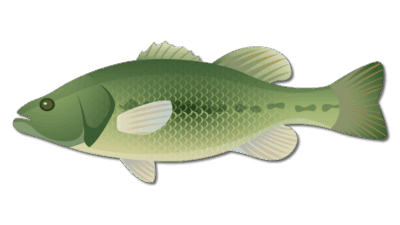
Largemouth Bass
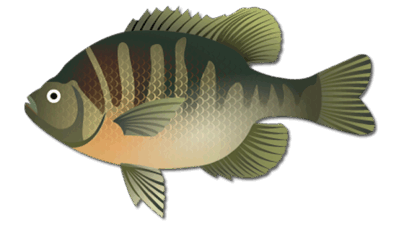
Bluegill
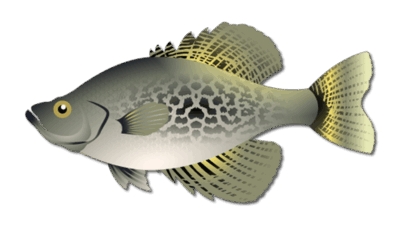
Crappie
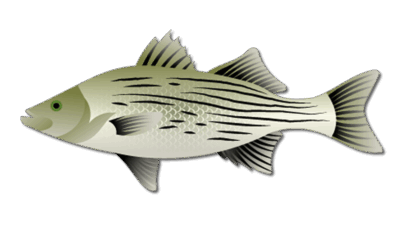
Sunshine Bass
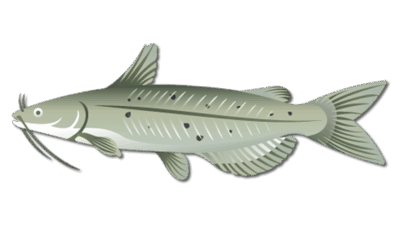
Channel Catfish
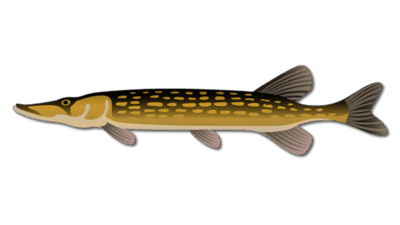
Chain Pickerel
Frequently Asked Questions about Escambia River
What fish are in the Escambia River?
The Escambia River supports largemouth and spotted bass, bluegill, redear and other sunfish, crappie, channel and flathead catfish, sunshine bass, chain pickerel, gar, and many additional freshwater species.
Where can anglers launch on the Escambia River?
FWC lists access at Floridatown, Quintette, Molino, Cotton Lake, McDavid/Mystic Springs, Bluff Springs, and other landings. Conditions and seasonal closures should be confirmed before travel.
When is the best time to fish the Escambia River?
Spring and fall are productive for bass, warm months favor shaded cover and deep holes, and cooler periods can concentrate crappie around treetops and sloughs. River stage and tide can matter more than the calendar.
Why should anglers check the Escambia River level?
High water and flooding can make upper sections difficult to fish, while low water can expose ramps and navigation hazards. The USGS gauge near Century provides current river-stage information.
Is the lower Escambia River tidal?
Yes. The lower river and delta near Pensacola Bay receive tidal influence, so current direction and salinity can affect access, presentation, and the mix of species present.
Fishing Escambia River
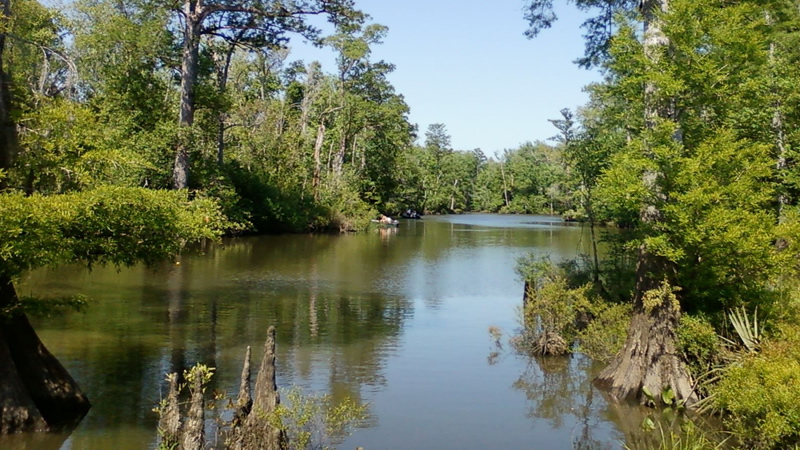
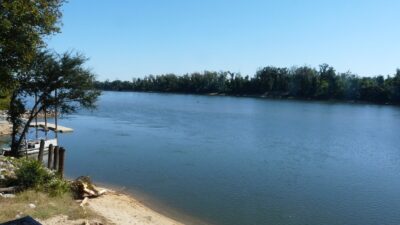
The Escambia River flows from southern Alabama—where it is called the Conecuh River—into northwest Florida and Pensacola Bay. Of its roughly 92 miles, about 54 miles are in Florida. The river changes from an upper freshwater channel with wooded banks, bends, tributaries, and backwaters to a lower tidal reach and broad delta. That variety supports largemouth and spotted bass, bluegill, redear sunfish, crappie, catfish, sunshine bass, chain pickerel, gar, and many other species.
Escambia River Fishing Overview
The river rewards anglers who plan around water level, current, and the section they intend to fish. In the upper river, changing stage can determine whether ramps, sandbars, outside bends, and shoreline cover are accessible. The lower river receives tidal influence near Pensacola Bay, so current direction and salinity can affect where freshwater and estuarine species hold.
The Florida Fish and Wildlife Conservation Commission’s Escambia River guide is the primary source for current access notes, fisheries guidance, and seasonal observations. Before launching upstream, also check the USGS Escambia River gauge near Century; high water and flooding can make upper stretches difficult, while low water can leave portions of concrete ramps exposed.
Where to Fish the Escambia River
Productive water exists from the upper river near Century and McDavid to the tidal delta near Pace and Pensacola. Choose an access point that matches the day’s river stage, boat size, weather, and target species.
- Outside bends and root wads: Current scours deeper water and concentrates cover that can hold bass and catfish.
- Overhanging limbs and shaded banks: Bass and panfish use shade, insects, and shoreline cover, especially during warm weather.
- Backwaters and sloughs: Quieter areas can hold bluegill, redear, crappie, chain pickerel, and juvenile baitfish.
- Tributary mouths: Mixing current, depth changes, and forage can attract bass and other predators.
- Lower-river bridges and deep holes: These areas can hold catfish and sunshine bass, while the tidal reach may also produce estuarine species.
FWC identifies public and commercial access around the river, including Floridatown, Quintette, Molino, Cotton Lake, McDavid/Mystic Springs, Bluff Springs, and other landings. Conditions and seasonal closures can change, so confirm the chosen ramp before towing a boat.
Primary Freshwater Species
Largemouth and Spotted Bass
Largemouth bass use shoreline cover, backwaters, sloughs, and slower current seams. Spotted bass are more comfortable around moving water and can be found in the main river and larger tributaries. Spinnerbaits, shallow crankbaits, jigs, and soft plastics are useful tools for working root wads, overhanging cover, and outside bends. Adjust lure weight and running depth to the current rather than forcing a still-water presentation.
Bluegill, Redear, and Crappie
Bluegill and other sunfish can gather around shaded banks, woody cover, and quiet backwaters. Crickets, worms, small jigs, and flies are common choices. Crappie often relate to treetops, sloughs, and deeper cover during cooler periods. Move carefully through backwaters and avoid damaging shoreline vegetation or submerged habitat.
Catfish and Sunshine Bass
Channel and flathead catfish use deep holes, outside bends, bridges, and current breaks. Bottom presentations with natural bait can be effective, but legal bait and tackle requirements should be confirmed before fishing. Sunshine bass are most associated with the lower river and delta, where baitfish, current, and tidal movement meet.
Chain Pickerel and Gar
Chain pickerel favor vegetated or slower backwaters and respond to moving lures that imitate small fish. Florida and longnose gar are also part of the river’s diverse fish community. Handle toothy or armored fish carefully and verify harvest rules, because some Florida native species have special protections.
Seasonal Fishing Patterns
- Winter: Lower tidal reaches and deeper cover can remain productive. Crappie may gather around treetops and sloughs.
- Spring: Bass and panfish activity improves as water warms, but upper-river flooding can affect navigation and access.
- Summer: Shade, current breaks, outside bends, and deeper holes become important. Early and late periods can be more comfortable for anglers.
- Fall: Cooling water can improve bass activity and spread fish between main-channel cover, tributaries, and backwaters.
These are durable patterns, not a live fishing report. River stage, recent rain, water clarity, tide, and temperature should guide the final plan on any given day.
Planning a Guided Trip
The Escambia is a moving-water system with changing access conditions, so local knowledge can shorten the learning curve. A guide can help select a safe launch, interpret river stage and tide, and choose a section suited to the target species and boat. Confirm the meeting point, trip length, target species, included equipment, and license requirements before booking.
Quintette Landing near Pace is a practical central meeting reference for this page because it provides access to upper and lower sections. A captain may select another ramp when river stage, wind, tide, or the day’s fishing plan makes it safer or more efficient. Visitors can also review the Pensacola fishing area and our Florida fishing guides while planning.
Regulations and River Safety
Freshwater and saltwater regulations can both matter in the lower tidal river, depending on the species and water being fished. Check current FWC rules, license requirements, bag limits, length limits, and protected-species guidance before the trip. River navigation also demands caution: wear a life jacket, watch for floating debris and submerged wood, respect current and tide, and do not assume a familiar channel is unchanged after high water.
The Escambia River offers a rare combination of freshwater diversity, tidal influence, and public access near northwest Florida’s population centers. A trip built around verified conditions and the correct river section is more useful than relying on an old “hot spot” or dated bite report.
Featured Post for Escambia River