Butler Chain of Lakes Fishing: The Ultimate Guide to Finesse Bass Tactics

What if I told you that 20 feet of water clarity is actually your biggest advantage for Butler Chain of Lakes fishing, rather than your toughest...

What if I told you that 20 feet of water clarity is actually your biggest advantage for butler chain of lakes fishing, rather than your toughest hurdle?

What if I told you that 20 feet of water clarity is actually your biggest advantage for Butler Chain of Lakes fishing, rather than your toughest hurdle? Most anglers get frustrated when they can see the sandy bottom in the middle of a 35-foot sinkhole, especially with heavy recreational traffic buzzing around. It’s an intimidating environment where the bass are notoriously boat-shy and the slightest shadow can send a 6-pounder darting for cover.

We’ve all been there, feeling like the fish are watching us more than we’re watching them. But you don’t have to settle for small bites or empty livewells. I’m going to show you the professional finesse secrets we use to land trophy largemouth in Florida’s clearest waters. You’ll learn how to choose the perfect translucent lure colors, navigate the winding canal system like a local pro, and pinpoint hawgs hiding in deep structure.

This guide breaks down our field-tested tactics for high-visibility success, from specific drop-shot rigs to the exact timing you need to beat the crowds and hook a legendary Butler Chain lunker.

Key Takeaways

  • Discover why downsizing your presentation to 4-inch worms and light fluorocarbon is the definitive way to fool educated bass in these ultra-clear basins.

  • Master the art of butler chain of lakes fishing by using your electronics to locate the 50-foot "blue holes" and the transition zones where trophy bass wait to strike.

  • Learn to track seasonal movements year-round, from sight-fishing the sandy shallows of Lake Down to targeting deep-water summer retreats.

  • Get the local edge on navigation and access, including the best ways to utilize the R.D. Keene Park ramp and stay compliant with strict no-wake zones.

  • Understand the science of karst topography and how these unique sinkhole structures provide the perfect habitat for Florida’s most legendary lunkers.

Table of Contents

The Butler Chain of Lakes: Understanding Orlando’s Karst Topography

When you’re planning a trip for Butler Chain of Lakes fishing, you aren’t just hitting a standard Florida waterway. This is a massive 11-lake system covering 4,720 acres of prime habitat. What makes it special is the karst topography. Thousands of years ago, sinkholes formed these lakes, creating deep-water basins that reach depths of 30 to 40 feet. It’s a different world compared to the shallow, bowl-shaped lakes you find in most of the state. These sudden drops and underwater ridges are where the big ones hide.

To get a better handle on how this unique underwater landscape looks on your electronics, watch this breakdown from a local pro:

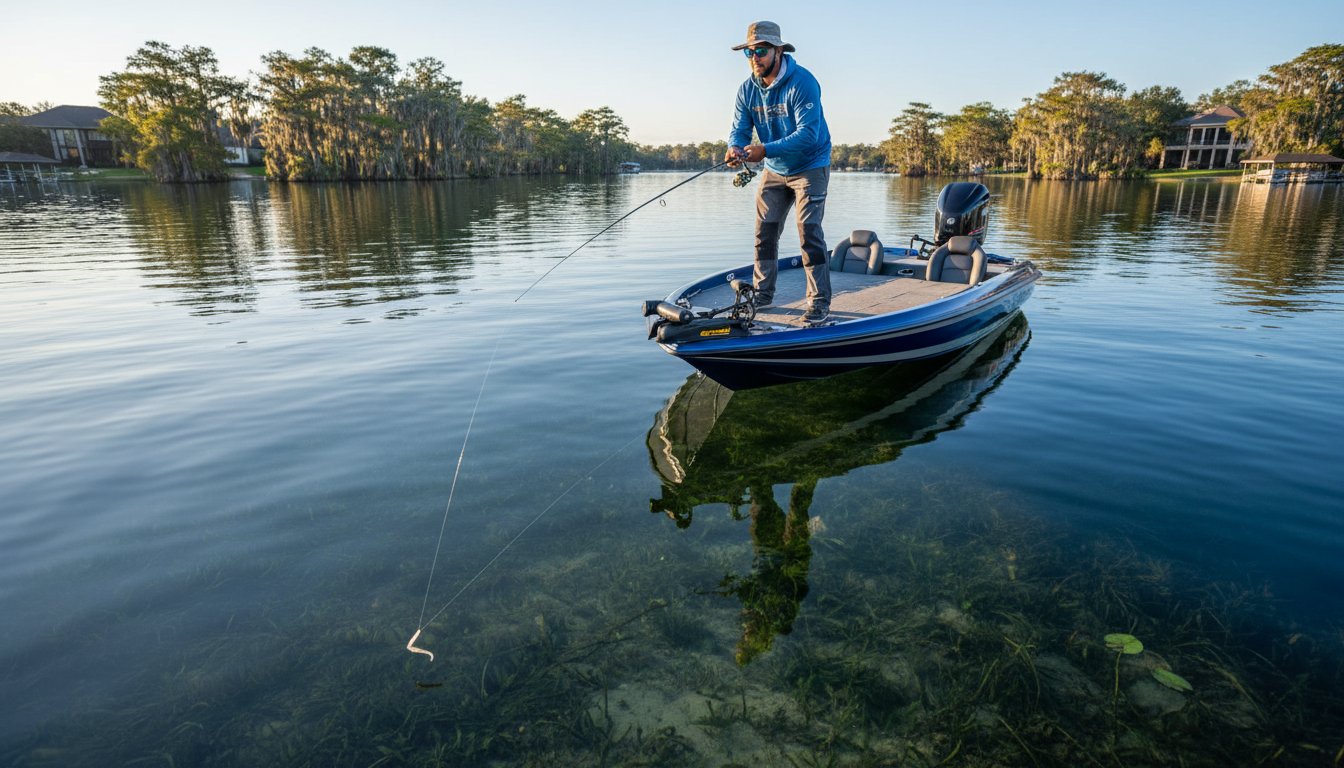
The Butler Chain of Lakes holds the prestigious "Outstanding Florida Waters" status. This isn’t just a fancy label. It means the water is incredibly clean, often cited as the clearest chain in the entire state. We’re talking about "gin-clear" conditions with 20 to 25 feet of vertical visibility on a calm day. For anglers, this clarity is your biggest challenge and your best friend. It forces you to be stealthy, but it also means you can see the fish before they even know you’re there.

The system is anchored by giants like Lake Butler, Lake Tibet, and Lake Down. These three lakes offer the most surface area for hunting trophy bass. Narrow, man-made canals connect the entire system, allowing for easy navigation and fish migration. Don’t overlook the smaller gems like Lake Sheen or Pocket Lake. Those canals act as major travel corridors. When the wind picks up on the main lakes, these sheltered passages and smaller basins often hold the most active fish.

Why Water Clarity Changes Everything

Clear water changes the rules of engagement. Bass in this chain are highly visual hunters. They can see your boat, your line, and your lure from 15 feet down. This visibility allows sunlight to penetrate deep into the water column, which fuels healthy grass growth at depths where other lakes are pitch black. If you want to master these patterns, explore our full list of Florida lakes to see how the Butler Chain stacks up against the darker waters of the Everglades or Lake Okeechobee. Success here requires a tactical approach, light line, and a deep understanding of how butler chain of lakes fishing rewards the patient angler.

Finesse Tactics for Clear Water: How to Fool Educated Bass

Fishing the Butler Chain is a different beast compared to the stained waters of Lake Okeechobee. Here, visibility often exceeds 10 feet. Because these lakes are designated as Outstanding Florida Waters, the clarity is world-class, but that means the bass are eagle-eyed. If your presentation isn’t perfect, they’ll snub you every time. You aren’t just fishing; you’re playing a game of hide and seek with some of the smartest fish in the state.

The first rule of butler chain of lakes fishing is to downsize your gear. While a 10-inch ribbon tail worm might entice a bite in the Everglades, it’s often too intimidating for these educated fish. Switch to a 4-inch finesse worm. Small profiles mimic the local forage like grass shrimp and juvenile shad more accurately. You also need to ditch the heavy braided line. Spool up with 6-10lb fluorocarbon. This line is virtually invisible underwater and sinks faster than monofilament, giving your lure a natural fall that triggers strikes from wary lunkers.

Stealth is your best friend on these lakes. Keep your boat at least 40 to 50 feet away from the structure you’re targeting. Long-distance casting prevents your boat shadow or sonar pings from spooking cruising hawgs. Once your lure hits the strike zone, try a "do-nothing" retrieve. Sometimes, simply letting the bait sit on the bottom for 10 or 15 seconds allows the subtle water currents to provide all the action you need. This patient approach often triggers the biggest strikes of the day.

The Clear Water Lure Palette

Color selection makes or breaks your day. In high-sun conditions, translucent plastics are king. Colors like "Pro Blue" or "Watermelon Candy" allow light to pass through the bait, making it look alive rather than like a piece of plastic. Avoid solid blacks or neon chartreuses. These colors create a harsh silhouette that looks unnatural in the crystal-clear depths of the chain. Stick to natural hues that blend with the underwater environment.

Top Finesse Rigs for the Chain

  • The Drop Shot: This is the gold standard for mastering the 20-foot grass edges found throughout the chain. It keeps your bait suspended just above the vegetation where bass wait to ambush prey.

  • Ned Rigging: When the bite gets tough around docks and sea walls, the Ned rig is a lifesaver. Its "no-action" profile is irresistible to high-pressure bass that have seen every other lure in the book.

  • Wacky Rigging: For targeting cypress knees in the shallows, nothing beats a wacky-rigged stick bait. The slow, fluttering fall is the ultimate weapon for fish tucked deep in the shadows.

If you want to see these tactics in action, our professional guides can show you exactly how to pick apart these clear-water systems for a trophy catch.

Butler Chain of Lakes Fishing: The Ultimate Guide to Finesse Bass Tactics

The Butler Chain isn’t your typical shallow Florida bowl. It’s a series of deep pits carved out of Karst Topography, creating vertical drops you won’t find anywhere else in the state. To master butler chain of lakes fishing, you have to get comfortable over 40 to 50 feet of water. These "blue holes" are the key to finding trophy bass when the sun gets high and the shallow bite dies off.

The real magic happens at the breakline. This is the exact spot where the 10 to 15 foot shallow shelf drops into the abyss. Big hawgs use these edges like a highway. You’ll often find submerged timber lining these ancient pits. Old cypress stumps and fallen trees frequently slide down these slopes, creating deep water cover that most casual anglers completely miss. If you can find a piece of wood sitting on a 20 foot ledge right on the edge of a drop, you’ve found a gold mine.

Following the shad is your next priority. These baitfish move into open water as the day progresses, and the bass follow them like a shadow. Keep your eyes on your electronics to spot schools of shad suspended over the deep center. When the bait is there, the lunkers are never far behind. It’s an open water game that requires patience and a sharp eye on your sonar screens.

Finding the "Holes within Holes"

Success starts with your electronics. You aren’t just looking for depth; you’re looking for transitions. Use your side-scan sonar to identify "hard bottom" areas where soft muck gives way to shell or sand. These spots hold more life and provide the stability bass prefer for spawning and hunting. Follow these steps to dial it in:

  • Scan the center of Lake Butler for large bait balls using high-frequency sonar.

  • Identify the "hard to soft" bottom transition lines on your side-imaging.

  • Position your boat directly over the fish and use vertical jigging with a heavy spoon or a drop-shot.

Vertical jigging is a secret weapon for summer Butler bass. When the fish are pinned to the bottom in 35 feet of water, a direct vertical presentation is often the only way to trigger a strike. It’s a high-energy way to fish that yields big results when the temperature climbs.

Canal Strategy: More Than Just a Highway

The canals connecting these lakes are more than just transit routes. They are prime hunting grounds. The "no-wake" zones ensure the water stays relatively calm, but the real draw is the current. Even a slight breeze can push water through these narrow passages, creating a natural funnel for baitfish. You can learn more about the species you will catch in these corridors, but the largemouth are always the main event. Target the mouth of the canals during seasonal migrations when shad move between the lakes. These transition points are high-traffic areas where a well-placed crankbait or a soft plastic can result in a legendary day on the water. Focus on the shadows and any small eddy created by the canal walls to find where the big ones are waiting to ambush their next meal.

Seasonal Movements: Tracking Butler Chain Bass Year-Round

Mastering butler chain of lakes fishing requires you to think like a bass throughout the changing seasons. These lakes are unique because of their incredible depth and clarity. Unlike shallow, murky systems where fish stay put, Butler Chain bass are constantly on the move to find the best oxygen levels and water temperatures. If you aren’t adjusting your depth and location every few months, you’re fishing where the lunkers used to be, not where they are now.

The Spring Spawn on the Chain

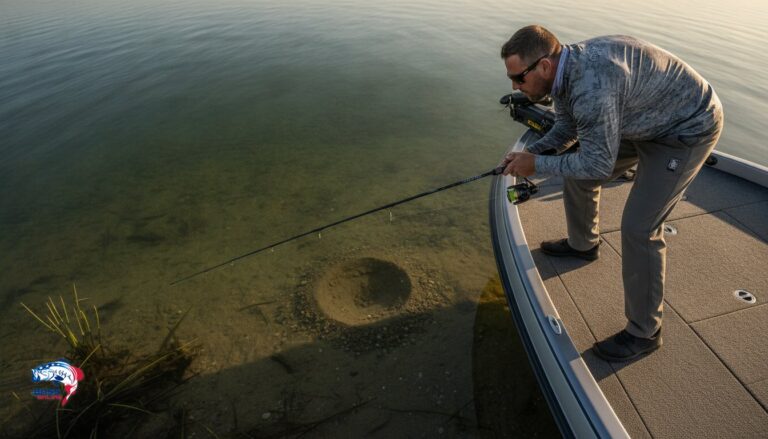
From late January through March, the big girls move into the sandy shallows to do their business. Lake Down is a premier destination for this because of its expansive, shallow shelves. You want to look for "clean" sand patches. These are bright white circles tucked inside the dark green eel grass. While the 20-foot visibility makes sight fishing easier to spot a hawg, it makes the fish much more skittish. You need to stay back and make long, precise casts to avoid spooking a trophy. Understanding Florida Bass: The Science and Strategy Behind America’s Favorite Trophy Fish will help you realize how these fish react to the clear water and light penetration during the spawn.

Beating the Heat: Summer Deep Tactics

When the Florida sun starts cooking in June, the bass head for the refrigerator. They seek out the deep-water retreat where oxygen levels are more stable. During this time, the "first light" bite is your most productive window. Once the sun gets high, the fish move to the deep grass lines in 15 to 18 feet of water. This is the time to put away the light tackle and get aggressive.

  • Target the edges: Focus on where the grass wall ends and the sandy bottom begins.

  • Deep-diving crankbaits: Use lures that dive to 20 feet to bounce off the bottom and trigger reaction strikes.

  • Follow the bait: If your electronics don’t show shad schools, the bass won’t be there either.

Fall brings a massive shad explosion, and that is when the topwater bite returns with a vengeance. You’ll see bass schooling on the surface, chasing bait with total aggression. However, you have to account for the heavy weekend boat traffic. On Saturdays and Sundays, the constant wake action from recreational boats pushes fish off the primary points. During these high-traffic times, look for fish to tuck into the deepest dock shadows or move even deeper into submerged structure to escape the surface commotion. If you’re looking to compare these seasonal patterns against a more vegetation-heavy system, the Lake Toho bass fishing guide for trophy largemouths breaks down how hawgs behave in thick hydrilla and kissimmee grass environments throughout the year.

Ready to put these seasonal tactics to the test? Book your trip with a local expert guide today and catch the lunker of a lifetime.

Planning Your Trip: Ramps, Gear, and Expert Guidance

Success on this chain requires more than just a lucky cast. You need a solid launch point and the right tools to handle these deep, clear waters. Planning your logistics ahead of time ensures you spend more time casting and less time idling through canals or searching for a place to park your rig.

The R.D. Keene Advantage

R.D. Keene Park is the undisputed gateway to these waters. Located at 10900 Chase Road in Windermere, this facility offers the best access for Butler Chain of Lakes fishing. For 2026, the ramp maintains its reputation for efficiency, typically operating from 8:00 AM to 8:00 PM during the peak summer season and closing at 6:00 PM in the winter. There is a standard $5 daily fee for boat sessions, which is a small price for such high-quality access. Starting your day at the north end in Lake Down is a tactical masterstroke. It allows you to work the morning bite in one of the chain’s most productive lakes before the sun gets too high.

Safety and etiquette are massive deals here. The narrow canals connecting the lakes are strictly enforced no-wake zones. Local authorities patrol these regularly, and they don’t give passes for speeding. If you’re running a large 21-foot bass boat, take it slow. These passages can get crowded, especially on weekends. Keep your electronics on to monitor depth, as some canal edges can get shallow during dry spells.

Essential Butler Gear Checklist:

  • Rods: A 7’2" medium-heavy casting rod is your best all-around tool for these lakes.

  • Reels: Use a high-speed baitcasting reel with at least a 7.1:1 ratio to pick up slack quickly.

  • Line: Stick to 10-12lb fluorocarbon. The water is gin-clear, and heavy braid will spook the big ones.

  • The "Butler Box": Pack 5-inch fluke-style baits in white or silver, watermelon red speed worms, and 1/2 oz chrome lipless crankbaits.

Book a Pro and Land a Lunker

With 11 interconnected lakes to choose from, the Butler Chain of Lakes fishing experience can feel overwhelming. Patterns shift daily based on wind direction and water clarity. Our professional guides spend over 250 days a year on these specific waters. They know which lake is "hot" before the sun even comes up. We eliminate the guesswork by tracking seasonal movements and baitfish migrations every single day.

We believe in results, not just promises. That is why we offer a "No Fish, No Pay" guarantee. If you don’t catch a fish, you don’t pay for the charter. It’s the ultimate commitment to your success on the water. We focus on teaching you the "why" behind every hookset, so you leave as a better angler. Check out our fishing guide reviews to see the trophy bass our clients are pulling out of these legendary Florida waters right now.

Land Your Next Trophy on the Butler Chain

Mastering the deep sinkholes and clear water of this legendary system takes a specialized approach. You’ve learned how to decode the karst topography and why finesse tactics are the secret weapon for these educated bass. Success with butler chain of lakes fishing comes down to understanding those sharp transitions and staying mobile as the seasons shift. When you match the right gear with local knowledge, you’re not just fishing; you’re hunting for a personal best.

At BassOnline, we’ve spent over 20 years perfecting these techniques. As the largest freshwater guide service in Florida, our team consists of top-rated local experts who live and breathe these waters every single day. We take the guesswork out of your trip, providing the elite gear and world-class insight needed to hook into a massive Florida lunker. Whether you’re a seasoned pro or just starting out, we’re here to ensure your expedition is a success from the first cast to the final weigh-in.

Book Your Butler Chain Trophy Bass Hunt Today!

The lunkers are waiting in the depths, and there’s never been a better time to get on the water. Let’s go catch some hawgs!

Frequently Asked Questions

What is the best time of year for butler chain of lakes fishing?

Late winter through early spring is the absolute peak season for butler chain of lakes fishing. From January to April, big female bass move into the shallows to spawn, making them much easier to target around the grass lines. During these 120 days, water temperatures usually sit between 65 and 75 degrees, which keeps the fish active and aggressive. You’ll find the most consistent trophy action during the full moon phases of February and March.

Do I need a special permit to fish the Butler Chain?

You don’t need any special permits beyond a standard Florida freshwater fishing license to fish these 13 interconnected lakes. Residents between the ages of 16 and 64 must have a valid license, and all non-residents over 16 are required to carry one. You can pick these up instantly at local tackle shops in Windermere or through the FWC website. Just make sure you have it on your phone or in your pocket before you launch the boat.

Which lake in the Butler Chain has the biggest bass?

Lake Butler is the largest lake in the chain at 1,578 acres and consistently produces the biggest lunkers for our clients. Its massive size and deep sinkholes reaching 40 feet provide the perfect habitat for bass to grow into true trophies. Lake Tibet-Butler is the next best bet, covering 1,198 acres of water. These two lakes hold the highest concentration of 8-pound to 10-pound bass because of the abundant offshore cover and deep water access.

What are the best lure colors for the clear water of the Butler Chain?

Natural and translucent colors are the only way to go when you’re dealing with the 10-foot visibility found in these lakes. Watermelon seed, pumpkinseed, and motor oil are the top three choices for soft plastics like 5-inch stick baits or worms. If you’re throwing a fluke or a jerkbait, pick a pattern that mimics a silver or white shad. Avoid bright neon colors that look unnatural in clear water, as these wary fish will spot a fake from a long distance.

Can I fish the Butler Chain from the shore?

Shore fishing is very difficult here because 95 percent of the shoreline is private property lined with luxury homes and docks. Your best bet for bank access is R.D. Keene Park, which offers a small fishing pier and a few hundred feet of accessible shoreline. To get the most out of your butler chain of lakes fishing trip, you really need a boat to reach the submerged hydrilla and offshore ledges where the schools actually hold.

Are there any No-Wake zones I should be aware of?

Every single canal connecting the lakes in this chain is a strictly enforced idle-speed, no-wake zone. There are 11 primary lakes connected by these narrow channels, and you must stay off the throttle to protect the shoreline and private docks. The Orange County Sheriff’s Office patrols these waters 7 days a week, so keep it slow until you’re at least 100 feet into the main body of the next lake. These transitions take a few minutes, so plan your run times accordingly.

What is the average depth of the Butler Chain of Lakes?

The Butler Chain is surprisingly deep for Florida, with an average depth of 18 to 20 feet across the system. Many of the lakes were formed by ancient sinkholes, resulting in steep drop-offs and deep pockets that can hit 40 feet in Lake Butler. This depth is a major advantage during the summer because the water stays cooler than the shallow 5-foot flats found on other chains. Bass will often suspend over these deep holes or stack up on the edges of the ledges.

Is live bait or artificial lures better for Butler Chain bass?

Wild golden shiners are the undisputed heavyweight champion for catching the largest bass on the chain. While artificial lures like topwater frogs or deep-diving crankbaits are fun and effective, 80 percent of the trophy bass over 8 pounds are caught using live bait. If you want to maximize your numbers, stick with soft plastics. But if you’re hunting for a personal best, drifting a 6-inch shiner near a deep grass edge is the most reliable way to hook a hawg.

Mr Bass

Article by

Mr Bass

Todd Kersey, widely known and labeled by Field & Stream as Mr. Bass, is a professional angler, accomplished author, and dedicated philanthropist with a lifelong passion for bass fishing. Armed with a degree in Outdoor travel, Mr. Bass has expertly combined his knowledge with his practical fishing experience to become one of the most respected names in the bass fishing, his deep understanding of bass habitats, and fish behavior has earned him numerous accolades as a asset of the sport. Serving 8 yrs as FWC Stakeholder Chair person. Leading and passing cutting edge legislative like the Black Bass Management plan, also successfully building, passing and financing the Trophy Catch program. As CEO he is committed to giving back to the community through his philanthropic efforts. He supports a variety of causes, especially those centered around physical disabilities. Through his advocacy, his mentorship programs inspire anglers to engage using fishing stewardship, helping to foster more than 18 million dollars in donations. Mr. Bass continues to inspire anglers and outdoor enthusiasts alike with his commitment to the sport and the world around him.

Book a fishing trip
Share your love
BASS ONLINE
BASS ONLINE

BASS ONLINE IS THE NATION'S NUMBER ONE BASS FISHING RESOURCE. SUPPLYING ACCESS TO OUTDOOR INDUSTRY LAKES, FISHING LOCATIONS, FISHING REPORTS, AND TOP FISHING GUIDES IN THE COUNTRY.

Articles: 908

Leave a Reply