
Important distinction: A search bait is not the same thing as the best bait overall for largemouth bass. Search baits are moving artificial lures designed to cover water and find active fish. For live bait, soft plastics, jigs and the full range of year-round bait choices, use our complete guide to the best bait for largemouth bass.
Published: January 23, 2023 · Updated: September 9, 2026
Best search baits for bass help anglers cover water, identify productive depth and cover, and locate active fish before slowing down. A true search bait casts efficiently, moves through a useful part of the water column, and sends enough flash, vibration, sound, or visual movement for nearby bass to find it.
This guide focuses specifically on moving lures used to search for bass. For a broader comparison of live bait, soft plastics, jigs, and year-round presentations, use our complete guide to the best bait for largemouth bass.
Table of Contents
What Is a Search Bait for Bass?
A search bait is a lure selected to find fish rather than thoroughly work one small target. It usually allows repeated casts and a steady or rhythmic retrieve. The goal is to learn where bass are positioned: shallow or deep, inside or outside vegetation, beside wood, on points, around baitfish, or suspended in open water.
Search baits do not magically pull bass from every corner of a lake. They help anglers test several high-percentage areas efficiently. A strike, follow, missed bite, or group of baitfish can reveal enough information to refine the pattern.
7 Best Search Baits for Bass
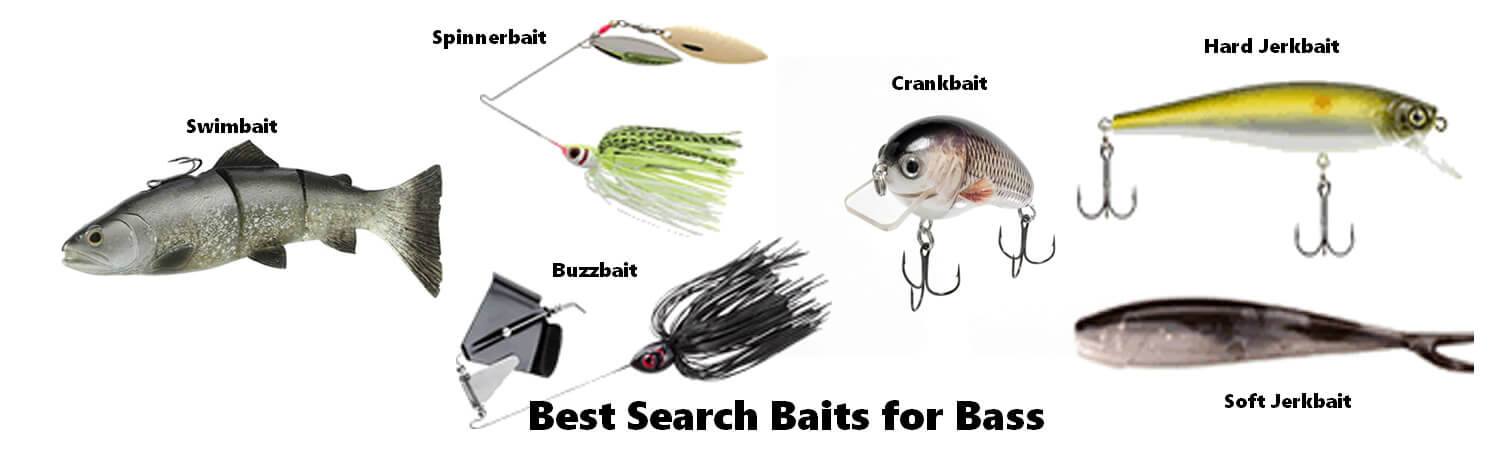
1. Spinnerbait
A spinnerbait is one of the most adaptable search lures because it can be retrieved over vegetation, beside wood, across shallow flats, and along drop-offs. Its blades create flash and vibration, helping bass track it when wind, stained water, or low light reduces visibility.
Use a heavier model or smaller blades to reach deeper water. Slow the retrieve near cover, speed it up over submerged grass, or let the lure fall briefly beside a target. White, chartreuse, shad, and bluegill combinations provide practical starting colors.
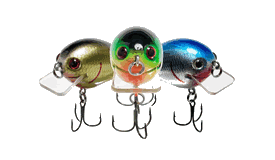
2. Crankbait
Crankbaits let anglers contact bottom, deflect off cover, and determine the depth at which fish respond. A square-bill works around shallow wood, rock, and vegetation. Medium- and deep-diving models probe points, channel swings, ledges, and deeper flats.
Select a model that reaches the target zone without constantly burying into debris. Deflection often triggers a strike, but repeated snagging means the lure is running too deep or its hook configuration does not suit the cover.
3. Bladed Jig
A bladed jig combines the profile of a jig with strong vibration. It performs well over submerged vegetation, along grass edges, across flats, and through moderately stained water. Change trailer size and retrieve speed to control lift and vibration.
If the lure repeatedly collects grass, keep the rod tip higher or reduce weight. If bass are deeper, use a heavier lure, lower the rod tip, and allow short pauses so the bait returns to the strike zone.
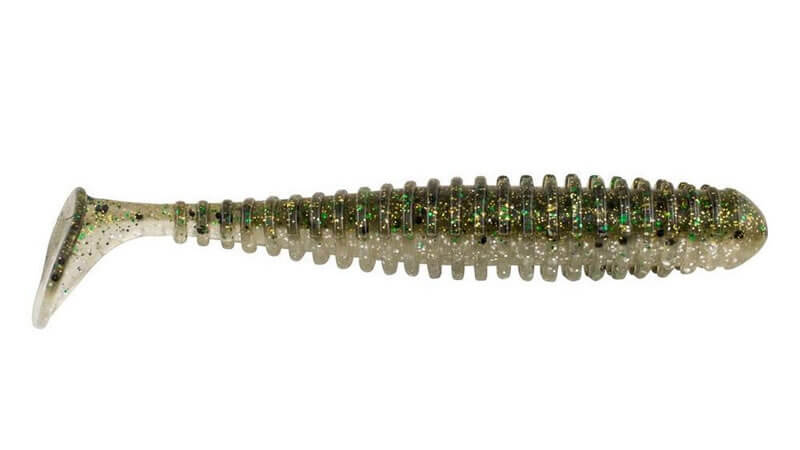
4. Swim Jig or Paddle-Tail Swimbait
A swim jig is useful around grass, reeds, docks, and laydowns where exposed treble hooks would snag. A paddle-tail swimbait provides a natural baitfish profile and can be rigged on a jig head, weighted hook, or underspin. Both can cover water at multiple depths.
Keep the retrieve steady until the lure touches cover, then change direction or speed. Our guides to swim-jig bass fishing and soft swimbaits for bass explain these presentations in greater detail.
5. Jerkbait
A jerkbait searches clear water, points, steep banks, open pockets, and suspended-fish zones. The pause is part of the presentation. Begin with a moderate jerk-jerk-pause cadence, then lengthen the pause in colder water or when fish follow without striking.
Choose a diving depth that keeps the lure above or beside the fish. Bass commonly rise to a jerkbait, but a lure running beneath suspended fish can pass outside their preferred feeding window.
6. Walking Topwater
A walking topwater covers open surface water with a side-to-side action. Use it over points, flats, submerged vegetation, schooling fish, and the edges of visible cover when bass are willing to feed upward. It also shows followers that do not fully commit.
Start with a consistent cadence, then add pauses near cover or after a missed strike. Learn more in our guide to fishing with topwater lures.
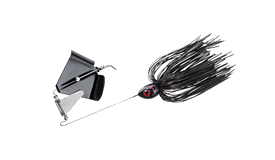
7. Buzzbait
A buzzbait creates a visible wake, vibration, and surface sound. It excels in shallow water around sparse grass, seawalls, docks, laydowns, and isolated targets. Keep it moving fast enough to remain on the surface, but experiment with the slowest retrieve that maintains blade rotation.
How to Choose the Right Search Bait
| Condition | Useful starting choice | Why it fits |
|---|---|---|
| Stained water or wind | Spinnerbait or bladed jig | Strong vibration and visible flash |
| Shallow wood or rock | Square-bill crankbait | Deflects while covering the target zone |
| Submerged vegetation | Swim jig, bladed jig, or swimbait | Can travel above or along grass edges |
| Clear open water | Jerkbait or natural swimbait | Realistic profile and controlled depth |
| Surface activity | Walking bait or buzzbait | Efficiently covers the upper water column |
Water clarity affects color, flash, sound, and casting distance. Natural or translucent colors are dependable in clear water. Added contrast, vibration, or brighter accents can help in stained water. These are starting rules; the fish’s response remains the best evidence.
Cover determines hook style and lure shape. Treble-hooked crankbaits and jerkbaits suit open lanes, rock, and sparse cover. Single-hook spinnerbaits, swim jigs, and weedless swimbaits usually move through vegetation and wood more cleanly.
A Simple Method for Searching Water
- Choose a likely zone. Begin with a point, vegetation edge, flat, dock line, channel bend, or area holding visible forage.
- Match the running depth. Keep the lure close enough to cover, structure, or suspended fish to be noticed.
- Fan-cast the area. Cover multiple angles instead of repeatedly casting down one line.
- Change one variable. Adjust speed, depth, color, or angle so you know which change produced the response.
- Mark every clue. A bite, follow, bait school, or productive piece of cover can reveal a repeatable pattern.
- Revisit the best angle. Once a bass responds, make another cast past the same target before leaving.
The U.S. Fish and Wildlife Service notes that adult largemouth bass use submerged vegetation and other cover to ambush prey. Search parallel to edges when possible so the lure remains near that habitat longer.
When to Stop Searching and Slow Down
A moving lure is a tool, not a requirement. Slow down when several bites come from one small area, bass follow without striking, fish are tightly grouped on electronics, heavy pressure makes them reluctant, or a cold front reduces activity. A jig, Texas rig, shaky head, drop shot, or weightless soft plastic can then work the productive area more carefully.
This is the point where the search-bait topic hands off to our broader resources on bass fishing rigs and different bass lure types. Keeping these jobs distinct helps anglers—and search engines—understand which page answers each question.
The Florida Fish and Wildlife Conservation Commission’s largemouth bass tips provide additional seasonal and lure guidance. Always check the regulations for the state and water body being fished.
Common Search Bait Mistakes
- Fishing too fast for the conditions: Covering water is useful only when the lure remains in the zone. Reduce speed when water is cold, fish are pressured, or strikes are tentative.
- Ignoring running depth: A productive lure passing several feet above or below the fish may appear ineffective. Adjust weight, bill size, rod angle, and retrieve speed.
- Changing lures without learning: Random changes make patterns harder to recognize. Change one factor—such as color, speed, depth, or vibration—then compare the response.
- Leaving after one cast: Present the lure from several angles around promising cover. A bass may respond only when the bait crosses its feeding lane.
- Forcing a moving-bait bite: Search baits reveal clues, but they are not always the best tools for catching every fish you locate. Follow up with a slower presentation when the evidence calls for it.
Frequently Asked Questions
What is the best all-around search bait for bass?
A spinnerbait is one of the most versatile choices because it covers several depths and handles vegetation, wood, wind, and stained water. In clear open water, a jerkbait or swimbait may be a better starting choice.
How fast should I retrieve a search bait?
Use the fastest retrieve that keeps the lure in the productive depth and under control. Slow down after follows or short strikes; speed up when fish are chasing forage or when covering a large flat.
Can search baits work from the bank?
Yes. Fan-cast parallel to shore, across points, beside vegetation, and along visible depth changes. A spinnerbait, square-bill, weedless swimbait, or walking bait can cover accessible water efficiently.
Should I change lures after catching one bass?
First repeat the productive cast and angle. If more fish are present but stop reacting, follow with a slower lure. If the bite appears isolated, continue searching for similar depth, cover, and conditions.
Understanding search baits makes time on the water more efficient. If you want hands-on instruction with lure selection, boat positioning, and pattern development, explore our professional fishing guides.