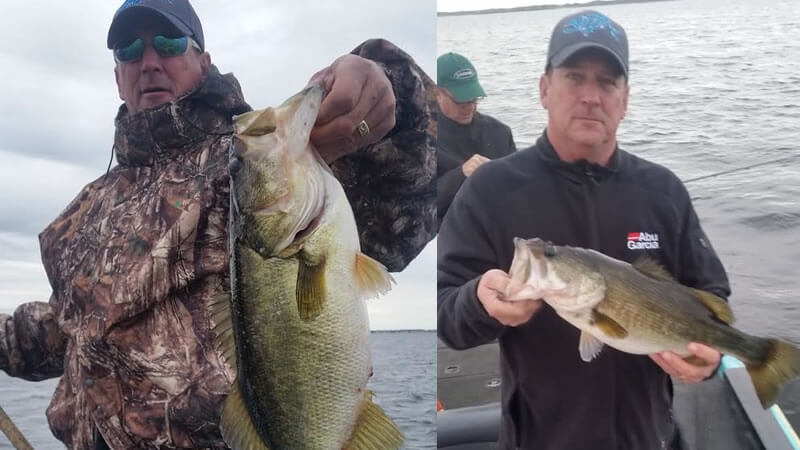

Yes, you can troll for largemouth bass. Trolling is especially useful when bass are scattered, suspended, relating to open-water baitfish, or holding along long grass edges, points, channels, and other structure that would take too long to cover one cast at a time. The key is not simply dragging a lure behind the boat. Productive bass trolling is about finding the right water first, then keeping a lure or bait in the strike zone long enough to locate a school.
This guide explains how to troll for largemouth bass, when open-water trolling makes sense, which areas to search, how to adjust your presentation, and what an older Lake Toho guide trip taught us about finding bass away from the bank.
Can You Troll for Largemouth Bass?
Absolutely. Largemouth bass are often associated with visible cover such as docks, grass, reeds, wood, or shoreline structure, but they also spend time away from the bank. Bass may suspend around roaming baitfish, hold on the outside edge of vegetation, stage along channel breaks, or group on offshore structure.
Trolling can help an angler cover those areas efficiently. Instead of guessing at one small spot, you can search a longer stretch of productive water and watch for a pattern. Once several bites come from the same depth, edge, or baitfish zone, you can slow down and fish that area more precisely.
When Trolling for Bass Works Best
Trolling is most useful when the fish are not tightly pinned to one obvious piece of cover. It can be a strong option when:
- bass are schooling in open water;
- baitfish are spread across a large area;
- fish are suspended off a grass line or channel edge;
- you need to locate the productive depth before stopping to cast;
- wind makes precise boat positioning difficult;
- you are fishing a large lake and need to eliminate unproductive water quickly.
Open-water bass are still relating to something. That “something” may be bait, depth, current, vegetation, a point, a contour change, or a channel edge. The job is to identify that connection.
How to Find Open-Water Largemouth Bass
Start With Baitfish
Bass rarely spend much time in open water without a food source nearby. Surface activity, diving birds, scattered bait on electronics, or repeated fish marks at the same depth can all help narrow the search.
If bass are actively schooling, do not assume the exact surface splash is the only productive spot. Schools often move. Pay attention to the larger zone, the depth of the bait, and any nearby grass edge or contour change.
Follow Long Edges
Outside vegetation lines are excellent search routes because they create a natural travel lane. On Florida lakes, healthy hydrilla and other submerged vegetation can form long edges where bass can feed, rest, and move between shallow and deeper water.
A long edge also gives you something repeatable. If bites keep coming from the same section or depth, mark it and return with a slower presentation.
Watch Points, Channels, and Depth Changes
Open-water bass often use subtle structure that cannot be seen from the surface. Main-lake points, creek-channel bends, drop-offs, humps, and transitions between shallow flats and deeper water can all concentrate fish.
Trolling is valuable because it lets you search these larger features while maintaining a consistent presentation.
Best Presentations for Trolling Bass
There is no single “best” trolling bait for largemouth bass. The right presentation depends on the depth of the fish, the amount of vegetation, water clarity, forage size, and how actively the bass are feeding.
Crankbaits
Crankbaits are useful when you want to cover water at a repeatable depth. Choose a bait that reaches the zone where the bass or baitfish are holding without constantly digging into bottom debris or fouling in grass.
If you are fishing close to vegetation, a shallower-running lure may stay cleaner. On deeper offshore edges, a deeper-diving crankbait may be more effective.
Swimbaits and Shad-Profile Lures
When bass are following roaming baitfish, a natural shad profile can be a strong search presentation. Keep the bait moving cleanly and adjust until it tracks through the same depth as the forage.
Live Shiners
On Florida trophy-bass waters, wild golden shiners can also be trolled or slowly moved through productive open water. The original Lake Toho field trip behind this guide used shiners to cover water until the anglers located a school, then focused on the productive zone.
Live bait and artificial lures do not have to be competing strategies. Trolling can be used as a search method first, then the presentation can change once the fish are found.
How Fast Should You Troll for Bass?
There is no universal trolling speed for largemouth bass. The correct speed is the one that keeps your lure or bait working properly at the depth where the fish are located.
Start with a controlled pace, watch how the lure tracks, and make small adjustments. If the bait is rolling, fouling, riding too high, or diving below the productive zone, change speed, line length, lure choice, or boat direction. Water temperature and fish activity can also change how aggressively bass respond.
Boat Control Matters More Than Most Anglers Think
Good trolling is repeatable. If you receive a bite on a particular edge, depth, or direction, make another pass that duplicates it. Randomly weaving across the lake makes it difficult to learn anything from each strike.
Use GPS tracks, waypoints, visible shoreline references, or your electronics to repeat productive lines. When several fish come from a small area, stop trolling and work the school with casts or a slower live-bait presentation.
Lake Toho Open-Water Trolling Field Note
An older Bass Online guide trip on Lake Toho provides a useful example. The anglers were searching open water and key edges rather than staying tight to the shoreline. The bass were schooling, and trolling helped cover enough water to locate them. Once the productive school was identified, the anglers could concentrate on that zone instead of continuing to search blindly.
Across two days, the group used roughly four dozen shiners per day and caught steady numbers of largemouth bass. The important lesson was not the bait count. It was the search process: cover water, identify the productive edge or school, then slow down and exploit it.
That same logic applies whether you are trolling live bait, crankbaits, or other moving presentations.
Common Trolling Mistakes
- Trolling random water: Bass may be offshore, but they are usually relating to bait, structure, vegetation, current, or depth.
- Never repeating a bite: A strike is information. Turn around and duplicate the same line.
- Using the wrong running depth: A lure above or below the fish may miss the entire school.
- Ignoring fouled lures: Grass on the hooks can destroy the action of a moving bait.
- Staying in search mode too long: Once you locate several bass, stop covering water and fish the productive area thoroughly.
- Watching only the shoreline: Open-water bait and suspended bass can be the best pattern on the lake.
Trolling vs. Casting for Bass
Trolling and casting solve different problems. Trolling is excellent for searching large areas and identifying productive depth or structure. Casting is usually better once you know exactly where the fish are positioned.
A practical approach is to use trolling to locate a school, mark the area, and then switch to targeted casts with crankbaits, swimbaits, soft plastics, topwater baits, or other presentations from our bass lures and baits guide.
Is Trolling Good for Trophy Largemouth Bass?
It can be. Trolling is not automatically a trophy-only technique, but it can help locate offshore or suspended fish that receive less shoreline pressure. On lakes with large Florida-strain bass, covering productive edges can put a bait in front of fish that anglers casting only visible cover may never reach.
If trophy Lake Toho bass are your goal, see our dedicated Lake Toho trophy bass guide.
Frequently Asked Questions
Can you troll for bass in a lake?
Yes. Trolling can be effective in lakes when bass are suspended, schooling around baitfish, or holding along long offshore edges and depth changes.
Can you troll for largemouth bass with crankbaits?
Yes. Crankbaits can cover water efficiently when their running depth matches the depth of the fish and the lure stays clear enough of vegetation and debris to work correctly.
Can you troll live bait for largemouth bass?
Yes. In Florida, guides may slowly troll or move wild shiners through productive areas to locate bass. Once fish are found, the boat can be positioned to work that zone more carefully.
Should you stop trolling after the first bite?
Not always, but you should treat the bite as a clue. Repeat the same line or depth. If multiple bites come from the same area, stop searching and fish that school more thoroughly.
Where can I see current Lake Toho conditions?
Use our Lake Toho fishing reports for current and recent guide observations. For lake access, habitat, species, ramps, and booking information, use the canonical Lake Tohopekaliga guide.