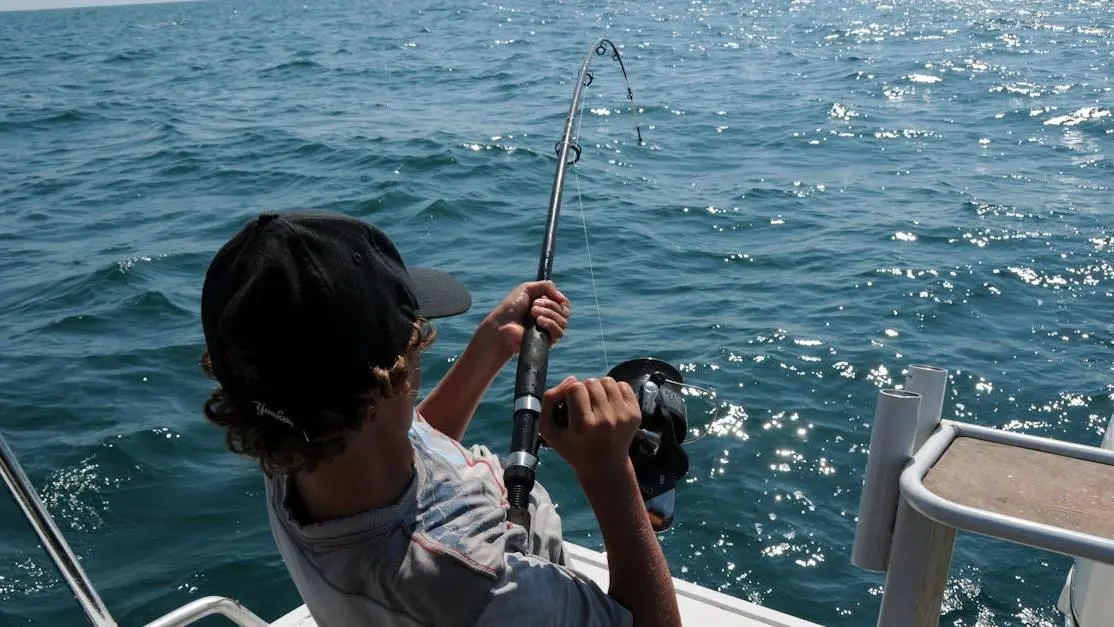

Quick answer: Travel insurance for a fishing trip can be useful when a policy specifically covers the risks you care about, such as trip cancellation, emergency medical expenses, evacuation, baggage or fishing equipment. Coverage varies widely, so read the policy certificate, limits, exclusions, and covered reasons before buying.
For independent consumer guidance on comparing trip-cancellation and other travel-policy coverages, review the National Association of Insurance Commissioners travel insurance overview.
When it comes to travel insurance for fishing trips, a little planning goes a long way. Whether you’re casting lines in serene lakes or battling the sea’s giants, the right policy may reduce some financial risks, depending on its terms and exclusions.
This article presents essential tips to protect against surprises, from fishing equipment mishaps to medical emergencies and trip interruptions, tailored for anglers seeking to master their craft and enjoy unforgettable adventures.
1. Understand the Unique Risks of Fishing Trips
 Fishing trips offer one of the most rewarding connections with nature, but they are not without unique risks. Recognizing these risks helps you choose the right travel insurance. Consider the following potential challenges that could disrupt your adventure or lead to unforeseen costs.
- Equipment Mishaps: Fishing gear isn’t cheap, and damage or loss can happen. We’ve seen countless anglers face this frustration, often during transit or on choppy waters. Check whether the policy covers fishing equipment, what per-item and total limits apply, and whether depreciation, theft documentation, airline handling, or unattended gear exclusions affect a claim.
- Medical Emergencies in Remote Locations: Many idyllic fishing spots are far from medical facilities. Travel insurance with emergency medical coverage, including airlift services, is vital. Without it, a simple injury could lead to daunting expenses and stress.
- Unpredictable Weather: Nature is unpredictable. Sudden weather changes can delay or cancel trips, impacting your travel plans and out-of-pocket expenses. Some policies cover certain weather-related disruptions, but only when the event and resulting loss meet the policy’s covered-reason language.
Understanding these key points equips you with the knowledge to choose an insurance policy that aligns with the specific demands of fishing adventures. It’s all about making sure you’re protected against the full spectrum of potential risks.
2. Evaluate Coverage Options for Fishing Equipment
High-quality fishing equipment is essential for any successful angler. Protecting this investment is crucial when planning a fishing trip. Ensuring your insurance policy covers your gear can prevent financial setbacks.
- Coverage Limits: Different policies have various limits for sports equipment. Compare equipment limits with the actual value of your rods, reels, electronics, and other gear; many policies use sublimits that may be lower than the replacement cost. We know anglers who have faced gaps in coverage, leading to out-of-pocket replacement costs—something you definitely want to avoid.
- Theft and Damage: The risk of theft is present everywhere, from airports to remote fishing lodges. Damage, too, is common. Check whether theft and accidental damage are covered and what documentation, deductibles, exclusions, and item limits apply. Policies that reimburse for losses or offer quick replacement options bring peace of mind.
- Rental Equipment Reimbursement: If your gear is delayed or damaged, some policies may offer reimbursement for delayed, lost, or damaged sporting equipment. This allows you to continue fishing without missing a beat while waiting for your primary equipment.
Evaluating these options ensures your gear remains protected, regardless of what happens. As you explore the waters, focus on the fish, not the financial risks associated with your equipment.
3. Consider Health and Emergency Support
Fishing takes you to beautiful yet remote locations where conventional health services may be scarce. Ensuring comprehensive health coverage prepares you for any eventuality, protecting your well-being on your adventure.
- Emergency Medical Care: When accidents happen miles from the nearest clinic, having access to emergency medical care is crucial. Make sure your policy includes coverage for both minor injuries and serious incidents.
- Medical Evacuation: Medical evacuation can be one of the most expensive parts of a remote emergency, so review the benefit amount and assistance requirements carefully. In extreme cases, getting you to a full-service hospital may require air transport. We’ve heard of trips where such services made all the difference, emphasizing the importance of having this coverage.
- Ongoing Support: Some policies offer telemedicine options or access to medical advice during your trip. This can be a convenient way to address non-emergency health concerns without unnecessary travel to a hospital.
Prioritizing your health and safety enhances your fishing experience. With these coverages, you can enjoy the outdoors without the constant worry of healthcare accessibility.
Protecting your health on fishing trips brings freedom and focus to the sport.
4. Assess Trip Cancellation and Interruption Policies
Weather, personal emergencies, and other unpredictable factors can throw a wrench in your well-laid fishing plans. Understanding how travel insurance covers cancellations and interruptions is essential for preserving both your trip and your finances.
- Weather-Related Cancellations: Bad weather might mean staying dockside. Some policies cover specific weather-related cancellations, but coverage depends on the exact event, timing, and covered-reason wording.
- Flexible Rescheduling: Do not assume travel insurance includes free rescheduling. Compare the policy with the charter, airline, lodging, and outfitter cancellation terms. This lets you adjust plans without financial penalties, keeping your fishing agenda intact.
- Personal Emergencies: Life happens. Unforeseen familial or personal emergencies might require you to cancel. Check whether the policy lists your type of emergency as a covered reason and whether prepaid, non-refundable costs are eligible for reimbursement to avoid stranded investments when things don’t go as planned.
- Non-refundable Expenses: Many trips have non-refundable elements. Insurance with good cancellation terms ensures pre-paid expenses aren’t entirely lost in disruption, offering a buffer when plans change.
Addressing these factors in your travel insurance policy underpins the resilience of your fishing trip plan. When unforeseen interruptions arise, you’re cushioned against financial losses, letting you bounce back quicker and refocus on what truly matters—reeling in that big catch.
5. Examine Policy Flexibility and Exclusions
When selecting travel insurance for your fishing trip, diving into the fine print is non-negotiable. Policies often come with exclusions that can catch you off guard if you’re not vigilant. Understanding these nuances will safeguard you against surprises.
- Adventure Sport Exclusions: Fishing may be treated differently depending on the policy and activity. Check whether offshore fishing, guided trips, remote expeditions, competitions, or other planned activities are excluded or require additional coverage. We’ve encountered travelers who were unable to claim because they didn’t check this detail.
- Add-On Coverage: Some policies allow you to customize coverage to suit unique needs. Whether it’s adding specific weather protections or equipment riders, flexibility is key. Tailor your insurance to match your fishing itinerary and potential risks flawlessly.
- Variable Coverage Options: Not all policies are created equal in terms of coverage breadth. Look for policies offering comprehensive options that align with what your trip entails—from medical evacuation to liability coverage for boat rentals.
- Know Your Exclusions: Explicit exclusions, such as pre-existing health conditions or certain locations, can impact your claims. Familiarize yourself with these to avoid unwelcome surprises. A clear understanding now prevents hassle and disappointment later.
Ensuring flexibility and knowing the exclusions in your policy pair beautifully with an adventurous spirit. This preparation allows you to fully focus on the fishing experience.
6. Check Coverage in Remote Fishing Areas
Serene, remote fishing spots offer incredible beauty and challenge but often come with limited services. Travel insurance that caters to these conditions is essential for your peace of mind.
- Local Emergency Services: In remote places, emergency response may be slow or costly. Confirm the policy’s covered services, evacuation limits, exclusions and required approval procedures; coverage is not automatically unlimited. Being stranded without this could turn a dream trip into a logistical nightmare.
- Communication Access: Coverage extending to satellite phones or other remote communication devices adds an extra layer of security. Check communication availability before traveling; having a device does not guarantee a prompt rescue.
- Reliable Service Providers: Make sure your insurance company partners with reputable service providers for evacuation and emergency support in remote areas. This ensures that help is just a call away when it truly counts.
- Transport Logistics: Ensure your policy covers transportation expenses if you need to get back to civilization quickly. From helicopter services to small chartered flights, the specifics matter when you’re far off the beaten path.
Addressing these areas ensures that remote fishing adventures stay enjoyable and safe. It’s the perfect blend of exploration and protection.
Venturing into remote fishing sites brings unmatched excitement—preparedness ensures it’s only the good kind.
7. Review Terms for Adventure Sports Coverage
Fishing isn’t always about relaxation—sometimes it’s about adventure. Before setting out on those thrill-seeking expeditions, make sure your insurance policy supports your plans.
- Explicit Inclusion of Fishing: Not all policies label fishing as an adventure sport, but those that do may require explicit mention of coverage. Double-check that the language explicitly encompasses fishing activities.
- Activity Level Coverage: Assess the level of coverage based on the intensity of your fishing activities. Are you venturing into rough seas? Wading through cold mountain streams? Align coverage with your specific pursuits.
- Specialized Equipment Protection: Adventure sports riders can sometimes provide additional equipment coverage. If your fishing plans include demanding environments, this extra layer of security is invaluable.
Understanding your adventure sports coverage verifies that you are fully safeguarded when chasing thrilling fishing experiences, ensuring you focus on the excitement without sideline worries.
8. Understand Legal Requirements and Insurance Provider’s Reputation
Fishing often carries specific legal requirements and the need for a trustworthy insurance partner. Navigating these factors with care ensures you’re not at odds with regulations or left unsupported when you need help.
- Claim-Processing Efficiency: Choose an insurer known for streamlined claims processes. This is critical when an unexpected situation arises, speeding up recovery and allowing you to continue enjoying your trip.
- Legal Insurance Requirements: Do not assume personal travel insurance satisfies boating, rental, charter, guide, or destination-specific insurance requirements. Verify those obligations separately with the operator and relevant authority. Verify what’s required to ensure you’re compliant and protected from legal snags.
- Reputable Providers: Sticking with well-respected providers means a trusted safety net. Research their reputation and see how they handle client claims. Past anglers’ experiences can offer insight into what to expect.
- Smart Partnerships: Some tour operators and guides work with recommended insurers for seamless interactions. Check if your chosen guides have specific insurance partners for a hassle-free solution.
Understanding these elements ensures you meet the legal standards and choose a reliable insurance company. It’s the final reinforcement to anchor your fishing trip securely.
Before You Buy a Fishing Trip Travel Insurance Policy
- Read the full policy: marketing summaries are not the contract.
- Check covered reasons: cancellation coverage usually applies only to listed events unless the policy includes a broader optional benefit.
- Compare equipment limits: expensive rods, reels, electronics, and tackle may exceed baggage or sporting-equipment sublimits.
- Verify medical coverage: confirm destination, evacuation, pre-existing-condition, and assistance-service rules.
- Compare with supplier policies: charter, lodge, airline, and outfitter cancellation rules still matter.
This article is general trip-planning information, not a recommendation of a specific insurance product. Policy wording controls coverage.
Conclusion
Appropriate travel insurance may help with specific covered disruptions, depending on the policy terms. By focusing on these crucial aspects—from equipment protection to legal requirements—you set a solid foundation for a worry-free adventure. Your sights can remain where they should be: on the horizon, rod in hand, ready for the catch of a lifetime. Being prepared isn’t just practical—it enriches the entire journey, allowing you to focus on creating unforgettable fishing memories.