


Guadalupe Bass Micropterus treculii
The Guadalupe bass is a rare fish species and the official state fish of Texas. While the Guadalupe bass is relatively unknown globally, it is a popular game fish among central Texas anglers.
The Guadalupe bass, Micropterus treculii, is native to the Edwards Plateau of Texas and is from the same family as the smallmouth bass. Smallmouths are the species that pose the greatest threat to the Guadalupe bass because of the high rate of hybridization.
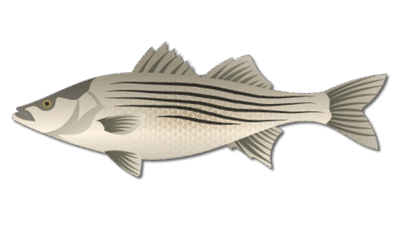
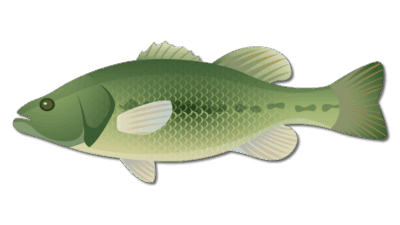
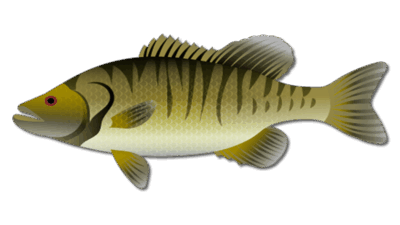
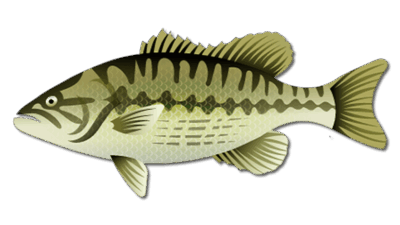
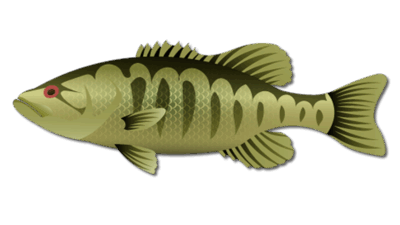
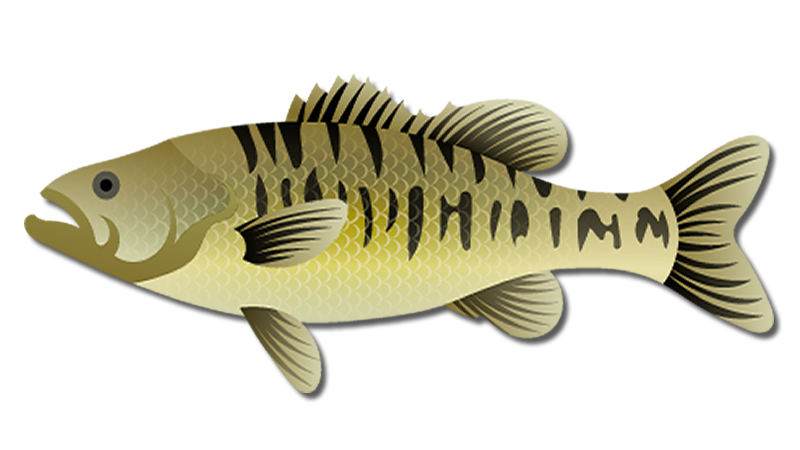
Other names for this fish include Guadalupe Spotted bass, black bass, and are unofficially called guads. These fish are generally a green color and are distinguished from other Texas bass species in that they don’t have vertical bars like smallmouths, do not have a protruding jaw like largemouth bass, and their coloration extends lower on the body than that of a spotted bass.
Like the other black bass, which includes smallmouth, spotted, and largemouth bass, the Guadalupe is a member of the sunfish family Centrarchidae, even though it is not a true bass.
The Guadalupe bass is a prized game fish, known for its tough, long fights as it maneuvers against the current and utilizes its powerful muscles.
Appearance
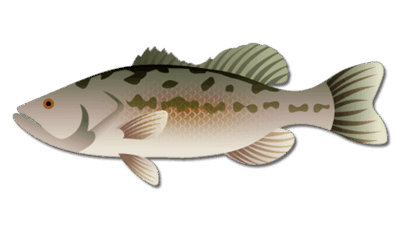
The Guadalupe bass is small in size but rather powerful, with physical traits that resemble those of the spotted bass. A typical adult weighs about one pound and reaches 12 inches in length.
Their backs have many smaller diamond-shaped marks scattered, and they have 12 dorsal-fin rays. They possess a lateral line covered in separate, circular spots or diamond-shaped markings. This particular species has a lighter shade, but just like most other black basses, the Guadalupe bass is lime to olive green in color. As they age, the color fades from black to olive, and they end up in brighter, more natural colors than the smallmouth bass. Their tongues also contain a rectangular tooth patch.
Status and Conservation Plan
Up until recently, Guadalupe has been considered a rare bass species and was facing extinction.
They are continuously decreasing in numbers due to several factors, including hybridization with smallmouths, habitat degradation, and reduced streamflow.
Texas is currently running a Restoration program for the Guadalupe Bass, targeting the Llano River to encourage conservation within their home range. The restoration initiative is collaborating with landowners to minimize activities near riparian areas, which can lead to reduced water quantity and quality.
A recent statement by the Texas Parks and Wildlife Department confirmed that they will likely stock many bass in the future to counter the hybrid population as one of the measures to protect their native population.
How to Fish Sunshine Bass: Essential Take-Aways for an Angler
Where Can I Find Them?
Sunshine bass are found throughout Florida, where they were produced and stocked. The sunshine bass fish are most active during the winter months. They prefer cold water conditions, often seeking deep lakes or feeder streams. Look for baitfish schools out in the open water of large lakes or cast in river drop-offs and other flowing water.
These fish are found as far south as Lake Ida in West Palm Beach. Prime sunshine bass fishing is done in rivers, including spillways, water outflows, and flood gates. Some of the best sunshine bass fishing is done in St. Johns, Apalachicola, and the mouth of the Escambia River.
Some places attract more sunshine bass than others, but you’ll find them stacked up in the deep holes near river sandbars. They assemble early in the morning and late evening; pickings may be slower during the day.
How to Fish Sunshine Bass: Essential Takeaways for an Angler
Florida sunshine bass are voracious feeders that strike quickly and hold on tightly. Sunshines will fight hard, coming up, running back and forth, or shaking their heads. With their many directional changes and powerful turns, sunfishes put up a fight that has been compared to that of redfish.
The easy-to-catch fish can often be found in a lake or river where there are signs of nervous baitfish.
Sunshine bass will swim deep, attempting to head for open water when hooked. Don’t be in a hurry, especially when fishing with shiners; be gentle with the hook and manage the bait carefully. This is because sunshine bass has smaller mouths than native largemouth bass.
What’s the Best Bait for Sunshine Bass Fishing?
These Florida fish prefer shad as their favorite food, but they are by no means picky. Sunshines often go after live threadfin and shrimp baits, too. Young fish primarily feed on insects and crustaceans.
Fish for sunfish bass easily with an artificial crankbait or spinnerbait. They will readily bite anything that resembles a small fish.
Use topwater lures, which are effective when fish school near the surface. When the surface is slow, troll for sunshine with artificial lures. Any artificial pattern that resembles shad is excellent for deep river holes, lakes, or spillways.
Stay prepared at all times because sunshine bass put up a spirited fight.
Spawning
Spawning for this state bass usually begins in March and continues as late as June. A secondary spawn can also occur in late summer or early fall.
Similar to the other black bass, the male Guadalupe constructs gravel nests in shallow waters to spawn. After the female bass lays her eggs, the male chases her away and remains there throughout the incubation period to guard the nest.
Diet
The Guadalupe bass feeds at night, and you’ll find them moving freely around their habitat, making it a prime time to make a catch. The Guadalupe fish prefers to feed on water-bound insects, including golden shiners, fatheads, gizzard shad, and crayfish. Their primary food preference appears to be aquatic insects. The most preferred insect for juvenile Guadalupe is the mayfly.
However, you can occasionally find them feeding on hymenopterans, which include wasps and bees.
The quantity of food they take and their food preferences change with the season. For instance, in the summer, they tend to consume more food than they do during winter, which is when they become dormant due to the decrease in water temperatures.
Edibility
Anglers usually target bass for its sport fishing quality rather than for food. However, Guadalupe bass offers white meat that is high in protein and low in fat. Many who have tried it say the guad is delicious, but the taste will depend on where you made your catch.
State Record
Allen Christenson held the Texas record since 1983 for the biggest Guadalupe bass ever caught at 3.69 pounds.
In January 2014, an angler in the Colorado River hooked onto a larger Guadalupe bass with a fly rod using a crayfish fly. This fish holds the state freshwater records at a length of 17.25 inches and a weight of 3.71 pounds.
Guadalupe River Bass Fishing
Fishing for the Guadalupe River bass is a lot like chasing smallmouth bass. However, be on the lookout as they are adept at using the currents to their advantage. For a successful Guadalupe bass fishing expedition, consider moving away from population centers and lakes to the most beautiful waters of the hill country, where you may be able to make a good catch of this stream-born bass.
The Guadalupe bass population is restricted to rivers and creeks and is listed as near threatened. Due to this status, most anglers employ catch-and-release techniques to help improve the state fish population.
Where to Catch the State Fish of Texas
The Guadalupe bass fish live in flowing water, unlike the largemouth bass, which lives in quiet water. The Guadalupe bass prefers streams with flowing water where they can seek refuge when in danger. Guadalupes often inhabit areas near stumps, cypress trees, or under large rocks, which they use for cover.
Their primary habitat is the Llano River Watershed Alliance, the Guadalupe River, the Brazos River, the San Antonio River, the Colorado River, and the San Marcos River. Anglers can also catch them at Onion Creek, San Gabriel River, Comal River, and run-off creeks such as Barton Creek. In the Llano River, this species is farm-raised and stocked.
When summer comes, many parts of the rivers, including the Guadalupe, San Antonio, and upper Nueces river drainages in southern Texas, as well as the Edwards Plateau, become heated, and temperatures can reach up to 95 degrees, prompting Guadalupe bass to seek deep waters.
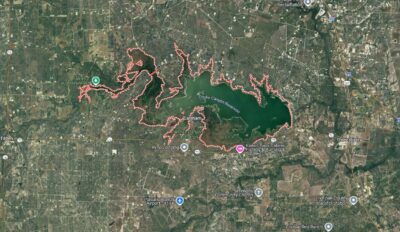
They move downstream into lakes or reservoirs. If you are near the Stillhouse Hollow Reservoir, you can try to make a catch there as the Lampasas River flows into it.
Lures, Baits, and Techniques
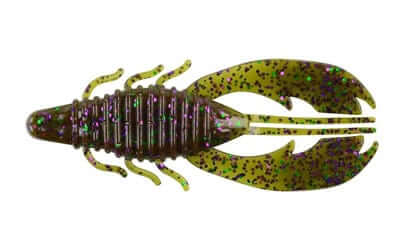
The best method to catching Guadalupe bass is Topwater fishing. Deer-hair bugs, sliders, and poppers baits, as well as crayfish patterns and small crankbaits, have all proved to be effective while fishing the streams.
Guadalupe bass, like all other types of bass fish, become very aggressive during the spawning period. The Buzz bug, spinnerbaits, and Jim Stewart’s Spin-N-Jim are highly effective at provoking the bass, causing it to attack in an attempt to protect its territory.