















Alligator Gar – Common Names
Lepisosteus Platyrhincus – Legal Names
Other Names: Gar, Garfish
Description:
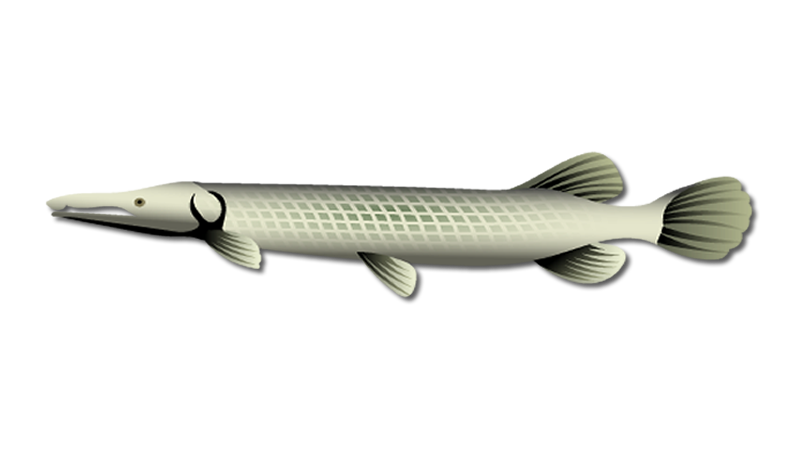
They are one of the most distinctive freshwater fish species. Alligator gars are the largest of all gar species, with a head that looks very much like an alligator’s. They can be distinguished from all other gar species by the two rows of teeth in the upper jaw, their short, broader snout, and their size when fully grown.
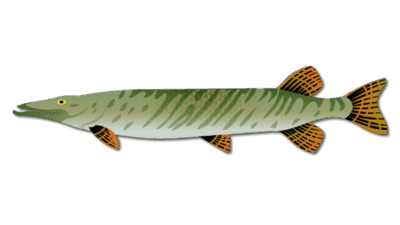
The body is long, slender, and olive-greenish brown in color, sometimes with a blackish tint. Along the upper sides and back, it is mainly darker; the belly is ordinarily white or yellowish. The large black spots toward the rear and sides blend into the head and align with the tail fin. The young Gar has the lighter stripe and the markings that include well-marked spots.
Feeding Habits – They primarily feed on fish but are also known to eat ducks and other waterfowl.
Age and Growth – They are one of the monsters of fresh waters. They can reach lengths of up to 10 feet and weights of more than 200 pounds.
ABOUT ALLIGATOR GAR
Where Do Alligator Gar Live
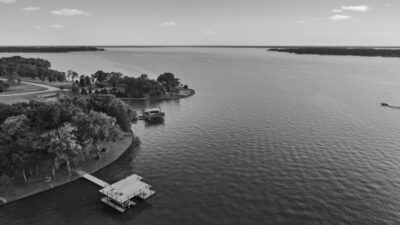
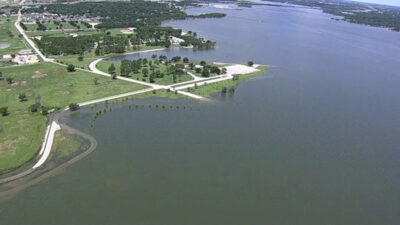
These gars can live and hunt in both fresh and saltwater. They primarily inhabit slower-moving rivers, reservoirs, and brackish waters. Texas is king, followed by Mississippi, Oklahoma, Arkansas, and Florida. Estuaries along the Gulf of Mexico for coastal states are prime locations. They can also be found in saltwater, usually further out. The habitat of alligator gars varies by season. They prefer to reside in coves with no current off main rivers in the winter.
In Spring, they begin a journey to the river’s main channel, frequently returning to the cove. Later in Spring, they will finally start their descent further away from the cove. They could go as far as 250 miles north during these times. For example, in Florida, the Escambia Bay is prime for big gar during this time of year, but it also extends as far north as Alabama. Each state has these migration locations; you just need to find them and get the time correct.
How Big Can Big Gar Get
Alligator gars are one of the biggest freshwater fish in North America. The females are larger than the males. The biggest alligator gars weigh up to 350 pounds and grow up to 10 feet long. However, the average adults are 4 to 6 feet in length and weighs 100 to 160 pounds.
Alligator Gar Teeth
Gars have relatively short, broad snouts with two rows of sharp teeth in the upper jaw; other gars only have one row of teeth. Alligator gars have about 80 teeth in total. Their teeth get replaced by new ones as they wear down. On average, an alligator gar replaces 2,000 to 3,000 teeth in its lifetime. They use their fang-like teeth to pierce and hold prey.
BIG GAR HABITS
What do Alligator Gar Eat
Alligator Gar are stalking, ambush predators that eat mostly fish, along with birds, turtles, and other small mammals that float on the surface.
These gars are large and carnivorous, but spend most of their time being passive and solitary. Alligator gar are not known to be aggressive towards humans.
Alligator Gar Spawning
Alligator gar are slow maturing; they are about ten years old before they start to spawn. Spawning time occurs from April to June, when water temperatures exceed 70 degrees Fahrenheit. Shallow, heavily vegetated areas are ideal locations for all gar spawns. During this time, gars typically congregate in large quantities. The females often spawn with several males at once. It takes only a couple of days for the eggs to hatch.
Alligator Gar Fishing
What to Use to Catch Alligator Gar
It’s possible to catch alligator gar on pretty much any setup. Alligator gars have been caught using live bait, cut bait, artificial lures, and flies.
Bait commonly used for alligator gar is carp, gizzard shad, smallmouth buffalo, and mullet. To decide which bait to use, it’s best to choose the one most common in the area you are fishing. For rivers and lakes, gizzard shad and carp are typically the best options.
One popular setup is common Grass carp fish as bait on a 5/0 or bigger hook, with an opening wide enough to enclose the bottom jaw. A braided solid line is used to fasten the hook to a steel leader. The Gar typically picks up bait near the bottom of the water and travels a reasonable distance before stopping to ingest it. A powerful hookset is crucial to penetrate the gar’s mouth after it takes the bait.
When removing the hook from an alligator gar’s mouth, anglers should wear cut-resistant gloves and use pliers. Be mindful of their sharp scales, stay clear of the powerful tail, and never stick your hands in the gar’s mouth.
How to catch Gar
Alligator gar are a challenge to catch due to their sharp teeth, which can easily cut through lines, and their cautious feeding behaviors, especially in adults.
Gars won’t eat anything they can’t swallow. Their teeth are meant for trapping prey, not tearing it into chunks. They commonly hesitate before swallowing the bait, especially if anything feels out of place. They will drop the bait if they sense any resistance.
Alligator Gar World Record
The world record alligator gar measured 8 feet 5 1/8 inches in length, had a 47-inch girth, and weighed 327 pounds. Almost double the weight of the angler who caught it in a net in Mississippi.
The alligator gar all-tackle world record was 279 pounds caught in Texas in 1951.
WHERE CAN YOU FISH FOR BIG GAR
In Texas, you can find big Alligator gar; it’s the best place in the world for trophy alligator gar fishing. If we intend to sustain a sufficient population of large alligator gar for the growing population to enjoy, then we must start with some kind of regulations that benefit us all. Conservation efforts definitely support the success in Texas Alligator Gar fishing is a great way to adventure and explore what this state has to offer! Although Florida does not have Alligator Gar the size of some other states, it does have many very respectful locations. The Alligator Gar is known to inhabit coastal rivers in the Panhandle from Gulf County to Escambia County. However, they have been spotted as far south as Lake Toho and Lake Okeechobee. Alligator gars tend to occupy sluggish pools and backwaters of large lakes, rivers, and bayous. A lligator gar in Oklahoma reaches an enormous 13 feet long and fatten to a plump 300 pounds. It’s a long-lived leviathan with some of the eldest individuals swimming this very moment, having hatched when Apollo 10 navigated around the moon in May of 1969. These giant fish have a growing, almost cult-like following of anglers, and for good reason, to date, still the king of gar. The species Alligator gar is the largest of the four gar species found in Arkansas. The largest individual on record in Arkansas was taken from the White River and measured 8 ft. 2 in. in length and weighed 240lbs. Alligator Gar Limit and Permits. The Arkansas Game and Fish Commission’s mission is to conserve and enhance Arkansas’s fish and wildlife and their habitats while promoting sustainable
MORE SPECIFICS ABOUT GAR
Fun Facts:
- Alligator Gar can eat prey up to 25% of their body length
- The average life span is 35 years, and some individuals have a life span of 50 years
- World-record Alligator gar was over 8 feet long and declared to weigh 327 327-pounds.
- Females can lay eggs, and they hatch within two days.
Records:
- World: 327-pounds, in Mississippi
- All tackle record is in Texas in 1951: 279-pounds
- Florida: 132 pounds, caught in Yellow River in 2011
- Arkansas: 240-pounds, caught in the White river in 2004
Fishing Techniques:
- Light Tackle
- Heavy Tackle
- Live bait
- Fly Fishing
- Artificial Lures
- Night fishing
Fishing Equipment:
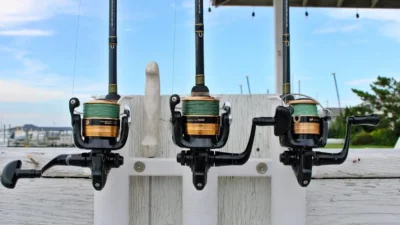
- Spinning Rods
- Baitcasting Rods
- Left & Right Handed
- Fly Rods (request only)
- Braid & Mono Line