
Best Seller
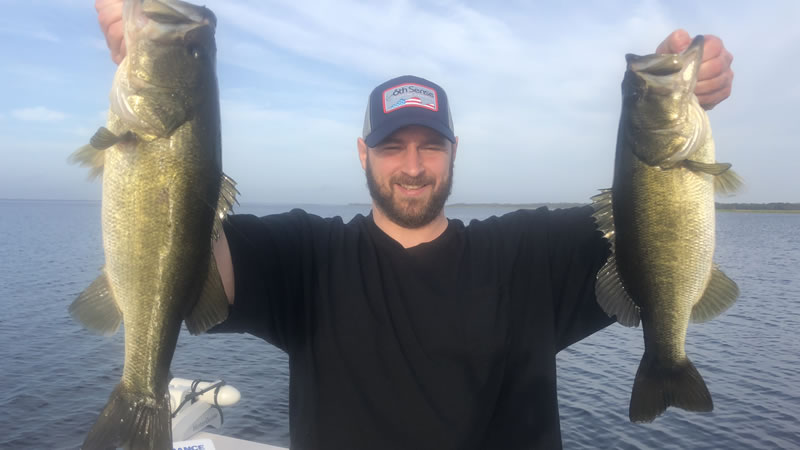
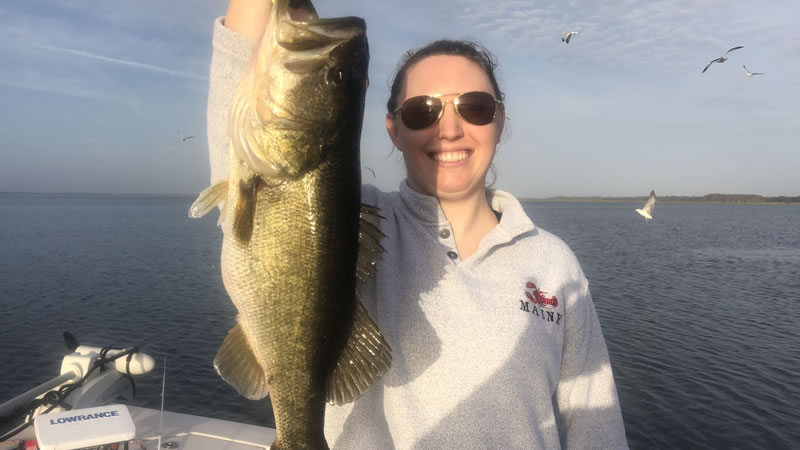
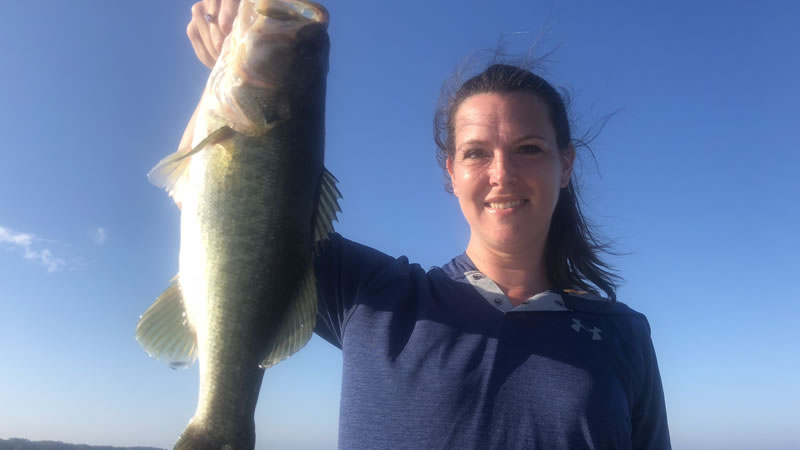
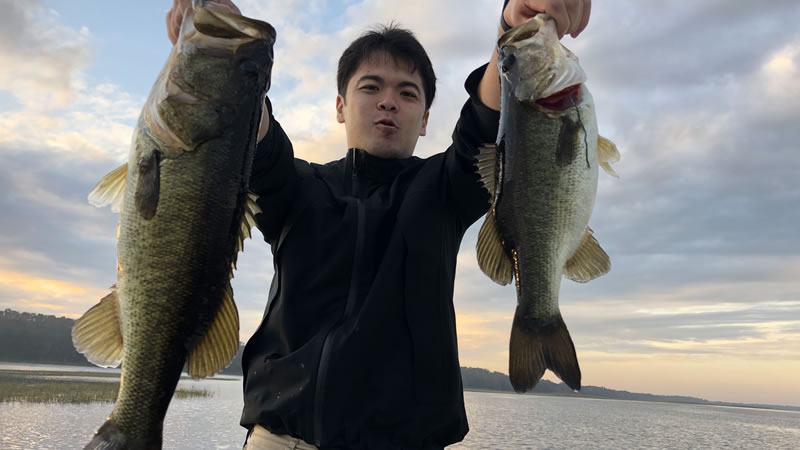
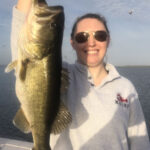
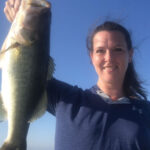
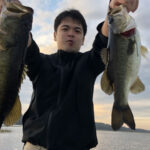
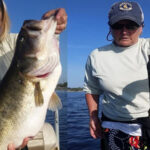
Verified upcoming fishing trips are available for Lake Tohopekaliga. View the available trip option below.
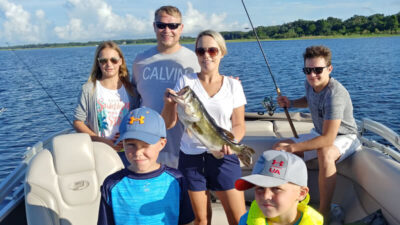
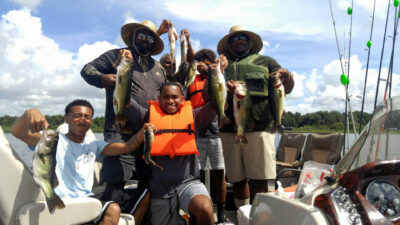
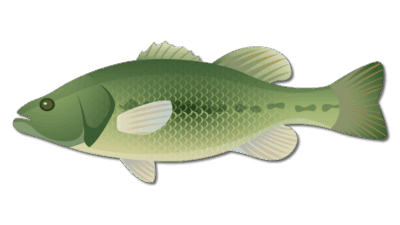
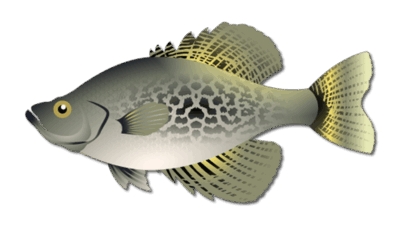
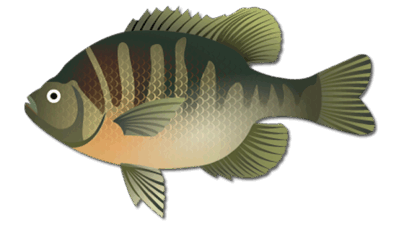
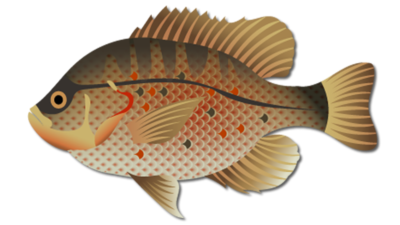
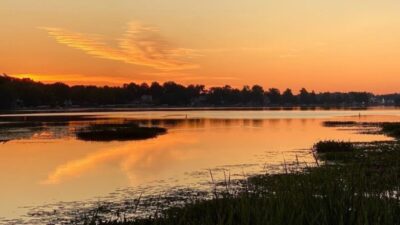
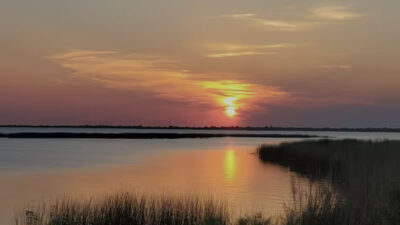
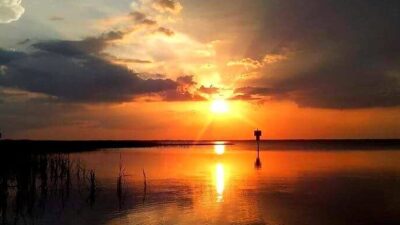

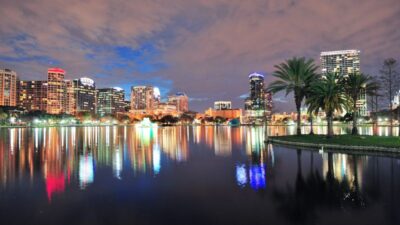
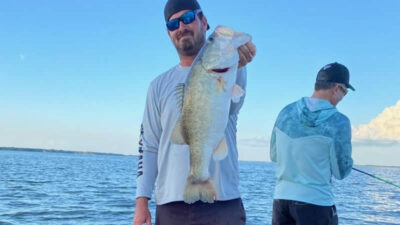
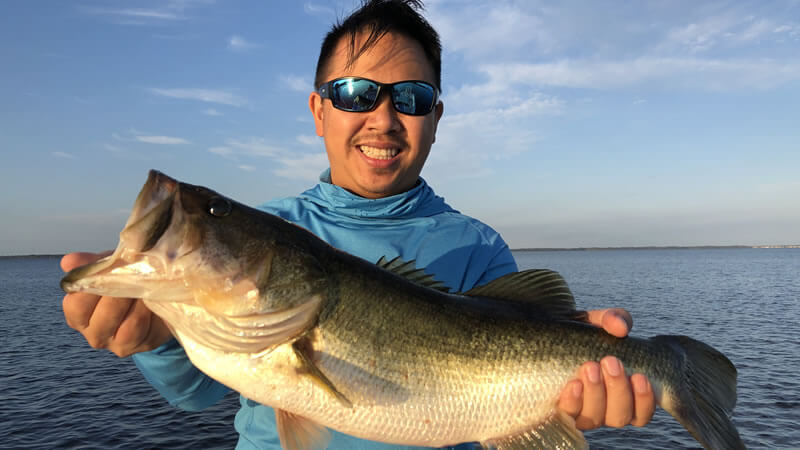
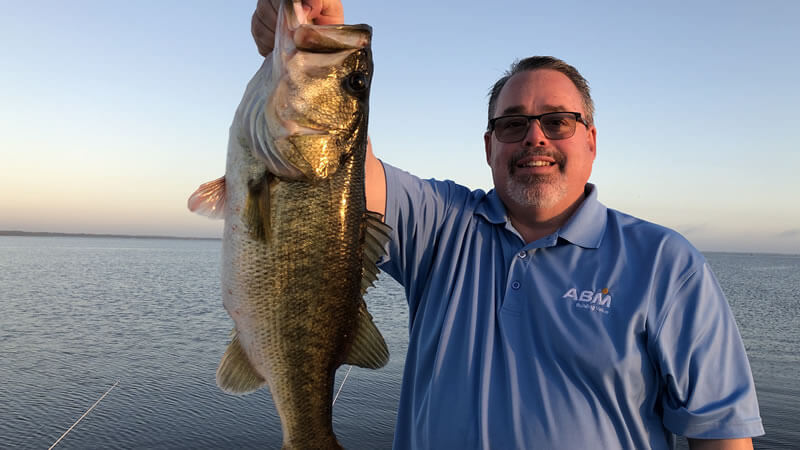
Welcome to West Lake Tohopekaliga, known to the locals as Lake Toho, a 22,700-acre lake in the City of Kissimmee. Lake Toho is named after the Seminole Indians, who lived nearby, meaning “we will gather together here.” Lake Tohopekaliga is one of the most famous trophy bass fishing lakes in the entire country, offering spectacular views of redear sunfish, as well as opportunities for birdwatching and wildlife sightseeing.
Introduce Lake Tohopekaliga Park at the lake’s north shore. It offers walking trails, barbeques or grills, pavilions, restrooms, covered picnic areas, a splash pad and playground for children, a fishing pier, a miniature lighthouse, picnic pavilions, and extremely lovely vessel ramps and docks, and Big Toho Marona, all well maintained by the City of Kissimmee with low fishing pressure for its size.
Named and recognized as “The lakefront park,” it has a scenic walking trail. While sitting on park benches, guests can observe a variety of wildlife, including alligators, waterfowl, otters, sunfish, and turtles. The Lake Toho bass population of Florida-strain largemouth bass is the draw for most visitors, as it is the most consistent lake in Orlando, Osceola County.
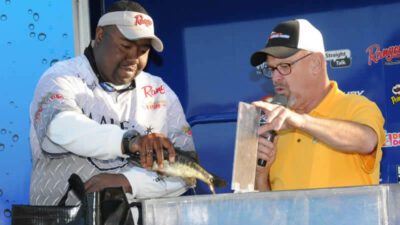
In 2004, Elite Pro Dean Rojas set the Bassmaster record for the heaviest five-bass limit ever caught, right on West Lake Toho. Trophy fishing limit, totaling 45 pounds and two ounces of Florida fish, the Lake Tohopekaliga five fish set a new high that remains unmatched today in professional bass fishing competitions.
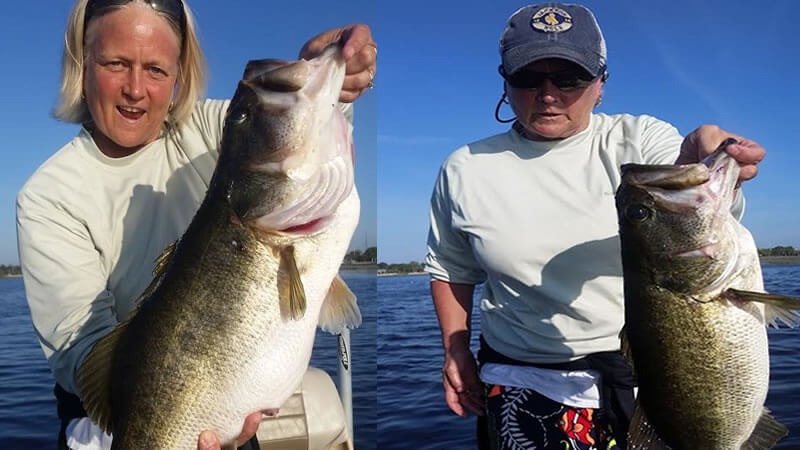
A local angler set the unofficial Osceola County Lake Toho bass fishing record for the biggest Toho bass. His big bass tipped the scales just over 16 pounds. The leading woman angler weighed 14 pounds and five ounces of bass on Lake Toho. Maybe the most impressive is Bass Online fishing guide Capt John Leech, who holds the record for the most 10lb largemouth trophy bass caught on Lake Toho and has been featured 11 times in BassMaster Magazine for his outstanding catches.
The prices are based on the trip length and the number of people going. Click the “Instant Book” button below, then select the trip length, adjust the number of people going, and choose the date. The system will then show all current pricing and available slots.
If you wish to proceed, click the preferred time slot and continue the deposit process. The captain will contact you by phone before the trip to review all the details.
Pricing starts at $230
Lake Toho is like most Florida lakes, consisting of shallow grass flats, natural bullrush, maidencane, and hydrilla that help to entrench the most significant part of the lake. The local population of wildlife, baitfish, and Lake Toho bass depends on it. In addition to local vegetation, the bottom of Toho was improved by allowing extreme drawdowns to the lake’s water level. The St Cloud Canal comes from East Lake Toho and is the main water source feed.
Florida Wildlife Commission biologists have placed fish attractors in a designated area to benefit wildlife and fish. To view a map of Big Toho Marina with coordinates, click the FWC website.
Anglers targeting giant bass fishing for largemouth bass may want to focus their time on the water around the mouth of Shingle Creek, as well as enhanced shorelines east and west of South Port Park, Lanier Point, Goblets Cove, and Browns Point. Offshore hydrilla patches near channel marker 24, Big Grassy Island, and Goblets Cove will also hold many bass on artificial lures or shiners.
Additionally, anglers who find moving water associated with rainfall-runoff should give these areas a cast or two. Both live and artificial baits in the abovementioned areas were utilized very effectively. Golden shiners are the live bait of choice by most anglers, although spinner-baits (white, white/Chartreuse or yellow skirted), lip-less crank-baits (chrome or shad colored), and plastic worms (black, black grape, black/blue, and June bug colored) will account for a fair share of the catches.
You should always factor in weather conditions, as the time of day and weather can significantly impact your fishing success. Most of the bass population likes to spawn in February and March. After being shallow during the spawning period, they move away from shallow areas and into the hydrilla and Kissimmee grass throughout the lake. Excellent summer fishing spots include Big Grassy, Lanier Point, and Browns Point. The lake’s northern shoreline has tall grasses, often concealing large bass populations ready to bite topwater baits.
Historic rough-wind shiner-drift field note: One older Lake Toho report found most of the fish by drifting and dragging live shiners behind the boat during very rough wind. The durable lesson is that when wind makes stationary presentations difficult, controlled shiner drifts can keep bait moving through productive offshore water instead of forcing anglers to abandon the area.
Historic artificial-grass field note: One older Lake Toho report produced about 25 bass by working Carolina rigs and Texas rigs along the outside edge of hydrilla, while flukes also produced in shallower water around schooling fish. The durable lesson is to use outside hydrilla as a primary artificial-lure lane, then adjust between bottom-contact rigs and shallow fluke presentations as fish position changes.
Historic late-October guide field note: One older Lake Toho trip produced about 35 bass, including 9- and 7-pound-class fish. Four dozen shiners were used before 9 a.m., and the bite continued after switching to artificial lures. The durable lesson is that a strong late-October bite can support both live-bait and artificial presentations, so running out of shiners does not necessarily mean the productive window is over.
Historic late-November guide field note: One older Lake Toho report recorded a strong November 20 shiner bite with roughly 25 bass landed, including fish up to about 6 1/2 pounds. The durable lesson is that live shiners can remain highly productive for both numbers and quality fish in late fall before colder winter patterns fully settle in.
Historic winter warming-trend guide field note: One late-January Lake Toho report found water temperatures still in the low 50s, yet golden shiners produced a strong morning with an 8-pound-class bass and another fish over 6 pounds as conditions began to warm. The durable lesson is that low-50s water does not automatically shut down the trophy bite; a warming trend paired with live shiners can still keep larger females active.
If crappie fishing is your thing, get your fishing boat and hit Canoe Creek in Lake Cypree or the Southport Canal. Primetime on Lake Toho is February for crappie; Missouri minnows are best, but long-lining white, green, and yellow jigs around Marker 29. The jigs and minnows can be purchased at any website or fish camps around the lake.
Typically, you will find spawning activity by bluegill, sunfish, and pickerel from May to June in full force in Lake Toho. Anglers targeting sunfish or bluegill should schedule time on the water around the new and complete moon phases and concentrate their efforts on fishing areas with sandy bottoms associated with vegetation. Brown’s Point and North Steer Beach are two lake areas that have been developed over the years.
Live bait (crickets and red wigglers) will be the bait of choice by many bluegill anglers, but small artificial jigs (tube lure or curly-tailed) or beetle spins (white or yellow-colored) will also account for some good stringers of fish, even on places like Lake Jesup.
Experience the beautiful Kissimmee Chain of lakes and all of Central Florida, including Lake Toho, Lake Cypress, East Lake Tohopekaliga, and Lake Kissimmee. These water bodies are all part of the Central Florida Chain of Lakes that provide the perfect opportunity for you to experience Orlando, Florida, fishing.
Our Lake Toho guide staff cordially invites you to experience possibly the best bass fishing you will ever encounter. Fishing Lake Tohopekaliga, one of Florida’s most famous big bass lakes, and enjoying one of Florida’s most precious natural resources, all while catching big bass.
We’re proud to be the leader in Kissimmee bass fishing guide services in Central Florida. We hope if you’re searching for the excitement of getting outdoors and fishing while visiting Orlando, you will consider us as the best option after exploring our website and all the great information and pictures.
Visit a local list of great Lake Toho Fishing Guides, please click link!
Your Lake Toho Bass Fishing Trip
We have only U.S. Coast Guard-licensed Kissimmee bass fishing guides, and we maintain a high safety standard to ensure you have a relaxing day while fishing with us. One thing that remains constant in Florida is the abundance of opportunities to catch big bass and the chance to see exotic plants and observe native Florida wildlife. Book your fishing charter above if you’re seeking that once-in-a-lifetime fishing trip or want to experience more of what Florida’s beautiful fishing lakes offer.
We offer the widest variety of fishing charters and vacation packages specifically for Central Florida and Lake Toho at competitive pricing and custom-designed for your needs. Remember you are getting the area’s best Lake Toho guide, unlike Big Toho Marina!
We genuinely hope that our list of clientele, accomplishments, and overall experience will help make choosing us your next sunfish, chain pickerel, catfish, or largemouth bass experience while in Orlando bass fishing. Thanks for reading and visiting!
Chain of Lakes has several boat ramps and fish camps available around Lake Toho, with the newest being the ramps at Kissimmee Lakefront Park via the website.
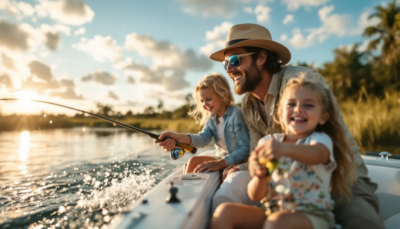
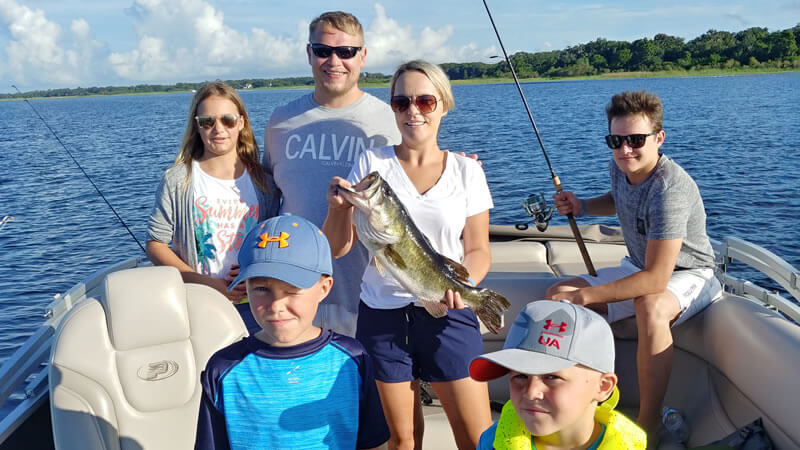
Lake Tohopekaliga isn’t just for serious anglers! It’s a fantastic destination for families seeking outdoor adventure and quality time together. Here’s why:
Kid-Friendly Activities:
Lake Tohopekaliga Park: This park is a haven for kids, featuring:
Kid-Friendly Fishing Spots:
Lake Tohopekaliga offers an excellent opportunity to create lasting family memories. By prioritizing safety and choosing activities that cater to everyone’s interests, you can ensure a fun experience for the whole family..
Final Comments
If you’re looking for a peaceful nature getaway with something for everyone, Lake Tohopekaliga Kissimmee is a great place. The local area’s easygoing, laid-back atmosphere will help you relax, whether enjoying a family getaway or engaging in one of the water activities.
You will make those extraordinary memories by trying your luck at fishing and thoroughly enjoying nature. Lake Toho is 20 minutes from Disney World and only 25 minutes from Orlando and the famous miniature lighthouse. Men, Women, children, your best friend, or business client will all enjoy a Florida strain largemouth bass trip to this beautiful destination near Shingle Creek!
n
One older Lake Toho guide report found baitfish pushed onto windy main-lake points with hydrilla nearby. Chatterbaits, Zoom trick worms and Senko-style stick baits all produced fish once the productive points were located. The durable lesson is to use wind direction as a clue, then work nearby grass with both moving and slower soft-plastic presentations.
Another summer Lake Toho trip found schooling largemouth active around visible surface activity. Topwater buzzbaits and lipless crankbaits produced fish when cast through the schools. The durable lesson is to watch for bait and surface breaks, then use moving baits that can quickly cover the active zone.
n
One post-Thanksgiving Lake Toho guide report found bass around submerged sparse hydrilla, where swim jigs, Carolina rigs and Senko-style stick baits all produced. Later, as the sun dropped, the anglers found schooling fish and the action accelerated. The durable lesson is to work scattered grass with both moving and bottom-contact presentations, then watch for an evening schooling window as light levels fall.
One older Lake Toho summer report found that rainy-season water-management changes and lower water levels concentrated bass into more defined areas. Shad-colored spinnerbaits and Zoom speed worms caught schooling fish, while live shiners worked along hydrilla edges. The durable lesson is to watch changing water levels as a positioning clue, then use visible schooling activity and nearby grass to narrow the productive zone.
One older Lake Toho guide trip found a strong early-morning bite even after a cold front. Wild golden shiners produced first, and after the live-bait supply was exhausted, spinnerbaits, Senko-style baits and Zoom speed worms continued to catch fish. The durable lesson is to treat a cold-front morning as a presentation adjustment rather than assuming the bite is finished.
Another Lake Toho guide sequence found artificial lures productive early around grass before the bite shifted toward wild shiners later in the morning. Speed worms and shad-profile soft plastics were among the useful artificial choices. The durable lesson is to let the fish dictate when to switch between active lure presentations and live bait instead of committing to only one method all day.
One late-summer Lake Toho report found bass over submerged hydrilla on the main lake. Flukes, Senko-style baits, worms, speed worms and lipless crankbaits produced alongside wild shiners. The durable lesson is to use healthy submerged grass as the location clue first, then rotate presentations until the most productive depth and speed become clear.
n
n
One older Lake Toho summer trip produced fish after the anglers switched from a few leftover shiners to a topwater Steel Shad-style bait. The durable lesson is that an active summer surface bite can reward a fast transition from live bait to a shad-profile topwater presentation when bass are visibly feeding.
n
n
One older Lake Toho trip produced a 9.3-pound largemouth while focusing on reed points in roughly 5 feet of water. The durable lesson is that shallow reed points can still hold trophy-class fish when bait and conditions line up, especially around productive transition edges.
n
n
One older Lake Toho report found schooling fish early, then additional pre-spawn bass around shallow mats. Wild shiners produced alongside artificial lures. The durable lesson is to use early schooling activity as a starting clue, then check nearby shallow vegetation as fish stage toward spawning areas.
n
n
One older cold-weather Lake Toho trip used trolled shiners for steady action, then moved into a protected cove when wind increased. A free-lined shiner in the sheltered water produced another quality bite. The durable lesson is to use protected coves as a wind-management option rather than ending the trip when exposed water deteriorates.
n
n
One older Lake Toho panfish trip found the crappie bite slow under heavy fog, while bluegill and copperhead bream responded to small horsehead-style jigs with soft-plastic trailers. The durable lesson is to downsize and target mixed panfish when crappie are inactive.
n
n
One older Lake Toho spawning trip found bedding bass in deeper water under windy conditions. A Senko-style soft plastic pitched to visible beds produced fish, polarized glasses were important for spotting targets, and shiners became a fallback as conditions worsened. The durable lesson is that wind, depth and visibility should dictate whether to continue sight-fishing or switch presentations.
n
n
One older two-day Lake Toho trip produced roughly 40 bass on the first day and about 20 on the second, while three generations of the same family each set personal-best largemouths. The durable lesson is that even consecutive days on the same lake can fish very differently, so expectations and presentations should adjust to the conditions rather than yesterday’s numbers.
n
n
One older Lake Toho guide trip found quality bass on the outside edge of grass in slightly deeper water, including fish around 8 pounds and 7 pounds. The durable lesson is to check the deeper outside vegetation edge when trophy fish are not holding shallow.
n
n
One older Lake Toho trip emphasized tackle control in strong wind: a longer, durable rod helped manage presentation and a faster-retrieve reel helped recover wind-created slack line. The durable lesson is to match tackle and line control to the wind so hook-setting and bait contact do not deteriorate.
n
n
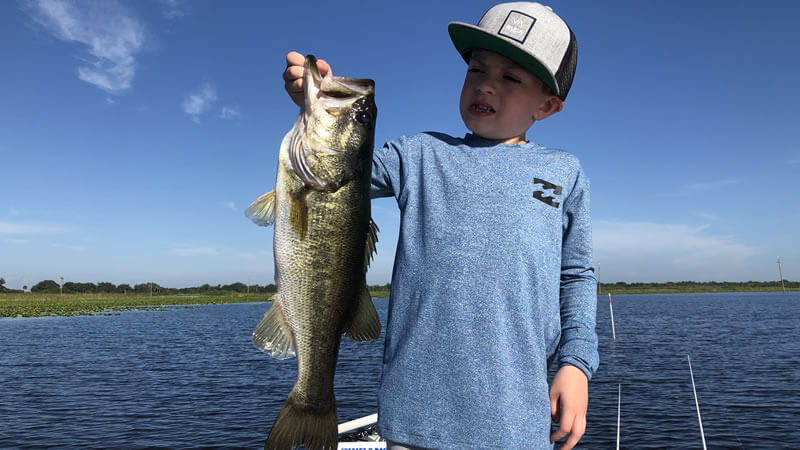
One older Lake Toho family trip produced about 25 bass, with the young angler landing an 8-pound, 8-ounce largemouth. The durable lesson is that family-oriented guide trips can still overlap with genuine trophy opportunities on Lake Toho.
n
n
Several older Lake Toho guide trips documented trophy-class largemouths around floating vegetation mats. Wild shiners allowed to swim beneath or tight to the mats produced fish including a 9-pound, 10-ounce bass and an 8-pound, 10-ounce bass, while free-lined or corked shiners around mat edges also produced steady action. The durable lesson is to treat floating mats as overhead cover and work live bait naturally along and beneath the edge rather than only fishing open water.
n
n
One older Lake Toho business-trip report found bass along open-water grass edges, where artificial baits worked around the vegetation transition produced the pattern. The durable lesson is to use the outside grass line as an ambush edge and keep moving presentations close to the vegetation without burying them in it.
n
n
One older Lake Toho summer trip found muddy water after heavy rain, and the better bass action came after relocating to cleaner water. The durable lesson is to compare water clarity after storms and search for cleaner adjacent water rather than assuming the whole lake will fish the same.
n
n
One older summer Lake Toho trip produced bass by placing a curly-tail worm on scattered hydrilla, letting it rest on top of the grass, and then twitching it slowly. The durable lesson is to slow the presentation in summer heat and keep soft plastics in contact with productive vegetation longer before moving them.
A historical Lake Toho trip documented an early live-shiner bite followed by schooling largemouth later in the morning. Pearl-white Zoom Super Flukes and a shad-colored Pointer 100-style jerkbait produced fish when bass began schooling, showing the value of switching to shad-profile artificials once surface activity appears.
A historical Lake Toho trip during below-normal water temperatures still produced roughly 30 largemouth bass on artificial Bass Assassin-style swimbaits, showing that a cold snap does not automatically eliminate an artificial swimbait bite.
A historical Lake Toho trip added fish by blind-casting a small beaver-style soft plastic to spawning beds where bass were holding. The pattern was used alongside live shiners and other artificials rather than as a sight-fishing-only approach.
A historical Lake Toho trip during a strengthening front and heavy wind produced by flipping vegetation mats and then tucking into a more protected area. The bite improved further when sunlight increased, reinforcing the value of adjusting both presentation and location as conditions change.
A historical Lake Toho trip documented an unusually strong quality bite: roughly 25 largemouth in the 4–5 pound class, an estimated 100 pounds of bass overall, and a largest fish around 6 pounds. This is preserved as historical field evidence, not a current-conditions forecast.
An older Lake Toho trip documented bass staging on hydrilla edges close to deeper water around the full-moon/pre-spawn period. Slower presentations with a Zoom Super Fluke, Senko-style bait, and a Reaction Innovations Sweet Beaver produced the better fish. Treat this as a historical pattern rather than a current-condition report.
A historical Lake Toho guest account recorded a double-digit largemouth caught late in the trip on a nearly spent wild shiner worked around vegetation. The lesson was simple: even after artificial-bait efforts and a slowing bite, a carefully presented live shiner near productive cover could still trigger the fish of a lifetime. Treat this as historical field evidence, not a current-condition report.
An older Lake Toho group trip documented productive artificial fishing around hydrilla and pencil reeds with a Zoom Super Fluke, speed worm, Rattle Trap, and Junebug Senko-style presentation. Treat this as historical field evidence rather than a current-condition report.
A historical March Lake Toho trip produced two largemouth bass in the roughly 7-pound class while fishing wild shiners over submerged hydrilla lines. The durable lesson is the combination of submerged vegetation, live bait, and pre-spawn trophy timing. Treat this as historical field evidence rather than a current-condition report.
A historical summer Lake Toho trip during the wet season produced an 8.5-pound largemouth on an eight-hour outing. The field report noted that intermittent rain and a break from prolonged sun coincided with improved activity. This is a historical observation, not a current-condition or catch guarantee.
On a historical Lake Toho trip with sporadic rain and changing conditions, anglers first caught largemouth by flipping heavy cover with artificial baits, then switched to live bait to add more quality fish when the artificial bite became difficult.
A historical late-summer Lake Toho trip found bass on main-lake submerged hydrilla in roughly 4 to 5 feet of water. Rattle-trap-style baits and swim jigs produced fish around that vegetation.
A historical Lake Toho trip under calm, cloudy conditions produced bass around sparse submerged grass using Senko-style plastics, Zoom Trick Worms, and Super Flukes before the group switched to live bait.
A historical Lake Toho trip produced about 50 largemouth bass while using roughly seven dozen wild shiners. The standout fish was a reported 9.14-pound personal-best largemouth, with fish found in both shallow and deeper areas under partly cloudy conditions.
On a historical split-day Lake Toho trip, an east wind around 10–15 mph changed the afternoon conditions. The group relocated to a tucked-away protected area and continued catching fish, illustrating the value of using wind protection and repositioning rather than abandoning the bite.
| Species | Jan | Feb | Mar | Apr | May | Jun | Jul | Aug | Sep | Oct | Nov | Dec |
|---|---|---|---|---|---|---|---|---|---|---|---|---|
| Largemouth Bass | 🔥 Hot | 🔥 Hot | 🔥 Hot | 🔥 Hot | 🔥 Hot | 🔥 Hot | ✅ Good | ✅ Good | ✅ Good | ✅ Good | ✅ Good | 🔥 Hot |