
Lake Toho fishing in January is one of the best seasonal opportunities to target Florida largemouth bass around Kissimmee. Cooler water, approaching spawning waves, changing wind and frequent weather fronts can move fish between shallow grass and nearby offshore structure in a matter of days.
This page is an evergreen January planning guide. For what the bass are doing right now, use the latest Lake Toho fishing reports. For the full lake overview, ramps, habitat and year-round tactics, visit our Lake Toho fishing guide.
What Is Lake Toho Fishing Like in January?
January is a transition month on Lake Toho. Some bass may already be moving toward spawning areas, while other fish remain staged around hydrilla, grass edges and slightly deeper structure. A warming trend can pull fish shallower quickly. A cold front can reverse that movement and push bass back toward deeper grass, open-water edges or offshore structure.
That movement is why January rewards anglers who stay flexible. Do not assume every fish should be shallow just because spawning season is approaching. Start with the best seasonal habitat, then let weather, water level, bait activity and the first few bites tell you whether to move shallower or deeper.
Best January Areas to Fish on Lake Toho
Sparse Hydrilla and Open-Water Grass
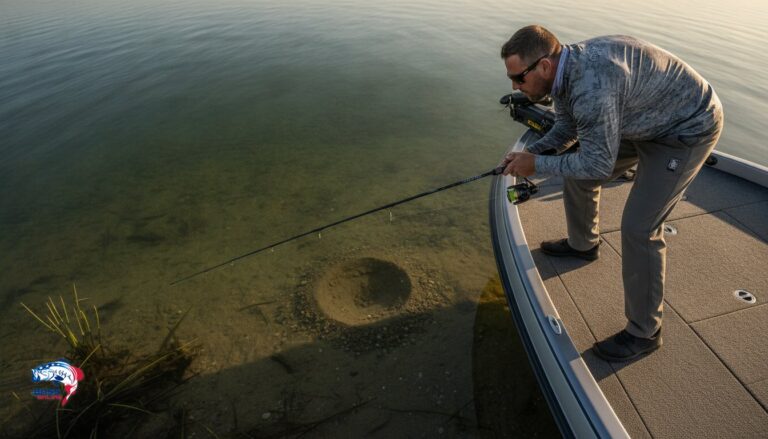
Historic January guide trips on Lake Toho repeatedly found productive fish around sparse hydrilla in shallow and open water. Grass gives bass both cover and access to baitfish, while isolated pockets, points and edges create natural feeding lanes.
Wind can make these areas even better. When a steady breeze pushes bait into a grass pocket, point or corner, bass often position where they can ambush forage moving with the water.
Shallow Spawning and Staging Areas
As conditions stabilize, largemouth bass begin using shallower spawning habitat. Moon phase, water temperature, weather stability and the condition of the grass all influence when individual waves of fish move up. January is therefore better viewed as a pre-spawn-to-spawn transition rather than a month when every bass follows one pattern.
When larger females move shallow, handle them carefully and release them quickly. Lake Toho’s trophy fish are a major reason anglers travel to Central Florida, and responsible catch-and-release helps protect that fishery.
Offshore Water After a Cold Front
Historic late-January field note: one older Lake Toho guide trip found the normal shallow bite had weakened after changing conditions. The guide moved offshore and located bass in roughly 10 to 12 feet of water, producing fish up to about 5 pounds. The durable lesson is simple: when January bass disappear from the shallows, do not assume they stopped feeding. Check nearby deeper structure and grass before abandoning the area.
Best Baits for Lake Toho in January
Wild Golden Shiners
Wild-caught golden shiners are a dependable January option when the goal is both numbers and trophy potential. Historical Lake Toho trips produced strong action by presenting shiners around grass edges, sparse hydrilla and areas where bass were staging before moving shallow.
Wind matters with live bait. A controlled drift or carefully positioned shiner can cover productive grass while still keeping the bait in the strike zone.
Soft Plastics
Flukes, speed worms and Senko-style stick baits give anglers several ways to work grass without forcing one presentation. A fluke can cover active fish higher in the water column, while a worm or stick bait can be slowed down when a front makes bass less aggressive.
Moving Baits
Spinnerbaits and other moving presentations can be productive when wind or active baitfish creates a reaction bite. The key is not simply retrieving faster; it is putting the bait through the grass edge, point, pocket or schooling zone where fish are already positioned.
How January Weather Changes the Bite
Lake Toho can fish very differently before and after a winter front. Stable or warming conditions may bring bass toward shallow grass and spawning areas. Strong wind, rapid cooling or a sharp weather change can pull fish away from the bank and make the bite feel much slower.
One of the most useful January habits is to treat depth as an adjustable variable. If the shallow bite disappears, work outward through the same general area: shallow cover, the outside grass edge, nearby open water and then deeper structure. That progression is more efficient than randomly running to a different part of the lake.
January Trophy Bass Strategy
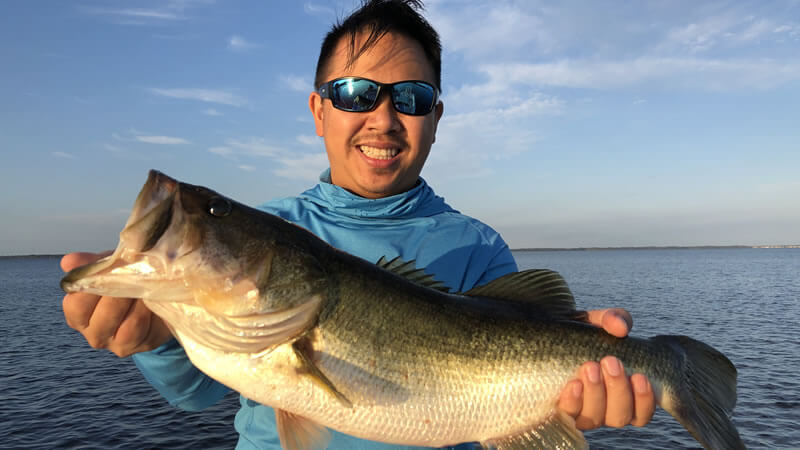
January sits inside one of Lake Toho’s most important trophy-bass windows. Large females are feeding, staging and preparing for spawning opportunities as conditions line up. That does not guarantee a double-digit fish on every trip, but it does make January a logical month for anglers whose priority is a personal-best largemouth.
For a deeper year-round trophy strategy, including seasonal locations, bait selection and big-fish tactics, continue with our Lake Toho trophy bass fishing guide.
Live Bait or Artificial Lures in January?
Both can work, and the best choice depends on the goal of the trip. Live shiners are excellent when the priority is maximizing opportunities around known fish-holding grass. Artificial lures are better for anglers who want to actively search, learn seasonal patterns and adjust presentations throughout the day.
A productive January plan can also use both. Search or learn the structure with artificial baits, then slow down with live bait in the highest-confidence areas—or start with shiners to locate fish and switch to artificials once the pattern becomes clear.
Planning a January Lake Toho Trip
Lake Toho is in Kissimmee, close to Orlando’s major attractions, which makes a half-day or full-day fishing trip easy to add to a Central Florida vacation. January mornings can feel much cooler on the water than visitors expect, so dress in layers and be prepared for wind even when the afternoon forecast is comfortable.
If you want local help choosing the right area and presentation for the day’s conditions, compare current Lake Toho fishing guides. Travelers staying nearby can also explore our Kissimmee fishing page.
January Lake Toho Fishing FAQs
Is January a good month to fish Lake Toho?
Yes. January can combine strong pre-spawn and spawning opportunities with excellent trophy potential. Weather fronts can move fish quickly, so anglers should be prepared to adjust between shallow grass and nearby deeper structure.
What is the best bait for Lake Toho in January?
Wild golden shiners are a proven live-bait option. Flukes, speed worms, Senko-style baits and moving lures can also produce when matched to the fish’s position around grass and open-water edges.
Where should I fish after a January cold front?
Start by moving outward from the shallow areas that were productive before the front. Check outside grass lines, open-water edges and nearby offshore structure. Historic guide observations have found late-January bass as deep as roughly 10 to 12 feet when the shallow bite faded.
Are Lake Toho bass spawning in January?
Some fish can be moving into spawning patterns during January, while others remain in pre-spawn staging areas. The timing changes with weather, water temperature, moon phase and habitat conditions.
Where can I find the current Lake Toho fishing report?
Use the Lake Toho Fishing Reports hub for the newest conditions and guide updates. This January page is designed for recurring seasonal patterns rather than today’s bite.