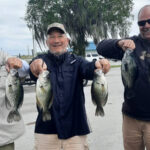
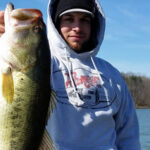
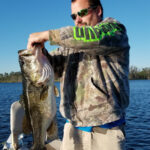
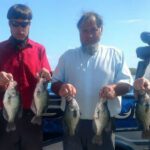
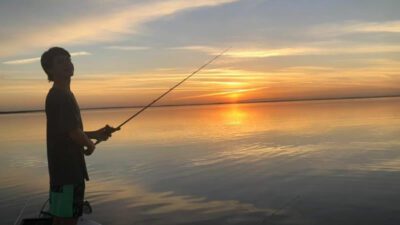
- Lavon Lake is a popular fishing destination located in Collin County, Texas, offering a peaceful natural setting for outdoor recreation and excellent habitat for several species, including largemouth bass, white bass, channel catfish, and crappie. Lavon Lake is located in Collin County northeast of Dallas and 4 miles northeast of Wylie, off Texas Highway 78.
- The lake has a surface area of 21,400 acres and a maximum depth of 59 feet, with moderate water fluctuation and normal moderate greenish clarity, making it an ideal spot for anglers of all skill levels.
- Anglers can enjoy recreational angling for various species, including bass, catfish, and crappie, with peaks occurring in different seasons, such as winter fishing for crappie and early summer for channel catfish.
- The lake’s aquatic vegetation, standing timber, and rip-rap provide excellent habitat for most species found in Lavon Lake, supporting the lake’s biodiversity. Anglers can use various baits, including minnows, shrimp, and stink bait, to attract fish.
- It’s essential for anglers to follow strict zebra mussel prevention rules, including cleaning, draining, and drying their boats and gear, to protect the lake’s ecosystem.
Fish Species in Lavon Lake
Lavon Lake has fish. Lots of them. Texas anglers go there. Bass, catfish, whatever you want.
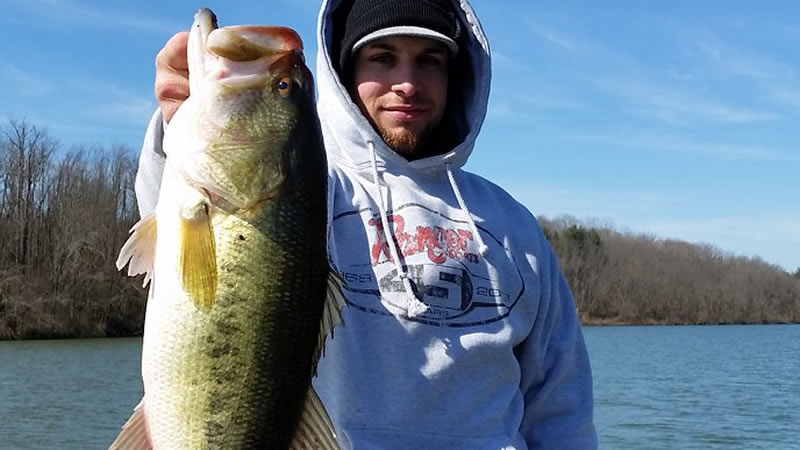
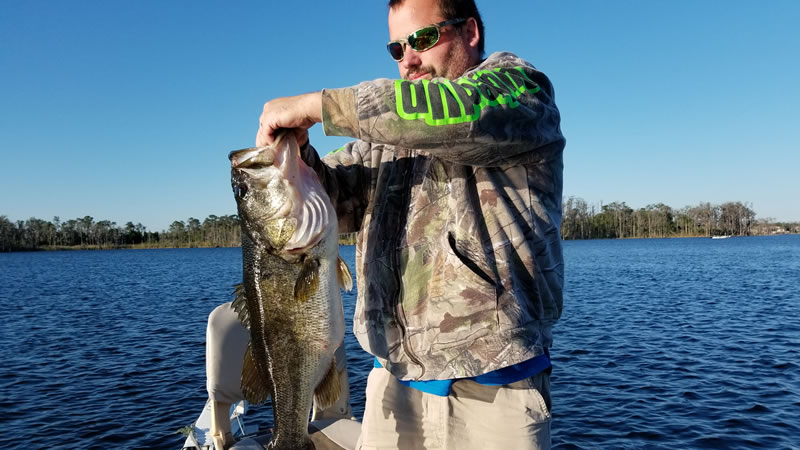
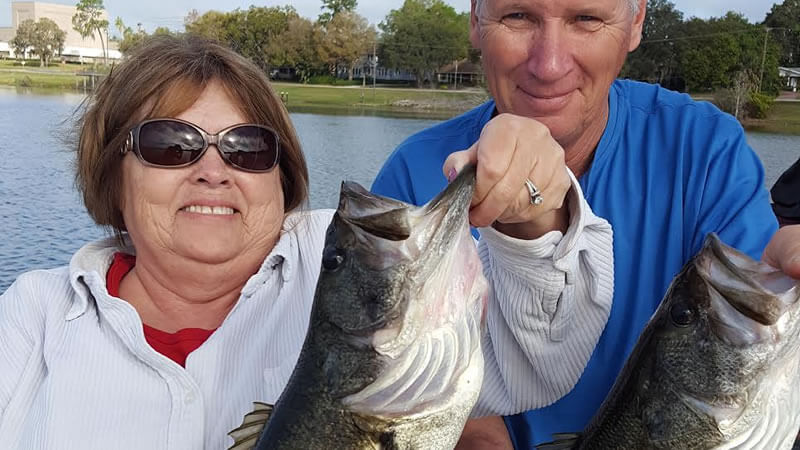
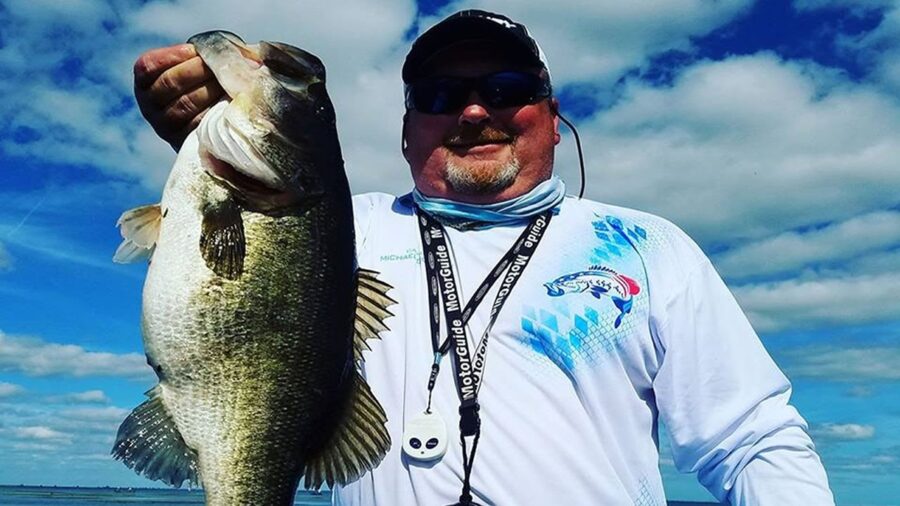
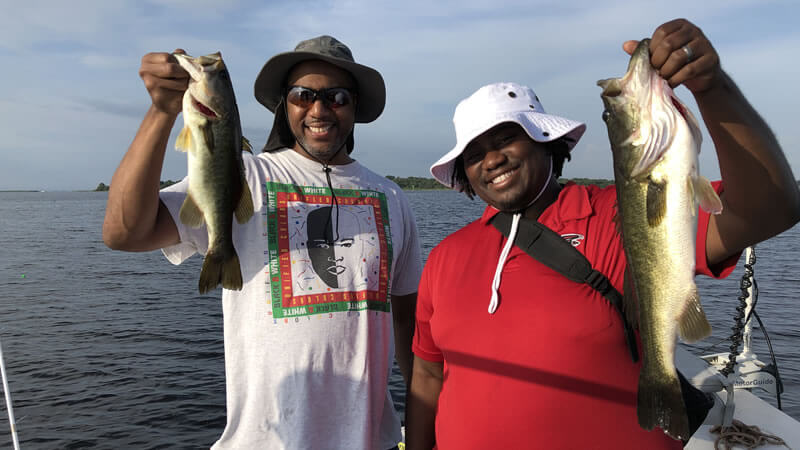
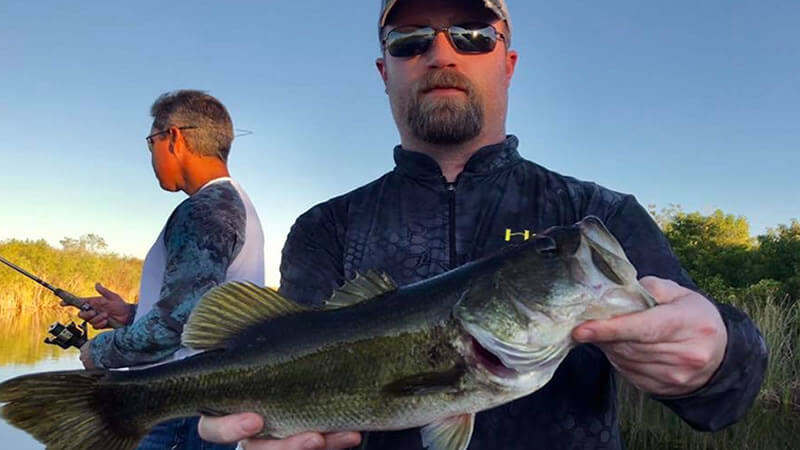
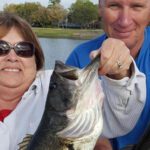
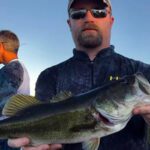
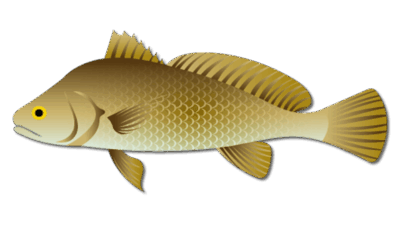
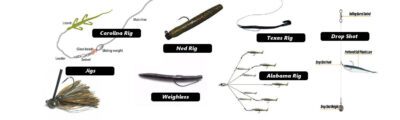
Largemouth bass live here. They like weeds and deep spots. Fall fishing works. Try brush piles and rip rap. Use crawfish crankbaits—white spinners with gold blades. Topwater baits work too.
White bass move fast. Early summer is good. Schools chase shad near points and flats—small jigs work. Topwater baits work. South-facing shores are best.
Channel catfish are everywhere. Check tributary streams. Look around cattails. Use stink bait near deep water. Cut bait works on the main arms. Spring warming sends them upstream.
Blue catfish bite in winter. Drift fish with live shad. Try sunfish for bait. Hit open water points. The East Side electric plant draws fish. Warmer water there.
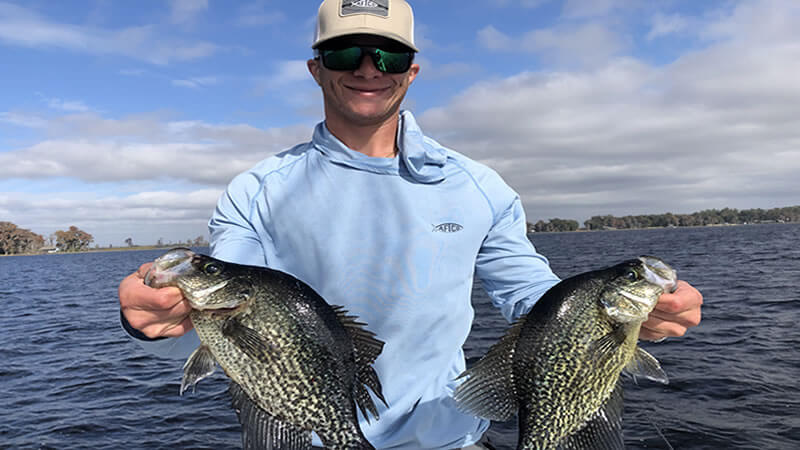
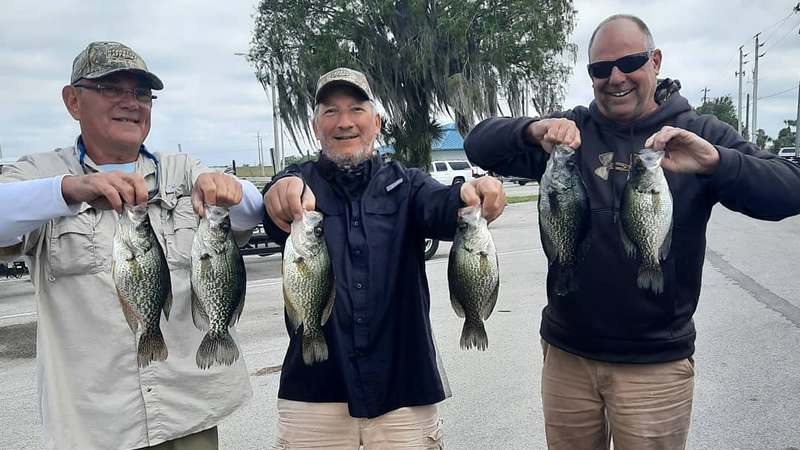
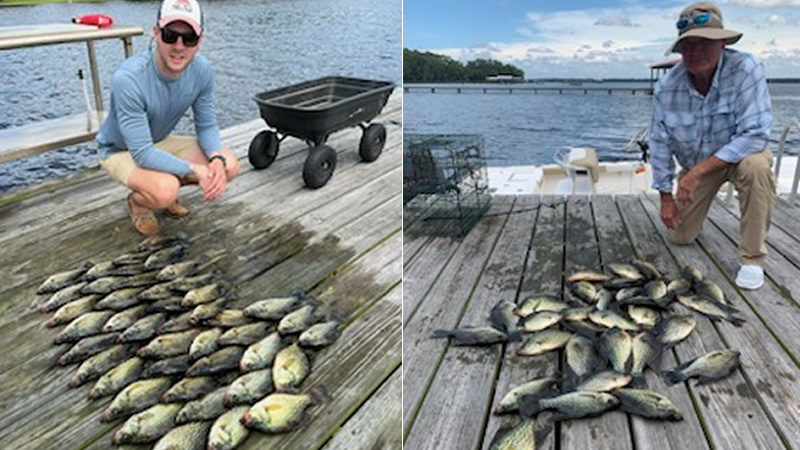
Crappie bite year-round. Early summer is the peak. Spring warming brings action. They move between deep and shallow water. Standing timber holds fish. Boat houses work. Brush piles work. Jigs and minnows get them.
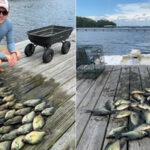
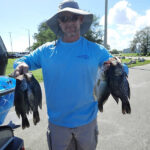
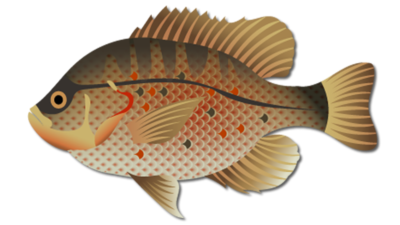
Sunfish fill the small bays. Perfect for families. Use earthworms—small jigs work. Stick to shoreline brush and weeds.
Lavon Lake works. Fish migrate—water temperature matters. Know your baits. Every trip pays off.
Fishing Techniques and Strategies for Crappie Fishing
- Anglers can use various techniques, such as drift fishing, to catch fish in Lavon Lake, particularly in deep water and tributary streams, where channel catfish and blue catfish are commonly found.
- Crappie fishing is best in shallow water, especially during peak seasons, and anglers can use jigs, minnows, and small baits to attract crappie. A white jig is particularly effective for crappie and bass during winter fishing in deep water.
- Bass begin actively feeding in spring and fall, and anglers can catch them with crawfish-mimicking crankbaits, topwater baits, and gold blades to catch them. Crankbaits pay off exceptionally well for largemouth bass in spring and fall. In spring, a yellow jig is a recommended lure for targeting spawning largemouth bass in shallow water.
- Blue catfish bite best in winter, and anglers can use live shad, cut bait, and stink bait to catch them, while white bass provide lots of recreational angling opportunities, particularly in open water points and small bays.
- Sunfish are plentiful at Lavon Lake, with good populations of several species. Anglers can also use scattered brush, plain old earthworms, and small jigs to catch sunfish and other species in the lake.
Hot Spots and Fishing Locations for Blue Catfish Bite
- The main arms running north and south of the lake offer excellent fishing spots, particularly in small bays and cattail-surrounded areas, where anglers can catch various species, including bass, catfish, and crappie.
- The east arm and east side of the lake are also popular fishing spots, with many small bays and infrequent stands of aquatic vegetation that support good fish populations.
- Most of the structure in Lavon Lake is standing timber, especially uplake in the East Fork Trinity River arm and the Sister Grove/Pilot Grove Creek arm. Anglers can find excellent habitat for fish in the lake’s rip-rap, standing underwater debris, and shallow water areas, particularly during early summer when channel catfish angling is at its peak. Targeting deep structure, such as brush piles and fish-head formations, can be especially productive for channel catfish and striped bass.
- The electric generating plant and boat house areas are also known to attract largemouth bass and other species, especially during ambient water temperatures dip, and anglers can use various baits, including shad and minnows, to catch them.
- South-facing shorelines and open water points are also popular fishing spots, particularly for white bass and other species, and anglers can use small jigs, white spinners, and yellow jigs to catch them.
- The lake has much structure, none as good as the anglers place brush piles, great for drift fish, deep structure, and to target fish migrating.
There is a daily bag limit of 5 for any combination of black bass with a minimum length of 14 inches. Accessible bank fishing is available at the Lavon Dam Fishing Pier.
 Private Charter