 Limited Spots


(Columbia, Hamilton, Madison, Lafayette, Gilchrist, Alachua, Suwannee, Levy, and Dixie counties):
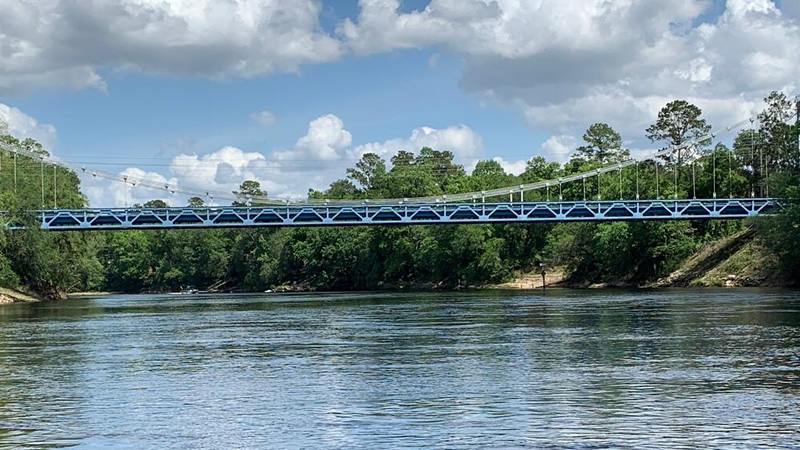
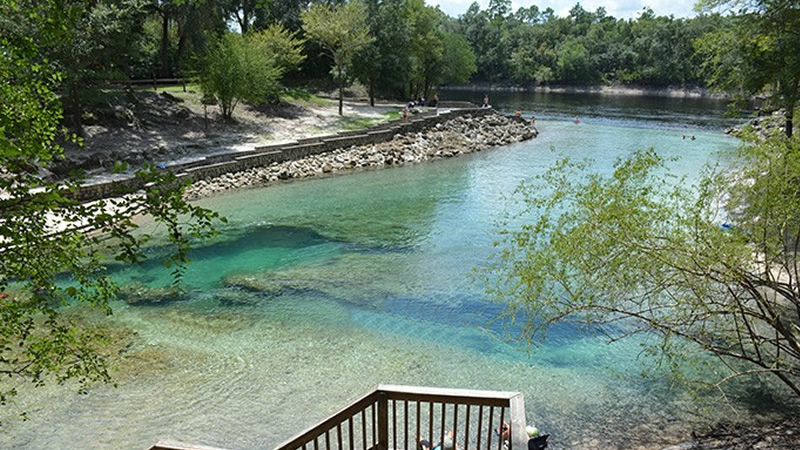
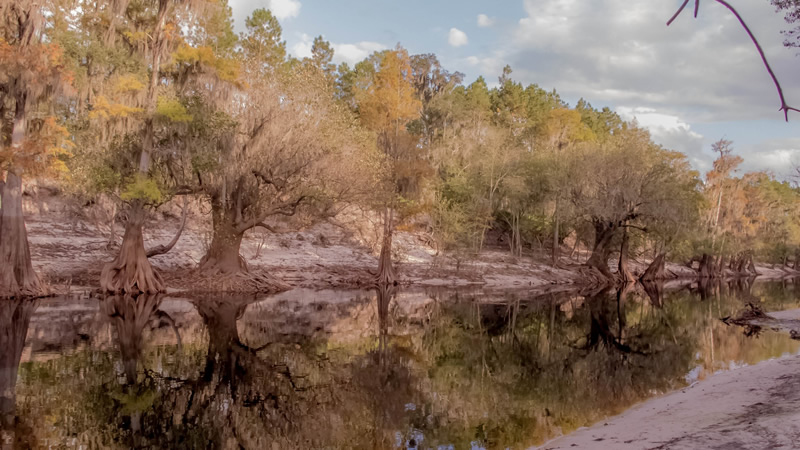
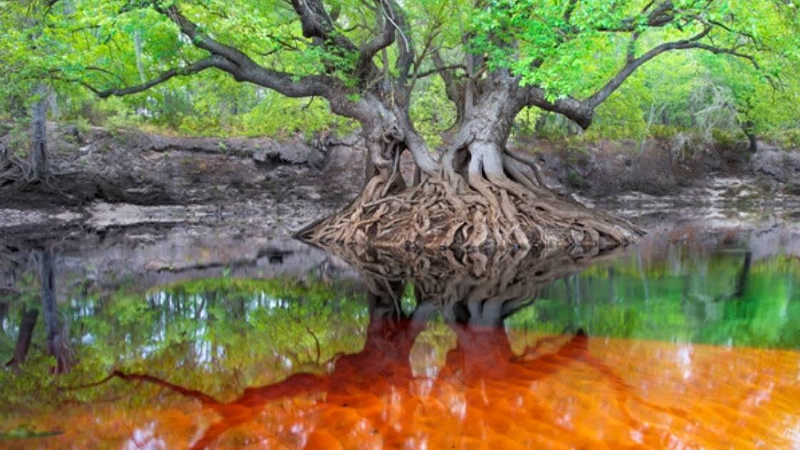
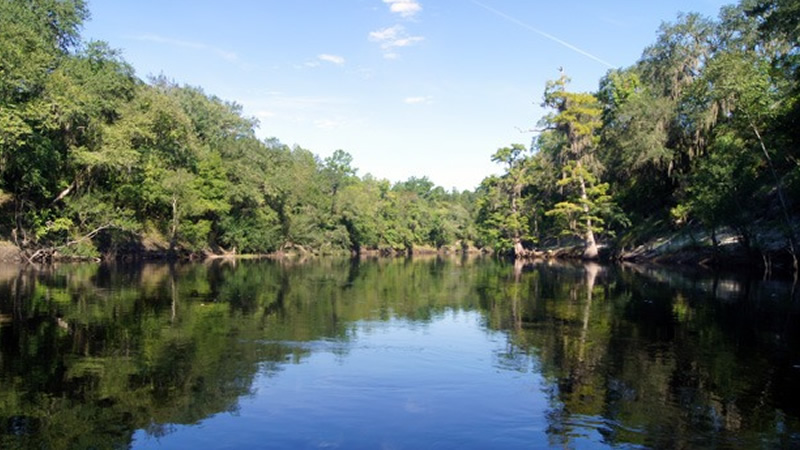
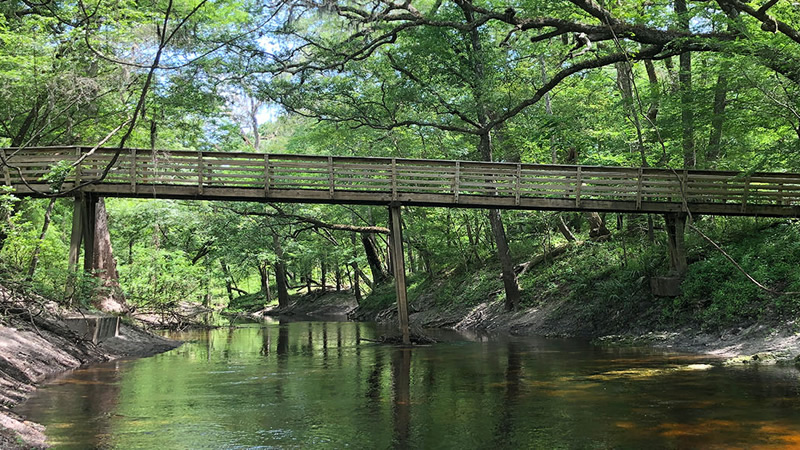
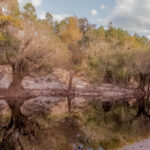
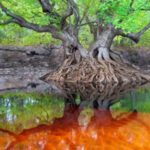
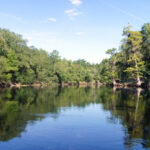
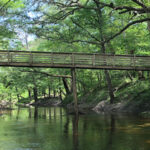
The Suwannee River is a pristine, blackwater stream flowing 213 miles in Florida from the swamp-like region at the Georgia border to salt marsh tidal creeks at the Gulf of Mexico. In between are rocky bluffs and shoal areas in the upper reaches, and floodplain cypress-tree-hardwood swamp borders lined with water lilies in the middle sections. The Santa Fe River is a significant tributary with strong spring flow, making the water more straightforward yet more productive for submerged vegetation and food organisms for fish.
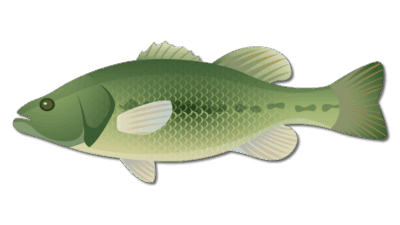
Although the Suwannee River is not known for trophy largemouth bass, reasonable catch rates can be expected, and anglers frequently catch quality-sized bass. The more petite but feisty Suwannee bass species also occurs throughout much of the river system, and fish large enough to qualify for FWC’s “Big Catch” Suwannee bass certificates (minimum: 16 inches or 2 pounds) can be caught by anglers in the Santa Fe.
Crawfish are the main food item for bass in the river system, so anglers should fish accordingly. Plastic worms, lizards, and crawfish; jigs with orange skirts and pork rinds; and metallic crankbaits are all standard lures that catch fish in the river.
While the scenery may change every 20 or 30 miles, the key to catching bass is the same. A deep structure, or a shallow structure that has deep water nearby, is what anglers should always look for. Suwannee bass, more common in the Santa Fe River, prefer current where water moves around cypress trees or in mid-river at low water levels. Changes in depth will shift the location of the current structure.
The lower Suwannee River moves more slowly, and bass utilize the shoreline cover of fallen trees and cypress trees on outer bends. Plastic baits, rigged Weedless, can catch bass in the pads of inside shallow banks. Live shiners can be fished into brush piles from upstream by letting them float downstream. Small bass will hit a fly, or a small floater-diver fished along the bank in the Suwannee.
The estuary is also productive. In the fall, fishing can be outstanding when shrimp are in the river. Tidal creeks are a unique fishing experience.
The Suwannee drains from the Okeefenokee Swamp through limestone shoals and stretches to become a large floodplain river in the lower reaches. Drastic water level fluctuations characterize the river and keep the fishery dynamic. The Santa Fe is the major tributary, heavily influenced by springs, and, unlike the Suwannee, has extensive submerged vegetation in its middle and upper reaches.
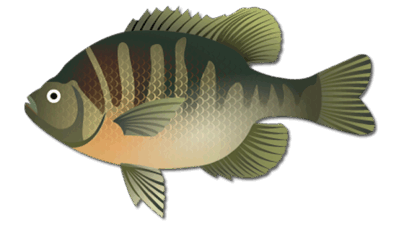
These areas harbor abundant freshwater shrimp, water studs, and aquatic insects, thereby supporting excellent growth rates for fish, particularly redbreast sunfish and pugnacious spotted sunfish (stump knockers). The upper Suwannee has only tree roots and rocky shelves for fish structure. The lower Suwannee has a band of waterlilies and, eventually, in the tidal portion, numerous wooded and marsh-lined feeder creeks.
(*Local upper Suwannee contacts: Suwannee River State Park 386-362-2746, Canoe Outpost 1-800-428-4147, Spirit of Suwannee Park 386-364-1683; *Local middle Suwannee and Santa Fe contacts: Sandy Point Marina 386-935-0615, Gene’s Bait & Tackle, Ft. White 904-497-2248; *Local lower Suwannee contacts: Sid’s Treasure Camp at Fowler’s Bluff 352-493-2950)
Note: Boaters should be highly cautious on both rivers, as low water has reduced clearance over sand bars and other underwater hazards. Use low-water periods to understand what exposed areas look like at normal river levels.
Depending on seasonal storms, water levels in both rivers can bounce back. If this happens and water enters the floodplain, it sets the stage for some great fishing. When the water recedes into the river proper, it is the best time to catch your fill. For panfish, live bait such as crickets and worms works best. Cast towards the cypress knees and roots, with your bait suspended about 2 to feet down.
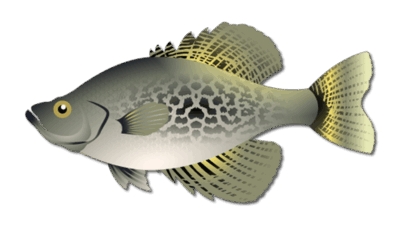
On the other hand, fishing from the bank requires enough weight to get your bait down and stay stationary. Realize that the current will drag your baited hook downstream with time, thus providing another opportunity to cast and see what bites. During cold spells, fish may concentrate in holes, especially in creeks of the lower Suwannee River. Speckled perch become very active and can be caught wherever a brush is in either river. Check spring run entrances.
High-tide fishing is always slow; the best fishing is during lower tides. It is also helpful to remember that the outer bends are always deeper, sandbars are on the inside curves, lilies on the outer bend mean the current has left the bank, and panfish like to spawn here. Both Suwannee and largemouth bass occur. Large fish are not the rule, and remember that all bass in the river, especially Suwannee bass, prefer to feed on crawfish, so crawfish-colored lures prevail.
In the Suwannee River, areas north and west of the Suwannee River, and in any tributary, creek, or stream of the Suwannee River: the daily bag limit for striped bass is 3, each of which must be at least 18 inches in total length (20 fish combined bag limit). 2 Butterfly peacock bass, only one of which may be 17 inches or longer in full length.
The possession limit is a two-day bag limit. Without a commercial fishing license, it is illegal to transport or possess more than the daily bag limit of fish per licensed angler. Exceptions are fish legally acquired from aquaculturists (fish farmers) for use in aquaria for broodstock, pond stocking, or adequately marked for the market.
(NOTE: It is illegal to possess grass carp without a permit; all grass carp must be released immediately.)
We will guide you on the Suwannee River, part of the “Limestone Spring Belt.” Vast limestone deposits exist on land areas once covered by the ocean. In this region of northern Florida, deposits are very near the surface, and both springs and sinkholes are numerous in many different locations.
There’s a lot to be said for Florida river fishing; not only can you catch the famous Suwannee bass, but this area also hosts trophy largemouth, meaning Florida-strain largemouth. Fishing on the Suwannee is outstanding in most cases from summer through winter.
So do not hesitate: you will fish with a professional guide. All of our trips include fully equipped Bass boats, fuel, and tackle. Everything you need for that trip you’ve been waiting for. The only thing you will need is a Florida fishing license.
Corporate trips are familiar and welcome for us because of our size. We can accommodate all your fishing needs, from one to 100. We can also provide everything from breakfast and box lunches to a southern BBQ to end the day.