 Private Charter
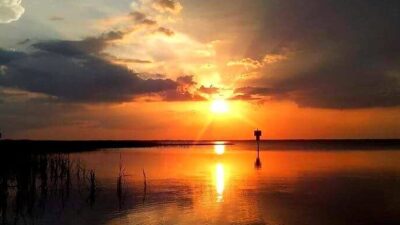
Lake Jackson in Osceola County is a 1,020-acre Central Florida fishery within the Three Lakes area, roughly 50 miles south of Orlando. This is a different lake from the better-known Lake Jackson near Tallahassee, so anglers planning a trip should confirm they are looking at the Osceola County water.
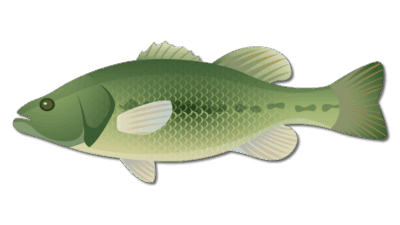
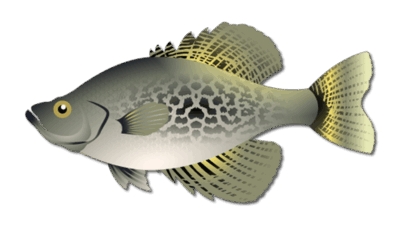
The lake is best known for largemouth bass and black crappie. Its location also makes it a natural companion fishery to Lake Kissimmee, Kenansville Lake, and other waters south of St. Cloud.
Florida Fish and Wildlife Conservation Commission rules currently require all black bass caught in Lake Jackson, Osceola County, to be released immediately. Cast nets, minnow lift nets, and minnow seines are also prohibited. Regulations can change, so anglers should always review the current FWC rules before fishing.
Vegetation and shallow-water habitat make Lake Jackson well suited to Florida largemouth bass. Natural bait can be productive, while artificial presentations should be matched to grass, open-water activity, water level, and weather conditions. For a broader explanation of live-bait strategy, see our live bait for bass guide.
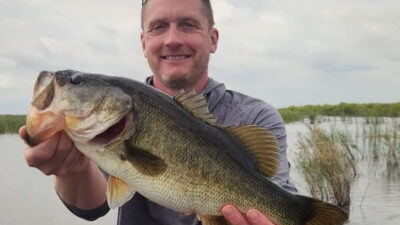
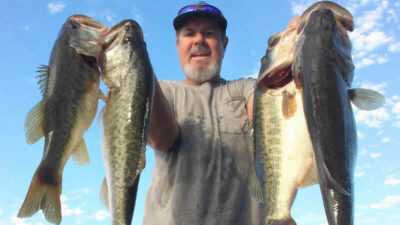
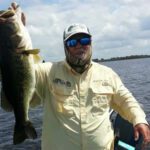
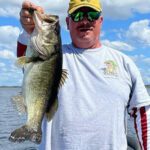
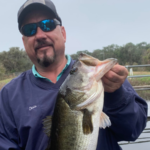
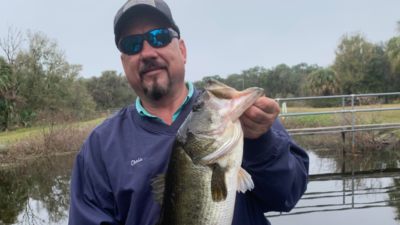
Historic guide field note: An older multi-day guide report from this Osceola County lake described a very fast wild-shiner bite, with anglers repeatedly using their live-bait supply and catching numerous largemouth bass in roughly the 3- to 5-pound class. That observation is historical rather than a current fishing report, but it remains useful evidence of how productive the lake can be when bass are actively feeding.
Lake Jackson is part of a broader Central Florida fishing network. Anglers looking for additional nearby options can compare Lake Marian, Lake Kissimmee, and Kenansville Lake, or browse current Florida fishing guides. Because the Osceola lake shares its name with other Florida waters, use Lake Jackson, Osceola County when planning directions, regulations, and fishing access.
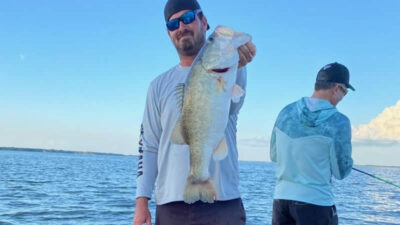
Historic Multi-Day Shiner Field Note: A second older Lake Jackson guide report described two days of concentrated live-bait fishing in which anglers used roughly 18 dozen wild shiners. Most bass were reported in the 3- to 4-pound range, with fish grouped tightly in one productive area and a best fish around 6.5 pounds. The durable lesson is that when bass concentrate, repeated presentations to the same productive zone can outperform constant relocation.
Historic Trophy and Numbers Field Note
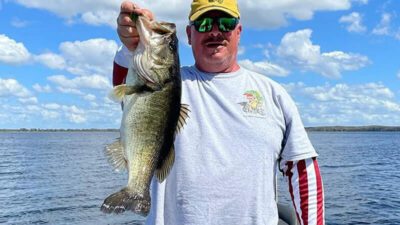
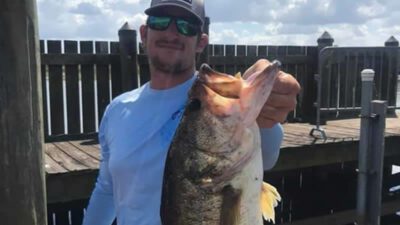
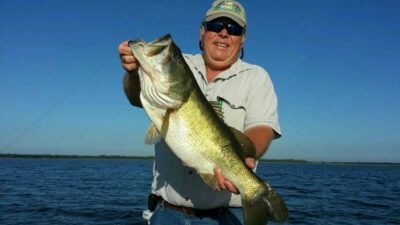
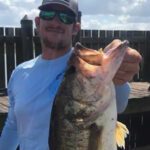
Older guide reports from Lake Jackson in Osceola County documented strong largemouth bass action on wild-caught live shiners, including a trophy bass over 8 pounds on one trip. A later trip produced more than 60 largemouth bass, many in the 4- to 5-pound range. These are historical observations rather than current conditions, but they reinforce Lake Jackson’s potential for both numbers and quality when fish are concentrated and live bait is presented in productive zones.
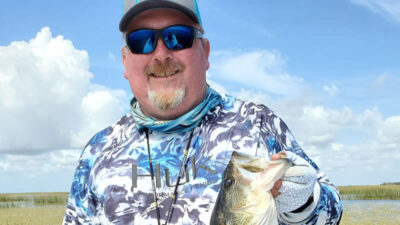
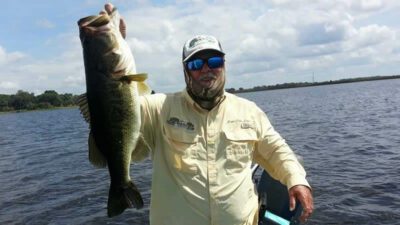
Older guide trips on Lake Jackson in Osceola County documented strong bass action in shallow water around lilies with wild shiners. One trip produced more than 20 bass with three fish over 7 pounds after the bite improved as the sun rose; another produced more than 50 bass with a largest fish near 7 pounds during a cool breeze and light cloud cover. The durable lesson is to treat shallow vegetation and changing light or wind conditions as positioning clues, while keeping live shiners in productive zones when fish are grouped there. These are historical observations rather than a current fishing report or catch guarantee.